
Wildlife Encounters: Everything Wants to Kill You (Not Really)
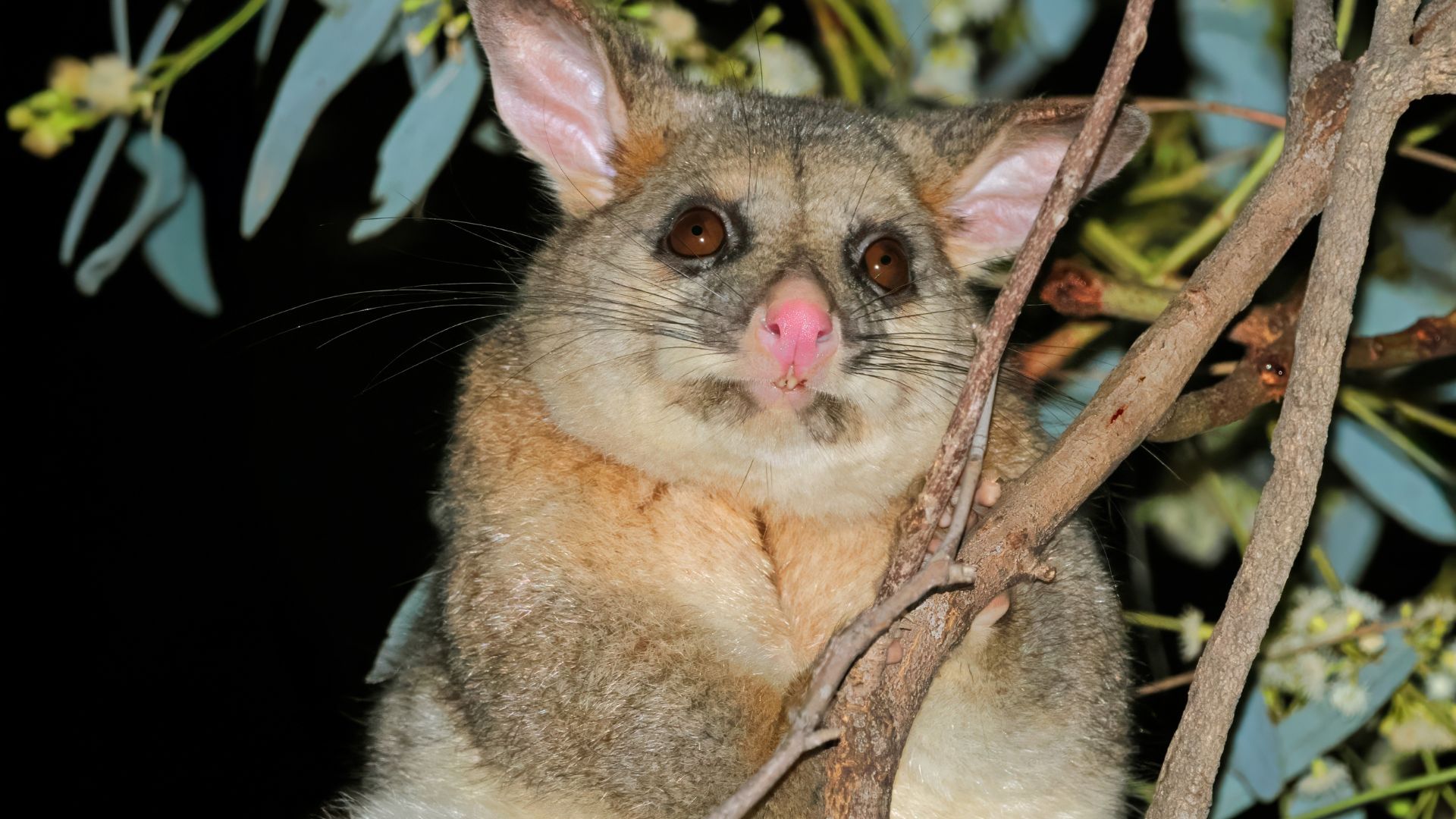
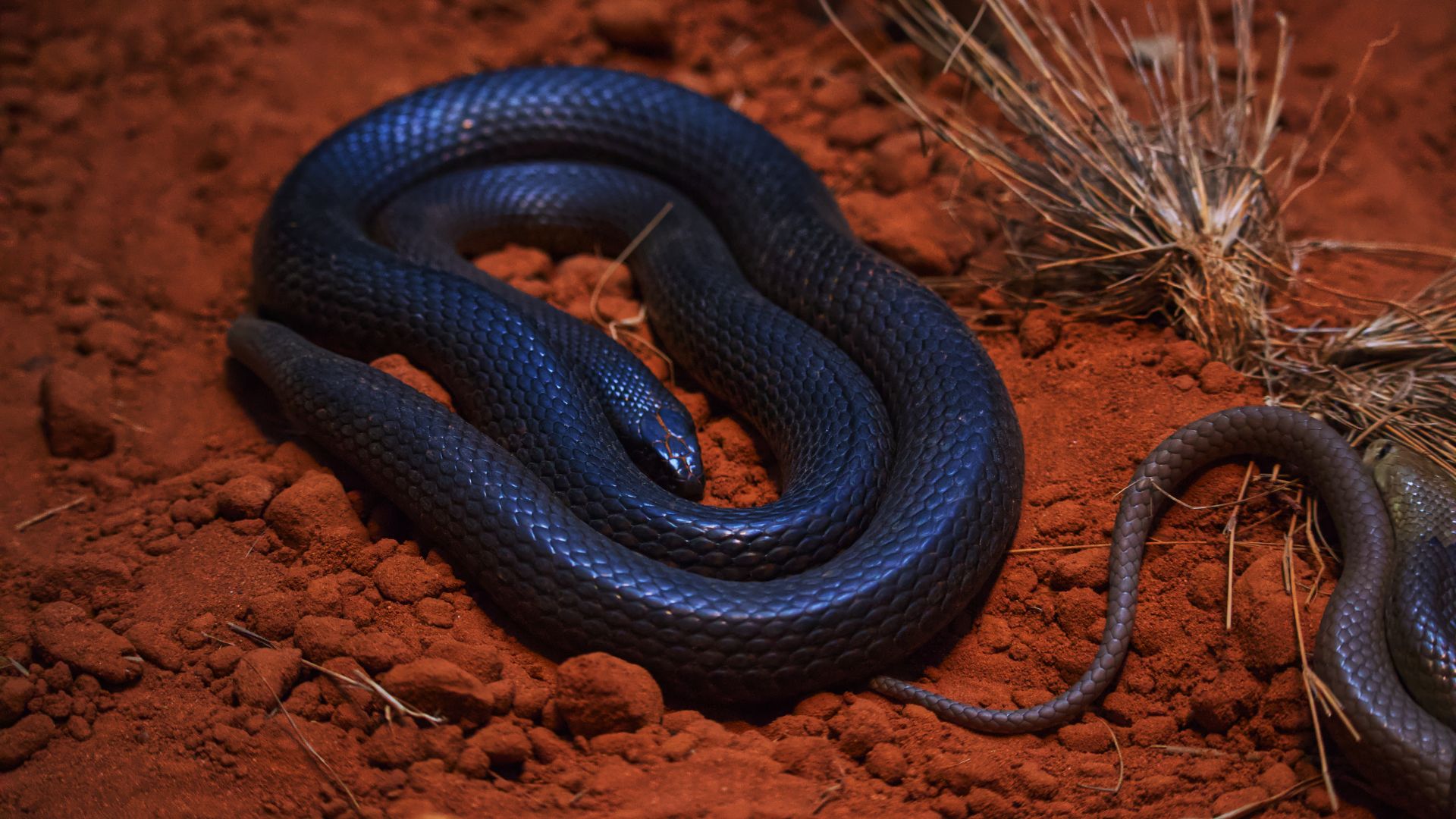
Australia’s reputation for dangerous wildlife is, like most stereotypes, both exaggerated and earned. Yes, the country hosts the world’s most venomous snakes, spiders whose bites require hospital visits, jellyfish that can kill in minutes, and sharks that occasionally mistake surfers for seals. But the statistical reality is that more Australians die from horse-related accidents than from all the famous deadly creatures combined. The wildlife is remarkable precisely because it evolved in isolation; the danger is manageable with basic awareness. The continent’s separation from other landmasses for some 80 million years produced the world’s most distinctive fauna — marsupials in place of placental mammals, monotremes (egg-laying mammals) that exist nowhere else, songbirds whose evolutionary origins trace through Australia rather than through it.
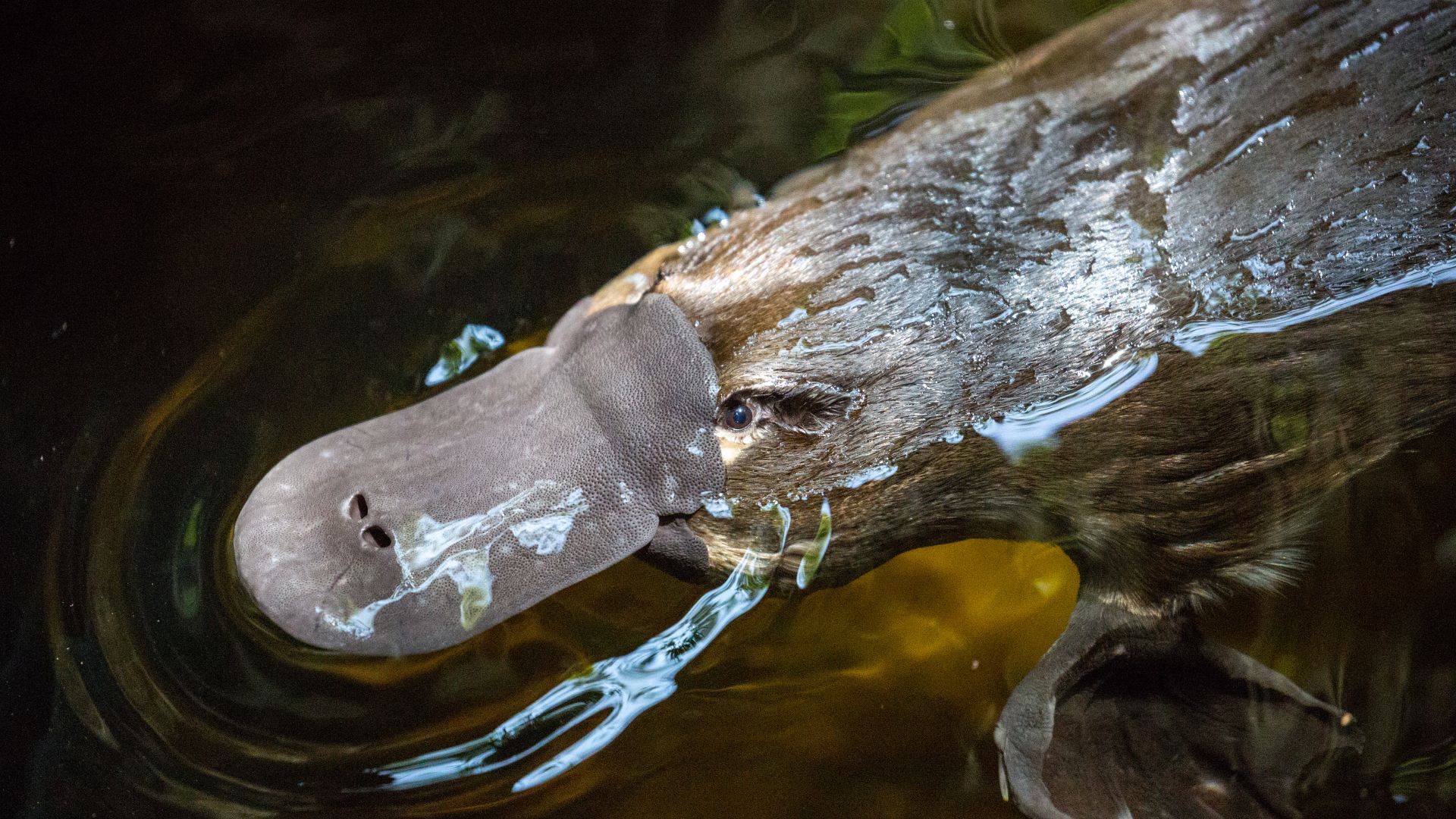
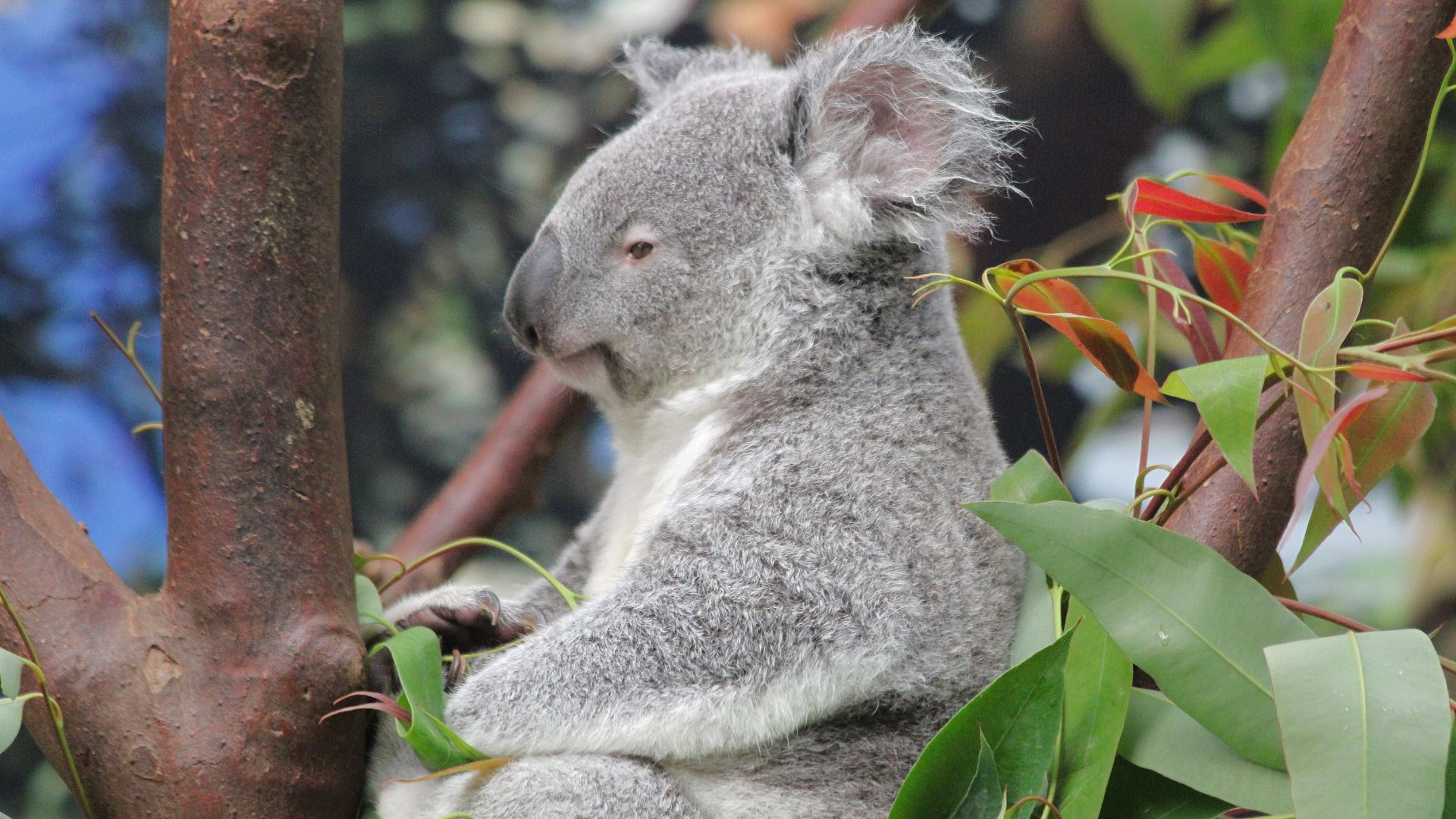
The animals you actually want to see are considerably less threatening. Kangaroos and wallabies appear in absurd abundance once you leave the cities — they graze on golf courses, obstruct rural roads, and generally behave as if they own the place, which of course they do. Koalas are harder to spot in the wild but common enough on Kangaroo Island, the Great Ocean Road, and in Queensland’s eucalyptus forests; the species was officially listed as endangered in eastern Australia in 2022, following population collapses driven by habitat loss, chlamydia, and the 2019-20 Black Summer bushfires that affected an estimated three billion animals nationwide. Wombats emerge at dusk in Tasmania and Victoria; Maria Island, off Tasmania’s east coast, has become the easiest place in Australia to see both wombats and Tasmanian devils without entering a sanctuary. Platypuses hide in freshwater streams but reward patient observation; echidnas, the other monotreme, plod through bushland with the unhurried confidence of an animal with few predators.
The marine life is extraordinary. The Great Barrier Reef’s fish and coral need no introduction, but the interactions elsewhere surprise. Swimming with sea lions at Baird Bay in South Australia, diving with whale sharks at Ningaloo Reef in Western Australia (the 2026 season runs March to August, with peak encounters in April and May), watching humpback whales migrate along the east coast between June and November — these encounters rank among the world’s best wildlife experiences. Hervey Bay in Queensland and the Sydney Heads are the established whale-watching bases. The southern coast hosts seals, dolphins, and the occasional great white shark (behind a cage, for those inclined). Phillip Island’s nightly Penguin Parade, two hours from Melbourne, sees little penguins emerge from the surf at dusk to waddle to their burrows in numbers that haven’t changed materially for decades.
The birds deserve attention they rarely receive. Australia is home to parrots in colours that seem artificial (rainbow lorikeets, rosellas, galahs), kookaburras whose laugh is genuinely unsettling, and emus who approach cars with confidence that borders on aggression. The cassowary — a six-foot flightless bird with a dagger-like claw and a reputation for violence — lurks in Queensland’s rainforests and genuinely is dangerous, though attacks remain rare. Birdwatching in Australia converts sceptics.
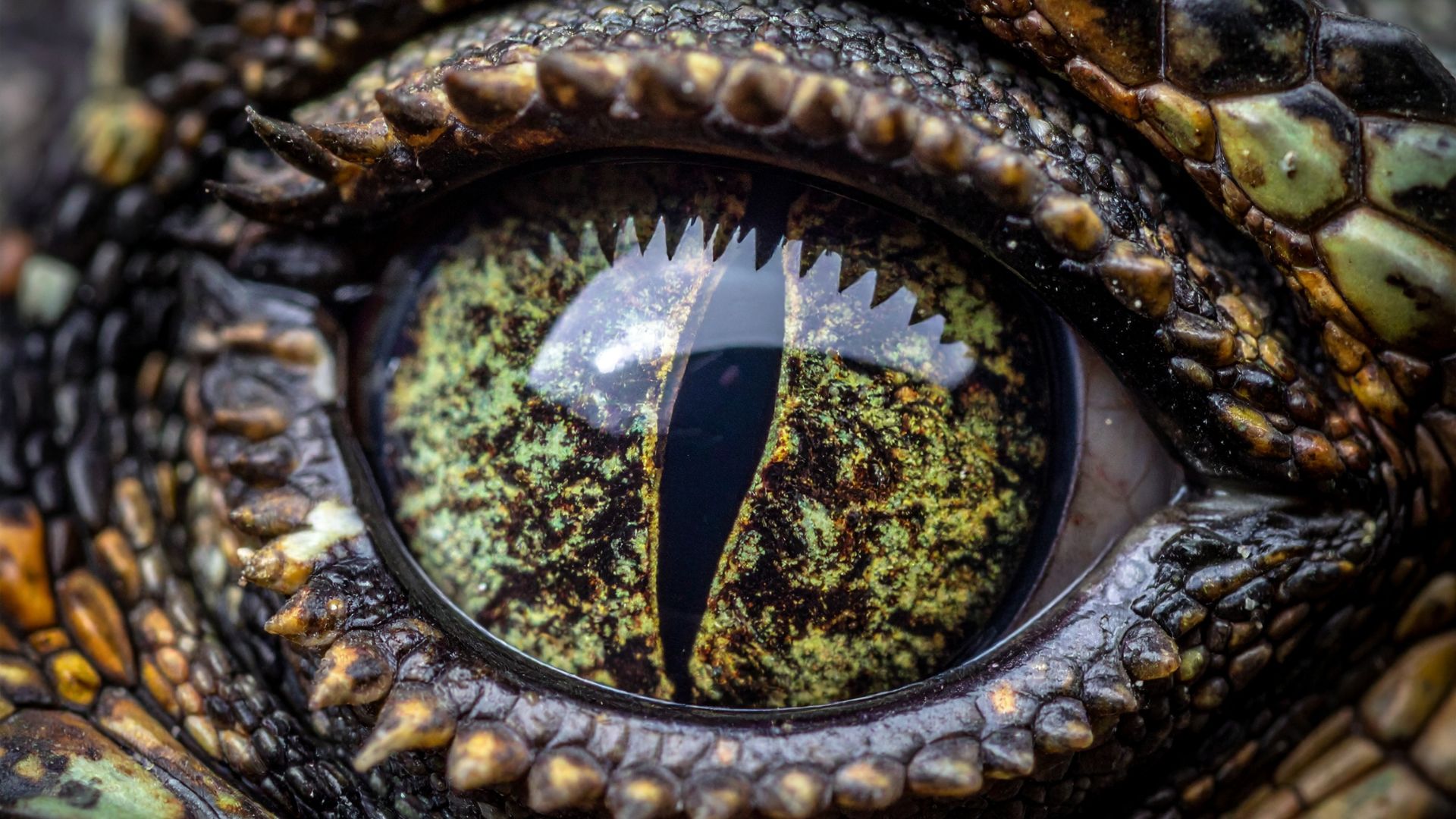
Practical wildlife advice: do not swim in northern waters between October and May (box jellyfish and the saltwater crocodiles that genuinely do attack humans in the Top End — the regular news stories are not exaggeration), do not approach snakes or spiders (they prefer to avoid you), and do not feed anything (it makes animals aggressive and dependent). The luxury lodges excel at wildlife encounters because their guides know where to look and when. The sunset drink at Longitude 131, the morning walk at Southern Ocean Lodge (rebuilt and reopened in late 2023 after the 2020 bushfires destroyed the original), the twilight spotting at Saffire Freycinet — these deliver wildlife sightings alongside comfort. The dangerous creatures are real but avoidable; the remarkable creatures are real and very much worth seeking.
Practical information
Ningaloo Reef whale shark swims — Coral Coast WA. Season March to August (extending into October some years); only 11 licensed operators, ten swimmers per group. From approximately AUD 470 (£250) per person.
Phillip Island Penguin Parade — Victoria. Daily evening penguin viewing; general admission from AUD 32 (£17), premium viewing platforms from AUD 70 (£37).
Maria Island, Tasmania — Best place to see Tasmanian devils, wombats, and forester kangaroos. Ferry from Triabunna AUD 50 (£26) return; day or overnight visits possible.
Hervey Bay whale watching — Queensland. Humpback whale migration July to October; half-day tours from approximately AUD 130 (£70) per adult.
Kangaroo Island — South Australia. Sea lions, koalas, kangaroos, echidnas; recovering well from the 2020 bushfires. Ferry or air from Adelaide.
Longitude 131 — Baillie Lodges, Uluru. Luxury tented camp with views of Uluru and dawn/dusk wildlife drives. From approximately AUD 3,500 (£1,850) per person per night all-inclusive.
Southern Ocean Lodge, Kangaroo Island — Baillie Lodges. Rebuilt and reopened December 2023 after the 2020 fires. From approximately AUD 2,800 (£1,475) per person per night all-inclusive.
Saffire Freycinet, Tasmania — Suites overlooking the Hazards mountain range and Wineglass Bay. From approximately AUD 2,000 (£1,055) per person per night.
Australia Zoo (Steve Irwin's) — Sunshine Coast, Queensland. The late Steve Irwin's conservation zoo; entry AUD 79 (£42) per adult.

Charlotte Whitfield is The Travelling Telegraph's Australia correspondent. Based in Sydney since 2016, she covers luxury travel, wine country, and the Pacific coast's wild edges.