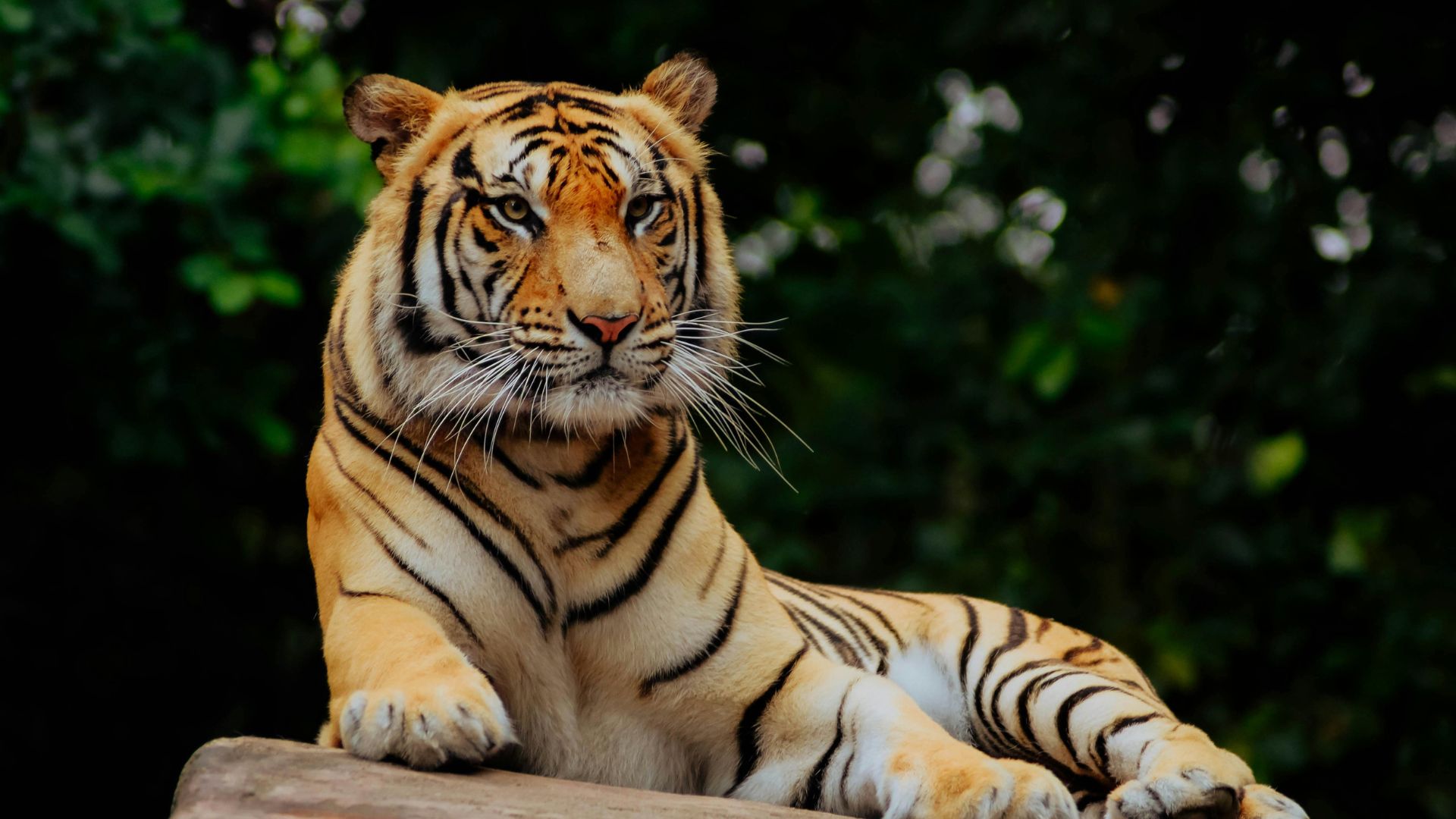
Indonesia’s wildlife includes creatures that exist nowhere else on Earth — products of island isolation that allowed evolutionary paths to diverge from continental norms. The archipelago straddles the Wallace Line, the biogeographic boundary identified by Victorian naturalist Alfred Russel Wallace that separates Asian and Australasian fauna, and the resulting mix means tigers and elephants in the west, marsupials and birds of paradise in the east, with extraordinary endemism between. The Komodo dragon, the orangutan, the Javan rhino (down to perhaps sixty individuals), and countless endemic birds and marine species provide encounters that cannot be replicated elsewhere. The conservation challenges are real; the opportunities to see wildlife in wild settings persist for now; and the responsible tourism that funds conservation creates arguments for preservation that abstract environmentalism cannot match.
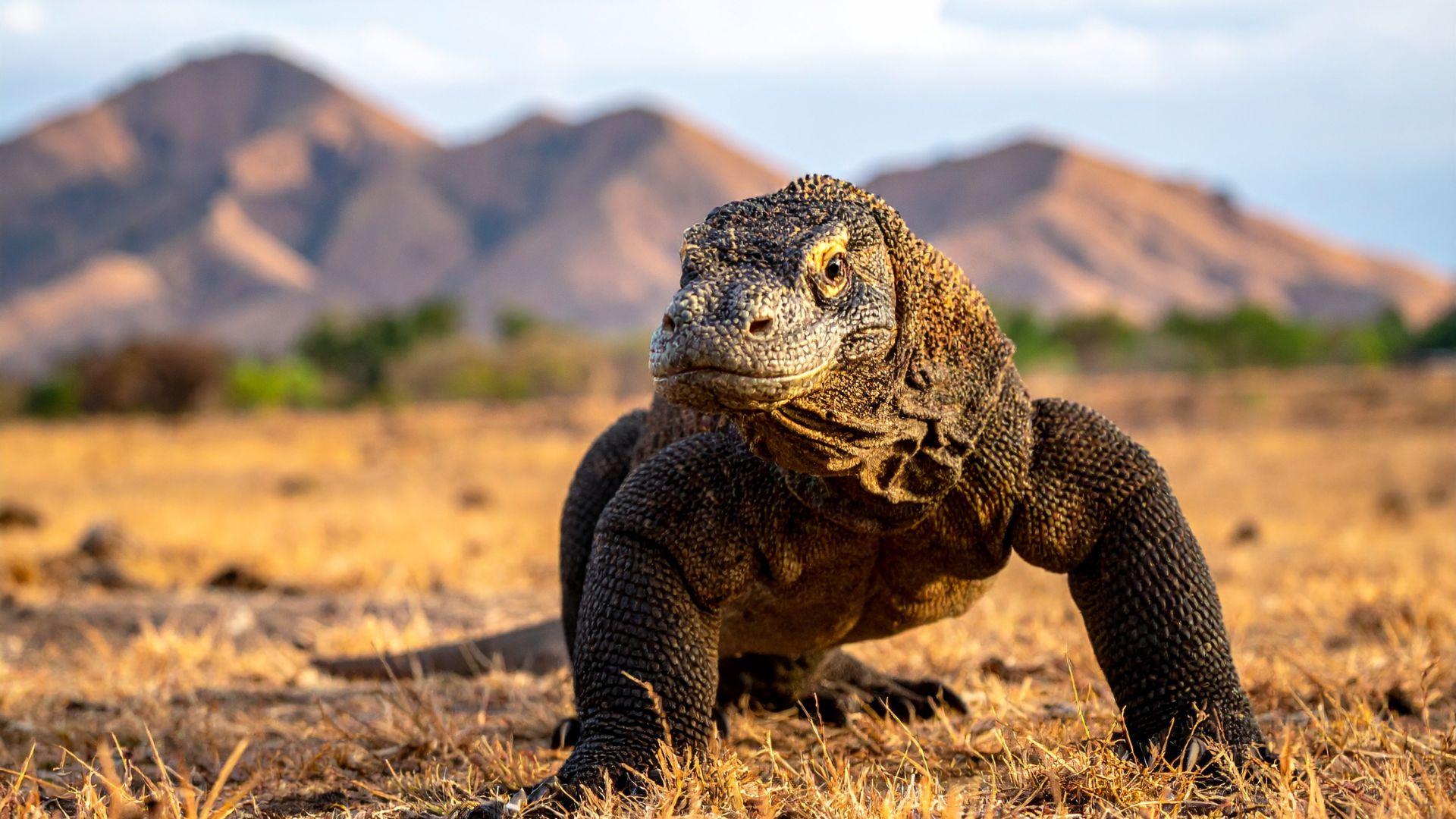
The Komodo dragon is the obvious draw. The world’s largest lizard — adults reach three metres and seventy kilograms — has survived on a handful of islands in eastern Indonesia because no competing large predators colonised its territory. The dragons are genuine apex predators: they hunt deer and water buffalo with ambush tactics, and their saliva contains a cocktail of bacteria and (recent research suggests) venom proteins that slowly kill prey that escapes initial attack. The national park introduced a 1,000-visitor daily cap in April 2026 alongside a consolidated entrance fee structure to prevent disturbance; advance booking through licensed Labuan Bajo operators is now mandatory rather than optional. The guided walks provide encounters with animals that have changed little in millions of years.
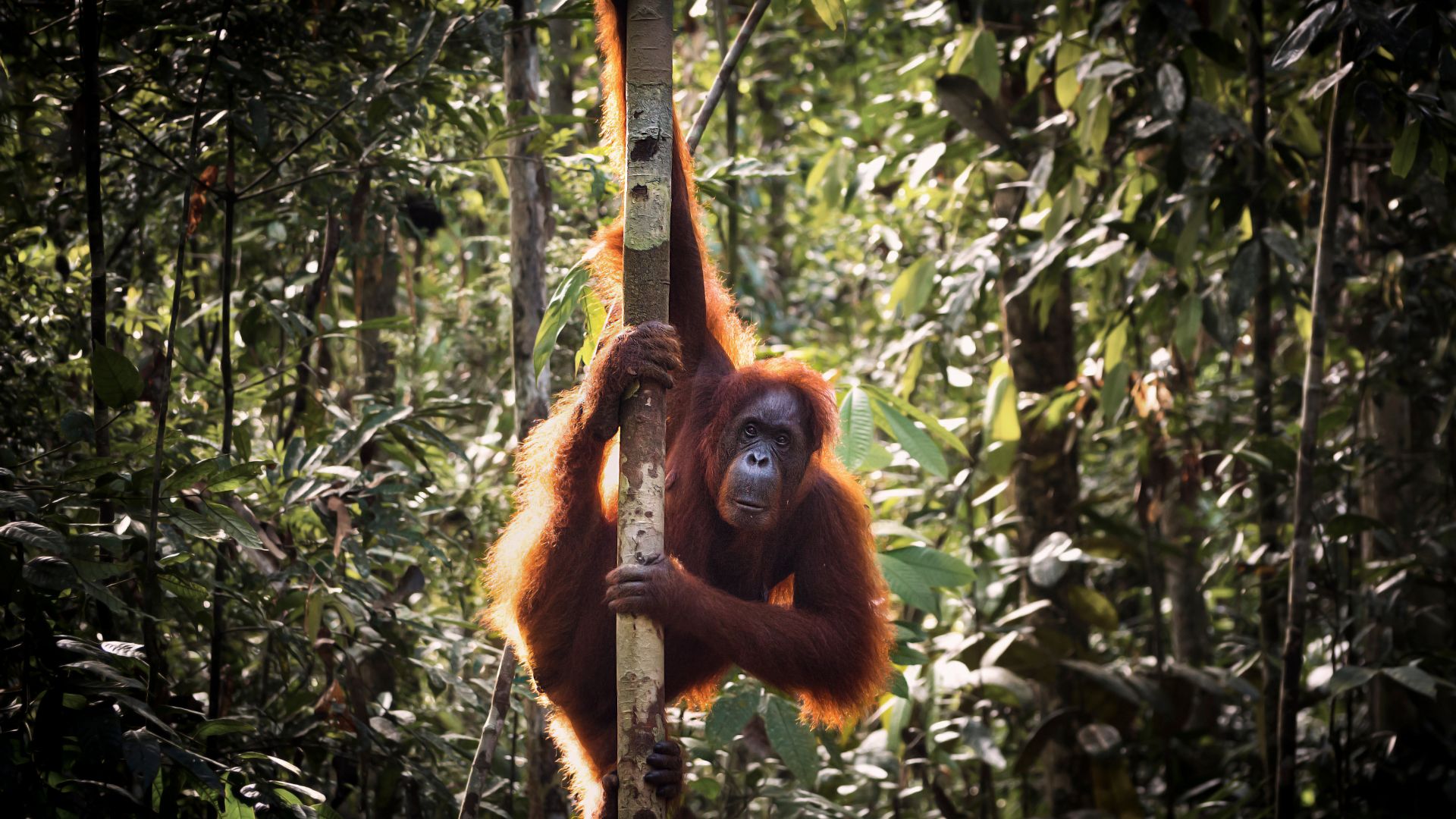
The orangutans of Borneo and Sumatra face pressures that make their survival uncertain. Habitat destruction for palm oil plantations has reduced populations dramatically; the remaining animals survive in protected areas that tourism helps fund. The rehabilitation centres of Kalimantan (Tanjung Puting, with its famous Camp Leakey founded by Biruté Galdikas in 1971) and Sumatra (Bukit Lawang, on the edge of Gunung Leuser National Park) provide sighting opportunities through scheduled feeding-station visits; the genuinely wild populations in remoter parts of these parks require more effort but offer more meaningful encounters. The ethical questions around orangutan tourism — does it help conservation or merely commodify endangered species? — deserve consideration before booking. Choose operators with conservation credentials, follow the rules on distance, never feed or touch the animals, and accept that ethically run tourism is currently the most effective economic argument against habitat conversion.
The marine wildlife provides encounters that terrestrial tourism cannot match. The manta rays of Komodo and Raja Ampat visit cleaning stations with reliability that makes encounters almost guaranteed. The whale sharks that appear seasonally in Cenderawasih Bay and at the bagan fishing platforms of West Papua allow snorkelling interactions that wildlife regulations elsewhere would prohibit. The coral reef fish communities of the Coral Triangle display biodiversity that photographs cannot capture — the experience of hovering over reef and counting species until counting becomes impossible. Sulawesi’s traditional whaling community at Lamalera, on Lembata, presents a more complicated wildlife encounter — sperm whales are still hunted with hand-thrown harpoons under indigenous-rights provisions — and most travellers will prefer the cetacean-watching alternatives now developing in Komodo and the Banda Sea.
The birding communities increasingly recognise Indonesia as one of the world’s great destinations. The birds of paradise in West Papua — Wilson’s, the red, the lesser, the king — display in lek sites that specialist guides can locate at dawn; David Attenborough has filmed several here, and the lineage of natural history cinema runs through the archipelago. The endemic species of Sulawesi, the hornbills of Kalimantan, the cockatoos of Maluku — the archipelago contains over 1,700 bird species, many found nowhere else. The infrastructure for birding tourism remains less developed than for diving or cultural tourism, but the specialist operators who serve the niche provide access to sightings that general tourism cannot offer. For those who watch birds seriously, Indonesia belongs on the list alongside Costa Rica, Ecuador, and Madagascar.