Where 37 million people somehow make density feel like possibility
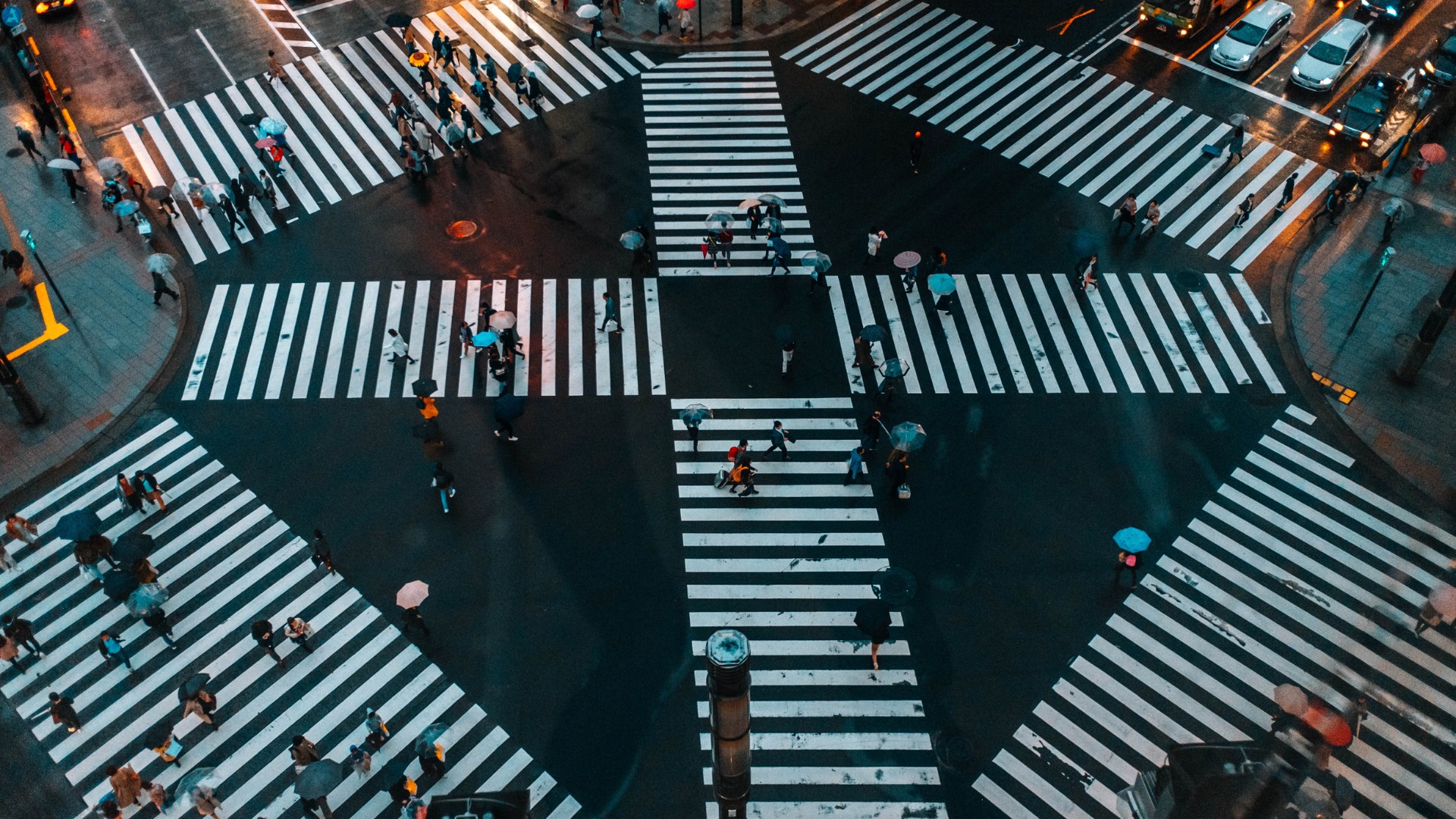
Tokyo operates on principles that other cities haven’t discovered yet. The density that should produce chaos instead produces efficiency. The crowds that should induce anxiety instead induce a strange calm — everyone knows where they’re going, the system works, and you can surrender to the flow without fighting it. The city rewards depth over breadth; you could spend a lifetime exploring single neighbourhoods and not exhaust their possibilities.
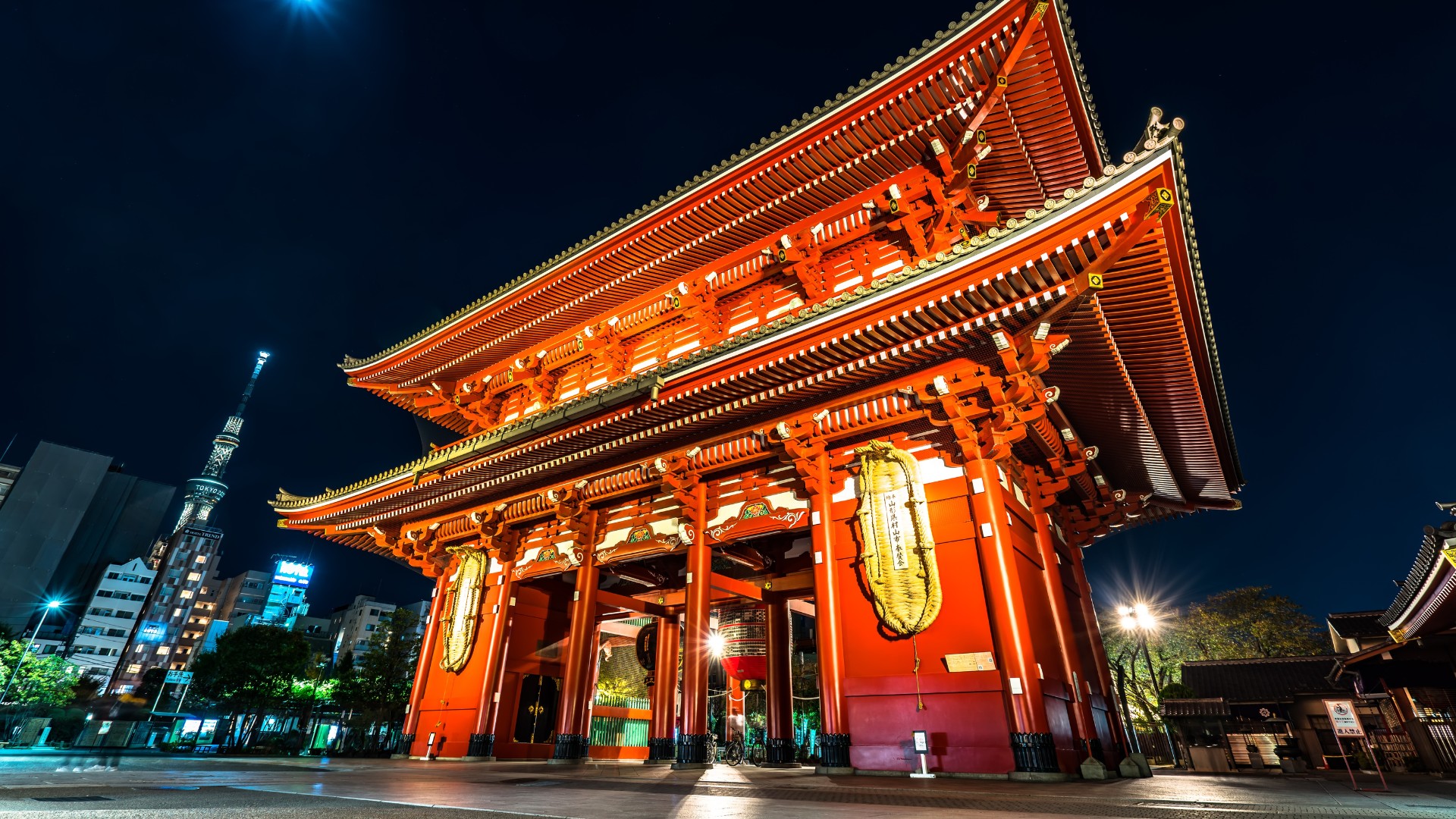
The east side (Asakusa, Ueno, Yanaka) preserves old Tokyo: temples, traditional shops, the working-class atmosphere that survived earthquake and war. The west side (Shibuya, Shinjuku, Harajuku) delivers the neon-lit modernity that defines Tokyo in global imagination. The center (Ginza, Marunouchi, the Imperial Palace) provides business-district elegance and the department stores that elevate shopping to performance. And the outer reaches — Shimokitazawa for vintage bohemia, Nakameguro for canal-side cafes, Odaiba for artificial-island futurism — expand understanding of what the city contains.
The dining scene defies summary. More Michelin stars than Paris and New York combined; more ramen shops than any sane person could visit; more specialisation than Western dining conceives (restaurants that serve only eel, only tempura, only one specific cut of beef). The department store basements — depachika — present the world’s finest food halls, where standards of presentation suggest gifts for gods rather than provisions for humans. Budget accordingly, or don’t budget at all: Tokyo eating can consume whatever resources you allocate.