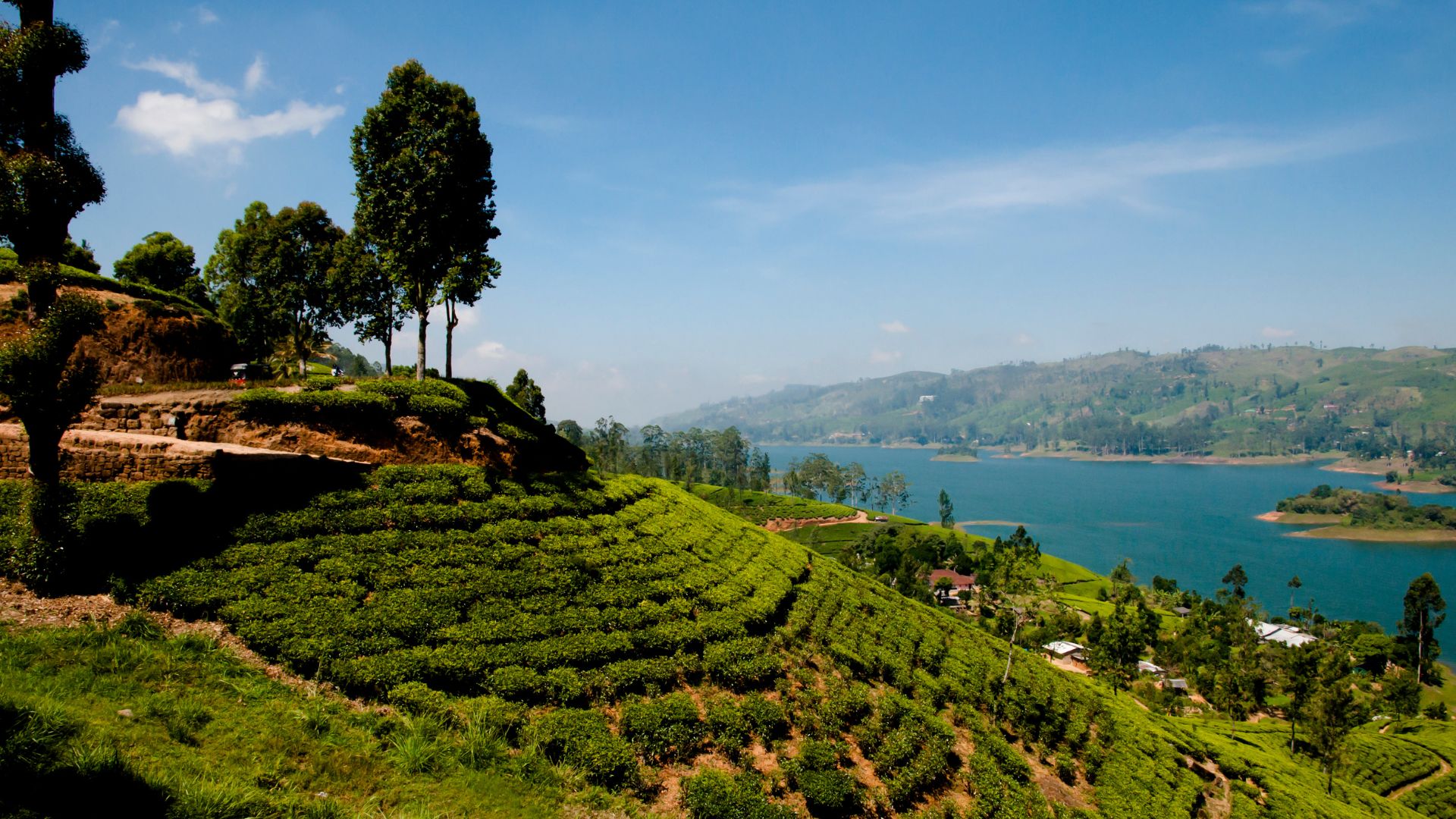
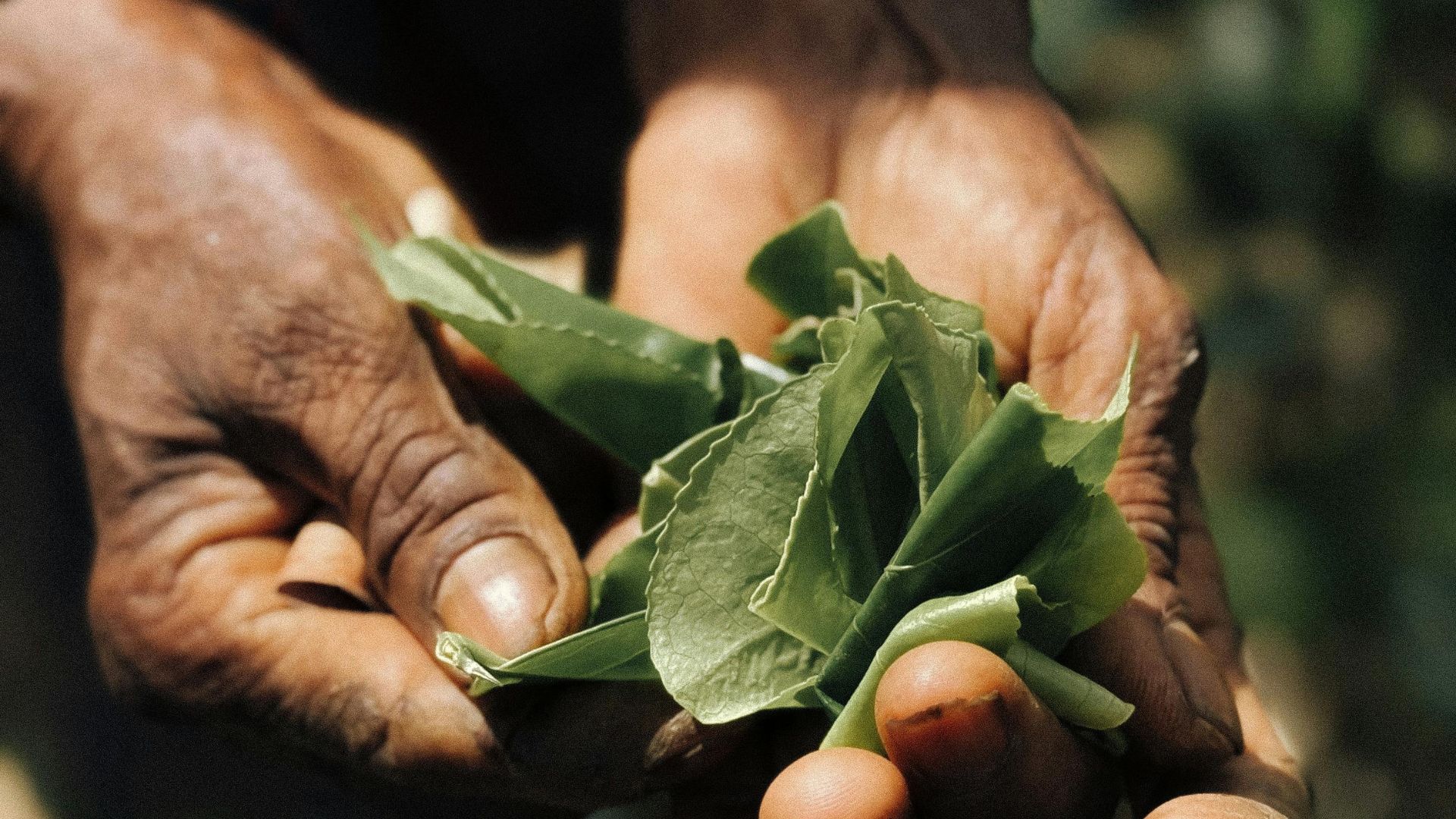
The Tamil women who pluck Sri Lanka’s tea are simultaneously essential to the industry and marginal within it. Brought from South India by British planters in the 19th century to provide labour that local farmers refused, their descendants have worked the estates for generations. The history matters: when Sri Lanka gained independence in 1948, the new government’s Citizenship Act effectively stripped many of these “estate Tamils” of their nationality, leaving them stateless for decades until full citizenship was finally restored in 2003. They remain Sri Lanka’s poorest community, with literacy rates and health outcomes well below the national average, and the political representation to match. The two leaves and a bud that produce fine tea are selected by fingers that move faster than cameras can capture; the lives attached to those fingers unfold in estate housing — the so-called “line rooms,” ten-foot-square units arranged in barracks — that the colonial period would recognise.
We met Lakshmi on a plantation outside Nuwara Eliya, her basket already heavy with morning’s picking. She had worked these slopes since sixteen, following her mother, who followed her mother. Her hands moved with speed that made photography pointless: pluck, drop, pluck, drop, rhythm uninterrupted by conversation. She earned approximately 1,000 rupees (£3) per day, plus housing and benefits — a daily wage finally reached in 2021 after sustained union pressure and strike action, having stood at 700 rupees for years before that. The tea she plucked sells internationally for prices that seem impossible to reconcile with her wages. A premium Nuwara Eliya pekoe retails in London for £40 per 100 grams; the women who pick the leaves earn the price of one cup, perhaps two, for a day’s work.
Her perspective complicated easy judgments. The work was hard, the pay modest — but the estate provided housing, schooling, healthcare. Her daughter was at university, first in the family to pursue higher education, funded partly by estate scholarships. “The tourists see only the tea,” she said, “but the tea is my life. What would we do without it?” The question wasn’t rhetorical, and I couldn’t answer it. The estate Tamils’ alternatives are limited: the towns offer few jobs that match their skills, the line rooms are theirs by inheritance rather than tenancy, and the social structures that have sustained the community for five generations are bound to the plantations whether or not the wages are fair.
The estates are beginning to offer visitor experiences that engage with this complexity — not just factory tours explaining oxidation and grading, but conversations with pluckers that acknowledge contribution and circumstance. The Pedro Tea Estate near Nuwara Eliya now runs combined factory and plucking tours where visitors can attempt the work themselves (you cannot; the rhythm takes years to develop), and the proceeds are shared with the workers rather than absorbed entirely into estate accounts. The newer Pekoe Trail, a 300km waymarked hiking route opened in 2023 through the central hill country, was designed partly to spread tourist income beyond the established viewing platforms and into the smaller villages where plucker families actually live. These work best when they involve actual exchange rather than mere observation, when visitors understand that the picturesque slopes conceal histories that photographs cannot capture.
The luxury alternative tells a different but related story. The heritage tea bungalows — the colonial-era planters’ houses now converted into boutique accommodation by operators like Resplendent Ceylon’s Ceylon Tea Trails — sit on working estates and provide some of the most refined hospitality available in Sri Lanka. The trade-off is awareness: you sleep where the British planters slept, served by descendants of the women whose ancestors served them. The properties contribute to plucker welfare through dedicated foundations, and the model has demonstrably improved conditions on the estates that participate, but the history remains in the rooms. The tea in your cup has a supply chain. That chain runs through hands like Lakshmi’s. Acknowledging this feels like the minimum decent response.