The Stilt Fishermen: Icons, Economics, and Complicated Questions

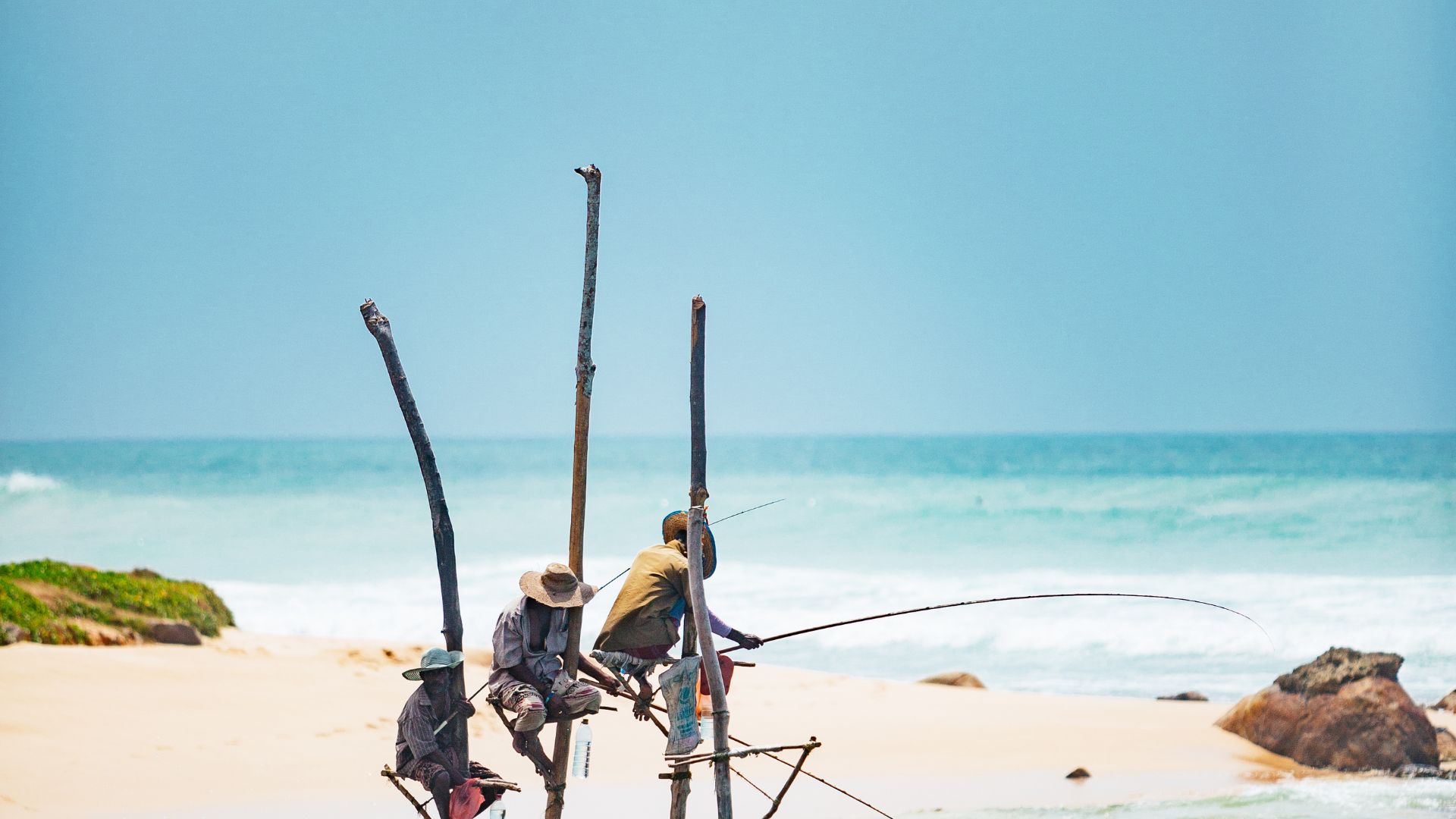
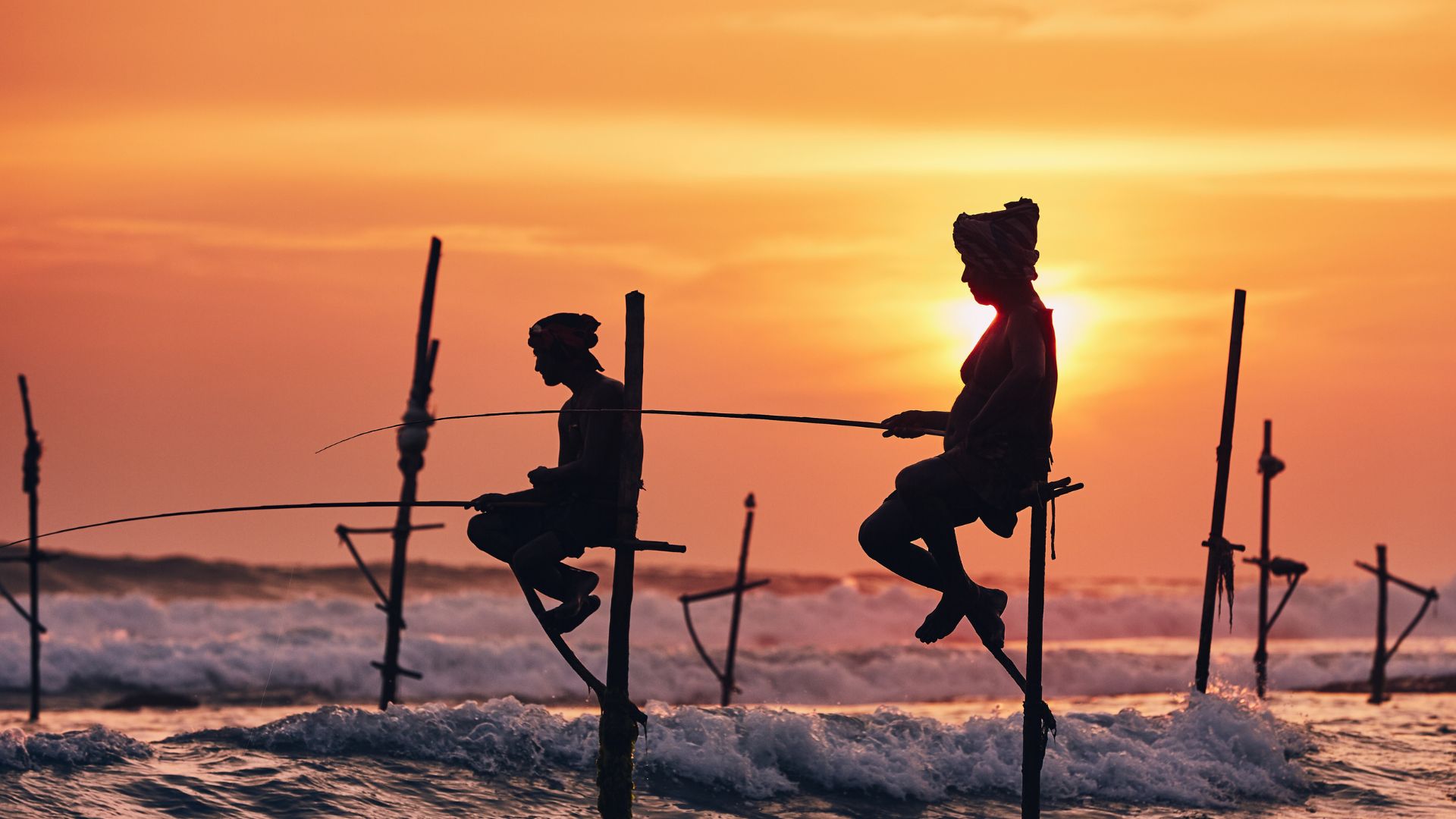
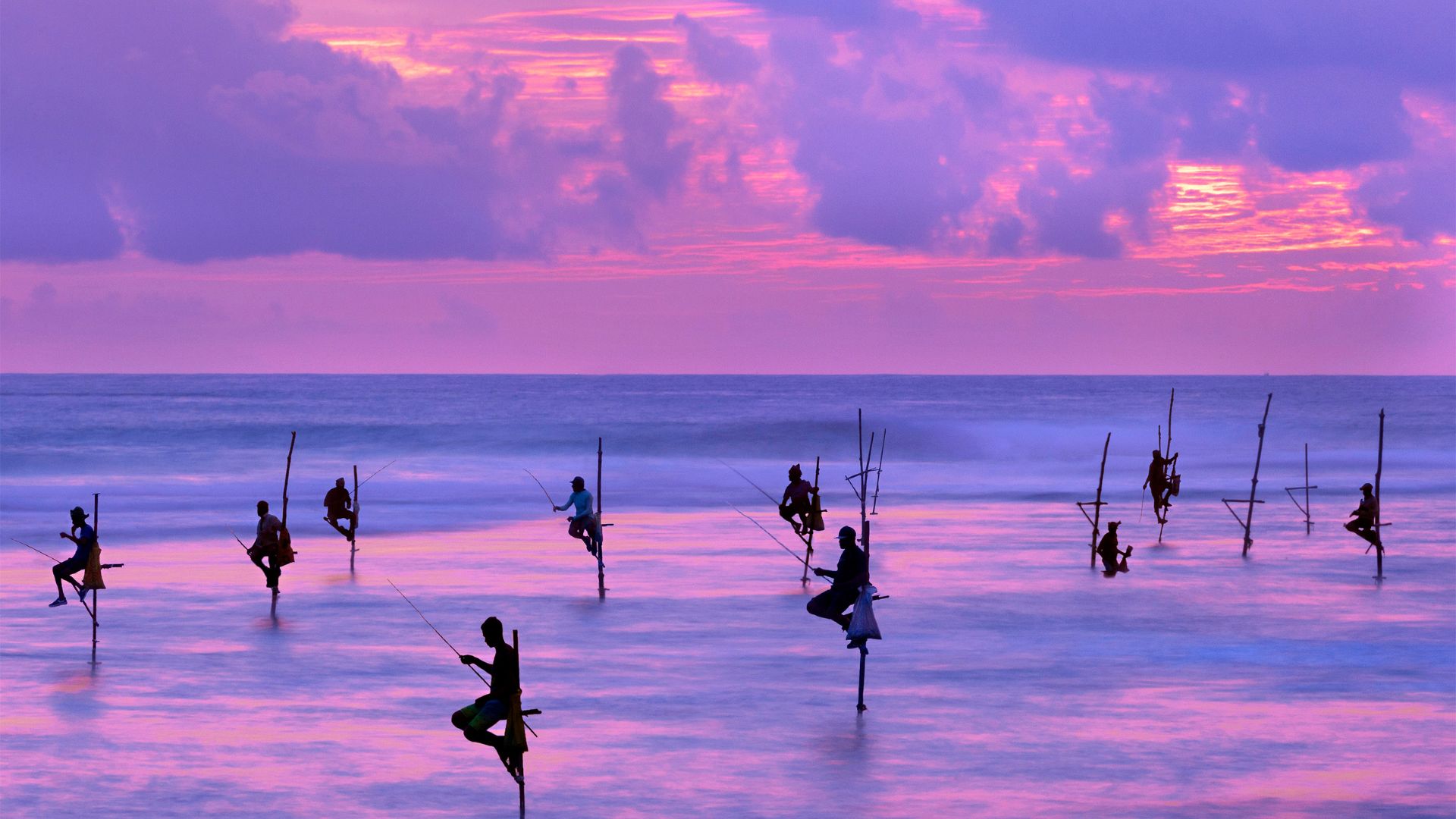
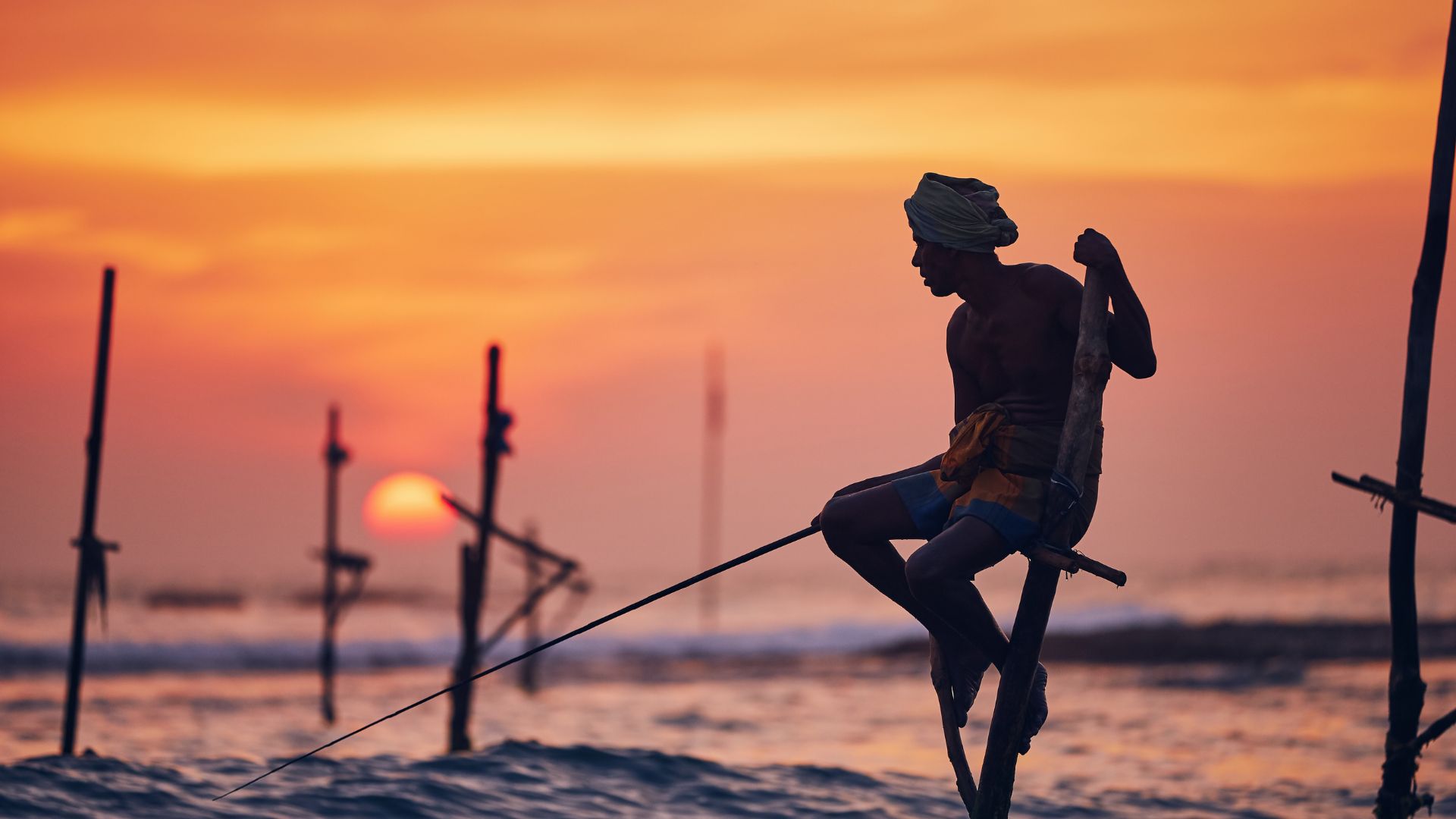
The stilt fishermen of Koggala are Sri Lanka’s most photographed humans. The image — a figure perched on a pole in the shallows, silhouetted against sunset — appears on every postcard, every brochure, every Instagram account that has passed through the south coast. The reality is more complicated than the image suggests, and spending time with the fishermen raises questions that the photographs carefully avoid. They appear, in many reviews and travel articles, as either an authentic glimpse of disappearing tradition or a cynical tourist trap; the truth sits somewhere uncomfortable in between, and depends partly on which fisherman you meet, what time of day you arrive, and what you choose to believe about the transaction taking place.

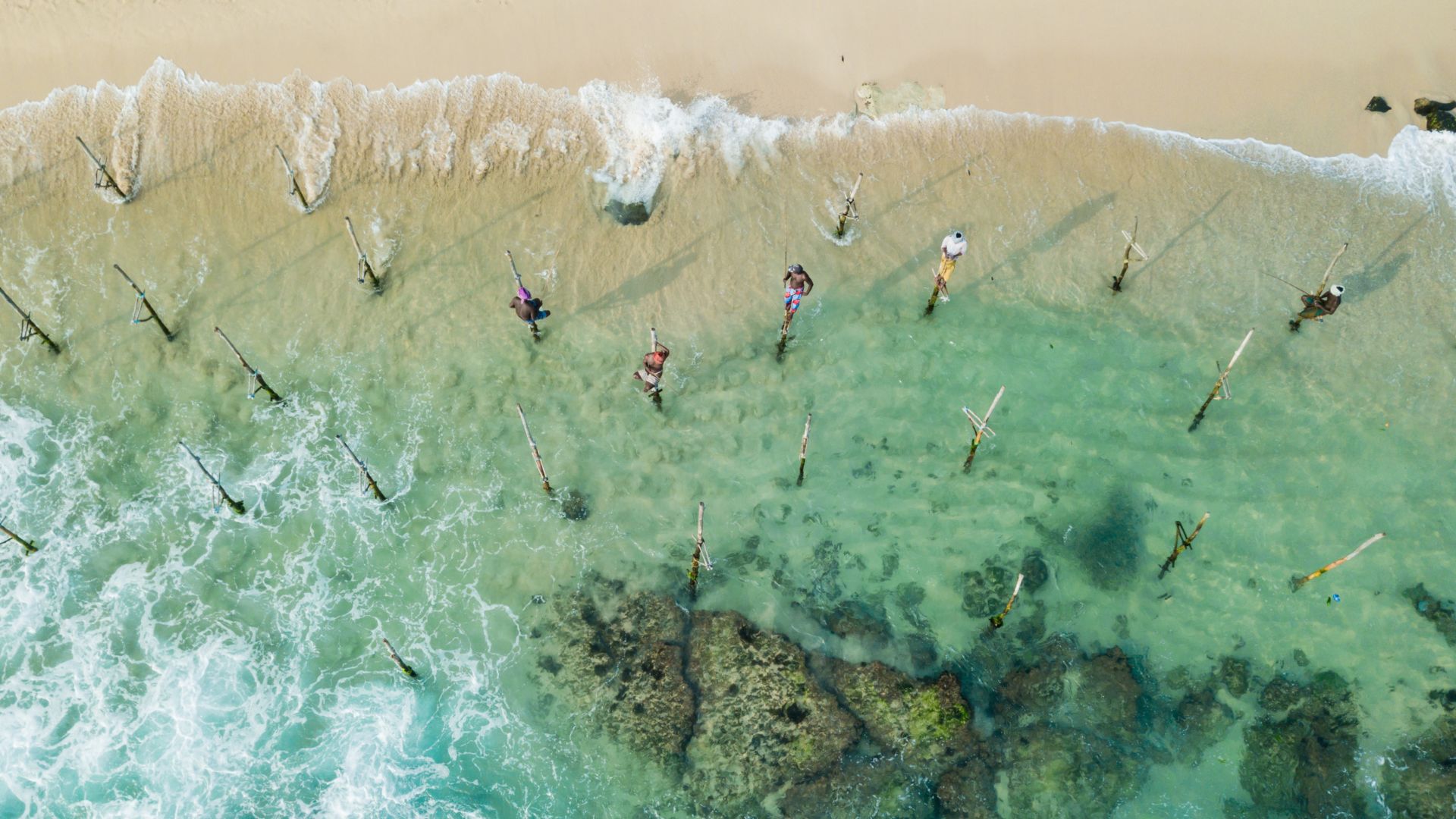
Stilt fishing developed after World War II, when equipment was scarce and damaged reefs no longer supported traditional methods. The technique is elegant: a pole (called a petta) anchored in the reef, a crossbar for seating, a rod and line for catching small fish — herrings, mackerel, the koraburuwa that gather in shallow waters during the May-to-October season. The fishermen perch above the water at dawn and dusk, when the fish are most active, catching enough to feed families and supply local markets. Or they did. The 2004 tsunami devastated this community, killing fishermen, destroying boats and equipment, and altering the very reefs that had supported the practice for decades. Many of the original stilt fishermen lost everything and moved inland; tourism offered alternative income for those who remained; and today the stilts serve purposes that traditional fishing doesn’t entirely explain.

We met Nimal at sunset, an actual fisherman who has worked these waters for decades. He spoke candidly: on a good day, fishing earns 2,000 rupees (about £6); posing for photographers earns ten times that. “I still fish because fishing is what I know. But my sons prefer the photography money.” He wasn’t bitter, but a wistfulness suggested something being lost. Up the coast, other clusters of stilts host men who don’t fish at all — they wait in beachside huts for tour buses to arrive, then take up positions, sometimes with fish tied decoratively to their lines, and charge 500 to 1,000 rupees per camera for the resulting photograph. Some travellers find this dispiriting; others recognise it as a reasonable economic adaptation by a community that lost its livelihood to a natural disaster and found a new one in tourist demand for an image.

The ethical position for tourists remains unclear. Does photographing exploit or support? Does tourism income preserve tradition or transform it into performance? The honest answer is probably both. Without the photographers, the practice would likely have died entirely after 2004; with them, it has been preserved in a hybrid form that satisfies neither anthropological purists nor the fishermen’s grandfathers. Authentic isn’t a useful standard here — Sri Lanka, like everywhere, is a country where livelihoods adapt to circumstances, and the stilt fishermen are no more or less authentic than the Balinese dancers performing tourist-timed Kecak, the Maasai posing with their cattle, or for that matter the London Beefeaters reciting their patter to American visitors at the Tower. Performance for income is itself a tradition with deep roots, and the question of where it shades into exploitation depends largely on whether the performers retain agency and receive fair compensation.

The practical position is clearer. Agree the price before you raise the camera (1,000 LKR / £2.50 per camera is the established rate, going up to 2,000 LKR for sunset). Pay it without haggling — the difference is trivial to you and meaningful to them. Ask permission for individual portraits and don’t try to photograph from a distance to avoid the fee; the fishermen will spot you and come running, and the encounter will end uncomfortably. If you want to see something closer to genuine practice, visit at dawn during the May-to-October season, when the fish are present and some fishermen do still work the stilts for their primary purpose. The silhouettes at sunset remain striking. The questions remain unanswered. Some visitors choose to take the photograph and contribute to the local economy. Others choose to skip the encounter altogether. Both are defensible. The middle position — paying the fee and asking the questions — is the one this article recommends.

Practical information

Stilt fishermen location — Koggala beach on the A2 coastal road between Galle and Weligama; clusters visible from the road. No entrance fee but photography fees apply (1,000–2,000 LKR per camera).

[When to visit] — Sunset (around 5:30–6:30pm) for the iconic silhouettes; dawn during May-to-October fishing season for genuine activity.

Ethical photography guidance — Responsible Travel. General principles on photographing people in Sri Lanka and elsewhere.

Nearby ethical alternatives — Boondock Sri Lanka. Community-based tourism experiences in southern Sri Lanka offering deeper engagement with fishing villages, including cooking classes and homestays.

Galle Fort base — Booking.com. Galle is the natural base for visiting Koggala (30 minutes by tuk-tuk or bus along the coast road).