
The Outback: Learning to Love the Empty
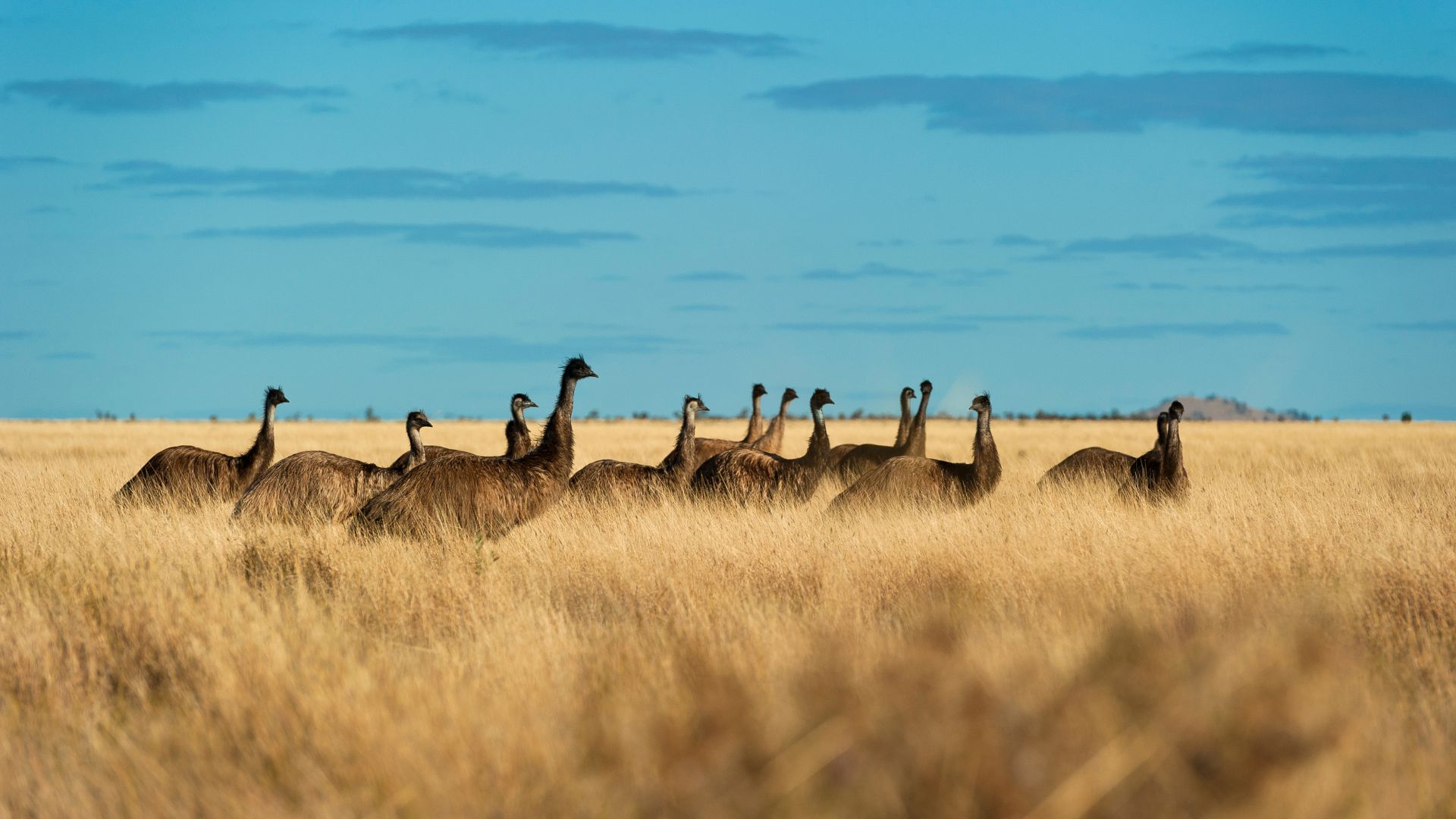
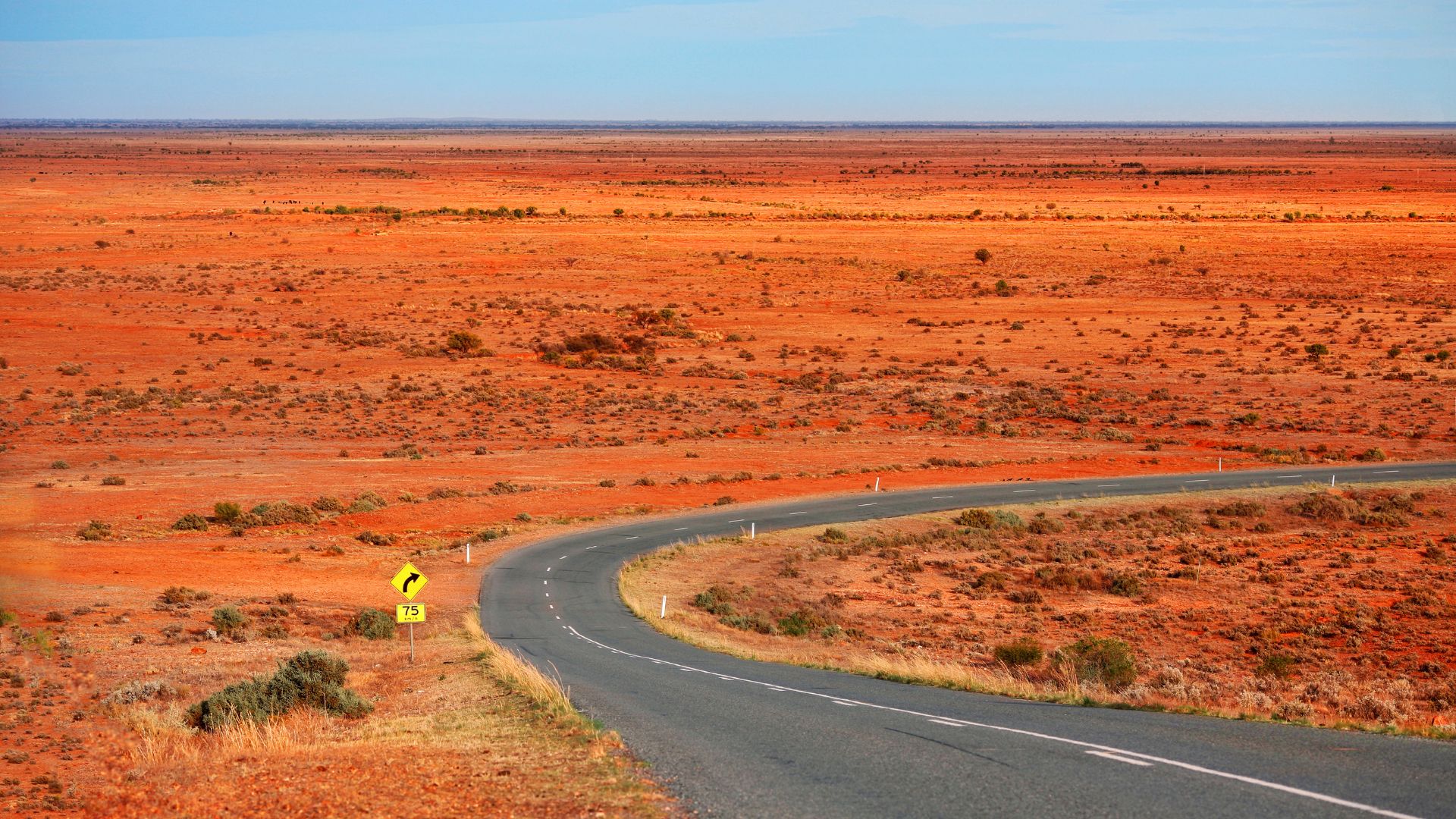
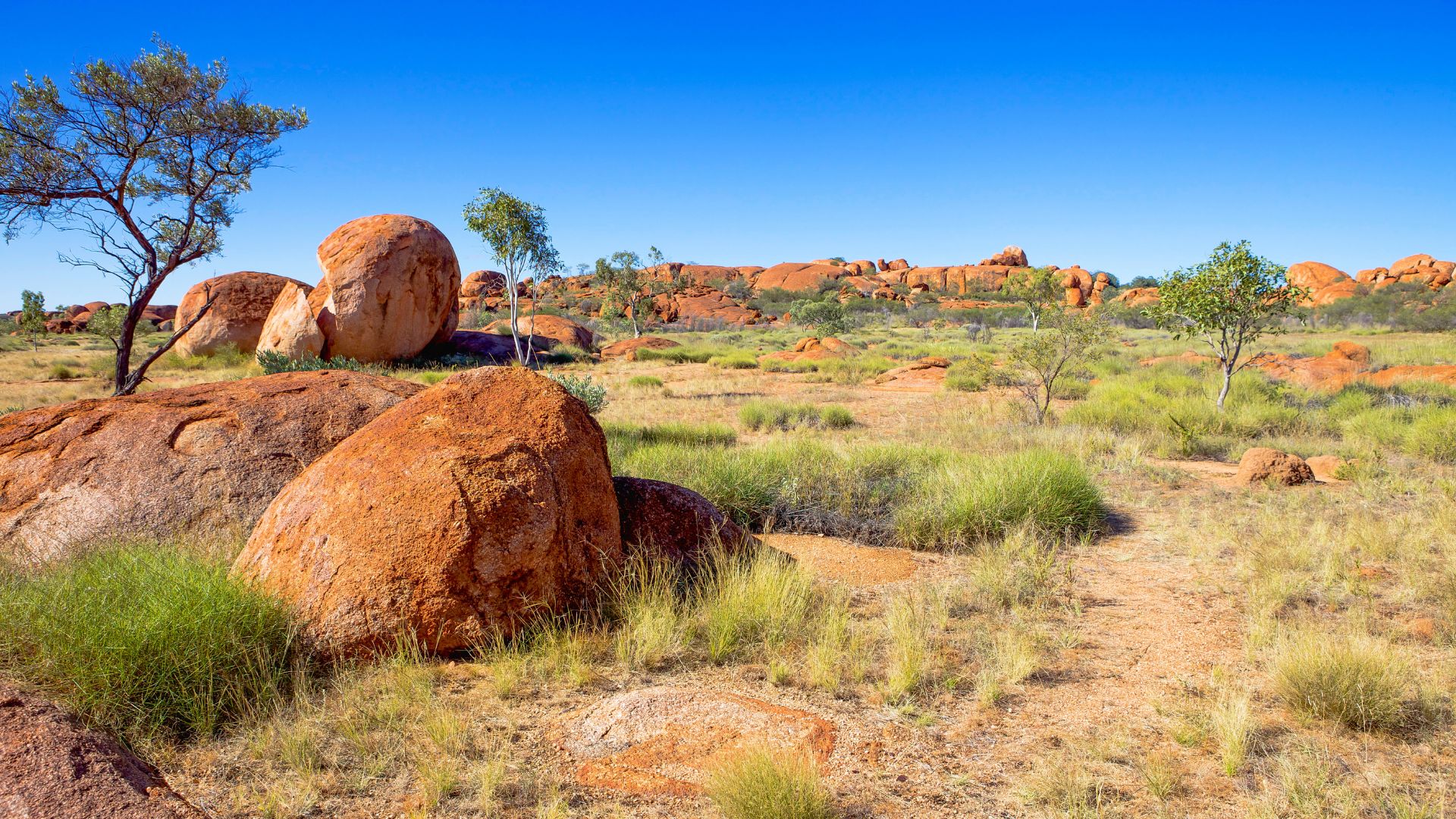
The Australian outback occupies seventy percent of the continent and approximately zero percent of most visitor itineraries. This is understandable: the outback is hot, dry, far from everything, and contains very little of the comfortable infrastructure that tourism usually requires. It is also — and this takes time to appreciate — extraordinarily beautiful in ways that reveal themselves slowly, if you are patient enough to look. The geology helps explain why: much of the Australian continent sits on bedrock more than three billion years old, making it the oldest continuously exposed landmass on Earth. The mountains worn down to gibber plains were Himalayas once; the iron-rich pigments that paint the rocks red were oxidising before complex life existed. Standing in the centre of the country is, in a literal sense, standing on something profoundly ancient.
The Red Centre around Uluru is the accessible version: fly in, stay at a luxury lodge, experience the icons, fly out. This works and is recommended, but it provides outback as spectacle rather than outback as landscape. The difference emerges on the drives between places — the five hours from Alice Springs to Uluru, the roads through the MacDonnell Ranges (Standley Chasm, Ormiston Gorge, Glen Helen), the vast empty stretches where the only movement is a wedge-tailed eagle circling above. Kings Canyon, four hours from Uluru in Watarrka National Park, provides a different aesthetic — sandstone walls 100 metres high, a rim walk that takes three hours, and views that compete with anything the Centre offers.
Further from the icons, the outback reveals different character. The Flinders Ranges in South Australia provide ancient geology and Indigenous history without the tourist infrastructure of the Centre; the Ikara-Flinders National Park’s natural amphitheatre of Wilpena Pound is one of the country’s great geological features. The Kimberley in Western Australia — accessible only in dry season (May to October) and only by four-wheel-drive or expensive flight — is wilderness on a scale that makes the American West seem tame; the Gibb River Road, the Bungle Bungles’ striped sandstone domes, and the cascading Mitchell Falls reward the effort the region demands. Lake Eyre (Kati Thanda) in central South Australia spends most years as a salt pan but occasionally floods after northern rains; the 2023–24 filling created a brief inland sea visible from space, and the next major fill remains unpredictable. And the stations (ranches) that cover areas larger than small countries occasionally welcome guests willing to experience working outback life — though Bullo River Station, one of the most celebrated, is closed through 2026 for redevelopment and reopens for the 2027 season.
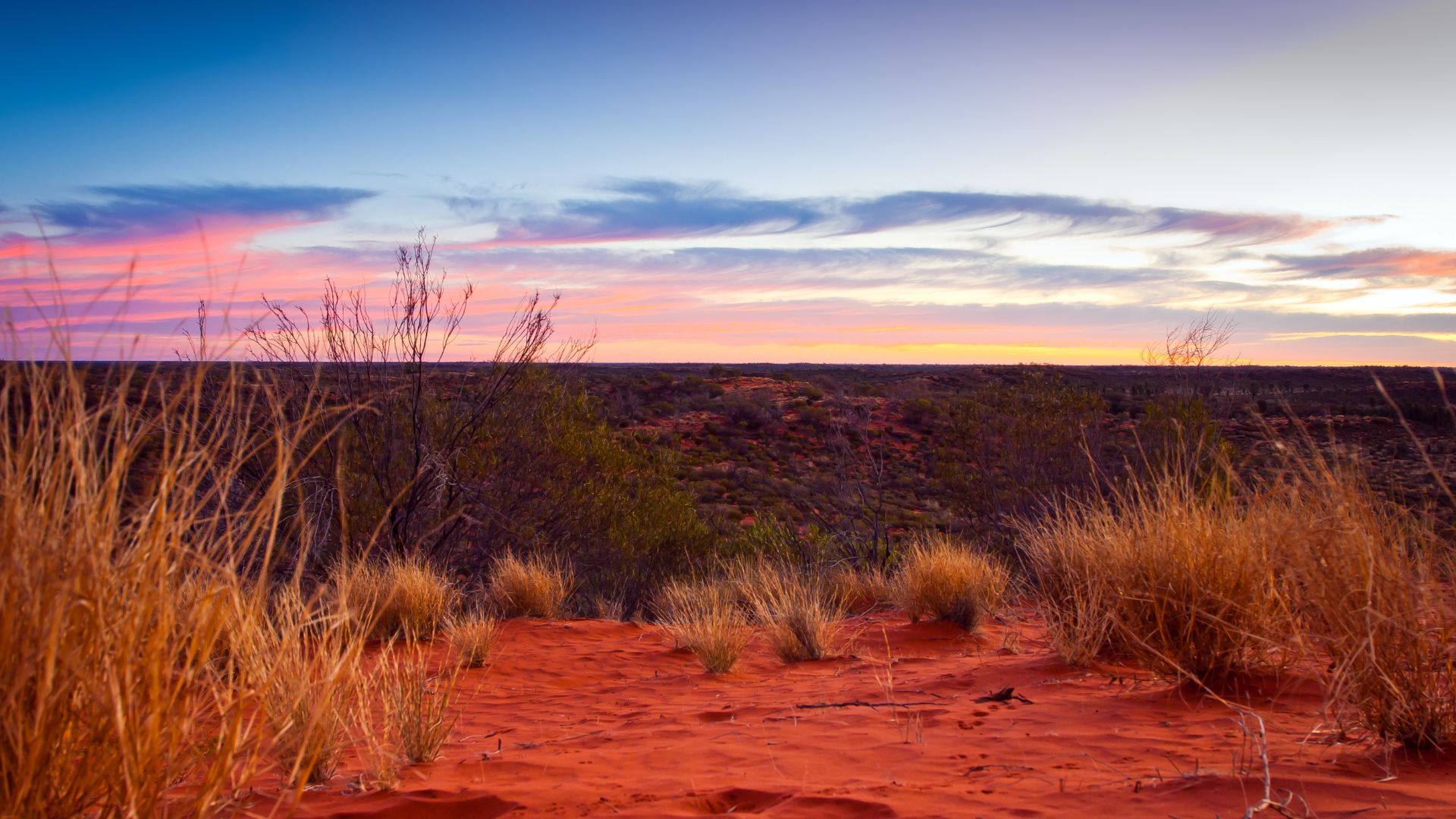
The qualities that define outback experience are absence and presence. The absence is obvious: no crowds, no infrastructure, no mobile signal, no reassuring signs of civilisation. The presence is harder to articulate — the weight of geological time, the impossibility of the horizon, the silence that is not empty but filled with small sounds you learn to hear. Visitors accustomed to European landscapes, where human history shapes every view, find the adjustment difficult. The outback does not care about human presence; it exists on timescales that make history irrelevant.
The Ghan, the trans-continental rail journey from Adelaide to Darwin, provides the literary version of the outback experience: three nights and four days (extended for 2027) on a luxurious train that crosses the country from south to north, with off-train experiences in Alice Springs, Coober Pedy, and Katherine. The new Australis and Aurora Suites launching in April 2026 add a level of train luxury that the Orient Express’s modern revivals cannot quite match. Coober Pedy itself, the opal-mining town where residents live underground to escape the heat, offers a strange parallel outback experience accessible by both rail and road.
Practical outback advice: do not underestimate distances, do not drive at night (wildlife), do not travel in summer (temperatures exceed 45 degrees Celsius), and do not assume your phone will work. Tell someone your route before driving remote sections; carry more water than you think you need (four litres per person per day minimum); and respect the warnings about specific tracks (the Birdsville and Strzelecki Tracks have killed unprepared travellers in living memory). The luxury approach — guided tours, station stays, remote lodges, the Ghan — provides safety and expertise that self-guided travel cannot. The reward is an Australia that most visitors never see: older, stranger, and more powerful than the coastal cities that most itineraries emphasise. The outback is not for everyone. For those it suits, nothing else compares.
Practical information
The Ghan — Adelaide to Darwin, three nights and four days (extended to four nights/five days from 2027). Gold from approximately AUD 3,000 (£1,580); Platinum from AUD 6,000 (£3,150); new Aurora and Australis Suites from AUD 10,000+ (£5,250+).
Longitude 131° — Baillie Lodges, Uluru. Luxury tented suites with views of the Rock. From approximately AUD 3,500 (£1,850) per person per night all-inclusive.
El Questro Homestead — Kimberley, Western Australia. The flagship Kimberley luxury option; helicopter access and Gibb River Road exploration. Dry season only. From approximately AUD 2,500 (£1,315) per person per night.
Bamurru Plains — Kakadu fringe, Northern Territory. Off-grid safari camp with airboat wetland tours. From approximately AUD 1,800 (£950) per person per night.
Sal Salis Ningaloo Reef — Western Australia. Bush camp on the Cape Range; whale shark season access. From approximately AUD 1,650 (£870) per person per night.
Arkaba — Flinders Ranges, South Australia. Historic homestead on a 60,000-acre wildlife conservancy. Walking safaris available. From approximately AUD 1,500 (£790) per person per night.
Underground accommodation, Coober Pedy — Desert Cave Hotel. Underground rooms cut into opal-bearing sandstone. From approximately AUD 220 (£115) per night.
Wilpena Pound Resort, Flinders Ranges — Mid-range option at the foot of Ikara/Wilpena Pound. From approximately AUD 350 (£185) per night.

Charlotte Whitfield is The Travelling Telegraph's Australia correspondent. Based in Sydney since 2016, she covers luxury travel, wine country, and the Pacific coast's wild edges.