The Cultural Triangle

The Cultural Triangle — Sigiriya, Polonnaruwa, Anuradhapura — appears in every itinerary, usually compressed into two or three days of air-conditioned transfers. This approach sees the monuments but misses the country. Budget a week; travel by local bus or rented tuk-tuk; stay in village guesthouses. The monuments are extraordinary. The spaces between them are where Sri Lanka actually lives. Each site represents a different layer of the country’s Buddhist civilisation — Anuradhapura the ancient capital from 4th century BC, Polonnaruwa its medieval successor from the 11th century, Sigiriya the brief but spectacular 5th-century royal fortress, and Dambulla the cave temples that span 2,000 years of continuous worship. The Central Cultural Fund now offers a combined ticket covering all three for USD 50, a significant saving over the USD 90+ that individual entries total.

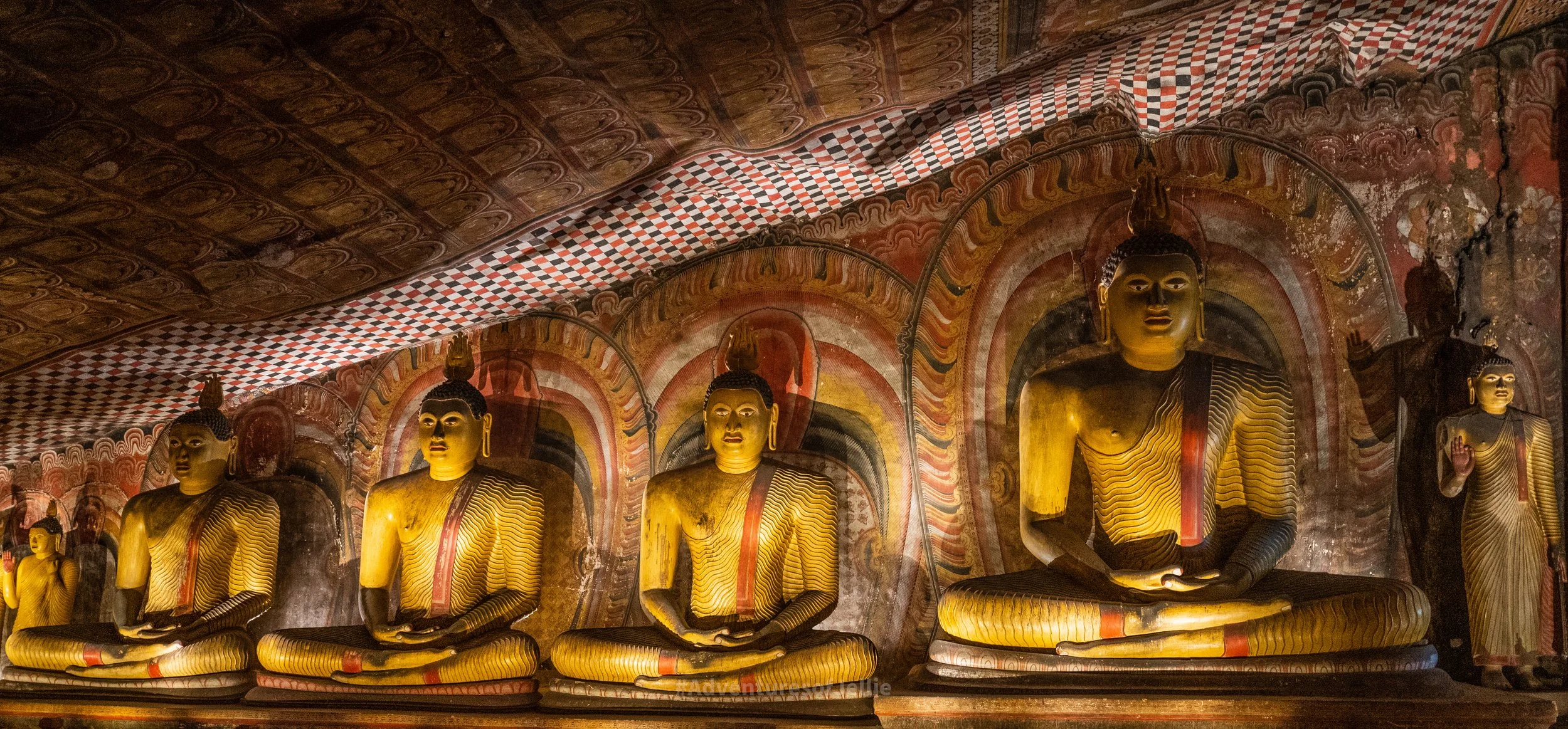
Dambulla makes the ideal base — central enough to reach all three ancient cities, developed enough to offer decent guesthouses, small enough to retain village character. The cave temples here deserve attention: Buddhist murals and statuary spanning two millennia, with 150 Buddha statues and 2,000 square metres of painted ceiling distributed across five caves carved into the mountainside. The site dates back to the 1st century BC and remains an active place of worship rather than a museum. Visit at dawn, before the tour buses, when monks perform puja and the caves belong to devotion rather than tourism. Entry: 1,500 LKR (£3.75) for foreigners. The nearby Pidurangala Rock provides a sunrise alternative for those who want the iconic view of Sigiriya rather than the view from it — a 30-minute scramble through forest with entry at just 1,000 LKR (£2.50), and far smaller crowds.

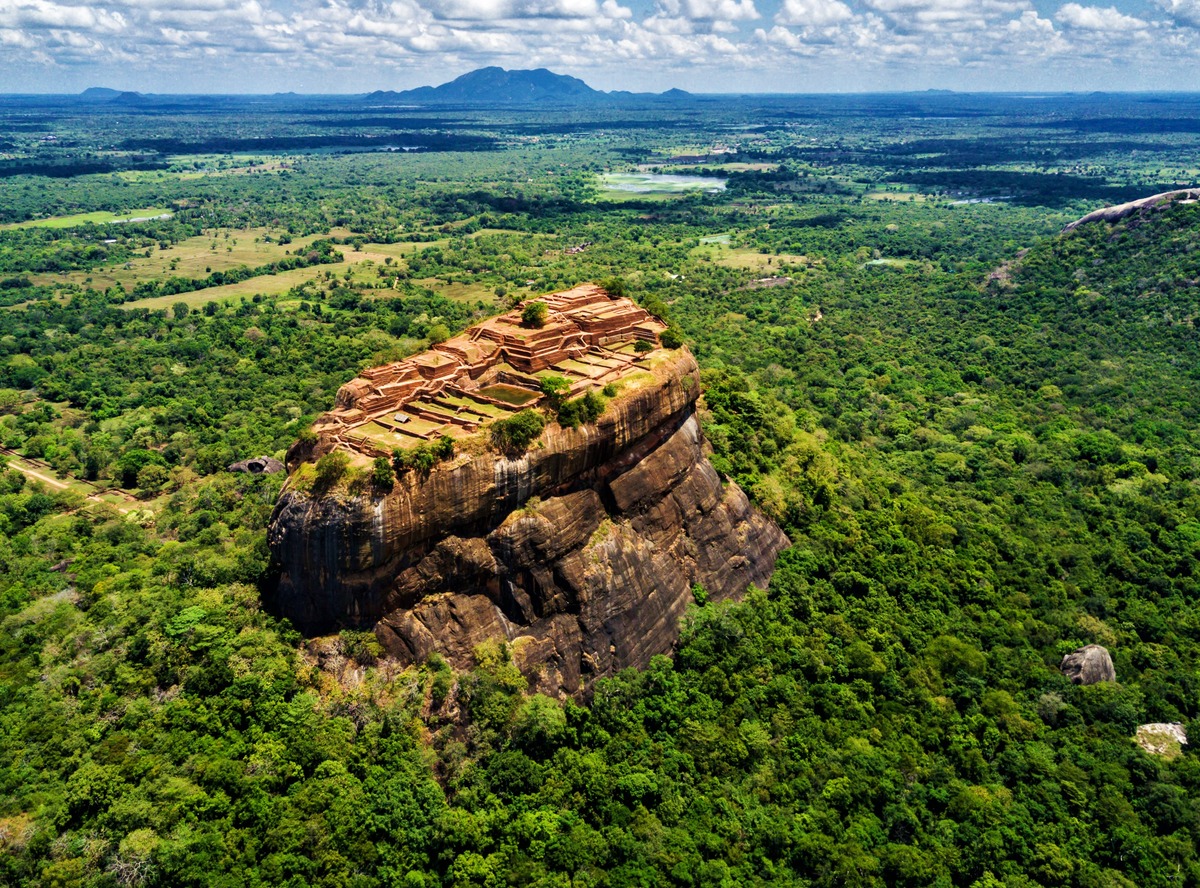
Sigiriya — the Lion Rock — is non-negotiable. Following the 2026 fee restructure, the entrance now stands at USD 35 (approximately £28) for non-SAARC visitors, Sri Lanka’s most expensive site, but the rock fortress justifies every rupee. King Kashyapa built his palace on the summit in the 5th century after seizing the throne by murdering his father, and the engineering remains astonishing — water gardens fed by hydraulic systems still functional today, frescoes painted on a sheer cliff face, the Mirror Wall whose graffiti from 8th-century visitors constitutes one of the oldest surviving examples of Sinhalese script. Arrive at 6:30am when the gates open; climb the 1,200 steps before the heat and crowds; spend an hour with the cliff-face frescoes in near-solitude. The summit views extend to every horizon. The monkeys will attempt to steal anything unsecured. The experience will stay with you regardless of how thoroughly your tour operator briefed you.

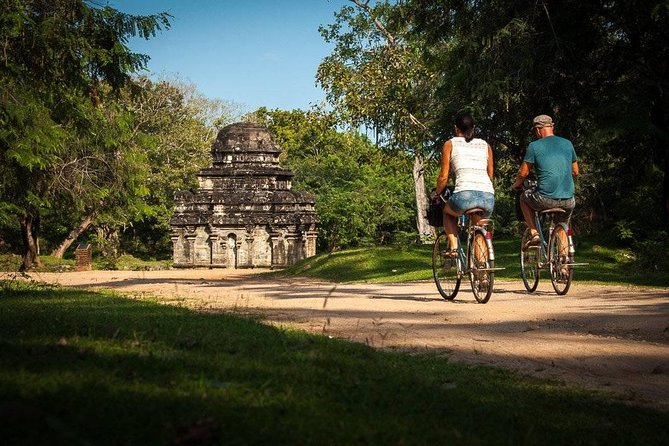
Polonnaruwa and Anuradhapura both reward bicycle exploration. Rent bikes near each entrance (around 1,000 LKR / £2.50 per day in current pricing) and spend full days pedalling between ruins. Polonnaruwa’s Gal Vihara — four Buddha figures carved from a single granite boulder — achieves a serenity that justifies the medieval capital’s UNESCO status; the standing 7-metre Buddha and the reclining 14-metre Parinirvana figure are masterworks of South Asian Buddhist sculpture. The Quadrangle, the Royal Palace ruins, and the Vatadage relic house complete a full day’s circuit. The Sri Maha Bodhi at Anuradhapura, allegedly grown from a cutting of Buddha’s enlightenment tree, draws pilgrims whose devotion makes tourism feel like intrusion; the surrounding stupas, including Ruwanwelisaya and Jetavanaramaya, were among the tallest buildings in the ancient world at over 100 metres. Anuradhapura’s sites are spread across a much larger area than Polonnaruwa’s, making the bicycle essential rather than optional. Both merit the effort to reach them, and both deserve more time than the bus-tour standard of half a day.

The region around the triangle rewards extension. Minneriya National Park, between Sigiriya and Polonnaruwa, hosts what’s been called “The Gathering” — the largest seasonal concentration of Asian elephants anywhere, with up to 300 individuals visiting the reservoir between July and September. Mihintale, 12km from Anuradhapura, marks the spot where Buddhism arrived in Sri Lanka in 247 BC; the climb to its summit is gentler than Sigiriya and the views are nearly as good. Habarana provides a slightly more refined base than Dambulla for travellers who prefer boutique accommodation, with several heritage lodges turning the rural setting into a destination in itself.

Practical information

Combined Cultural Triangle ticket — Central Cultural Fund. USD 50 covers Sigiriya, Polonnaruwa, and Anuradhapura. Buy online in advance.

Sigiriya tickets — Central Cultural Fund. USD 35 individual ticket; gates open 6:30am. Buy online to skip queues.

Dambulla Cave Temple — Entry 1,500 LKR (£3.75). Open 7am to 7pm; pay at the site.

Pidurangala Rock — Sunrise climb with views of Sigiriya. Entry 1,000 LKR (£2.50); allow 45 minutes up.

Minneriya Elephant Safari — Half-day jeep safari from approximately USD 35 per person. "The Gathering" season July to September.

Dambulla and Sigiriya guesthouses — Booking.com. Village guesthouses from £15; heritage lodges around Habarana from £100+.