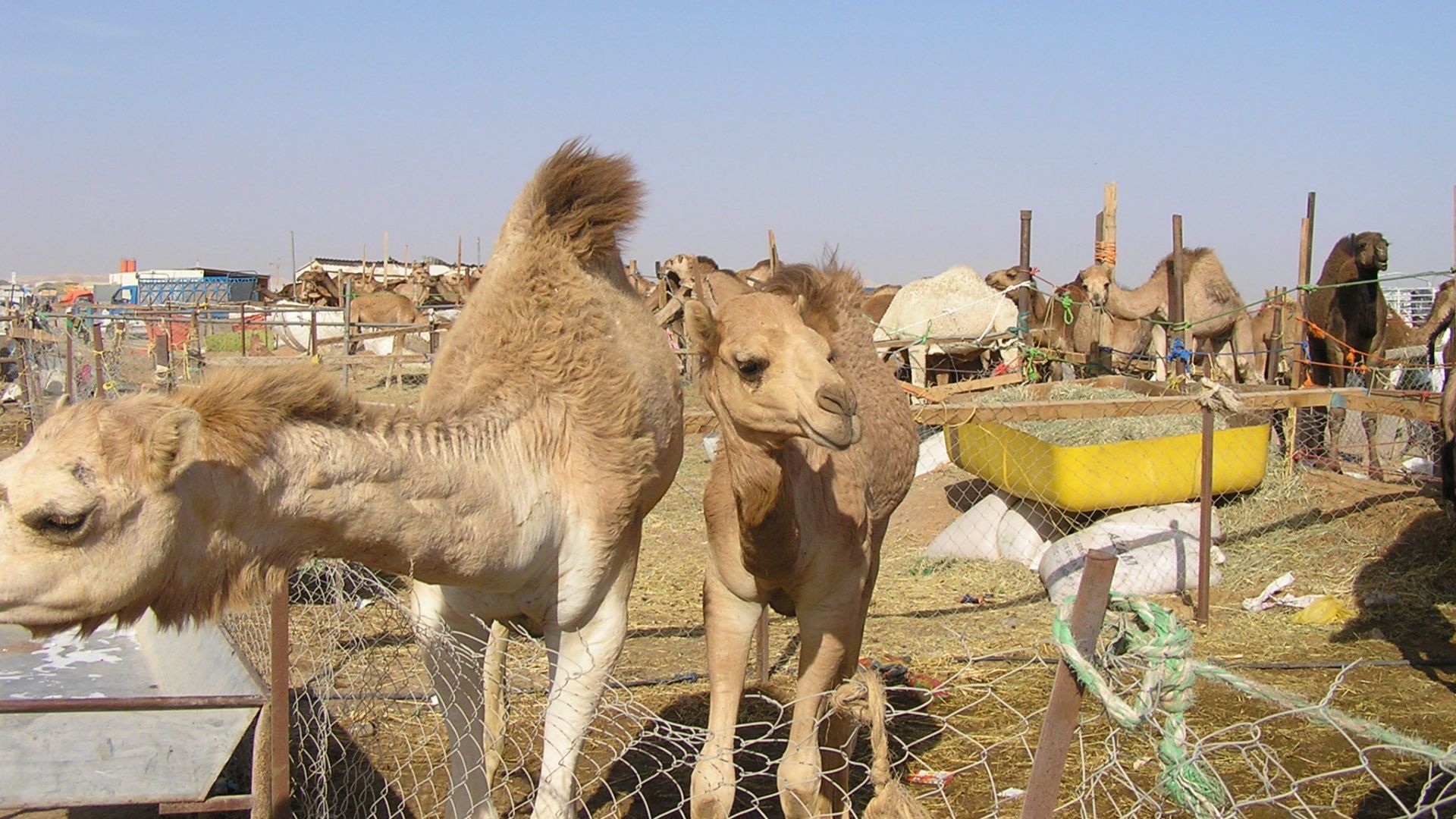
The Camel Market at Al Ain: Where the Gulf Still Trades

Al Ain, two hours from Abu Dhabi at the Omani border, is the UAE’s fourth-largest city and its most traditionally Emirati — a place where the country’s Bedouin heritage remains visible rather than museumified. The name means “the spring” in Arabic, and the underground aquifers that have fed the area’s date palms for over four thousand years explain why human settlement here predates the coastal cities by millennia. UNESCO inscribed the Cultural Sites of Al Ain on its World Heritage List in 2011 — the falaj irrigation systems, the oases, and the Bronze Age archaeological sites at Hili that document continuous habitation back to the third millennium BC. Al Ain is also the birthplace of Sheikh Zayed bin Sultan Al Nahyan, the UAE’s founding father, and the city remains the spiritual heart of the federation for Emiratis who view the coastal towers as recent arrivals to a much older story.

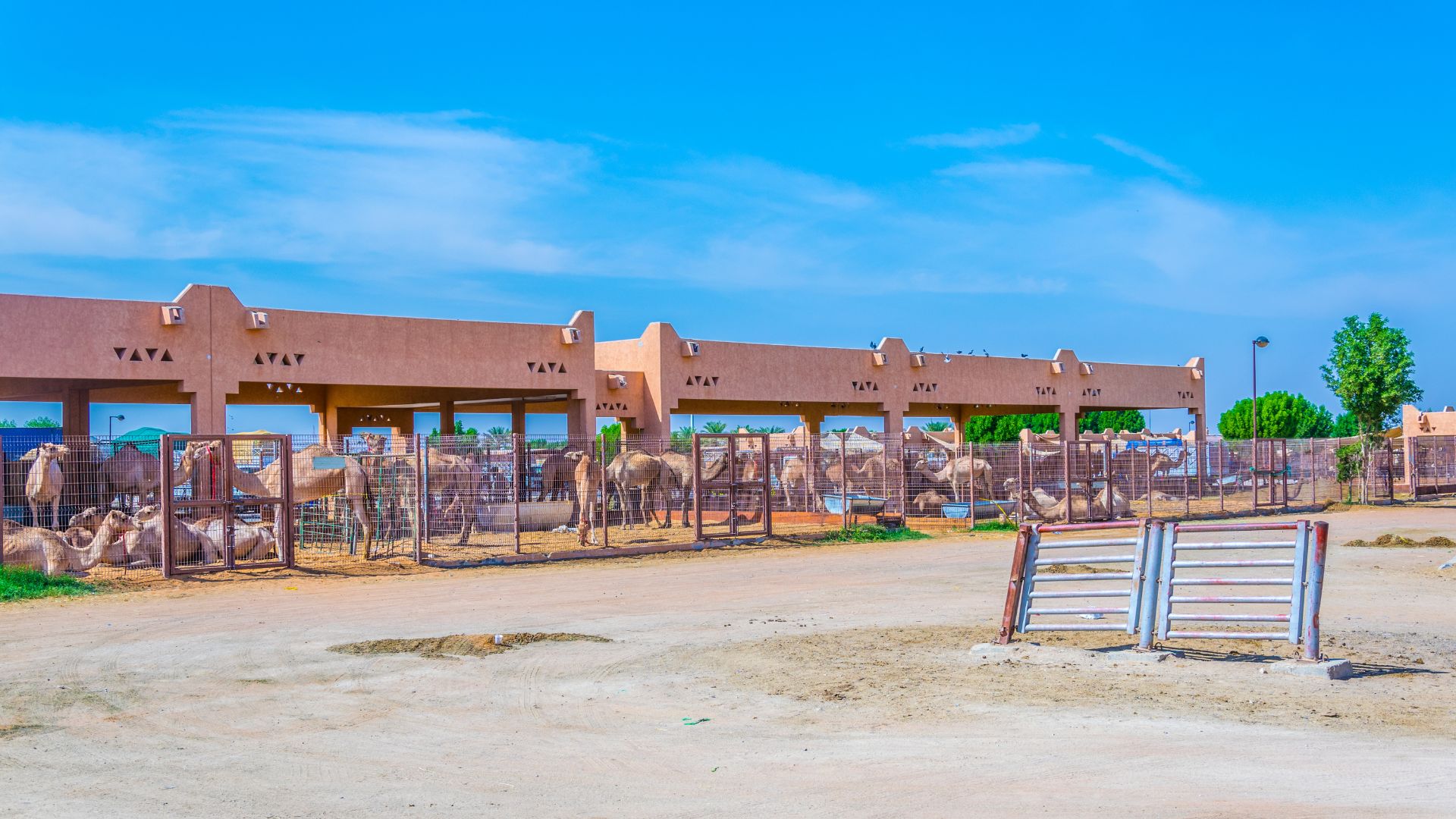
The camel market here operates as it has for generations: animals traded with handshakes and inspection rituals, prices negotiated in Arabic that our guide struggled to follow, and not a tourist in sight except for us. We arrived at 6.30am, half an hour after opening, when the trading was at its peak and the temperature still merciful. The market itself is unromantic in its setting — concrete pens, dust, the assertive smell of livestock — but the activity within them is something else entirely. Sellers tap camels’ legs with sticks to demonstrate gait; buyers inspect teeth and lift hooves; the negotiations themselves follow a choreography of approach, examination, offer, theatrical retreat, return, counter-offer, and eventual handshake that can stretch to half an hour for a single animal.

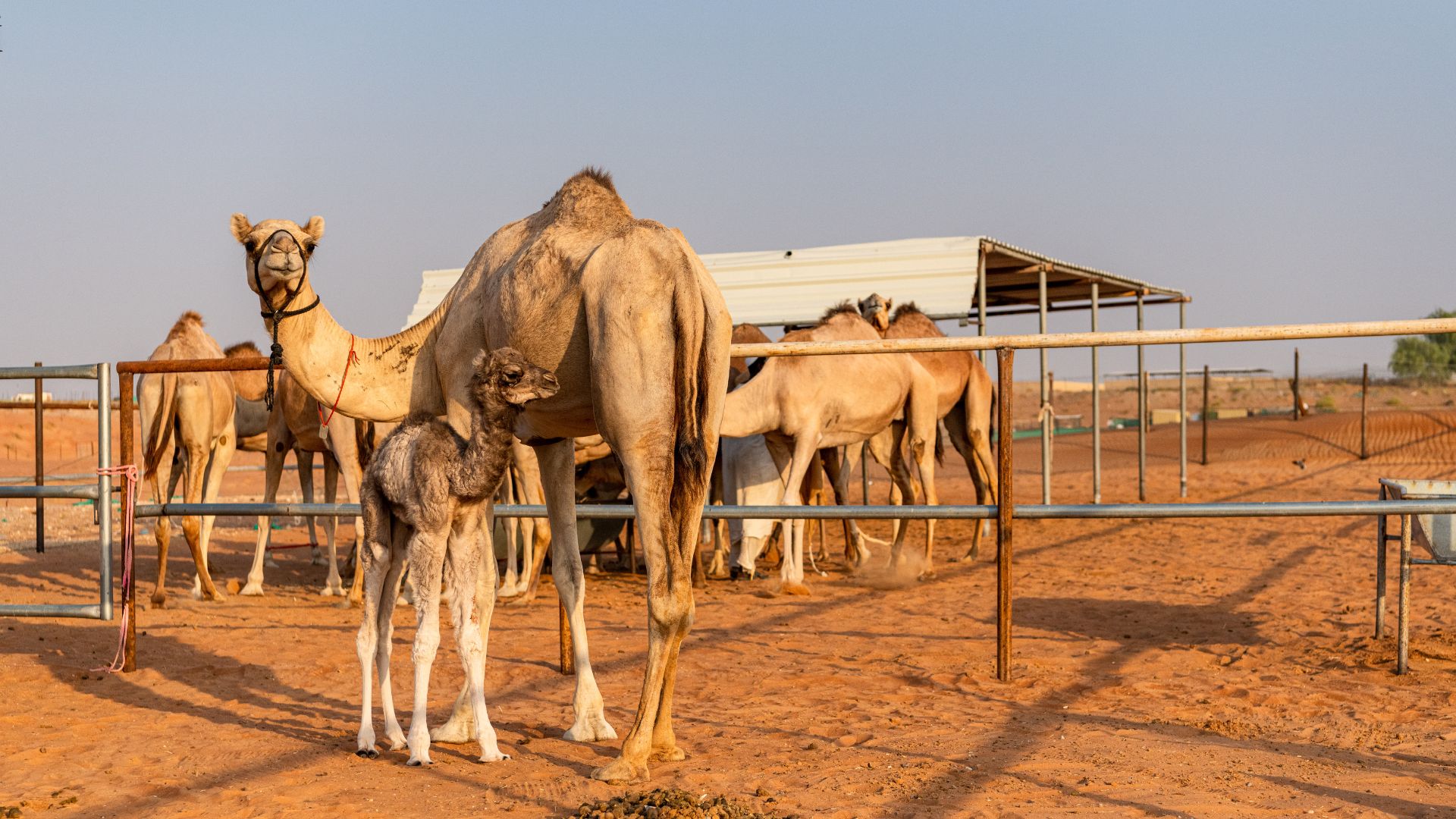
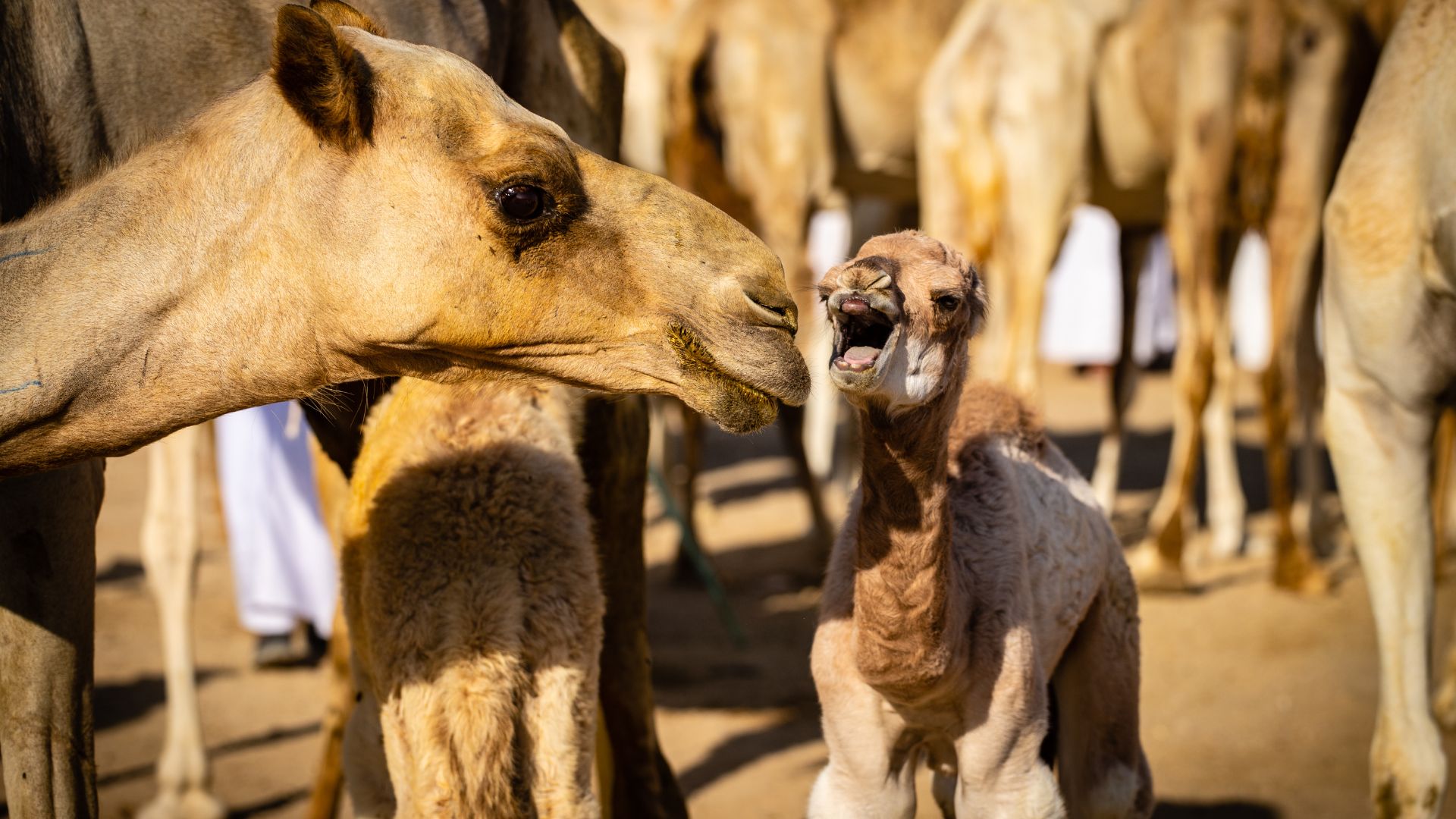
The camels themselves are magnificent — racing camels, bred for speed and valued accordingly, their lineage documented with the same precision that Europeans apply to racehorses. We watched as buyers circled animals whose prices exceeded our car rental’s value, examining legs and teeth and the indefinable qualities that separate champions from also-rans. A sale we witnessed concluded with a price of AED 80,000 (£17,500), negotiated over twenty minutes of Arabic that involved much gesturing and occasional dramatic walking away. Top-tier racing camels can reach AED 10 million or more; the beauty contests at the King Abdulaziz Camel Festival in neighbouring Saudi Arabia have produced single-animal sales in the tens of millions. The robot jockeys that now ride the racing circuits — small mechanical devices controlled remotely from following vehicles — replaced the child jockeys who used to fill the role in 2002, after international pressure exposed a trade that the UAE then moved decisively to abolish.

The market’s survival seems improbable in a country of malls and towers, but here commerce continues as it did before oil — buyers and sellers meeting, animals changing hands, relationships maintained across generations. Our guide, an Emirati whose family had traded camels before diversifying into real estate, explained the market’s persistence: “The camels are tradition. The malls are work. We need both.” He bought nothing during our visit but knew everyone; this was, clearly, a place he returned to regardless of commercial necessity. Some traditions survive through nostalgia. This one survives through use.

Al Ain rewards extension. Al Jahili Fort, restored in 2008, houses a permanent exhibition of Sir Wilfred Thesiger’s photographs from his crossings of the Empty Quarter in 1946 and 1948 — the British explorer’s relationship with Sheikh Zayed (then a young Bedouin leader) is documented in black-and-white images that capture a world the city has otherwise left behind. The Al Ain Palace Museum, Sheikh Zayed’s former family home, opens its courtyards and majlis rooms to visitors who want to understand how the ruling family actually lived before the federation. The Al Ain Oasis itself, one of seven historic oases in the city, runs the falaj channels through 1,200 hectares of date palms in a green sanctuary that the surrounding desert makes the more remarkable. And Jebel Hafeet, the 1,249-metre mountain that rises on the Oman border, provides the famous 12-kilometre switchback drive (consistently rated among the world’s great driving roads) and the hot springs at Green Mubazzarah at its base. A full day in Al Ain is enough; an overnight at the Mercure Grand on Jebel Hafeet’s summit turns it into something more memorable.

Practical information

Al Ain Camel Market — Zayed Bin Sultan Street, Al Ain. Open daily 6am–7pm. Free entry; arrive 6–9am for peak trading. Closed shoes essential.

Al Jahili Fort — Al Ain. Open Tuesday to Sunday 9am–5pm (closed Mondays). Free entry; the Thesiger photographic exhibition is the highlight.

Al Ain Palace Museum — Sheikh Zayed's former family residence. Open Tuesday to Sunday 9am–5pm. Free entry.

Al Ain Oasis — UNESCO World Heritage site. Open daily 9am–5pm; visitor centre with falaj demonstrations. Free entry.

Jebel Hafeet and Green Mubazzarah — Al Ain–Oman border. Free to drive; Mercure Grand Hotel at summit for refreshments or overnight stays from approximately AED 450 (£100) per night.

Al Ain Day Tours from Dubai/Abu Dhabi — Shared bus tours from approximately AED 150–200 (£35–45) per person; private 4x4 tours from AED 900–1,300 (£195–280) per vehicle for up to seven.