Batik — the technique of applying wax resist to fabric before dyeing — achieved UNESCO Intangible Cultural Heritage status in 2009, recognition of both the artistry involved and the cultural significance the craft carries. Indonesian batik is not merely fabric but language: patterns that indicate regional origin, social status, and ceremonial purpose; techniques that require years to master; and traditions that persist despite industrial reproduction because the handmade versions retain qualities that machines cannot replicate. The UNESCO listing also formalised an Indonesian National Batik Day, observed on 2 October each year, when offices and schools across the country wear batik as a statement of cultural identity that has only deepened in the decade and a half since.
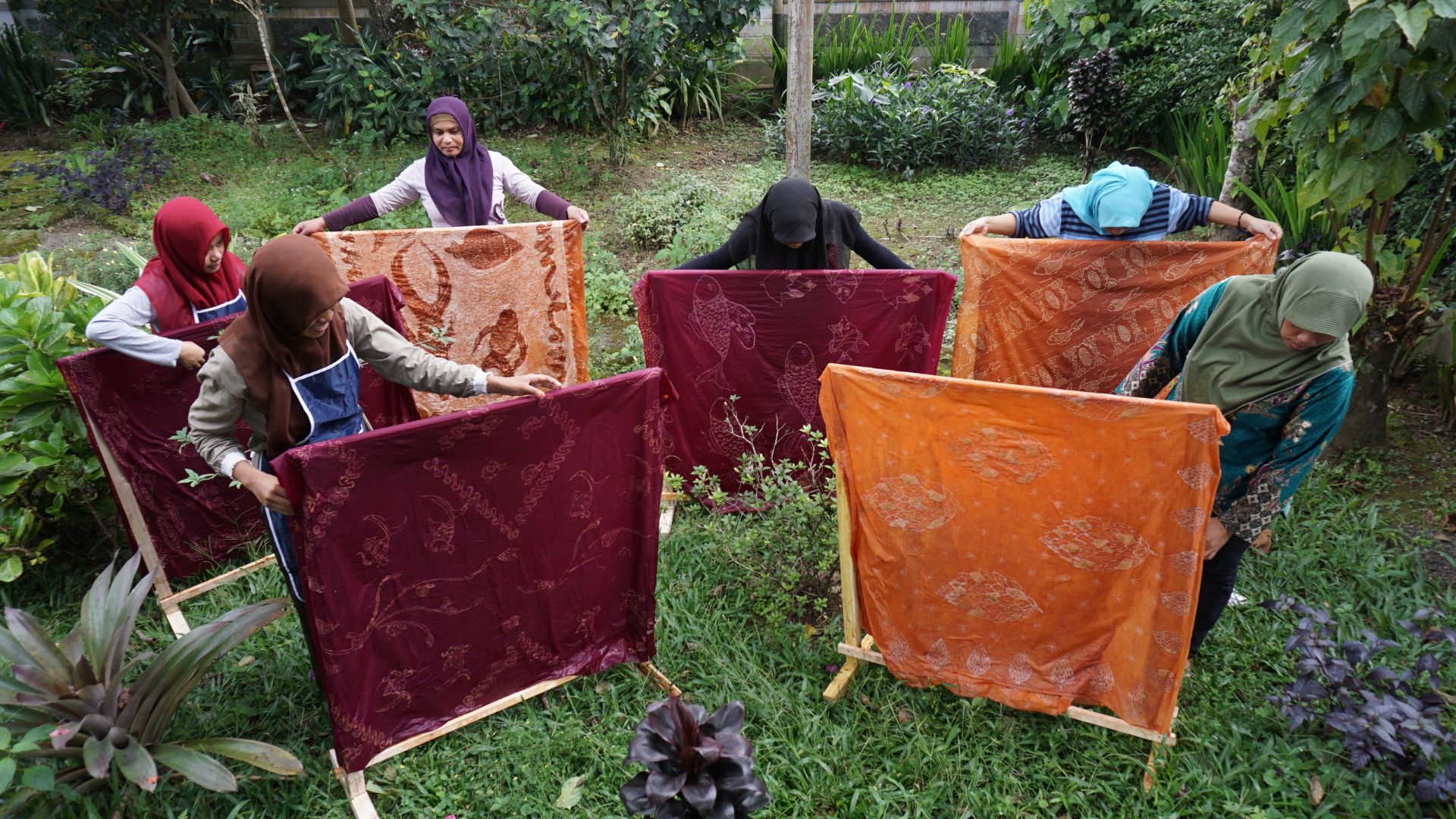
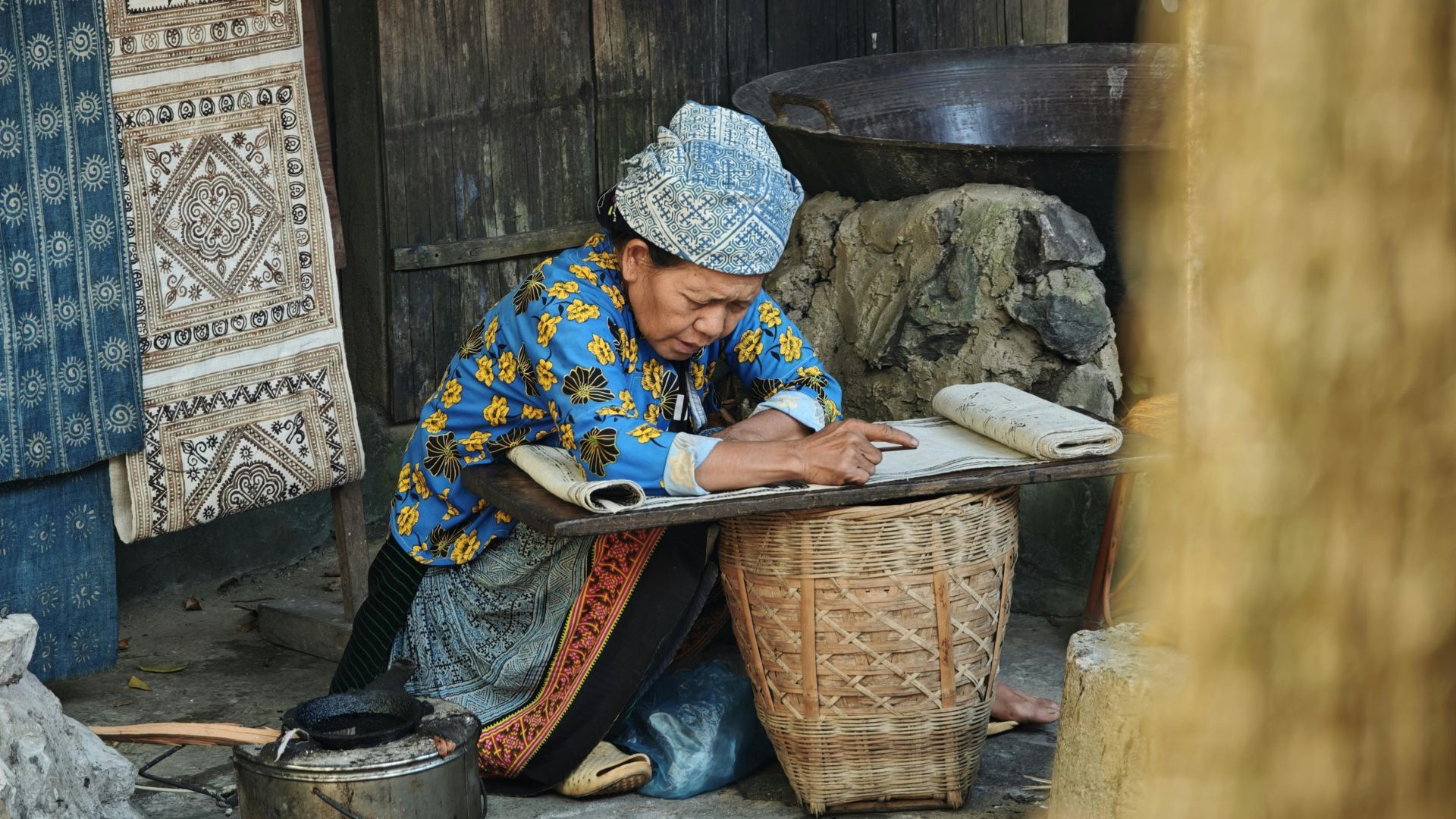
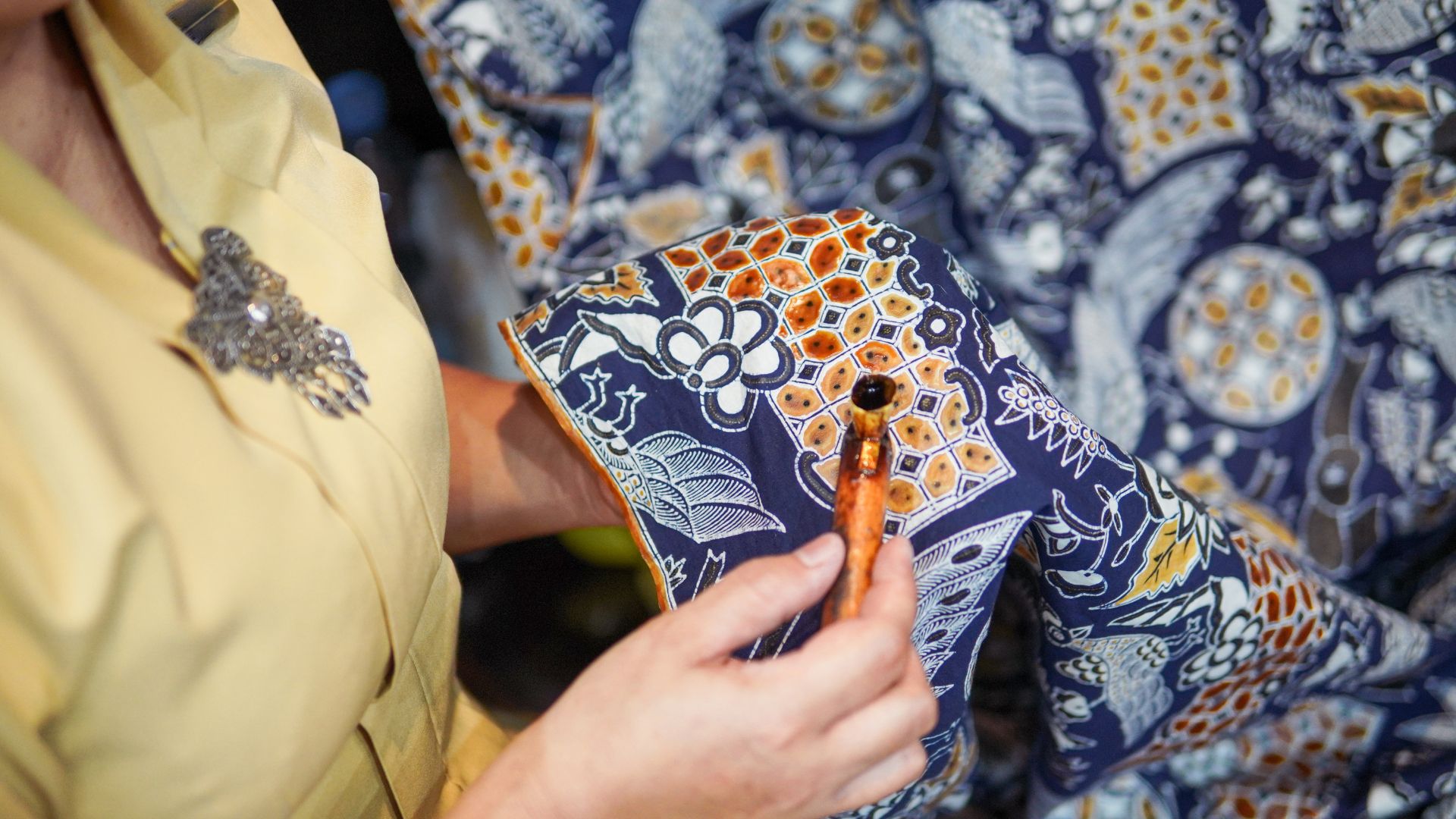
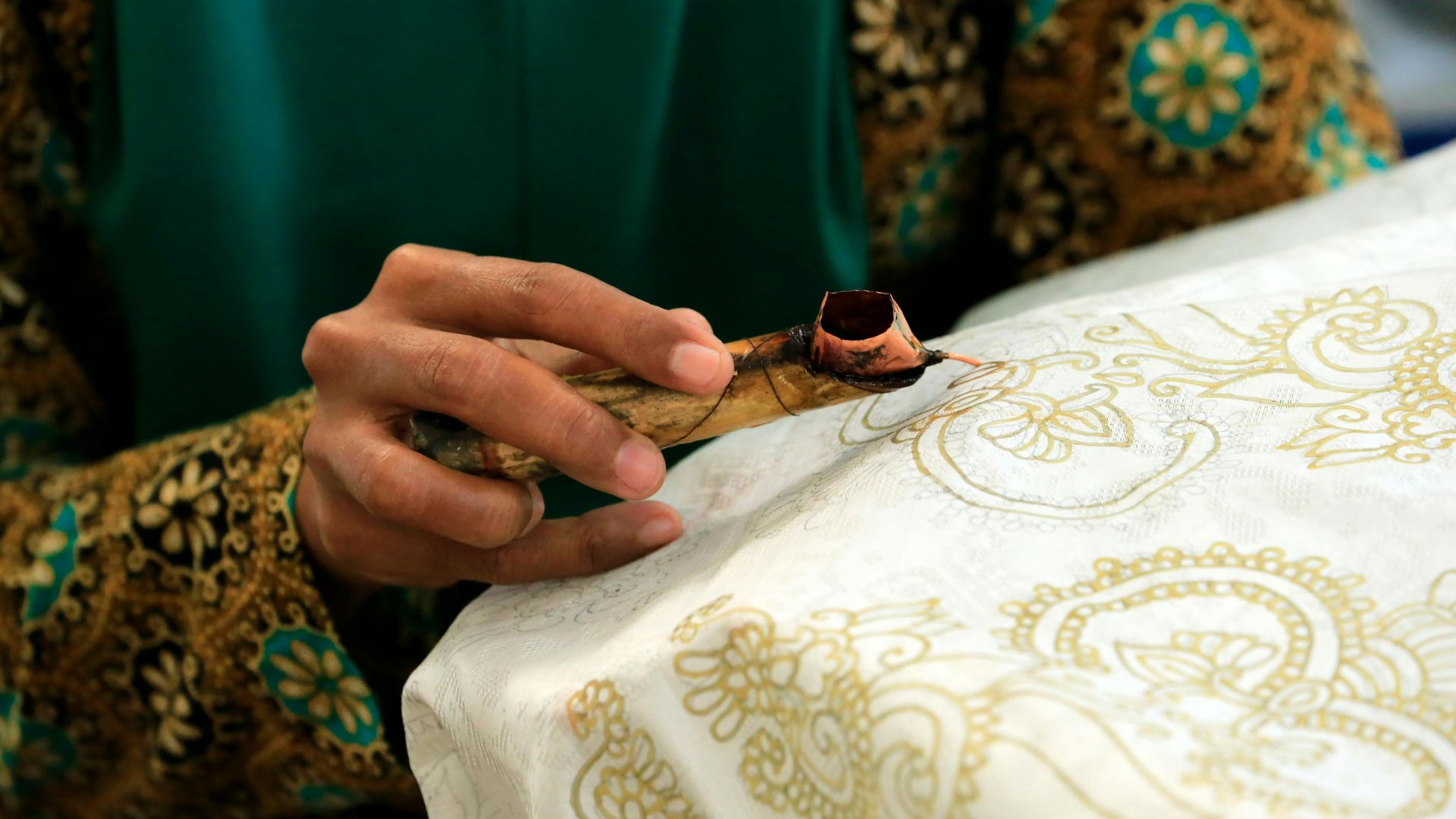
The process is labour-intensive in ways that final prices reflect. Traditional batik tulis (hand-drawn) requires applying wax with a canting — a pen-like tool with a small copper reservoir and spout — in patterns that can take weeks or months to complete. The fabric is then dyed, the wax removed by boiling, and additional colours applied through successive wax applications and dyeings. The finest pieces involve dozens of colours and patterns of extraordinary complexity; the time required for their creation makes them genuinely precious. A single high-end batik tulis sarong can take three artisans six months to produce, which is why pieces from the established workshops command prices in the thousands of pounds rather than the tens of pounds that tourist batik typically asks.
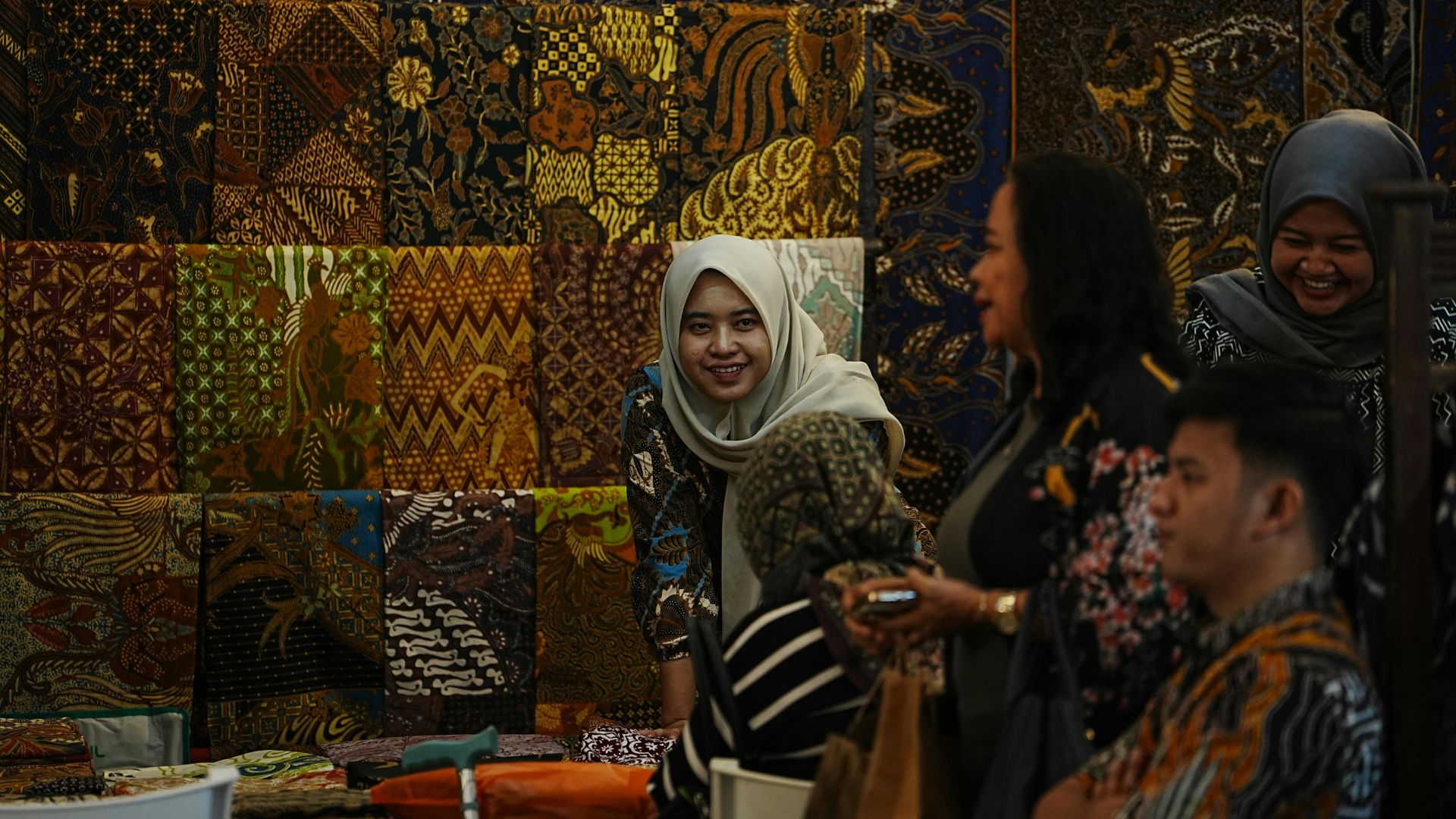
Java remains the batik heartland. Yogyakarta and Solo produce the classical patterns associated with court culture — the geometric parang patterns, the wing designs, the browns and indigos that distinguish Javanese batik from coastal variations. Certain motifs were historically reserved for royalty: the parang rusak barong pattern could only be worn by the sultan and his immediate family, and breaking that rule carried real consequences in earlier centuries. Even today, the cultural weight of these patterns means thoughtful Javanese will not wear them casually. The north coast cities of Pekalongan and Cirebon developed different traditions, incorporating Chinese and Dutch influences in colours and patterns that reflect their trading port histories — bright pinks and turquoises, flower bouquets borrowed from Dutch textiles, dragons and phoenixes carried over from Chinese ceramics. Pekalongan batik in particular shows the layered cultural inheritance of Indonesia’s coastline. Contemporary designers including Iwan Tirta (now deceased but his fashion house continues) and a new generation of Jakarta-based labels have pushed batik into fashion contexts that traditional makers might not recognise, bringing the craft to new audiences while debating what constitutes authentic practice.
The tourist experience of batik ranges from factory tours that conclude in aggressive sales environments to workshops where visitors apply wax and dye to create their own pieces. The latter provides understanding that mere observation cannot: the patience required, the skill involved, the way the canting tip has to be held at a precise angle to release wax in a controlled line, and the satisfaction of creating something that carries personal meaning alongside cultural significance. The pieces produced in workshops are unlikely to rival master work, but the process illuminates why master work commands the prices it does.
Buying batik intelligently requires understanding the distinctions. Batik tulis (hand-drawn) is expensive because the work is genuine; look for slight irregularities in the lines and patterns visible on both sides of the fabric, which prove hand application. Batik cap (stamped) uses copper stamps to apply wax, reducing time and cost while maintaining handcraft elements; still a legitimate batik, sometimes a hybrid of stamp and hand-drawn detail. Printed batik replicates patterns without wax-resist technique, producing affordable fabric without the qualities that make genuine batik special — typically these are obvious to a trained eye as the pattern appears only on one side. The market contains all three; vendors do not always clarify which they sell, and prices in tourist markets are often inflated regardless of quality. The luxury traveller seeking meaningful purchases should seek out the workshops where genuine production continues, where the connection between maker and object remains visible, and where prices reflect actual labour rather than tourist appetite.