Temple Culture: The Sacred Architecture of Belief
Indonesia’s temples tell the story of a civilisation that absorbed successive waves of religious influence while transforming each into something distinctly Indonesian. The Hindu-Buddhist temples of Java and Bali represent one chapter; the mosques that now form the world’s largest Muslim population represent another; and the animist traditions that persist beneath both official religions represent something older still. Understanding temple culture requires understanding that Indonesian spirituality has always been syncretic, incorporating rather than replacing. The same village in central Java might host a 9th-century Buddhist shrine, a 19th-century mosque, and a sacred banyan tree where offerings appear weekly — all serving the same community without contradiction.
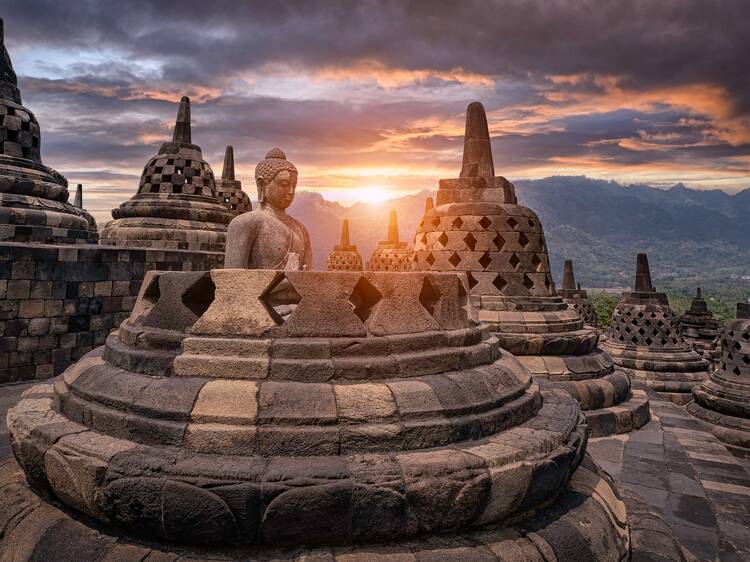
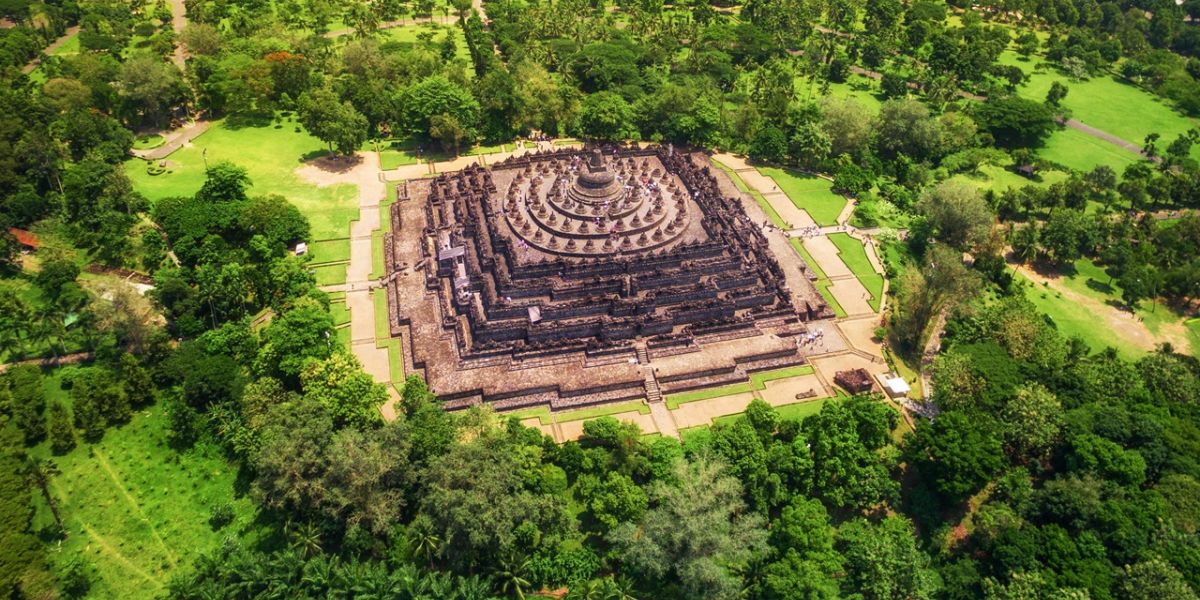
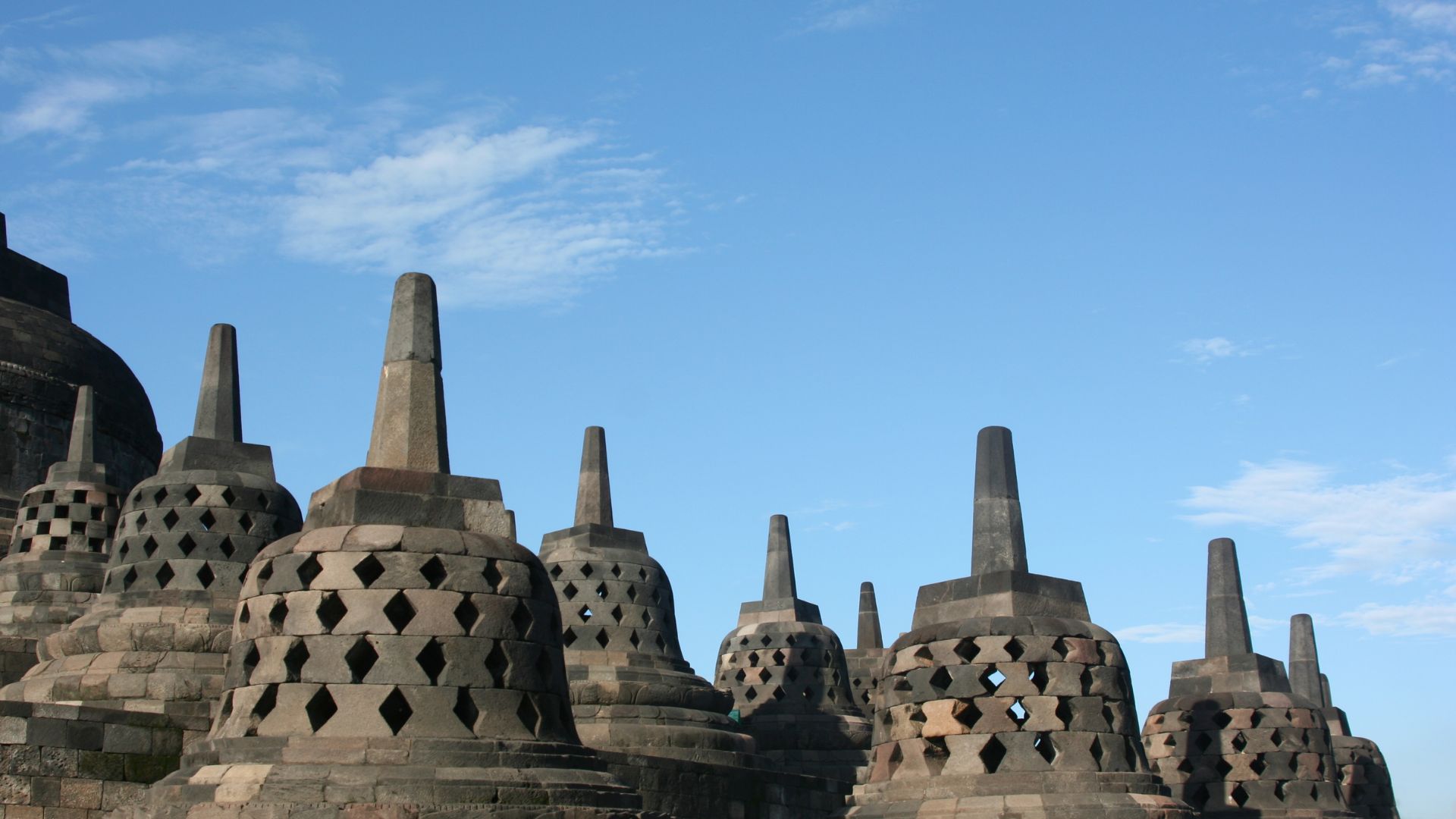
Borobudur, in Central Java, is the obvious place to begin. The 9th-century Buddhist monument rises from the Kedu Plain in nine platforms, representing the Buddhist cosmological journey from earthly existence to enlightenment. The 2,672 relief panels carved into its walls tell stories that pilgrims could read as they circumambulated each level; the 504 Buddha statues provided focus for meditation. The monument was abandoned when the Javanese kingdoms converted to Islam, buried under volcanic ash and vegetation until colonial archaeologists rediscovered it in the 19th century. Recent conservation measures have restricted access: visitors now climb the structure in timed groups wearing special sandals to protect the stone, and the once-popular sunrise climbs from the Manohara hotel grounds are no longer permitted on the monument itself. The pre-dawn view from neighbouring Setumbu Hill remains the substitute.
Prambanan, also in Central Java, provides Hindu counterpoint. Built roughly contemporaneously with Borobudur by a competing dynasty, the temple complex dedicated to Shiva rises in towers that reference Indian precedents while achieving distinctly Javanese proportions. The Ramayana performances held here during the dry season use the temples as backdrop for Hindu epic storytelling that has persisted on Java despite the island’s conversion to Islam — tradition as cultural practice rather than religious requirement. The open-air theatre, set against the floodlit spires, makes for one of Indonesia’s most atmospheric evening experiences; performances run Tuesday, Thursday and Saturday between May and October.
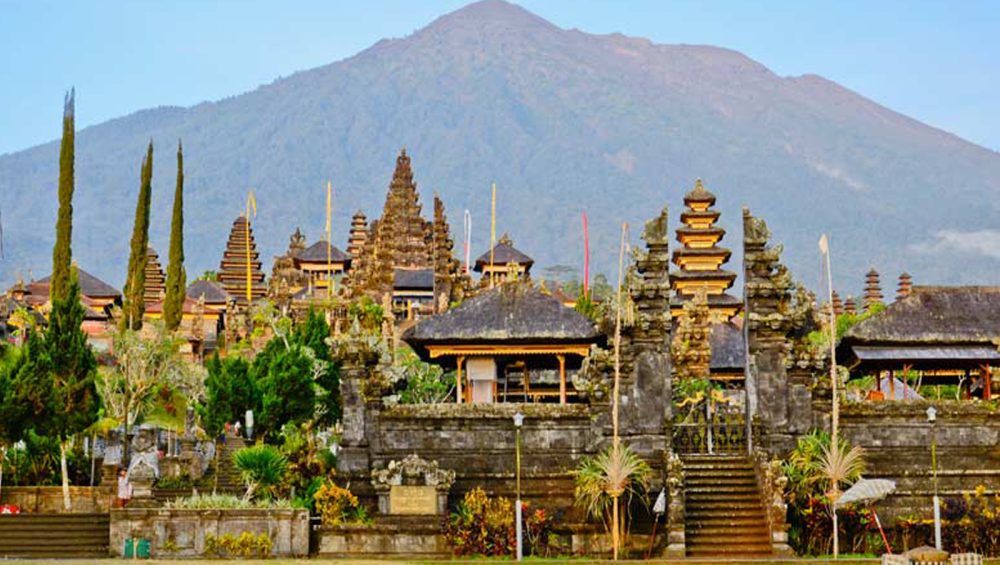
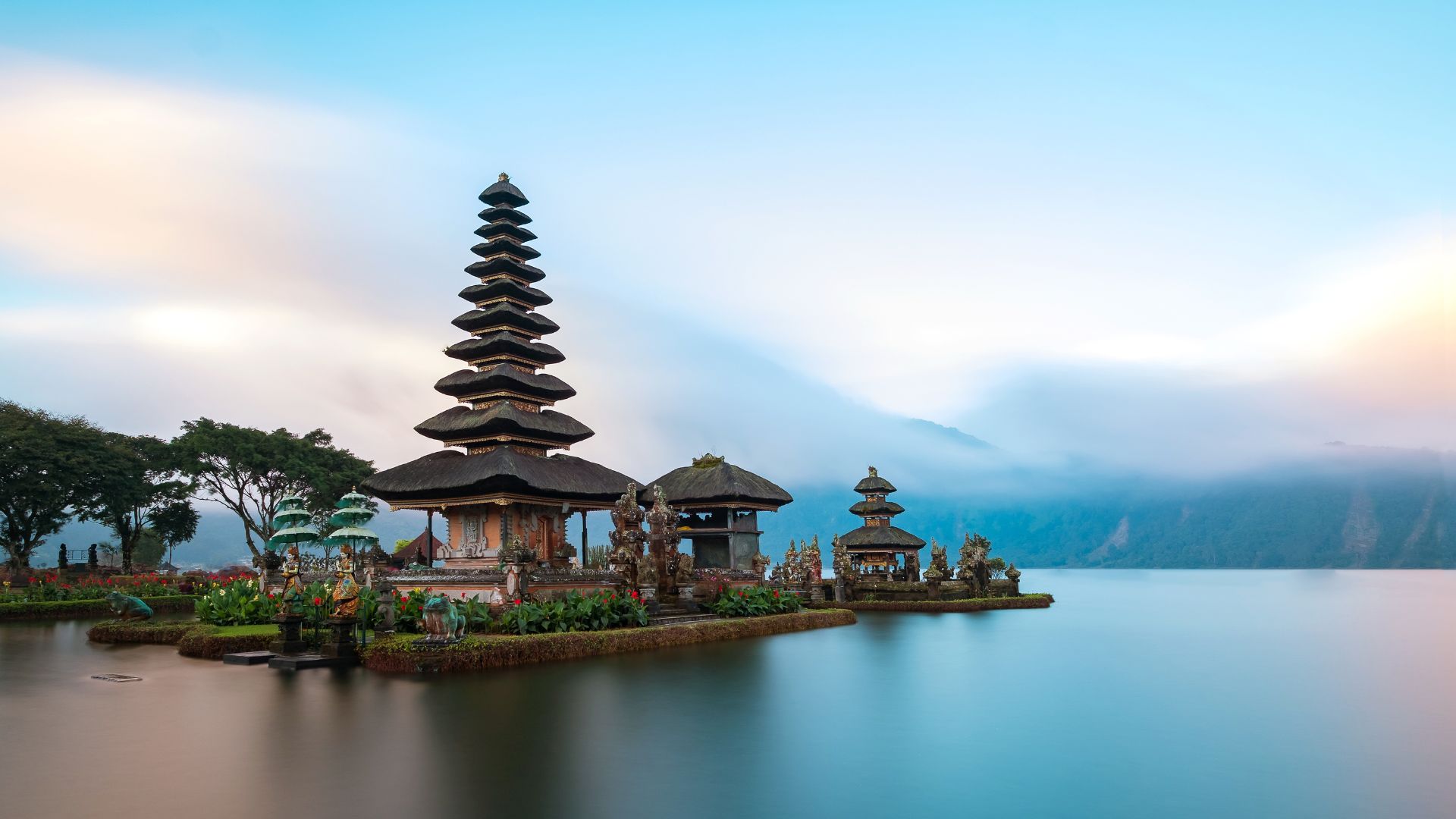
Bali maintains living Hindu temple culture that Java has largely lost. The island’s thousands of temples range from family shrines to vast complexes like Besakih on Mount Agung’s slopes. The ceremonies continue regardless of tourist presence: daily offerings placed at every threshold, temple festivals that can close roads and reroute traffic, the cremation ceremonies that send the deceased to their next lives in flames that consume months of community preparation. Witnessing these practices requires awareness that you are guest rather than audience, that these are not performances for your benefit. The clifftop temple at Uluwatu, the sea temple at Tanah Lot, and the water temple at Tirta Empul each offer different facets of Balinese Hinduism — the dramatic, the photographic, and the participatory respectively.
The appropriate approach to temple visits combines respect with curiosity. Dress codes matter: covered shoulders and knees, sarongs often required or provided. Behaviour matters: speak quietly, photograph thoughtfully, stay out of areas reserved for worshippers. Menstruating women are traditionally asked not to enter Balinese temples — a rule rooted in Hindu purity concepts that visitors should respect even if they disagree. And timing matters: visiting temples during ceremonies can be either profound or intrusive depending on how you conduct yourself. The luxury operators who arrange private temple visits understand these nuances; the experience they provide — a knowledgeable guide, advance arrangements with temple priests, visits timed to avoid crowds — differs fundamentally from the self-guided tourist approach. The cost differential reflects the difference in experience.
Practical Information
Borobudur Temple — Central Java. The world's largest Buddhist monument; book the Temple Structure ticket up to two months ahead via the official site to access the upper platforms.
Prambanan Temple — Central Java. Indonesia's grandest Hindu complex; combine with the Ramayana Ballet (May–October) booked through the same official portal.
Besakih (Mother Temple) — East Bali. The island's holiest site on Mount Agung's slopes; private guided tours recommended due to scale and ceremony schedules.
Uluwatu Temple — South Bali. Clifftop temple with the famous sunset Kecak fire dance; book combined entry-and-dance tickets in advance.
Tirta Empul — Near Ubud. Sacred water temple where Balinese Hindus perform purification rituals; visitors can participate respectfully with a local guide.

James Calloway is a British travel writer currently based in Shanghai with a passion for uncovering the Asia that most visitors never get to see. Drawing on years of living and travelling across the country, he shares honest guides, hidden discoveries and the kind of local knowledge that only comes from truly being there.