
Tea Culture: The Ritual That Shaped a Civilisation
Tea originated in China somewhere around five thousand years ago, which gives the Chinese reasonable claim to knowing what they are doing with it. The British appropriated tea, industrialised it, and turned it into a class signifier served with milk and biscuits; the Chinese retained it as an art form, a meditation practice, and a daily ritual that structures social interaction. Understanding Chinese tea culture provides insight into Chinese civilisation that monuments and museums cannot match. It also provides a reason to sit down, slow down, and pay attention — which is, in the end, what the best travel requires.
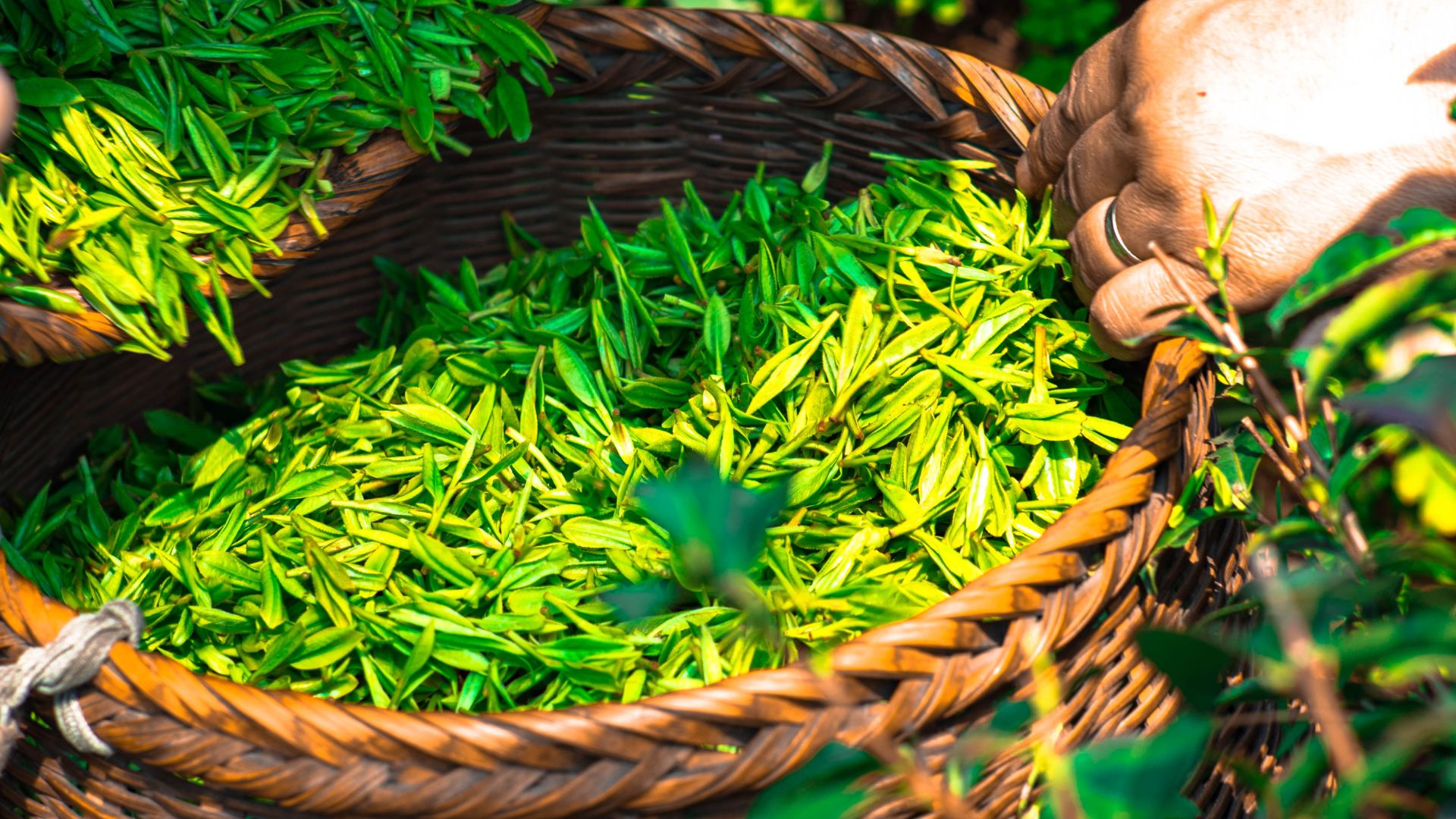
The categories of Chinese tea number six: green (unoxidised, fresh, grassy), white (minimally processed, subtle, expensive), yellow (rare, slightly oxidised, complex), oolong (partially oxidised, ranging from light to dark), black (fully oxidised, what the Chinese call red tea), and pu-erh (fermented, earthy, aged like wine). Within each category, varieties number in hundreds; the famous teas — Longjing from Hangzhou, Tieguanyin from Fujian, Da Hong Pao from Wuyi — command prices that approach fine wine. Da Hong Pao deserves particular mention: the original bushes on Wuyi’s cliffs produce tea so rare that the last government auction placed individual grams at prices that make Burgundy look reasonable. What is sold commercially is a blend, but even the blend rewards attention in ways that supermarket tea cannot prepare you for. Longjing — Dragon Well — is the more accessible entry point: flat, pan-fried leaves producing a pale green cup with a clean sweetness that explains why it has been China’s most celebrated green tea for over a thousand years. Drinking it in a teahouse overlooking the West Lake in Hangzhou, where it has been grown since the Tang dynasty, is one of those experiences that resists summarising.
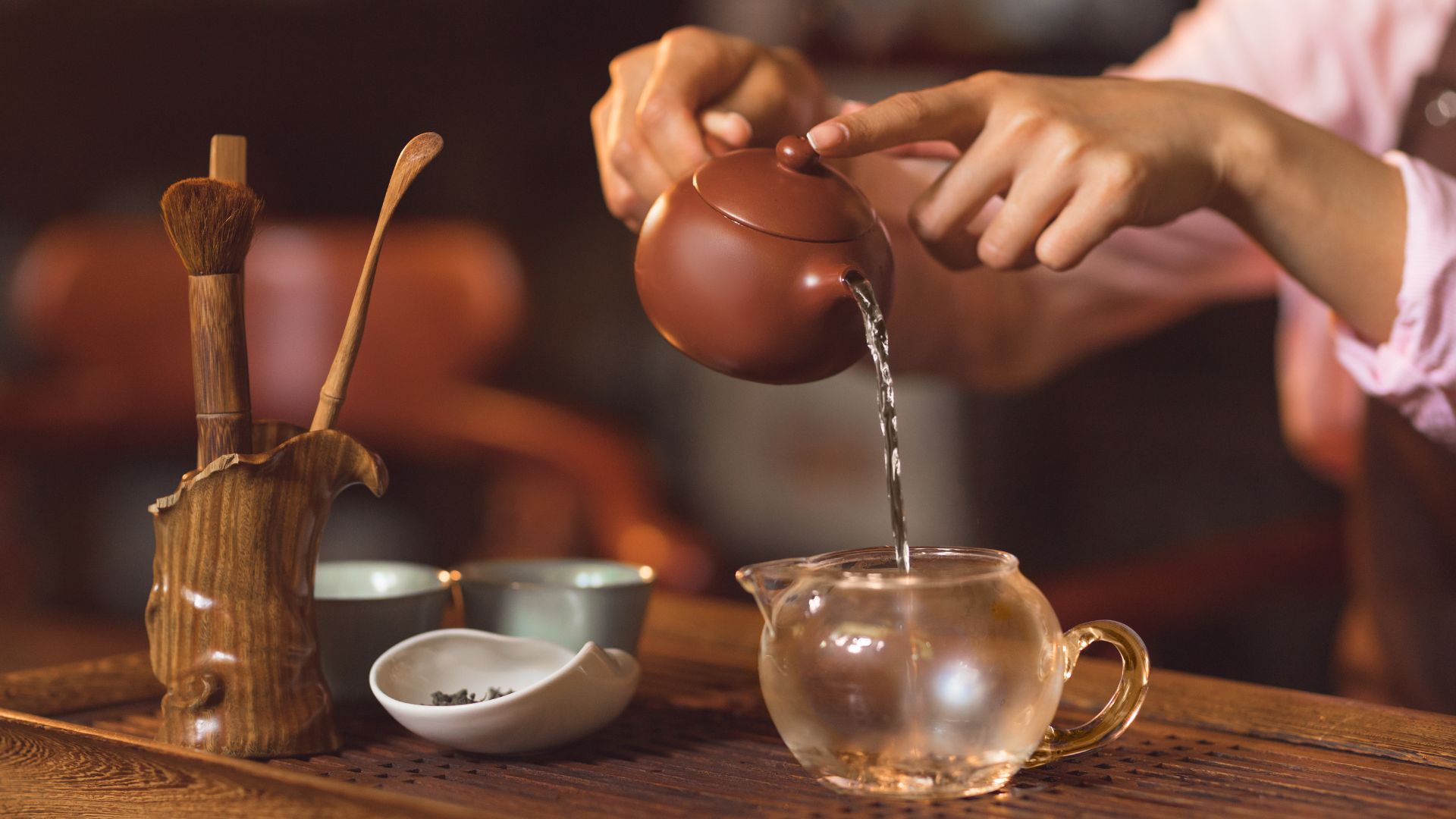
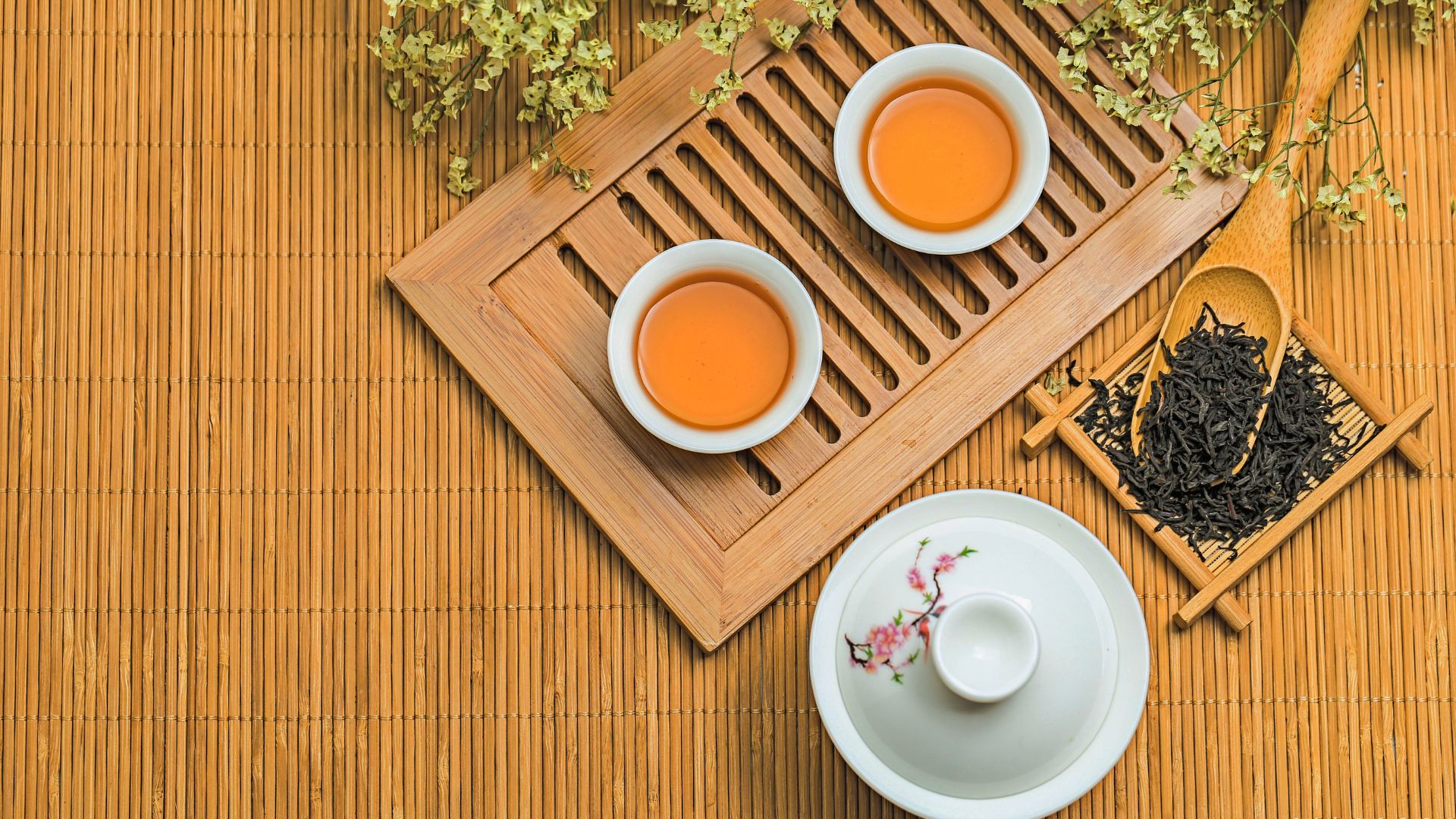
The gongfu tea ceremony — gongfu meaning with skill — transforms tea preparation into performance. Small clay pots, tiny cups, precise temperatures, multiple infusions from the same leaves — the ritual slows time and focuses attention. Tea houses throughout China offer the experience; the best provide masters who explain what you are tasting and why. The ceremony is not religious but meditative, creating space for conversation or contemplation depending on the company. The same leaves, steeped at different temperatures or for different durations, produce entirely different cups; the ceremony is, among other things, a practical demonstration that patience changes outcomes. This is not a lesson China’s tea culture teaches only about tea. Attending one with no agenda — no sightseeing scheduled after, no time pressure — is among the most genuinely restorative things China offers to a visitor running on too much speed and too little stillness.
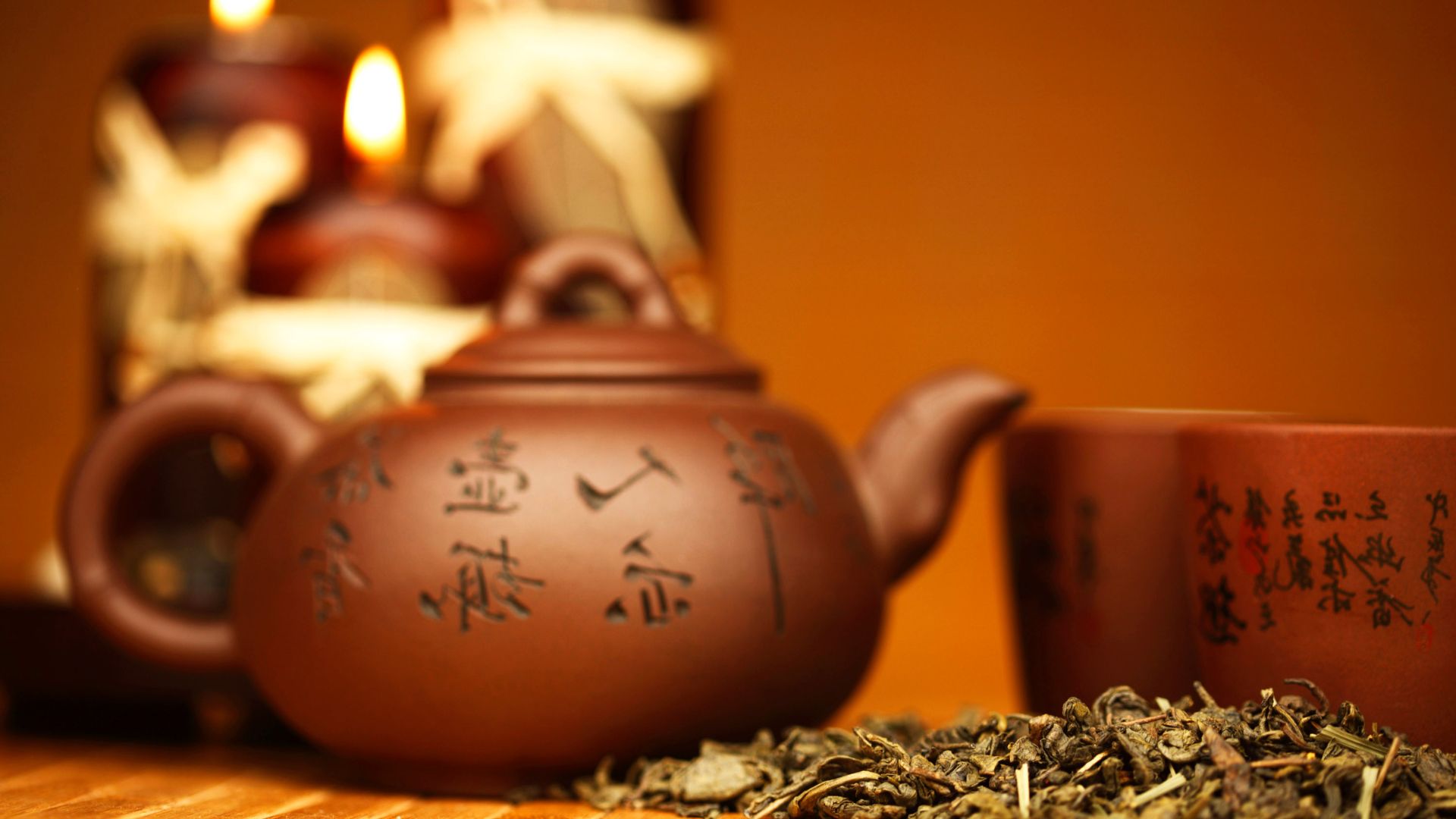
The water matters more than most visitors expect. Tea culture distinguishes between water sources with the same seriousness applied to the leaves themselves. Mountain spring water, historically prized above all others, is still preferred in serious tea houses; filtered water is acceptable; tap water, chlorinated and mineral-heavy, is not. The clay of the teapot matters too — Yixing clay from Jiangsu province absorbs the oils of repeated use and develops a seasoning over years that changes how tea tastes. A well-used Yixing pot is an object with memory, and serious collectors treat them accordingly. Purchasing one in Yixing itself, from a workshop rather than a gift shop, and using it daily for years, is the kind of slow souvenir that improves with time rather than gathering dust.
The tea markets provide education through commerce. Beijing’s Maliandao tea street, Shanghai’s Tianshan tea market, and regional equivalents offer tastings that teach discrimination. Start with green teas, the most approachable; progress to oolongs, where complexity reveals itself; arrive eventually at pu-erh, where aged cakes from certain mountains command prices per gram exceeding gold. The vendors expect negotiation; the tea expects respect. A willingness to taste before buying is assumed; spending an hour working through samples without purchasing anything is entirely acceptable and sometimes encouraged, because vendors who educate their customers tend to keep them.
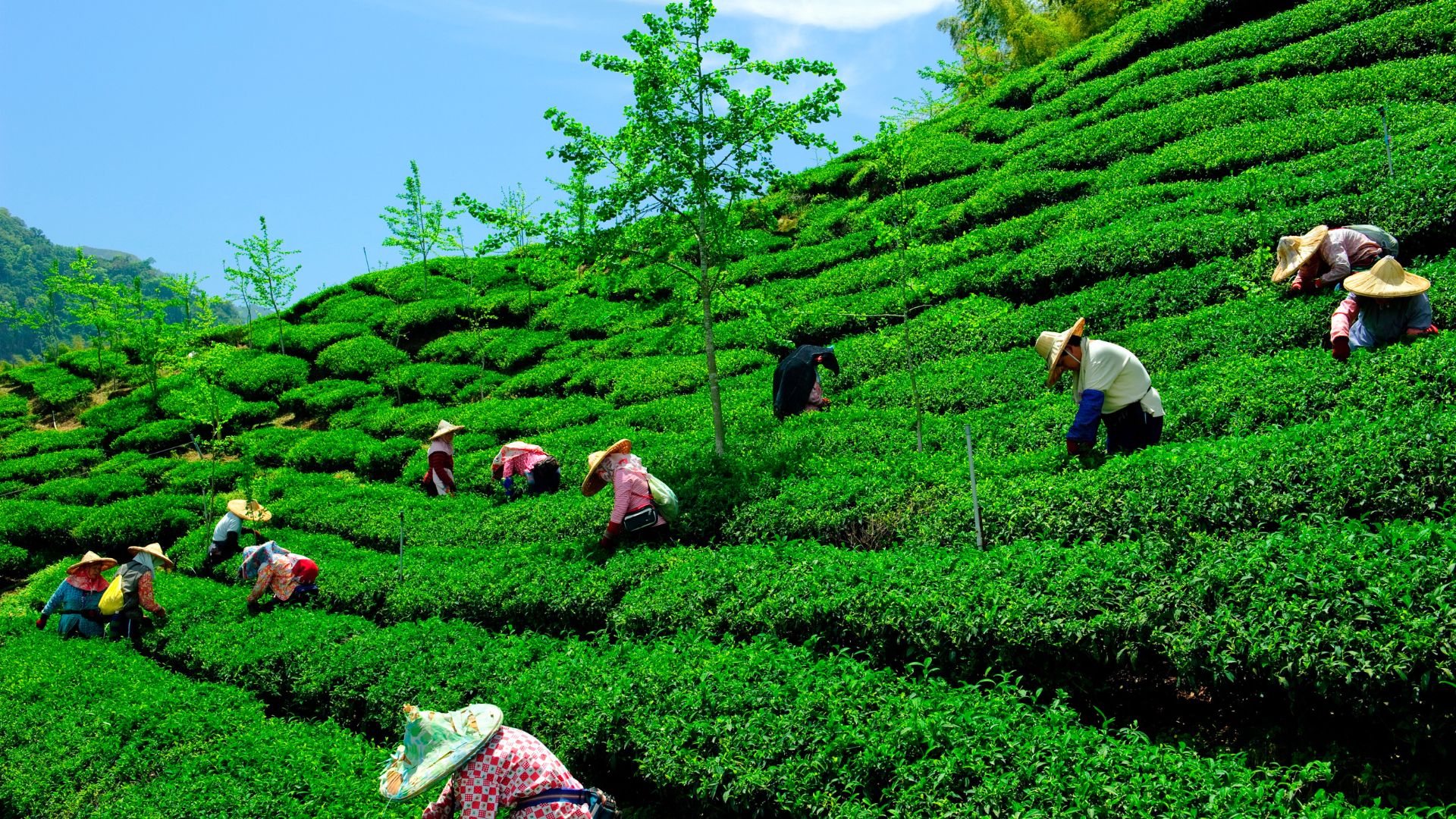
Incorporating tea culture into travel requires only willingness. Order tea in restaurants instead of defaulting to beer; visit tea houses as you would cafes; buy from local markets and taste the regional specialties. The Longjing tea villages outside Hangzhou, the Wuyi Mountains in Fujian, the ancient tea forests of Yunnan — these are pilgrimage sites for tea devotees. Even without such dedication, understanding that tea is not merely a beverage but a cultural practice that has shaped Chinese life for millennia enriches every cup you drink in the country that invented it.
Practical Information
Tea Rooms Worth Visiting in China
Lao She Teahouse — Beijing Named after one of China's most beloved writers, Lao She Teahouse blends authentic tea culture with traditional Beijing entertainment — folk performances, classical music and some of the finest teas in the capital. It sits on Qianmen West Street, a short walk from Tiananmen Square, and has hosted everyone from local regulars to international dignitaries. The perfect introduction to Beijing-style tea culture. 📍 Building 3, Zhengyang Market, Qianmen West Street, Beijing | Metro: Qianmen Station, Line 2 (laosheteahouse.com)
Huxinting Teahouse — Shanghai Sitting in the middle of the Yu Garden pond and reached via a zigzag bridge, the Mid-Lake Pavilion Teahouse is one of Shanghai's oldest and most iconic spots — picturesque, historic and genuinely serene. It has been serving tea on this spot since the Ming dynasty, and the setting alone justifies the visit. Arrive early to avoid the midday crowd. 📍 257 Yuyuan Road, Huangpu District, Shanghai | Metro: Yuyuan Garden Station (Search: Huxinting Teahouse Shanghai)
Hu Pan Ju Teahouse — Hangzhou Overlooking West Lake from across three floors, Hu Pan Ju offers over 100 types of tea including its homegrown Longjing, with snacks and food included with your tea purchase. The architecture uses natural materials — light wood, stone and bamboo — with floor-to-ceiling windows that blur the line between inside and outside, in keeping with Hangzhou's Zen aesthetic. One of the most beautiful places to drink tea in China. 📍 No.1 Shengtang, Xihu District, Hangzhou | Open daily 7:30am–11pm (Search: Hu Pan Ju Teahouse Hangzhou)
Heming Teahouse — Chengdu Packed with bamboo chairs, pewter teapots and locals who have been coming here for decades, Heming Teahouse offers unlimited refills at a very reasonable price — less a tourist attraction than a functioning part of Chengdu daily life. Order jasmine tea, join a game of mahjong if invited, visit early morning or late afternoon to catch the authentic crowd, and bring cash. This is Chengdu at its most genuine. 📍 People's Park, Qingyang District, Chengdu | Metro: Tongzilin Station, Line 3 (Search: Heming Teahouse Chengdu)
Order Chinese Tea Online
Teasenz — The most established international Chinese tea retailer, sourcing directly from small family farms across 20 growing regions. Excellent range of green, oolong, white and pu-erh teas with flat-rate worldwide shipping. (teasenz.com)
TeaVivre — A team of tea lovers based in China who regularly visit plantations to source exceptional teas, including rare green teas such as Ming Qian Longjing. Compliant with EU residue standards and ships internationally with samples available. (teavivre.com)
The China Teapot — A UK-based specialist carrying a broad range of authentic Chinese teas including a 2025 Great Taste Award-winning AAA grade tea and ceremonial matcha from Hangzhou. Loose leaf, variety bundles and subscriptions available. (thechinateapot.co.uk FeedSpot)
The Chinese Tea Company — Everything sourced, tasted, tested and shipped directly to the UK by their own team, ensuring authenticity and quality in every product. A smaller, more curated operation — ideal if you want something beyond the mainstream ranges. (the-chinese-tea-company.com MotorhomeFun)

James Calloway is a British travel writer currently based in Shanghai with a passion for uncovering the China that most visitors never get to see. Drawing on years of living and travelling across the country, he shares honest guides, hidden discoveries and the kind of local knowledge that only comes from truly being there.