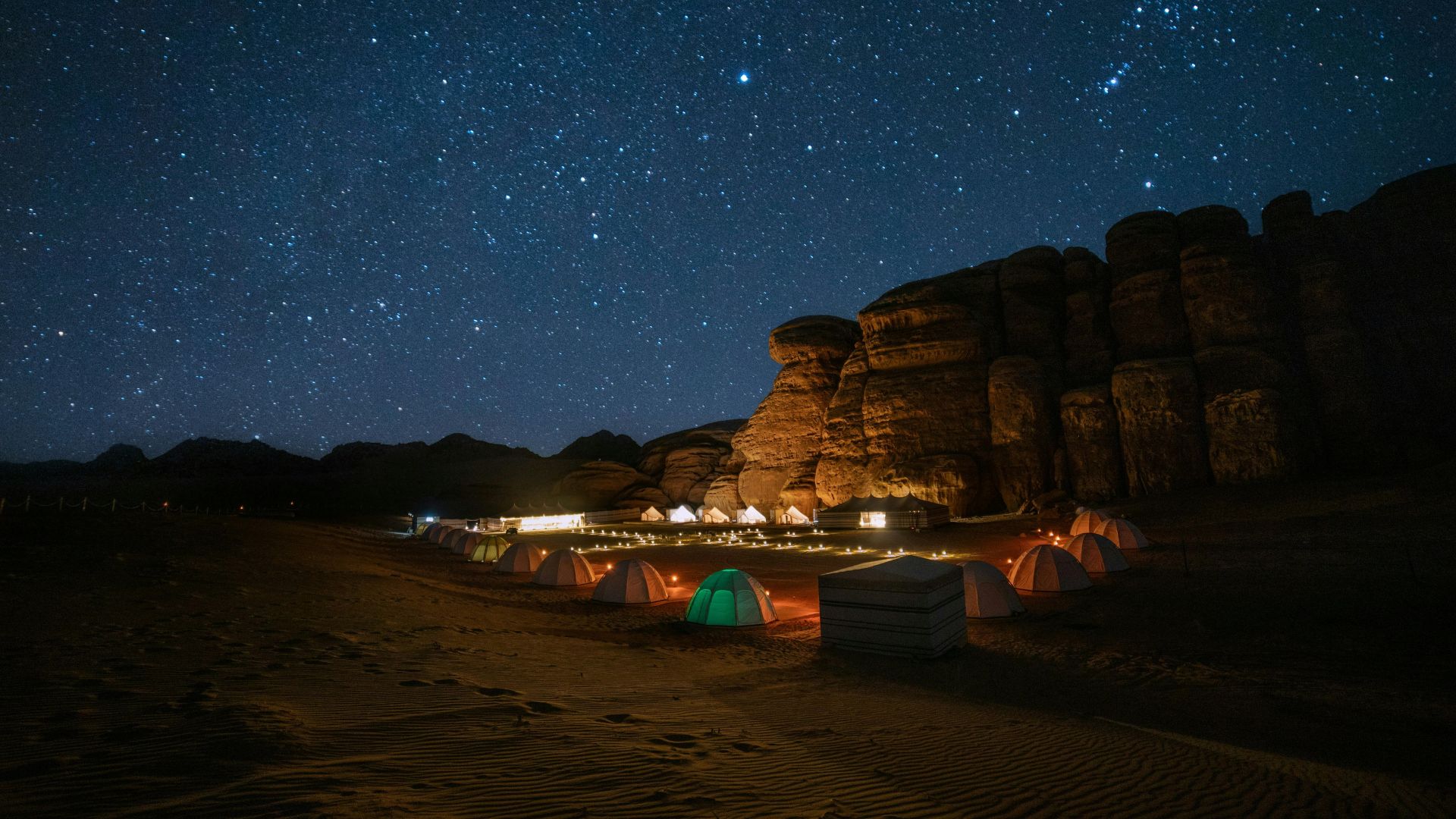
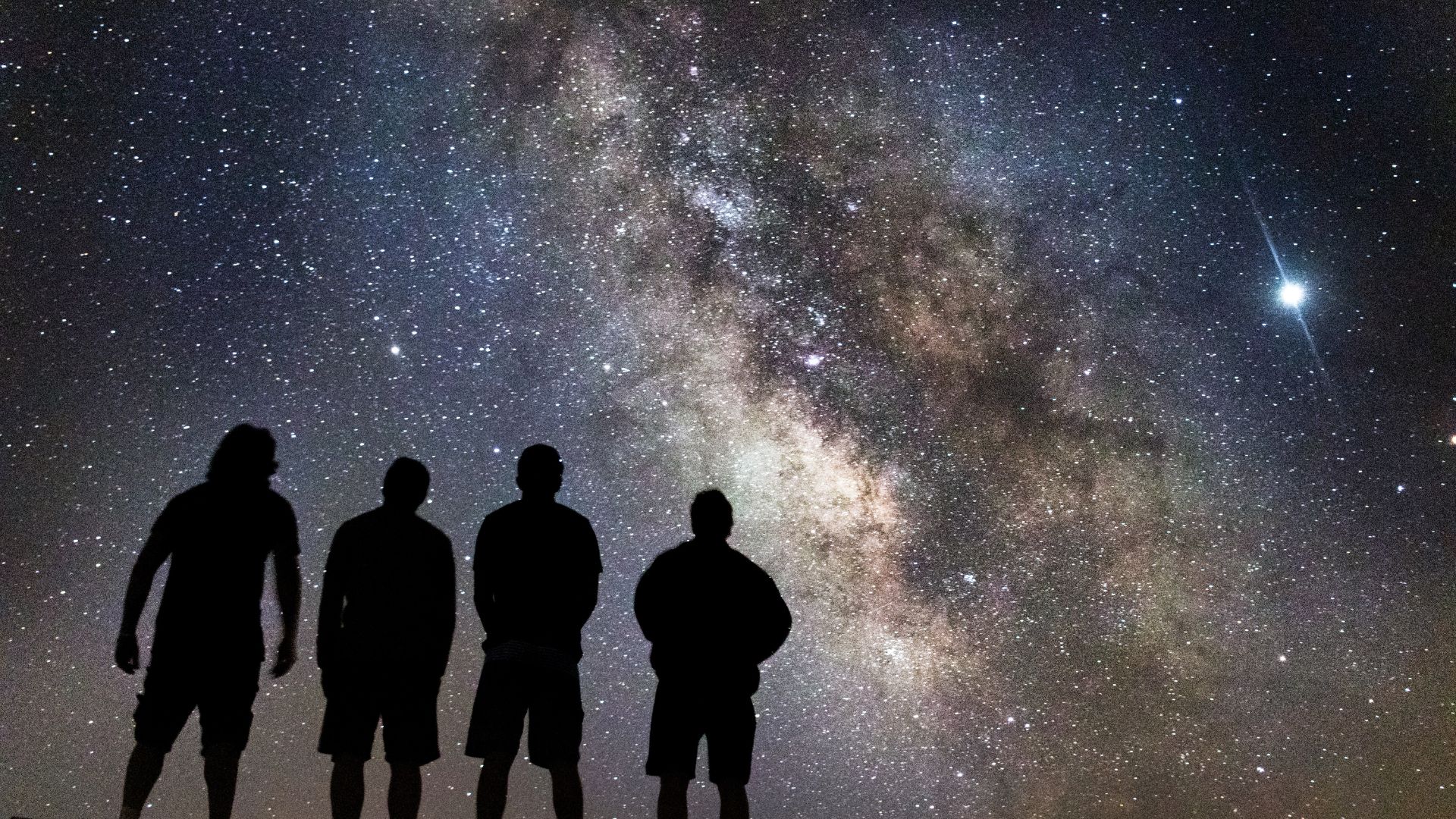
The Empty Quarter — Rub’ al Khali in Arabic, the world’s largest contiguous sand desert — begins south of Abu Dhabi and extends into Saudi Arabia, Oman, and Yemen. At 650,000 square kilometres it is larger than France, with dunes that reach 300 metres in height and ancient lake beds buried beneath sands that record a wetter past tens of thousands of years gone. It is, as its name suggests, empty: no permanent settlements, no roads worth the name, and, crucially for our purposes, no light pollution. The British explorer Wilfred Thesiger crossed it twice on camel in 1946 and 1948 with his Bedu companions, and his account in Arabian Sands remains the foundational English-language description of a landscape that has defeated every easier attempt at characterisation. We drove two hours from Abu Dhabi to the Liwa Oasis, then twenty minutes on sand, and emerged into a darkness so complete that the sky seemed to vibrate.
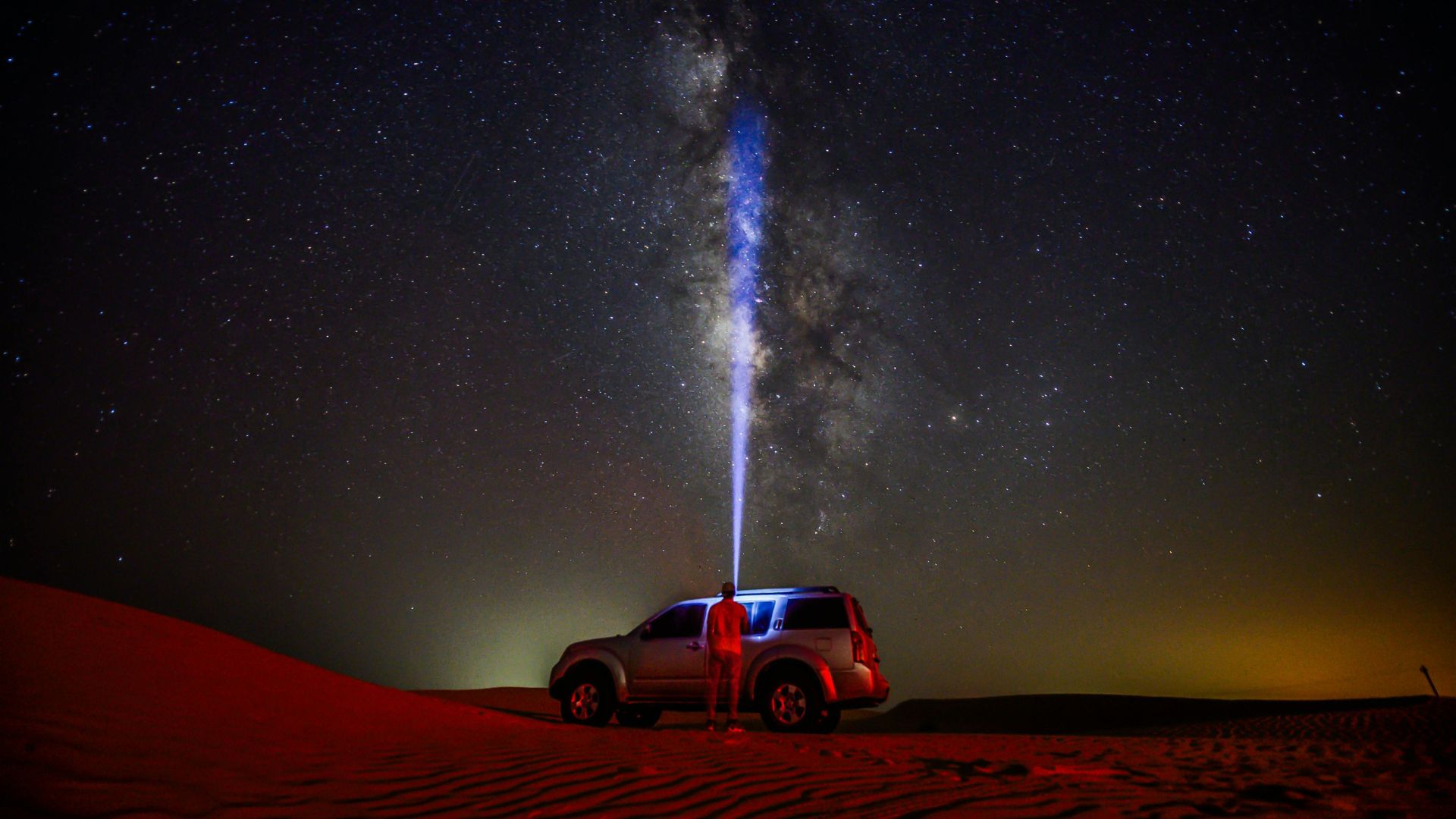
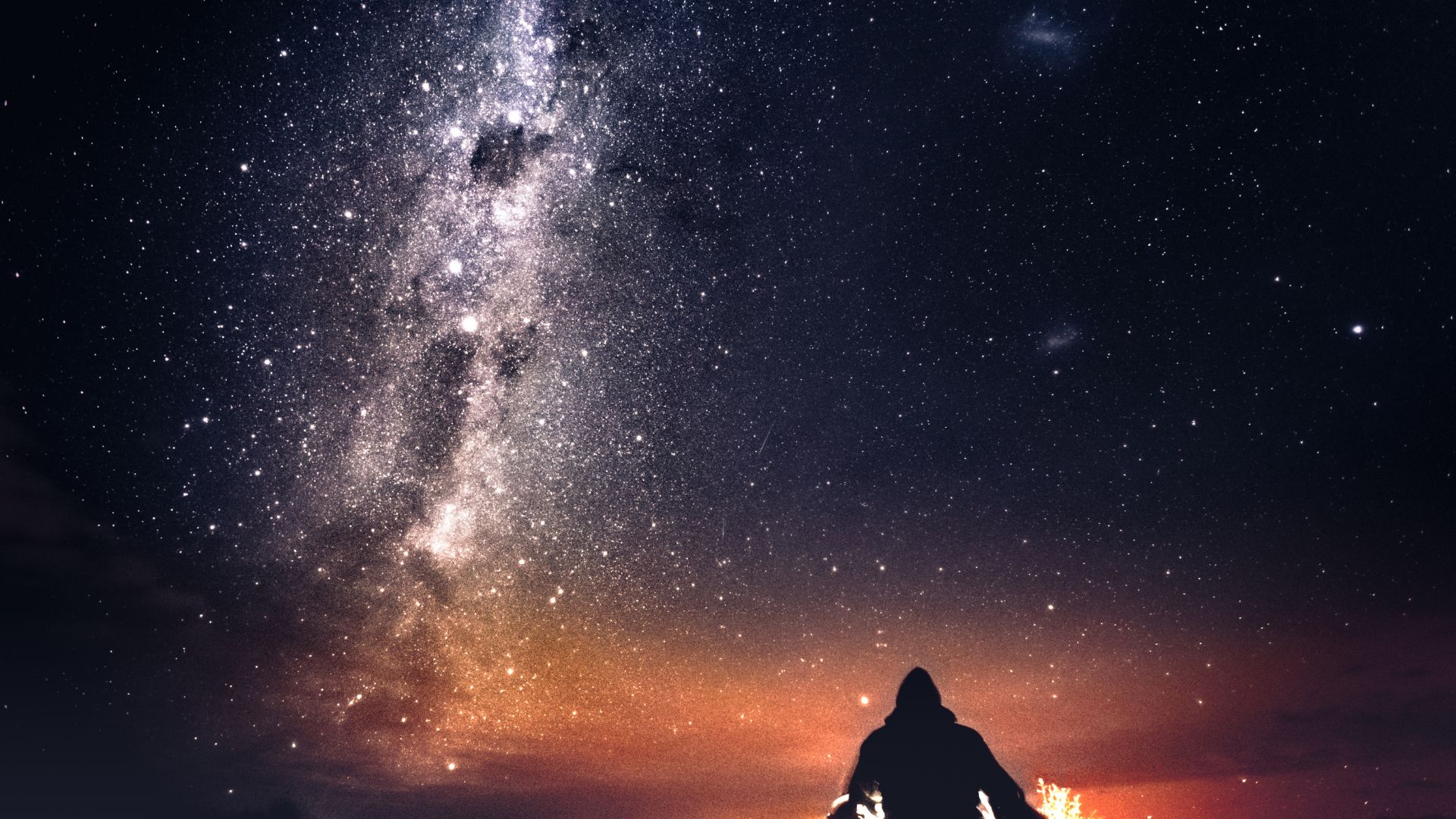
The Milky Way here is not a suggestion but a presence — a ribbon of light that stretches from horizon to horizon, dense enough to cast shadows on the dunes. Our guide, an amateur astronomer who had been leading desert stargazing trips for a decade, set up a telescope and began pointing out the constellations that Arab astronomers named. The vocabulary of modern Western astronomy is, in fact, largely Arabic in origin: Aldebaran (the follower), Altair (the flying eagle), Betelgeuse (the giant’s hand), Vega (the swooping eagle), Rigel (the foot), Deneb (the tail), Fomalhaut (the mouth of the fish) — all preserved from the great period of Islamic astronomy between the 8th and 14th centuries when scholars at Baghdad’s House of Wisdom mapped the sky with instruments and precision that medieval Europe could not match. The poetry felt appropriate; so did the silence; so did the realisation that the Bedouin who navigated these dunes for centuries did so using stars whose names they had given to the world.
We lay on the cooling sand — still warm from the day’s heat but no longer unbearable — and watched satellites transit the sky in lines that seemed too regular for nature and too slow for aircraft. SpaceX’s Starlink trains, a recent addition to the night sky and a source of considerable irritation to professional astronomers, traversed the constellations in the procession that has become familiar to anyone who has spent dark-sky nights anywhere on Earth. The temperature dropped; the tea our guide provided warmed; and the desert revealed itself as the opposite of empty. Stars beyond counting; sand that held heat and released it gradually; the occasional shooting star against a sky that hosts hundreds visible per hour during peak meteor showers; and the silence that cities have made rare. A desert fox crossed the dune line at the edge of our vision and was gone before the brain could register what it had seen.
The wildlife of the Empty Quarter is sparse but persistent. The Arabian oryx, hunted to extinction in the wild by 1972, has been successfully reintroduced through the conservation programmes initiated by Sheikh Zayed and continued by his sons; sand cats, hyraxes, gazelles, and desert hares persist in numbers that the casual visitor will not see but that the satellite-tracking surveys document. The black camels of Liwa — distinctly darker-coated than the white camels common elsewhere in the UAE — represent a regional breed that survived through Bedouin selective breeding for the area’s particular conditions. The handful of farms still working the oasis edges produce dates of varieties that supermarket dates do not approach, and camel milk that some travellers come specifically to sample.
“This is why we love the desert,” our guide said. “Not for what it does not have. For what it has.” He gestured at the sky, the dunes, the nothing that was everything. He did not need to say more. We returned to the resort by torchlight, navigating between dune crests visible against starlight, and the door of the lobby — heavy wood, brass-bound, lit warm against the dark — felt, for a moment, like a transition from one century to another.