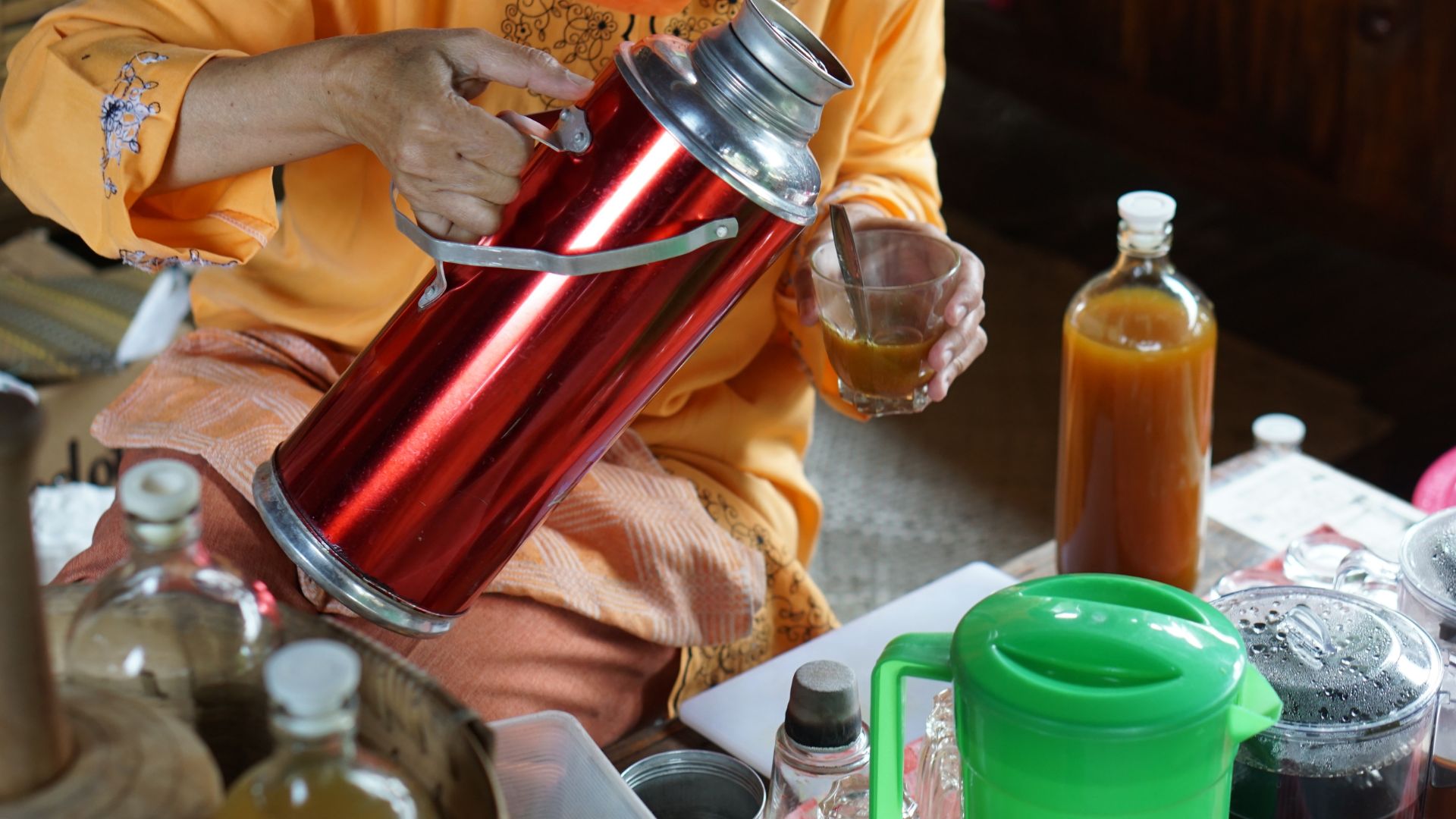
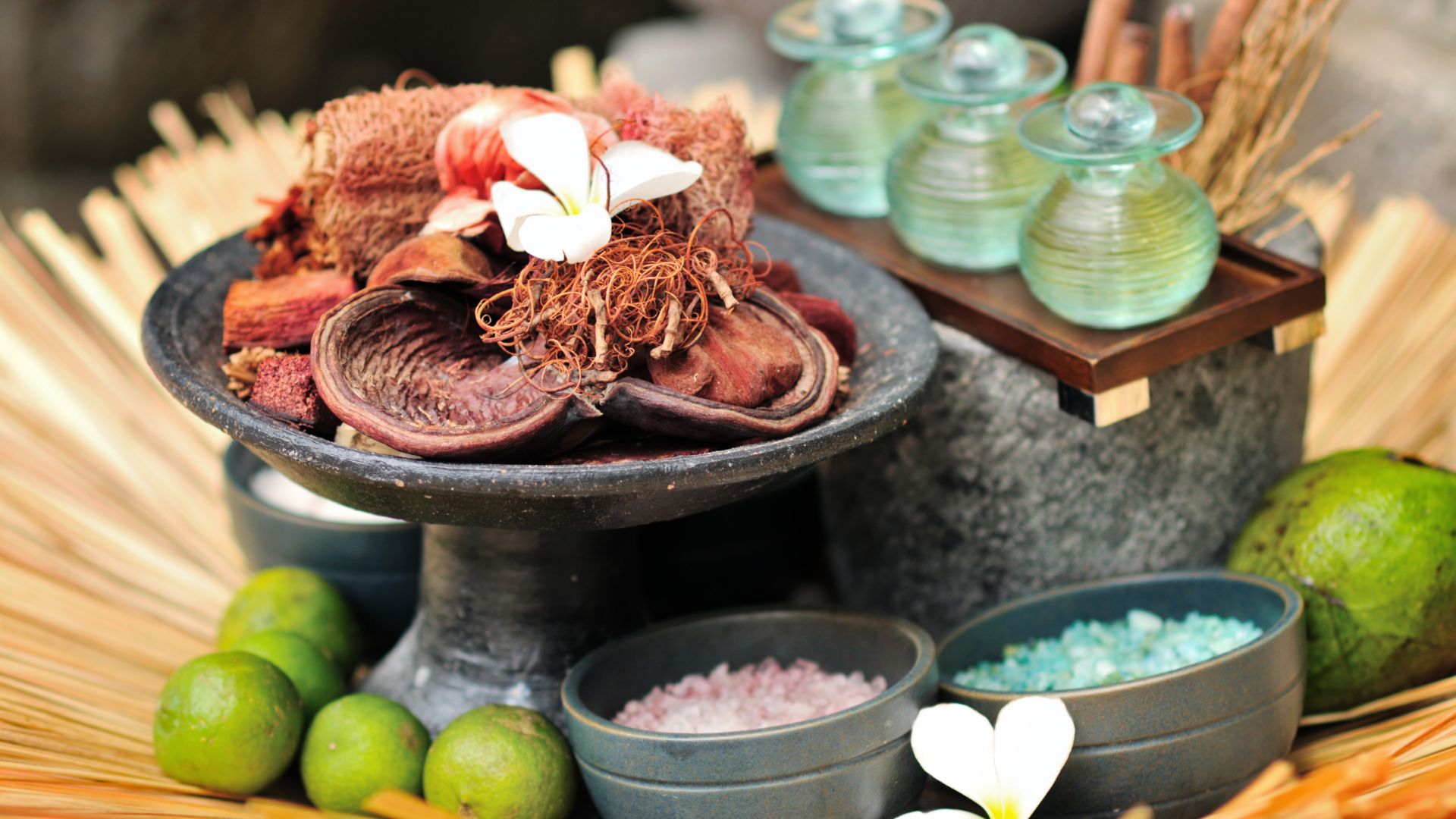
Indonesian spa traditions draw on healing practices that predate the wellness industry by centuries. The jamu — herbal preparations that Indonesian women have consumed for health and beauty since at least the 8th century — inform treatments that have been packaged for hotel consumption without losing their underlying efficacy. Turmeric, ginger, tamarind, galangal, and dozens of other botanicals are combined according to recipes still passed down through families, with the morning jamu vendors carrying bamboo baskets through Javanese neighbourhoods preserving a tradition the spa industry has only recently formalised. The massage techniques combine influences from Indian, Chinese, and indigenous traditions, evolved through generations of practice into something distinctly Indonesian. The luxury resorts have recognised this heritage and invested in spa experiences that go beyond generic relaxation; the best of them function as serious wellness destinations rather than as five-star changing rooms.
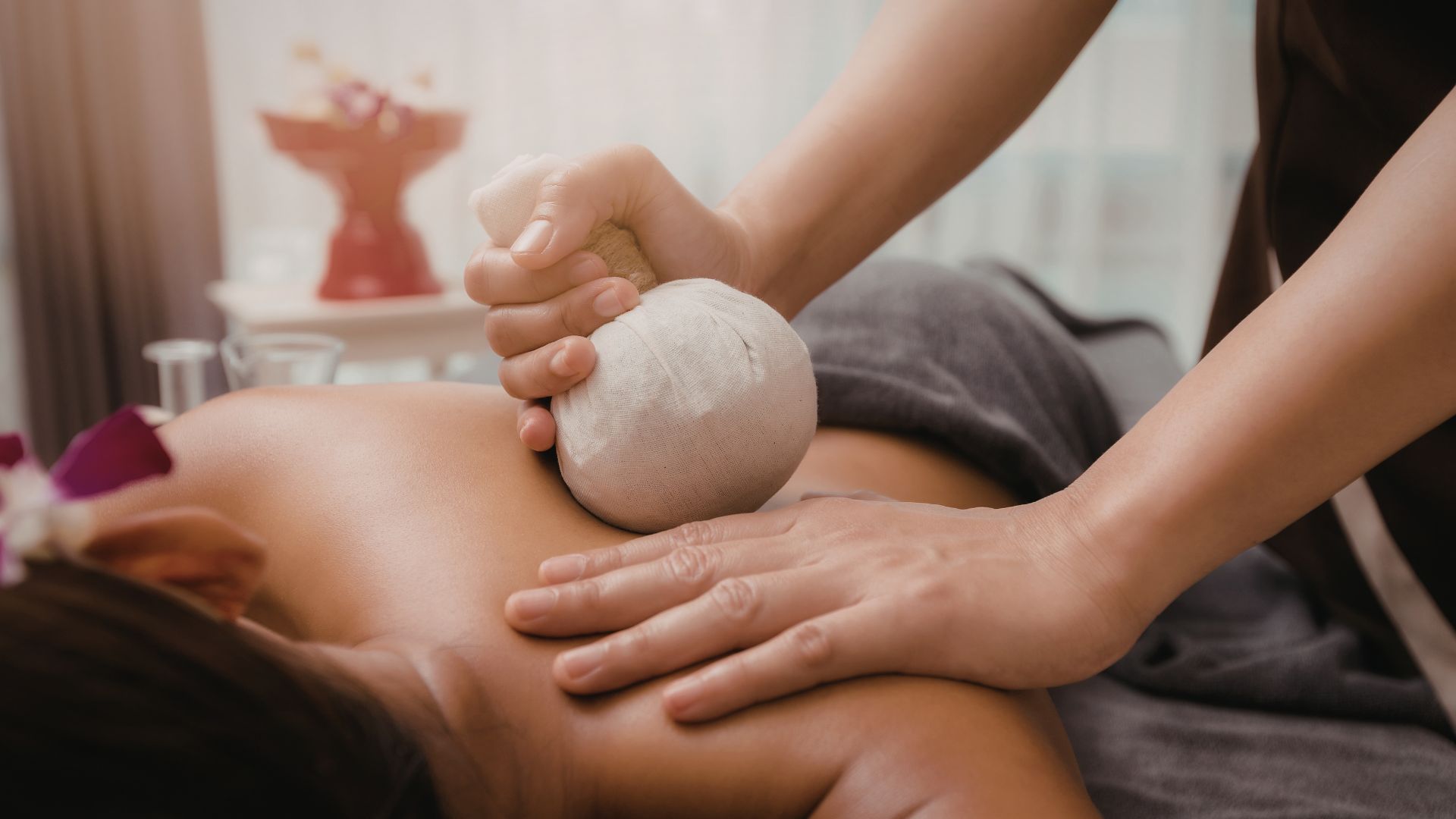
Bali has become synonymous with spa culture for reasons both historical and commercial. The Hindu traditions that shape Balinese life incorporate concepts of balance and purification — tri hita karana, the threefold harmony between human, divine, and natural worlds — that translate naturally into wellness practice. The climate — warm enough for outdoor treatment, moderated by coastal breezes and highland coolness — suits spa settings that hotels have been happy to develop. The labour economics that make Indonesian service affordable enable staffing levels that Western spas cannot justify, including the three- and four-therapist treatments that turn massage into immersive experience.
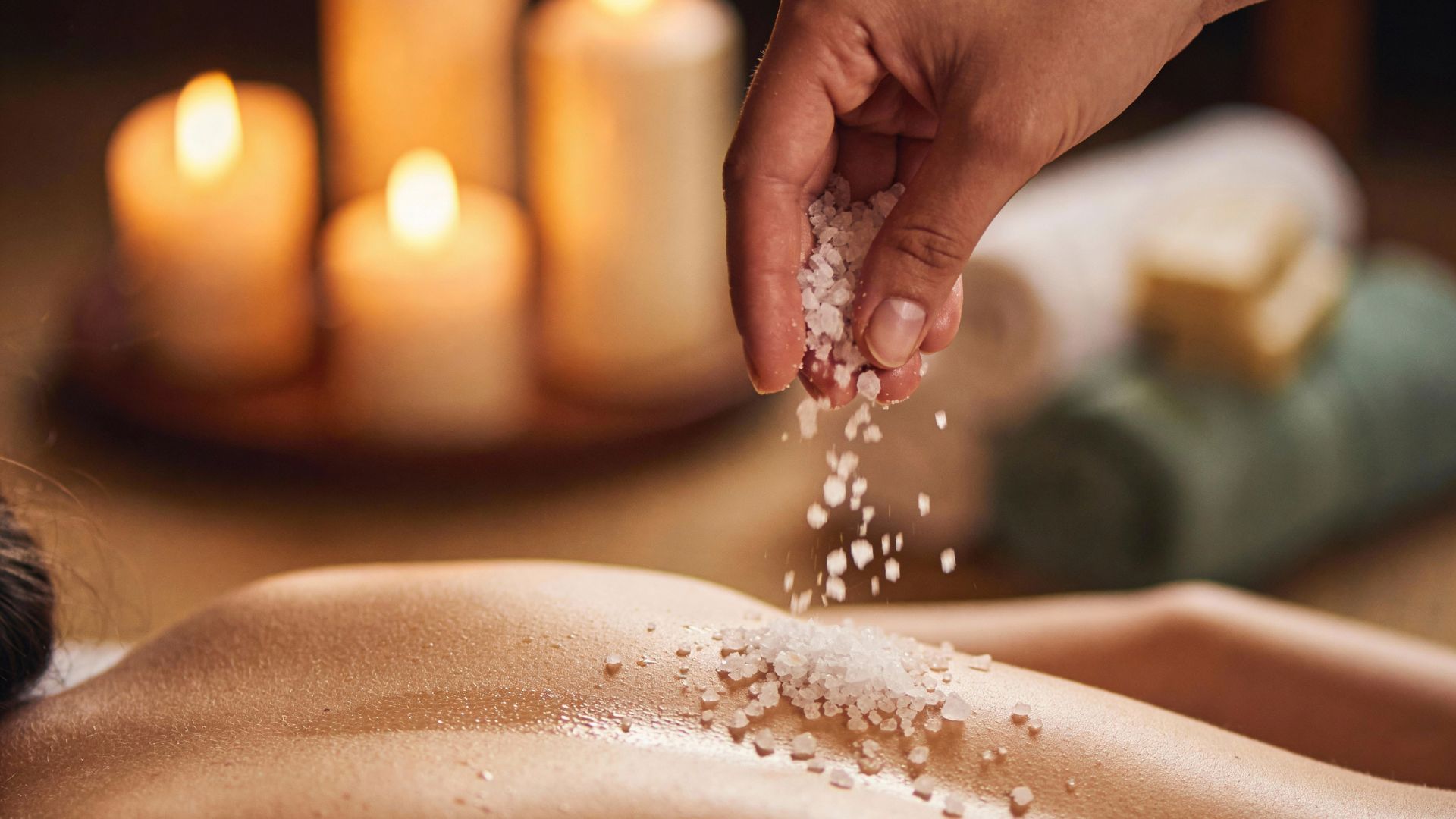
The treatments worth seeking combine technique with setting. The Balinese massage — long strokes, gentle stretching, pressure that finds the muscles beneath without aggressive deep-tissue assault — should be experienced overlooking rice terraces or river valleys, where the visual calm complements the physical. The scrubs and wraps that use local ingredients — coffee from Kintamani, rice from Tabanan, volcanic ash from Mount Batur, frangipani and ylang-ylang flowers picked that morning — connect treatment to place in ways that generic spa menus do not. The jamu services that some properties offer — consultation followed by herbal preparations tailored to individual needs — represent traditions that most visitors have never encountered, and constitute a quieter, more durable form of wellness than the dramatic massage.
The luxury properties have invested accordingly. Nihi Sumba’s Nihioka Spa occupies a private cove an hour’s drive or two-hour trek from the main resort, its Spa Safari experience combining transport across Sumba’s wild coastline with treatments delivered in seven private bales perched above the ocean. Como Shambhala Estate near Ubud operates as a residential wellness retreat, with programmes that extend over multiple days and address specific health goals — weight management, cleansing, stress recovery, ageing — through nutritionist consultations alongside the bodywork. The Four Seasons Sayan spa, suspended above the Ayung River, combines location and treatment in ways that justify its reputation, with rituals rooted in the Balinese philosophy of niskala (unseen energy) and a flagship Healing Act treatment that has become a destination in itself. These are not mere hotel amenities but destinations in themselves, with treatment durations often running three or four hours and prices to match.
Beyond the resorts, the day spas of Ubud, Seminyak, and Canggu provide high-quality treatments at prices that Western visitors find remarkable. A two-hour Balinese massage that would cost three figures in London costs under twenty pounds at a reputable Ubud spa; the quality, in experienced hands, matches or exceeds the luxury alternatives. Established names like Sundari, Bodyworks, and Karsa Spa have built loyal followings among repeat visitors who find no reason to pay resort prices for similar (sometimes superior) skills. The economic imbalance creates ethical questions about appropriate payment and tipping; the practical reality is that spa culture in Bali is accessible in ways that spa culture elsewhere is not. Use the accessibility thoughtfully; tip generously when service is excellent (the standard 10-15% on top of low local prices is still trivial in absolute terms); appreciate the skills involved; and recognise that the women providing these treatments support extended families on incomes the visitor cannot easily comprehend. Compensate the practitioners fairly, and return; the spa culture deserves the patronage.