Where the tourists thin out and Japan reveals its quieter character
The ‘Golden Route’ — Tokyo, Kyoto, Osaka, maybe Hiroshima — covers the greatest hits but misses Japan’s depth. Four weeks allows detours into regions that most tourists skip, where the infrastructure remains excellent but the crowds disappear. The Japanese Alps, the San’in coast, the southern islands, the northern wilderness — these destinations provide experiences that the main circuit cannot, and the Japanese themselves often regard as the country’s most rewarding. The rail network reaches almost all of them; the language barrier is more pronounced beyond the Golden Route but manageable with translation apps and patience.
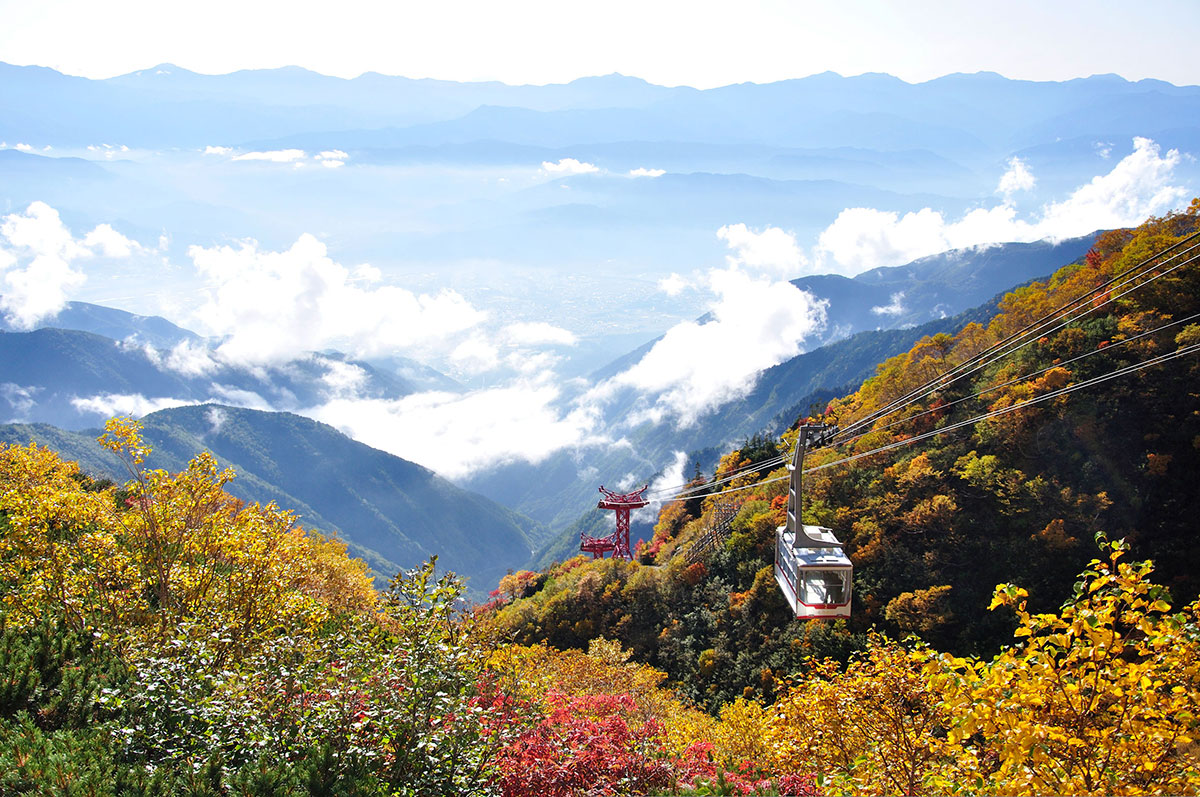
The Japanese Alps offer mountain scenery and traditional culture that coastal Japan lacks. Takayama preserves Edo-period merchant houses in a setting so picturesque it seems artificial; the morning markets along the Miyagawa River sell pickles and produce from surrounding farms, and the local sake breweries (recognisable by the cedar balls hanging at their entrances) welcome visitors for tastings. Shirakawa-go’s UNESCO-listed gassho-zukuri farmhouses, with their steep thatched roofs designed to shed heavy snowfall, provide architecture unlike anywhere else in Japan; staying overnight in one as a guesthouse, after the day-trippers leave, transforms the experience entirely. Kamikochi’s mountain valley delivers hiking that approaches European Alps quality without European Alps crowds. The region is colder than coastal Japan; the hot springs (onsen) that dot the area provide warming that becomes ritual.
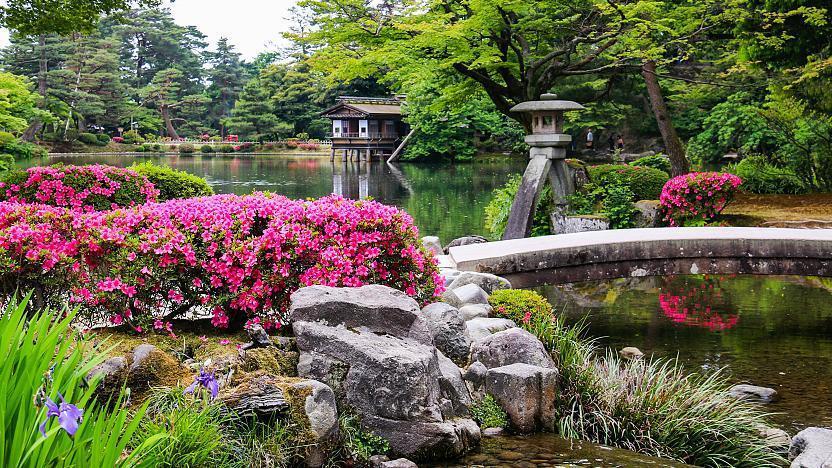
Kanazawa, on the Sea of Japan coast, offers Kyoto’s preserved districts without Kyoto’s crowds. The Kenroku-en garden ranks among Japan’s finest, designed across nearly two centuries to embody six aesthetic qualities the Japanese consider essential to garden mastery. The Higashi Chaya (geisha district) provides atmospheric streets that tour buses haven’t yet overwhelmed, and the city remains one of the few places outside Kyoto where geisha still actively perform. The Omi-cho market sells seafood directly to consumers who eat it on site — Kanazawa is celebrated for its winter snow crab and sea urchin. And the 21st Century Museum of Contemporary Art provides modern counterpoint to the traditional architecture elsewhere in the city, including Leandro Erlich’s famous Swimming Pool installation that has become one of Japan’s most photographed artworks.
The San’in coast, along the western edge of Honshu, offers a Japan that feels almost forgotten. Matsue’s preserved castle is one of only twelve original (rather than reconstructed) castles in Japan. Adachi Museum nearby contains a Japanese garden consistently ranked the country’s best, designed as a living artwork to be viewed through the museum’s windows. Izumo Taisha, said to be Japan’s oldest Shinto shrine, hosts an annual gathering when all the country’s gods are said to convene there. The Tottori sand dunes, an unexpected piece of desert geography on Japan’s coast, support paragliding and camel rides. Few foreign tourists reach this coast; the ryokan owners and shrine staff respond with a warmth that the Golden Route circuit can no longer reliably offer.
Kyushu, Japan’s southern island, combines volcanic landscapes with distinctive food traditions. Beppu and Yufuin offer onsen experiences at scale and refinement respectively. Nagasaki’s history as Japan’s only opening to the West during the Edo period left European architecture and Hidden Christian sites alongside the more recent atomic memorial. Takachiho Gorge, in the central mountains, preserves Shinto creation myths in landscape form. Yakushima, the moss-covered island that inspired Princess Mononoke, offers some of Japan’s finest ancient forest hiking. The shinkansen now connects Kyushu directly to Honshu, removing the historical isolation while preserving the cultural distinctiveness.
Northern Japan — Tohoku, then Hokkaido — provides wilderness that the rest of the country cannot. The Tohoku festivals of summer (Aomori’s Nebuta, Sendai’s Tanabata, Akita’s Kanto) rank among Japan’s most spectacular and remain genuinely local rather than tourist-orchestrated. Hokkaido’s national parks offer brown bear country, lavender fields in Furano, and the world-class powder skiing of Niseko and Furano in winter. The Yamabushi monks of Mount Haguro still train mountain ascetics in traditions a thousand years old; visitors can join brief residential programmes.