
Off the Beaten Track: China Beyond the Instagram Shots
The standard China backpacker route — Beijing, Xian, Chengdu, Yangshuo, maybe Yunnan — exists because it is excellent. But China extends far beyond these highlights, and the willingness to venture further rewards with experiences that the main trail cannot provide. The country’s size means that getting off the beaten track does not require exceptional effort, just time and tolerance for situations where English signage and tourist infrastructure do not exist. The reward is a China that millions of visitors never see: regions where you may be the only foreign face for days, where prices return to local levels, and where the conversations you have with curious locals become the trip’s defining memories.
Gansu province traces the Silk Road through landscapes that feel more Central Asian than Chinese. Dunhuang’s Mogao Caves contain Buddhist art that survived centuries of desert isolation — 492 grottoes carved into a cliff face, painted with murals depicting fourteen centuries of religious and artistic evolution. The Zhangye Danxia (Rainbow Mountains) deliver stratified geology in colours that look Photoshopped, best seen in late afternoon light when the reds and oranges intensify. Jiayuguan Fort marks where the Great Wall ends at the edge of the Gobi Desert, a more atmospheric experience than the crowded eastern sections near Beijing. The region sees fewer tourists because the distances are vast; the rewards justify the effort. Allow at least a week to do Gansu properly, more if you continue west toward Xinjiang.
Fujian province on the southeast coast contains the tulou — circular earthen buildings that housed entire clans and now offer homestay experiences that provide glimpses of traditional life. UNESCO-listed and architecturally remarkable, they remain working communities rather than museum pieces, with families still living in the upper floors. Xiamen, the nearby city, combines beach life with colonial architecture on Gulangyu Island, a pedestrian-only district where European-influenced villas tell the story of the treaty port era. The combination works for those heading toward Southeast Asia or seeking coastal variation from the inland classics.
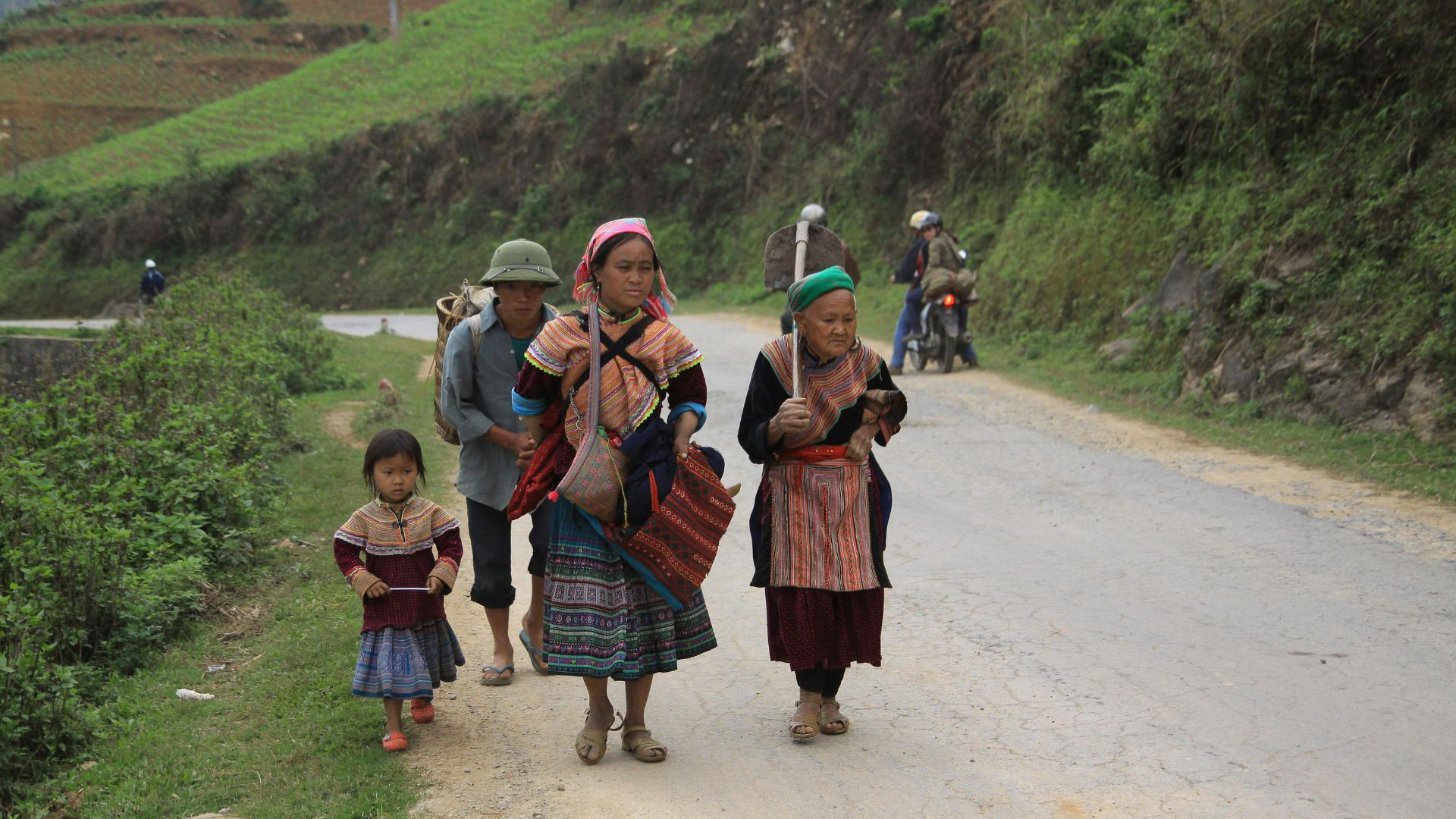
Guizhou province in the southwest has been called China’s hidden gem for long enough that the gem is no longer particularly hidden, but still sees far fewer visitors than it deserves. The minority villages of the Miao and Dong people preserve traditions — silver headdresses, indigo-dyed textiles, wooden drum towers, songs passed down across generations — that Han Chinese culture has forgotten. The Huangguoshu Falls are Asia’s largest, and the karst landscapes around Libo rival Yangshuo without the tourist infrastructure or the bamboo-raft hawkers. The food is distinctive and delicious — sour fish soup, glutinous rice steamed in bamboo, chillies fermented in ways the rest of China does not attempt. Guizhou requires patience with transport links that are improving rapidly but still demand careful planning.
Inner Mongolia rewards travellers seeking a complete change of pace from urban China. The grasslands around Hohhot offer horseback riding, yurt stays, and Naadam festival celebrations in summer; the Gobi reaches into the province’s south with dunes and camel treks at Badain Jaran. Winter brings ice festivals and a stark beauty that southern Chinese tourists rarely experience. The food — lamb in every form imaginable, plus dairy products that are scarce elsewhere in China — provides another reason to visit.
The far west — Xinjiang, Tibet — presents complicated realities that require more than a travel guide to address. The landscapes are extraordinary; the political situations are sensitive; the requirements for visiting (permits and a registered tour for Tibet, potential surveillance and frequent checkpoints in Xinjiang) differ from other Chinese provinces. Visiting is possible but requires research that goes beyond budget tips into questions that each traveller must answer for themselves. The choice to go or not go is legitimate either way; the choice should be informed by current conditions rather than outdated guidebook entries, which date particularly quickly in these regions.
The practicalities of off-the-beaten-track travel in China have improved enormously in recent years. High-speed rail now reaches cities that were a 20-hour bus ride a decade ago. Translation apps handle situations where no shared language exists. Mobile payment systems work even in small villages, though linking a foreign card to WeChat Pay or Alipay before arrival saves significant friction. What has not changed is the rewards: the further you travel from the standard route, the more memorable the experience tends to be. Comfort and discovery exist on a sliding scale; choose your point on it deliberately.
Practical Information
The Wild Great Wall
If you want to avoid the tour buses at Mutianyu or Badaling, head to the unrestored or "wild" sections of the wall.
- Gubeikou to Jinshanling Hike: A rugged, 10–12 km trek. You will hike past crumbling watchtowers, along steep ridges, and encounter very few tourists.
- Jiankou to Mutianyu: For experienced walkers. This section is completely wild and heavily overgrown but boasts some of the most dramatic wall photography in the country.
- Resources: For a detailed breakdown of wild wall routes, read the Novo-Monde Great Wall Guide.
Yunnan & The Tibetan Border
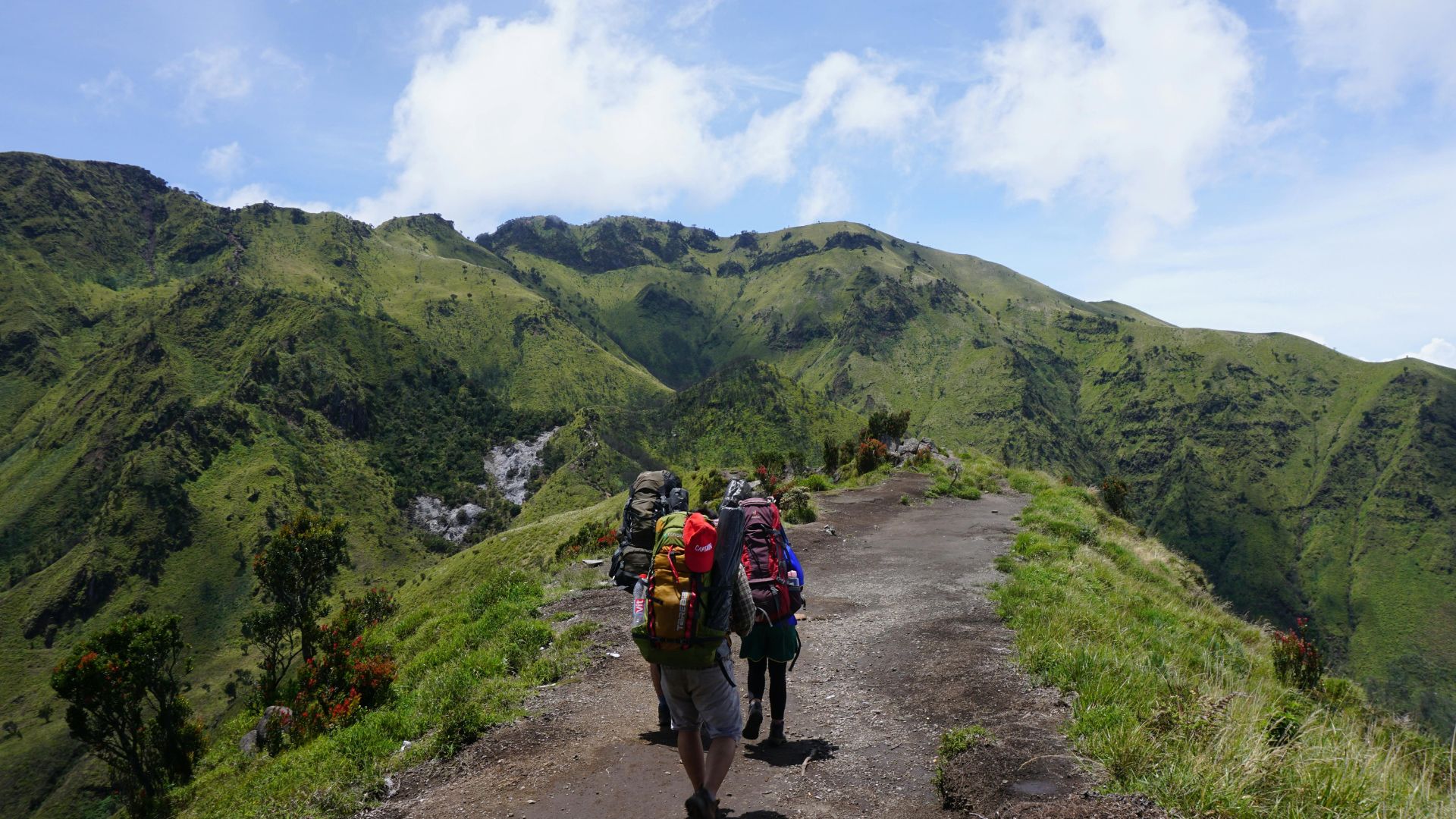
Yunnan is highly diverse, with alpine trails and deep river canyons far away from standard tourist hotspots.
- Tiger Leaping Gorge: One of the deepest gorges in the world. A spectacular multi-day high-road walk offering dramatic river views and basic guesthouses.
- Yubeng Trek: A relatively hidden 4 to 5-day hiking tour near Shangri-La. It winds through pristine mountain ranges, sacred waterfalls, and remote Tibetan villages.
- Resources: To book vetted local guides for these remote trails, visit WildChina's Off the Beaten Path Page.
- Southern Villages & Valleys
For cultural and rural walks, the southern provinces offer a step back in time.
- Songyang County (Zhejiang): This area in Lishui prefecture features quiet, untouristed ancient villages like Yangjiatang, nestled between bamboo forests and terraced hills.
- Guizhou Villages: Walking between the Zhaoxing Dong villages and surrounding terraced fields lets you experience China’s ethnic minority heritage without the museum-like feel of heavily commercialized towns.
- Resources: For deep-dive itineraries and customized off-grid treks, browse TravelLocal's China Itineraries.
Essential Links & Preparations
- Visas: Check the current visa-free entry policies, as many European and international passports benefit from extended 30-day visa-free travel.
- Apps: Download navigation tools like Baidu Maps (the Chinese equivalent of Google Maps) and ensure you have a reliable VPN set up before your trip to access Google/social media.
- Tours: If you are trekking solo on unrestored sections, consider hiring an English-speaking local guide via Hidden China GmbH for safety.
For a closer look at the spectacular terrain you can explore beyond the country's main cities.

James Calloway is a British travel writer currently based in Shanghai with a passion for uncovering the China that most visitors never get to see. Drawing on years of living and travelling across the country, he shares honest guides, hidden discoveries and the kind of local knowledge that only comes from truly being there.