Navigating Japan: It’s Easier Than You Think

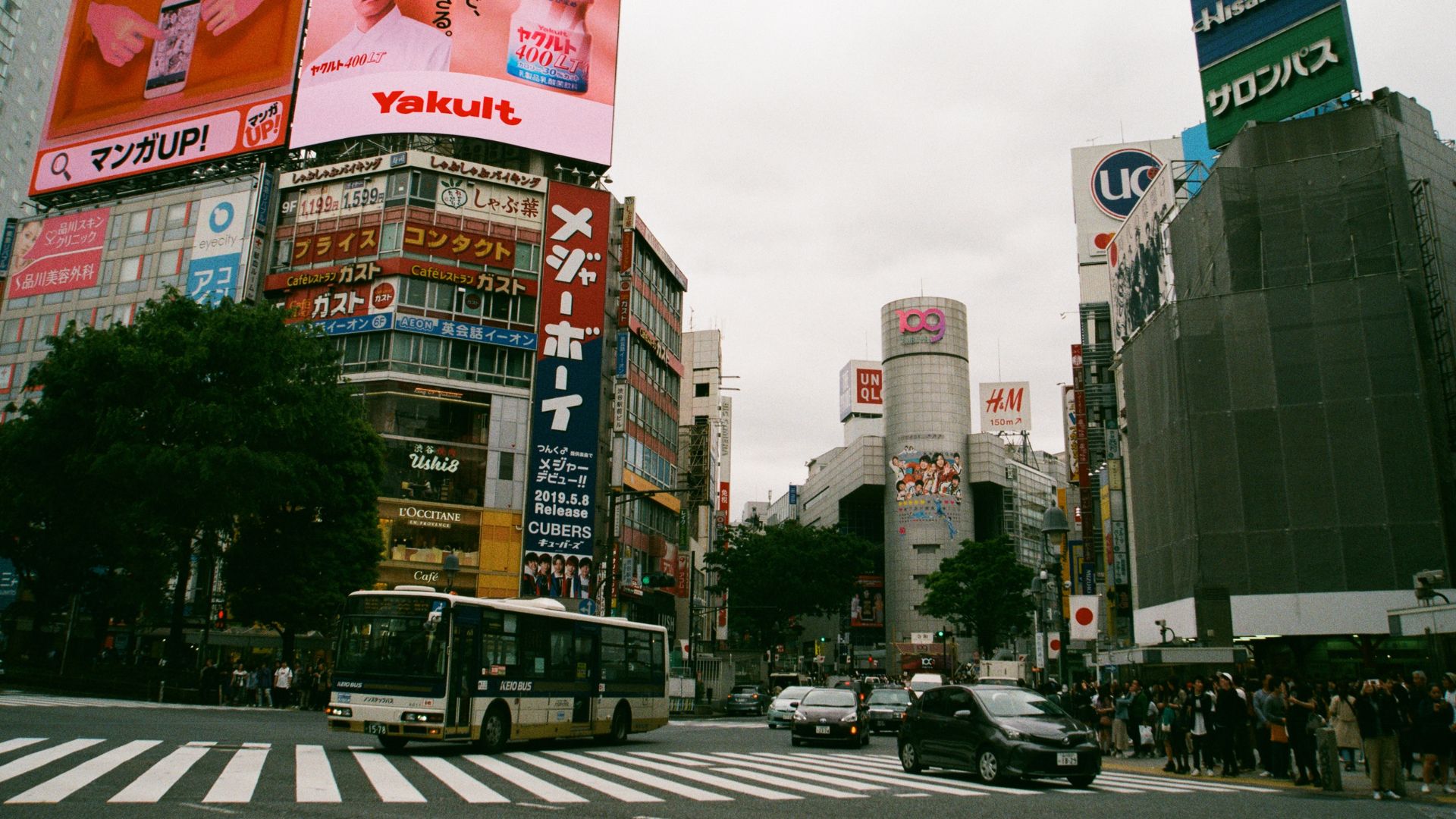
Japan’s reputation for foreignness — the different alphabet, the different customs, the supposedly impenetrable cultural barriers — overstates the difficulty. The reality: Japan is one of the easiest countries in Asia for visitors. The infrastructure works flawlessly. Signs include English translations (usually). People help even when language barriers exist. And the culture, while different, is welcoming to foreigners who make basic efforts. The visitor numbers have surged since the post-pandemic reopening, partly because word has spread that Japan rewards effort with remarkable hospitality and minimal frustration; the country’s reputation among returning travellers is consistently extraordinary.

The transport system requires initial learning but rewards investment. The JR Pass (purchased before arrival, activated at arrival) provides unlimited travel on JR trains including most shinkansen — though after the October 2023 price increase the value calculation has shifted, and for trips concentrated in fewer cities, regional passes or pay-as-you-go now often work out better. IC cards (Suica or Pasmo, or their regional equivalents Icoca and Kitaca) handle local transit, convenience store payments, and vending machines. The Suica is now available as a Mobile Suica in Apple Wallet, removing the need for a physical card; Android users add it through Google Wallet. Google Maps works extremely well for train navigation in Japan, showing not just routes but platform numbers, carriage positions for optimal transfers, and the cost of each leg. Hyperdia, once the standard, has been overtaken by Japan Travel by NAVITIME for more detailed shinkansen planning. The systems seem complex until they become automatic; give yourself permission to make mistakes initially.

Cash remains more important than in Western countries, though the gap is closing. Credit cards work at hotels and department stores; smaller restaurants, shrines, and shops often require cash. ATMs at convenience stores (7-Eleven, Lawson, FamilyMart) accept international cards reliably; Japanese bank ATMs often don’t. Withdraw more than you think you’ll need — there are no fees from the konbini ATM side, though your home bank may charge. The convenience stores themselves are revelations — food quality that puts Western equivalents to shame, services ranging from bill payment to ticket printing to forwarding luggage between hotels, and the comfort of knowing that whatever you need, there’s a konbini within walking distance.

Etiquette matters more in Japan than the easy infrastructure might suggest. Remove shoes when entering homes, ryokan, temples, and some restaurants — look for the shoe-step at the entrance and follow the lead of those before you. Do not eat or drink while walking; pause at a vending machine, finish, and continue. Do not tip; service is included and tipping creates confusion. Keep voices low on trains and avoid phone calls in carriages. Take rubbish with you — public bins are remarkably rare, a legacy of the 1995 Tokyo subway attack. Bow when greeting; a slight nod is sufficient from foreigners and is welcomed. Speak quietly in temples and shrines, and observe whether photography is permitted before taking pictures.

Connectivity solves itself easily. Pocket Wi-Fi rentals were standard a decade ago; eSIMs have largely replaced them, allowing data on arrival without queueing at the airport. Free Wi-Fi exists at most stations, hotels, and major attractions but is less reliable than home connections; an eSIM is worth the modest cost. Tax-free shopping at participating stores requires presenting your passport at purchase and is now processed digitally — the savings on electronics, cosmetics, and clothing can be substantial for purchases over ¥5,000.

Safety in Japan is essentially absolute by international standards. Lost wallets are routinely handed in at police boxes (koban) with cash intact. Women travelling alone face less risk than almost anywhere else in the world. The earthquake and typhoon risks are real but managed through some of the world’s best infrastructure — emergency alerts arrive on phones automatically, hotels keep evacuation information in rooms, and the train operators stop services preemptively when conditions threaten. The cultural homogeneity that travellers sometimes find limiting also produces remarkable consistency in standards. The toilet seats are warm, the trains depart on the second, the food is what the photograph promised, and the staff genuinely seem to want your visit to go well.

Practical Infomation

Useful apps for Japan

Google Maps — The primary navigation tool. Train routes, platform numbers, carriage positions, real-time delays, and walking directions all work as well in Japan as anywhere else.

Google Translate — Download the Japanese offline pack before flying. The camera translation function works on menus, signs, and instructions, and the conversation mode handles spoken exchanges.

Japan Travel by NAVITIME — More detailed train planning than Google Maps, including JR Pass route optimisation and shinkansen reservations.

Mobile Suica (via Apple Wallet / Google Wallet) — Tap-to-pay IC card stored on your phone; works for trains, buses, vending machines, and most convenience stores.

Airalo — Pre-loaded eSIM for instant data on arrival, no airport queueing for SIM cards or pocket Wi-Fi.