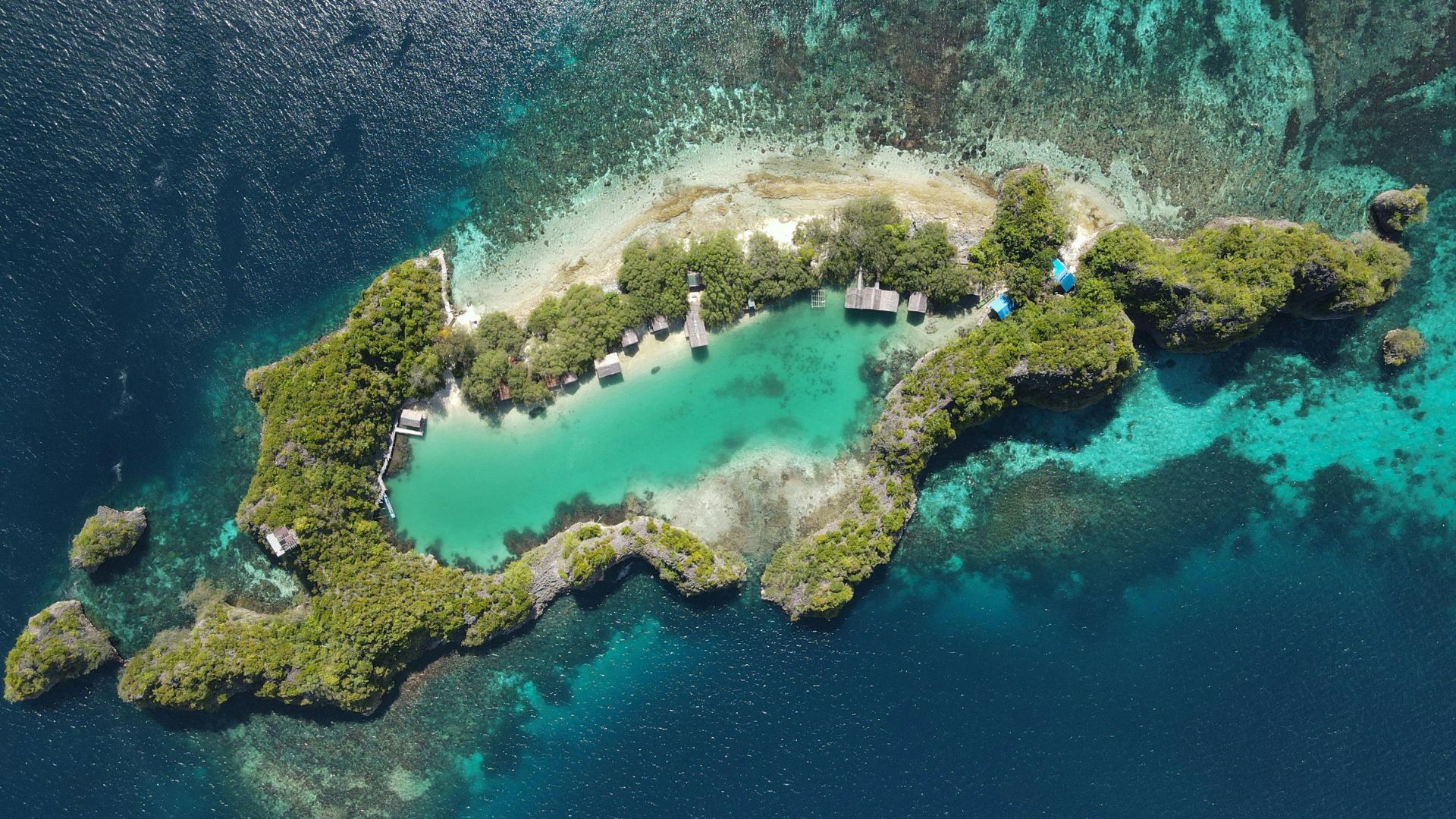
Indonesia’s seventeen thousand islands create both opportunity and challenge. The opportunity lies in diversity — the ability to construct itineraries that combine beaches, mountains, temples, wildlife, and diving within a single country. The challenge lies in logistics — the flights, ferries, and transfers that moving between islands requires. Understanding the transport infrastructure transforms Indonesia from daunting to navigable, though some complexity remains irreducible.
The domestic airline network connects more destinations than most visitors realise. Garuda Indonesia, the national carrier, provides reliable service to major destinations with a service standard that occasionally rivals premium Asian carriers; Lion Air and its subsidiaries provide cheaper connections with variable reliability and a safety record that has improved markedly since the early 2000s but still warrants checking. Citilink and Batik Air sit between the two on price and reliability. The pioneer carriers — Susi Air, Wings Air — reach airstrips that larger aircraft cannot, opening up Sumba, Flores interior, Papua’s highlands, and the smaller Maluku islands. The budget carriers have expanded access to islands that previously required days of boat travel; the tradeoff includes delays, cancellations, and customer service that falls below international standards. Build buffer days into itineraries; accept that connections may not proceed as scheduled; do not book international onward flights too tightly after a domestic Indonesian leg.
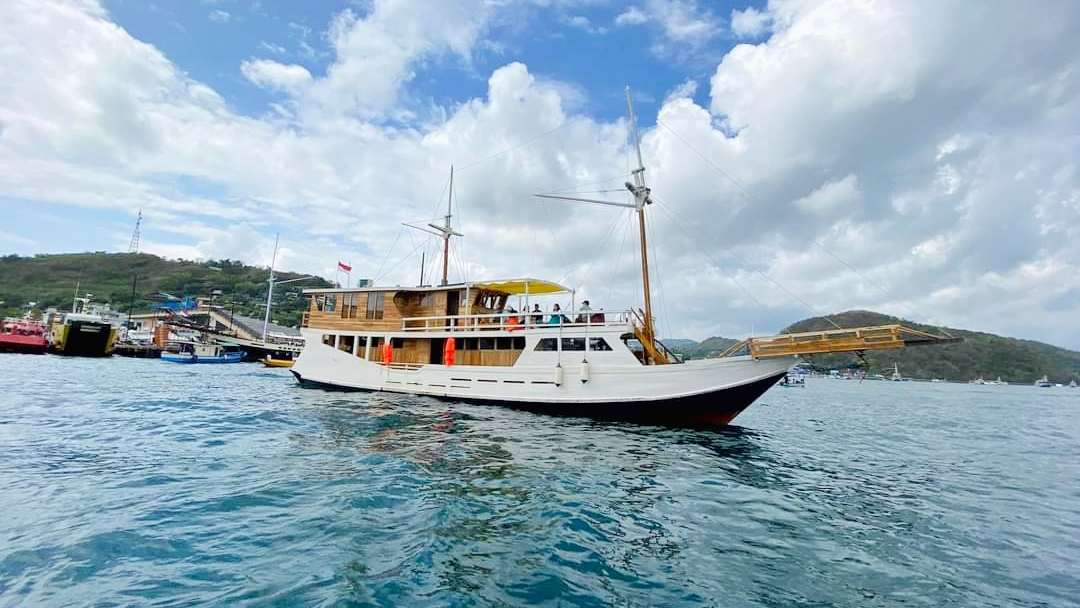
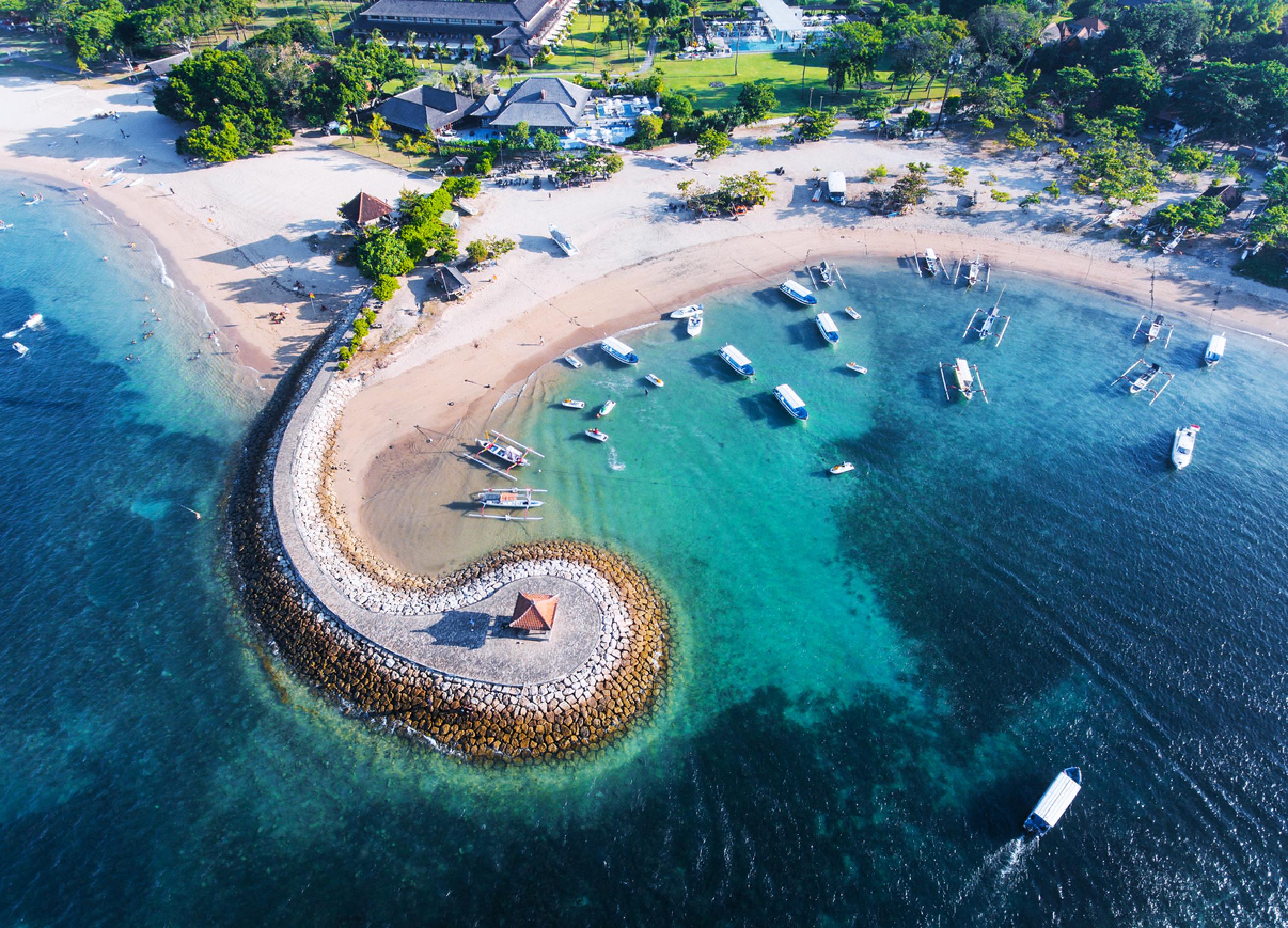
The boat options range from public ferries to private charters. Pelni, the state ferry company, operates large passenger ships connecting major islands on routes that take days rather than hours; the experience is authentic, the schedules approximate, and the comfort level basic. Pelni’s monthly passes appeal to travellers with more time than money and an interest in seeing Indonesia at the pace its citizens often do. The fast boats that service tourist routes — Bali to Lombok, Bali to the Gilis, Bali to Nusa Penida and Lembongan — provide efficient connections from Padang Bai, Sanur, and Serangan harbours but can be uncomfortable in rough seas, particularly during the December-to-February monsoon. Departures from Bali to the Gilis run 90 to 120 minutes and most travellers book through aggregator platforms that compare operators. The liveaboard cruises and private charters that service premium travellers solve logistics while providing experience: the phinisi schooner cruises through Komodo, the yacht charters through Raja Ampat, the expedition vessels that reach destinations regular transport cannot.
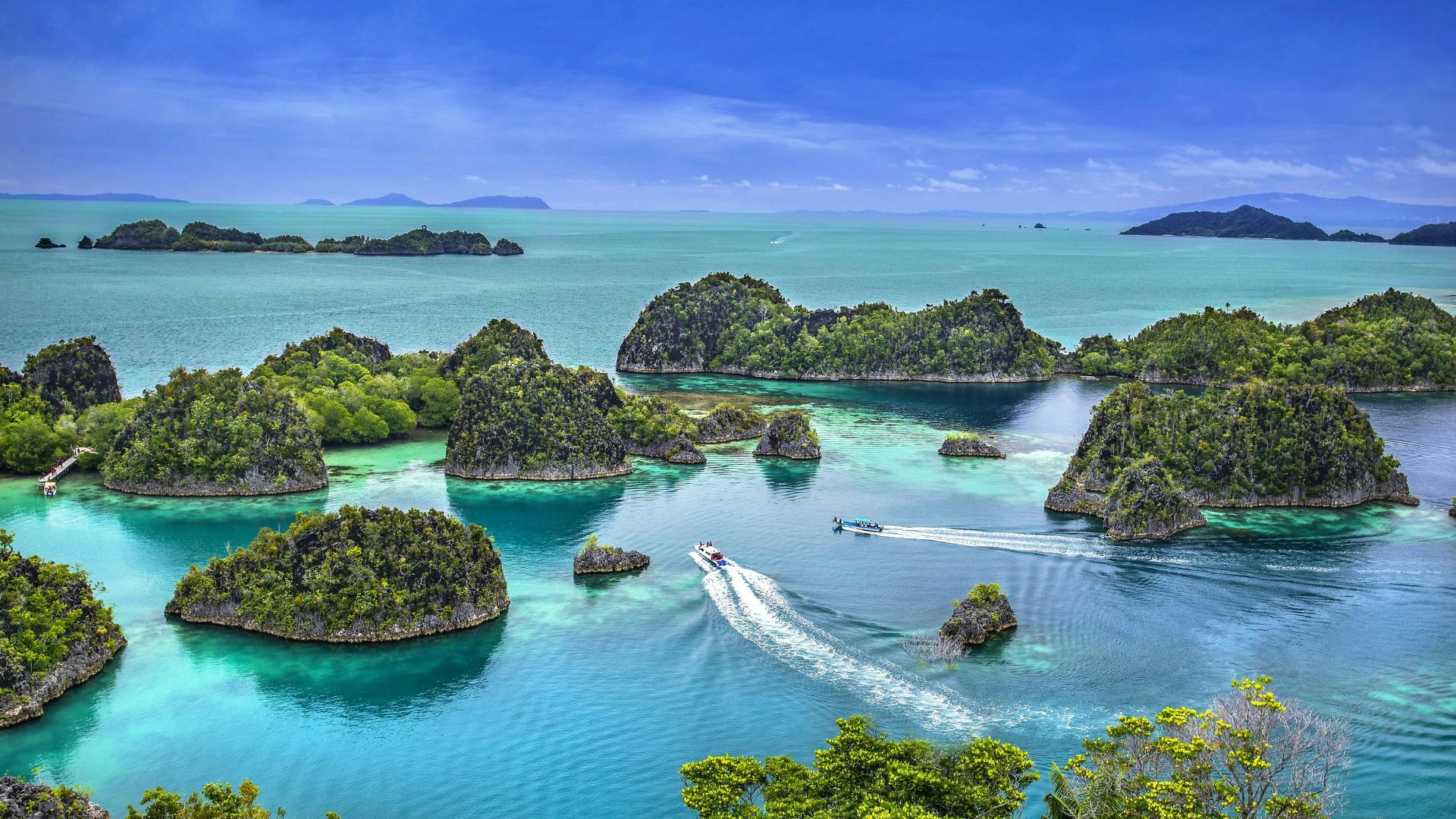
The luxury approach simplifies considerably. The premium properties arrange transfers that remove complexity from guest experience: charter flights to Sumba’s grass airstrip for Nihi Sumba guests, speedboat pickups in Raja Ampat from Sorong for Misool Eco Resort, private transport throughout. The cost is substantial — charter flights and helicopter transfers reach four figures quickly — but the convenience genuine. For travellers whose time matters more than budget, the arranged transfers justify their premiums; the alternative often involves long road journeys, port waits, and arrival at remote destinations late and tired.
The seasonal patterns matter more than they do in larger landmasses. The dry season (May to October) suits most travel; the wet season (November to April) brings storms that ground small aircraft, cancel fast boats, and turn the eastern islands particularly rough. The Komodo liveaboards mostly run April to November; some operators close completely during the worst monsoon months. Plan around these realities rather than against them.
The itinerary planning that logistics require focuses attention on what matters. Three weeks allows four or five islands visited properly; attempting more means seeing airports and boat terminals rather than destinations. The sequential logic — island chains rather than random hopping — reduces backtracking; Java to Bali to Lombok to Flores follows the natural geographic flow, as does the Sulawesi-Maluku-Papua arc for travellers heading east. And the acceptance that some islands will wait for future visits allows the present trip to proceed at pace that permits genuine experience rather than mere coverage. Indonesia is too large to see comprehensively; the goal is depth in selected places rather than breadth that exhausts.