
Inside the Grand Mosque: Sacred Space in the Desert
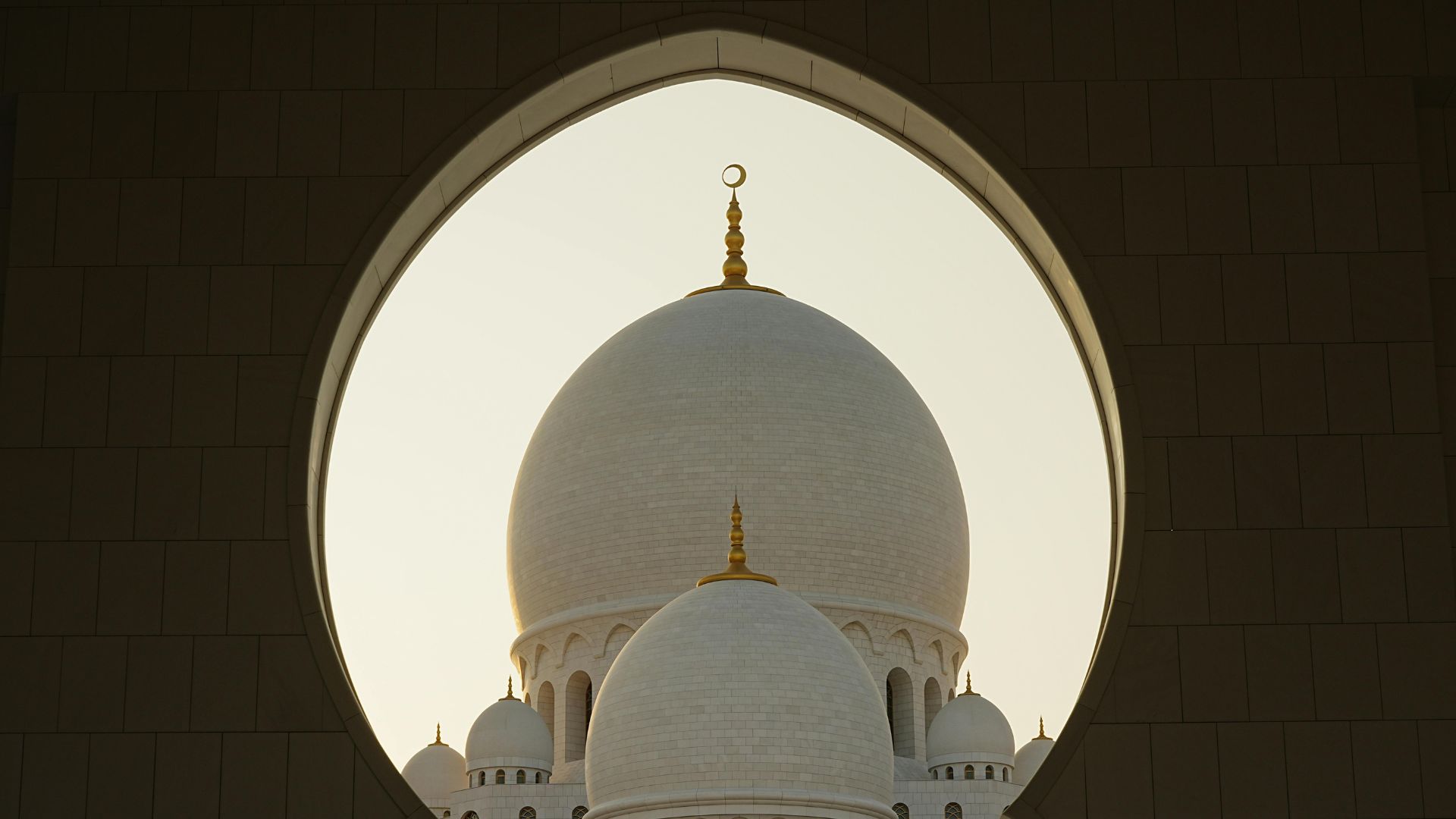
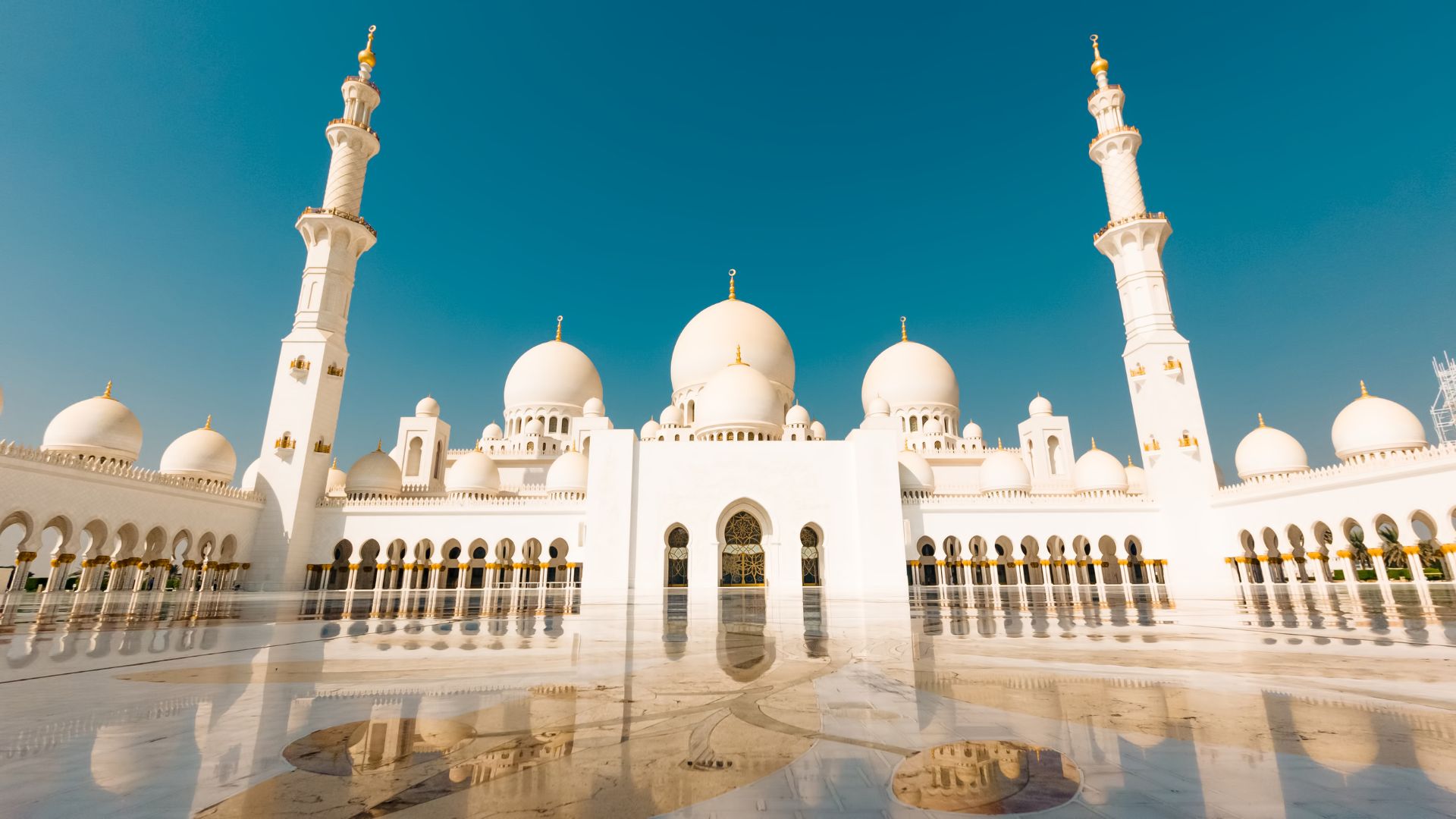
The Sheikh Zayed Grand Mosque does not invite casual description. Statistics help (82 domes, 4 minarets, capacity for 55,000 worshippers including the grounds, the world’s largest hand-knotted carpet) but also mislead, reducing architecture to numbers that cannot convey the experience of standing in the main prayer hall as sunset light filters through the screens. The mosque was completed in 2007 after more than a decade of construction, with artisans drawn from 38 countries and materials sourced from across the world — Macedonian and Greek marble for the white exterior, Italian glasswork, German chandeliers, an Iranian carpet, calligraphy from masters in the UAE, Jordan, and Iraq. It already feels timeless — a building that could have existed for centuries and will exist for centuries more.
Sheikh Zayed bin Sultan Al Nahyan, the founding father of the UAE, conceived the project in the 1980s as something larger than a place of worship: a deliberate fusion of Mughal, Moorish, Ottoman, Persian, and Egyptian Islamic architectural traditions, expressing the unity he wanted his federation to embody. He did not live to see it completed but is buried in a mausoleum on the grounds, marked simply, where prayers are still offered daily. Our guide, Fatima, was Emirati, female, and dressed in an abaya whose understated elegance suggested fashion as much as modesty. She had been guiding at the mosque for twelve years and still seemed moved by the building she showed visitors daily. “Sheikh Zayed wanted a mosque that welcomed everyone,” she explained, “Muslims and non-Muslims, Arabs and foreigners. He wanted beauty that did not intimidate but inspired.” The vision, whatever its theological implications, has been realised: the mosque now receives over five million visitors annually, many of them non-Muslim, all welcomed with genuine warmth and an educational programme that frames the visit as cultural exchange rather than tourism.
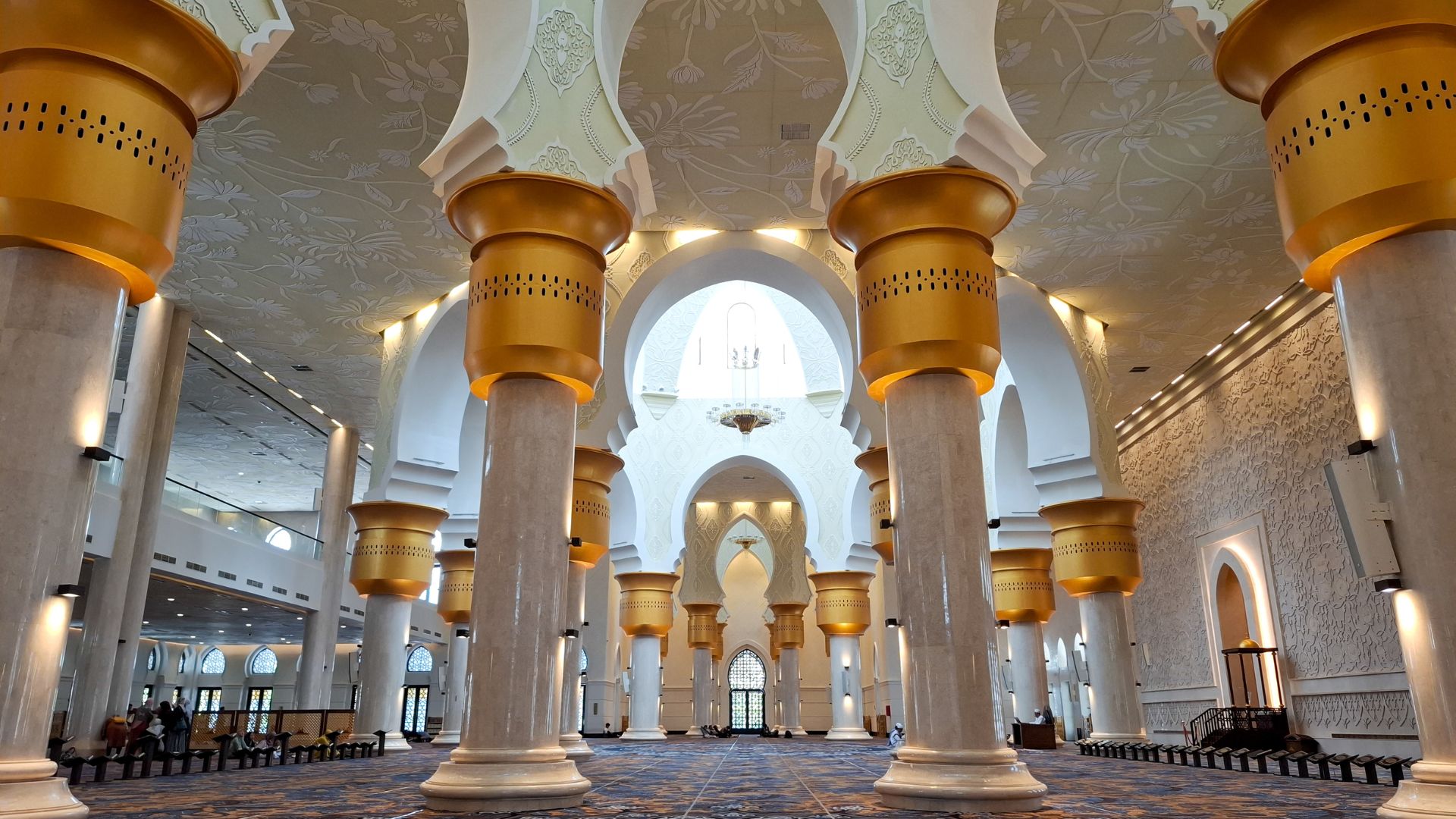
The details reward attention that the scale can overwhelm. The seven Swarovski crystal chandeliers, made in Germany and plated with 24-carat gold, are the largest in any mosque worldwide — the central one weighs nine tonnes and hangs ten metres tall, lit from within by thousands of bulbs that shift through colour during evening prayers. The calligraphy, carved into marble by artists from the UAE and beyond, quotes Quranic verses in scripts that trace typography’s evolution across centuries — the largest single calligraphic panel measures 100 metres long. The 1,096 columns are inlaid with semi-precious stones in patterns that reference Mughal architecture while claiming distinctly Emirati identity. And the carpet — 5,700 square metres, woven by 1,200 artisans over two years in Iran’s Mashhad — achieves the impossible: soft underfoot despite the traffic, beautiful despite the scale, prayer-worthy despite the tourists. The reflective pools surrounding the mosque double the visual effect at every turn, and at blue hour, when the courtyard lights illuminate and the marble shifts from white to silver to gold, photography becomes a meditation in its own right.
The visit rewards preparation. Entry is free but advance online booking via the official SZGMC portal has become essential during peak seasons; turning up without a slot now often means waiting hours or being turned away entirely. The dress code is strictly enforced — long, loose clothing covering elbows and ankles for both sexes, with a headscarf for women — and the free abaya rental that used to handle unprepared visitors was suspended in 2020 and has not returned. A small souq near the entrance now sells appropriate clothing from AED 40 (£8), but bringing your own from home or your hotel saves time and money. The free guided cultural tours run several times daily and are excellent; the night photography is best from the reflective pools or from the Wahat Al Karama memorial across the road, which honours the country’s fallen servicemen and remains accessible 24 hours. Avoid Friday mornings entirely (the mosque closes to non-worshippers from approximately 12pm until 3pm for Jumu’ah prayers), and prefer winter months (November to March) when the marble doesn’t reflect direct summer sun.
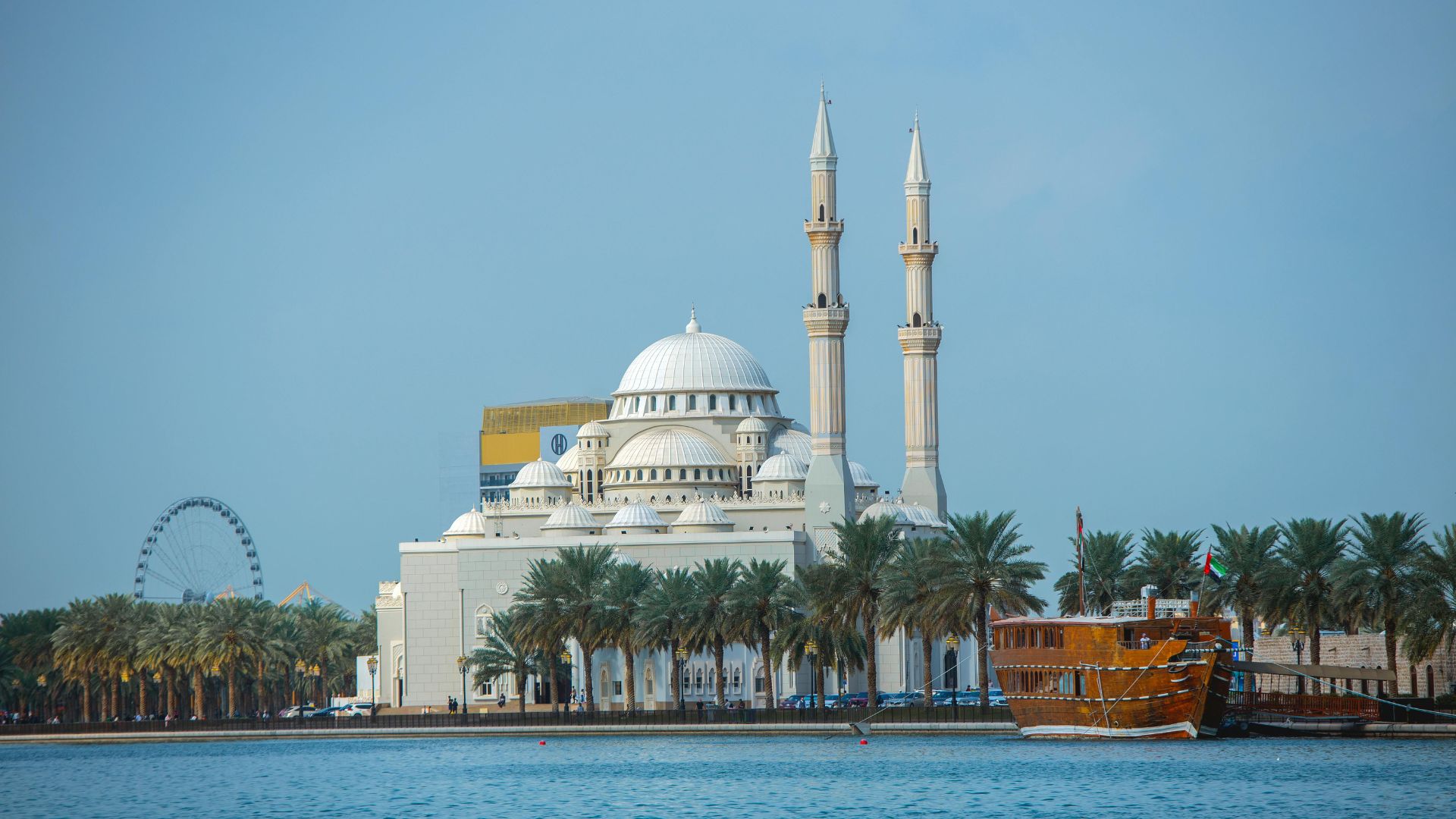
We left as the call to prayer echoed across the water features, feeling we had witnessed something that exceeded tourism’s usual categories. Dubai’s Jumeirah Mosque, smaller and more intimate, runs its own “Open Doors. Open Minds.” programme that focuses explicitly on cross-cultural exchange; the newer Sheikh Zayed Mosque in Fujairah, the second-largest in the UAE, offers a quieter alternative for travellers heading to the east coast. But Abu Dhabi’s Grand Mosque remains the singular experience: architecturally, culturally, and in the way it stays with you after you have left.
Practical information
Sheikh Zayed Grand Mosque — Abu Dhabi. Free entry; pre-book your visit slot via the official website. Open Saturday to Thursday 9am–9pm; Friday 9am–12pm and 3pm–9pm.
Free Cultural Tours — Daily guided tours led by SZGMC cultural specialists; multilingual options available. Book through the visitor portal.
Jumeirah Mosque (Dubai) — Sheikh Mohammed Centre for Cultural Understanding. Guided tours from AED 35 (£7.50) per person; includes traditional Emirati refreshments and Q&A.
Sheikh Zayed Mosque, Fujairah — Fujairah. The UAE's second-largest mosque; free entry, quieter than Abu Dhabi, suitable for east-coast itineraries.
Wahat Al Karama — Memorial across from the Grand Mosque honouring UAE's fallen servicemen. Free entry, open 24 hours; offers some of the best night photography vantage points.
The Ritz-Carlton Abu Dhabi, Grand Canal — Hotel directly opposite the mosque with rooms facing it. From approximately AED 1,200 (£260) per night.
About Authour
James Harrington is The Travelling Telegraph's UAE correspondent. Based in Dubai since 2014, he covers luxury travel, desert heritage, and the Gulf's evolving cultural scene.