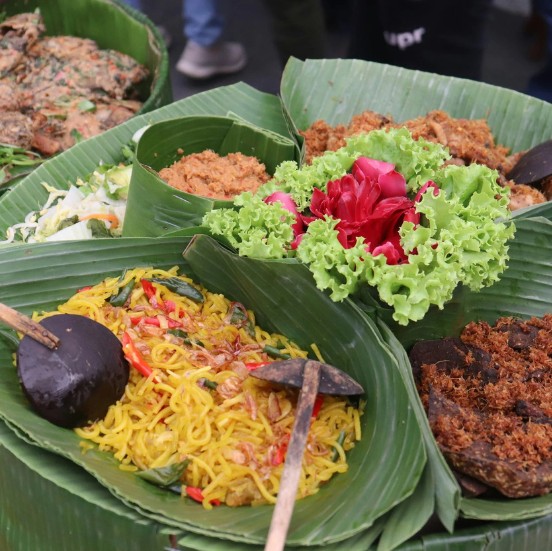
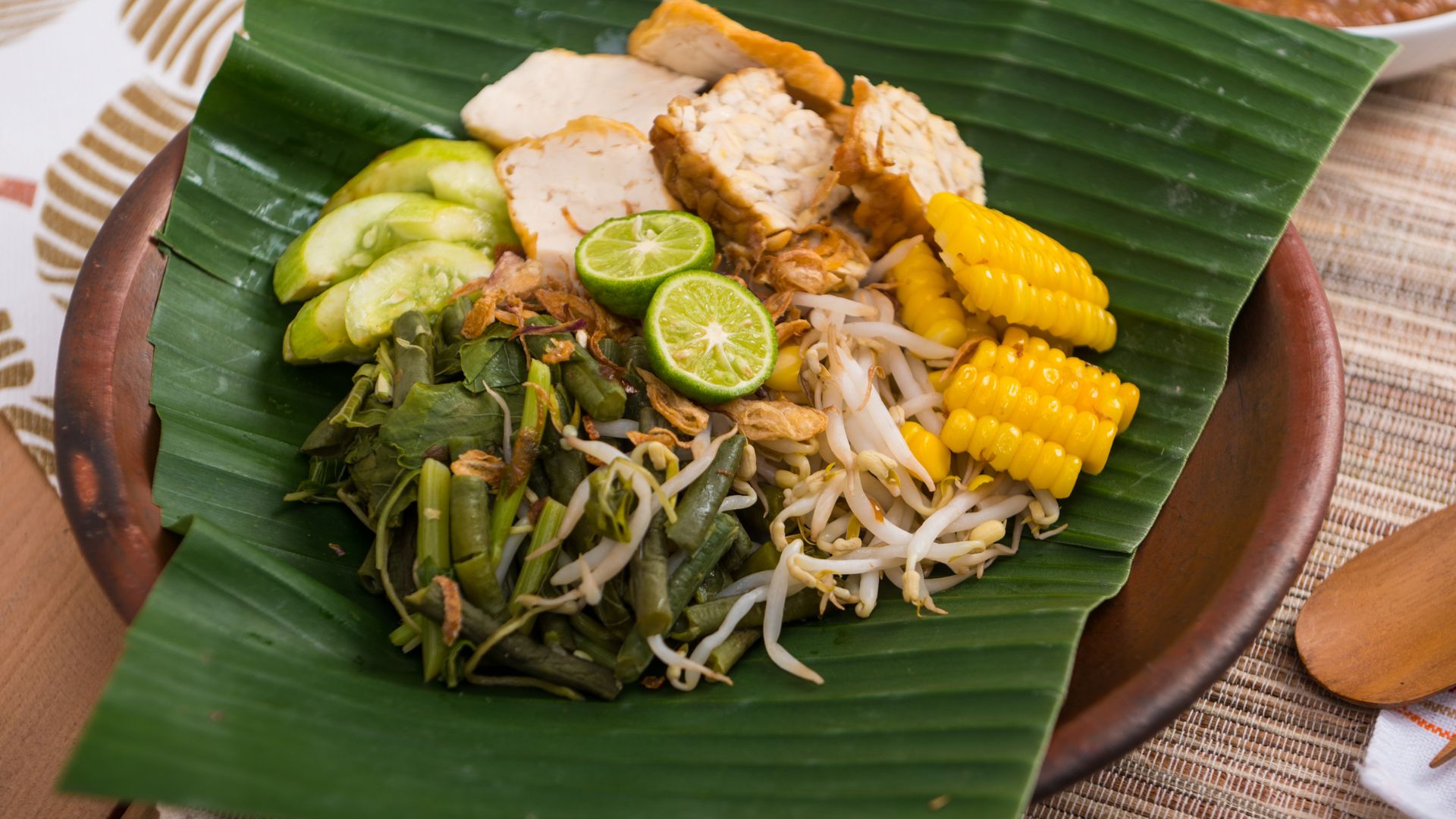
To understand Indonesia through its food is to understand that there is no singular Indonesian cuisine, only Indonesian cuisines — plural, regional, shaped by the particular accidents of geography and history that made each island what it is. Java eats differently from Sumatra; Bali eats differently from Sulawesi; and the street food of Jakarta bears only passing resemblance to the ceremonial feasts of rural Toraja. The archipelago that comprises seventeen thousand islands comprises at least as many culinary traditions, unified by rice and complicated by everything else. The spice trade that drew European fleets across oceans began here, and the ingredients that transformed global cooking — nutmeg, cloves, pepper, mace — remain central to the dishes that travellers encounter today.
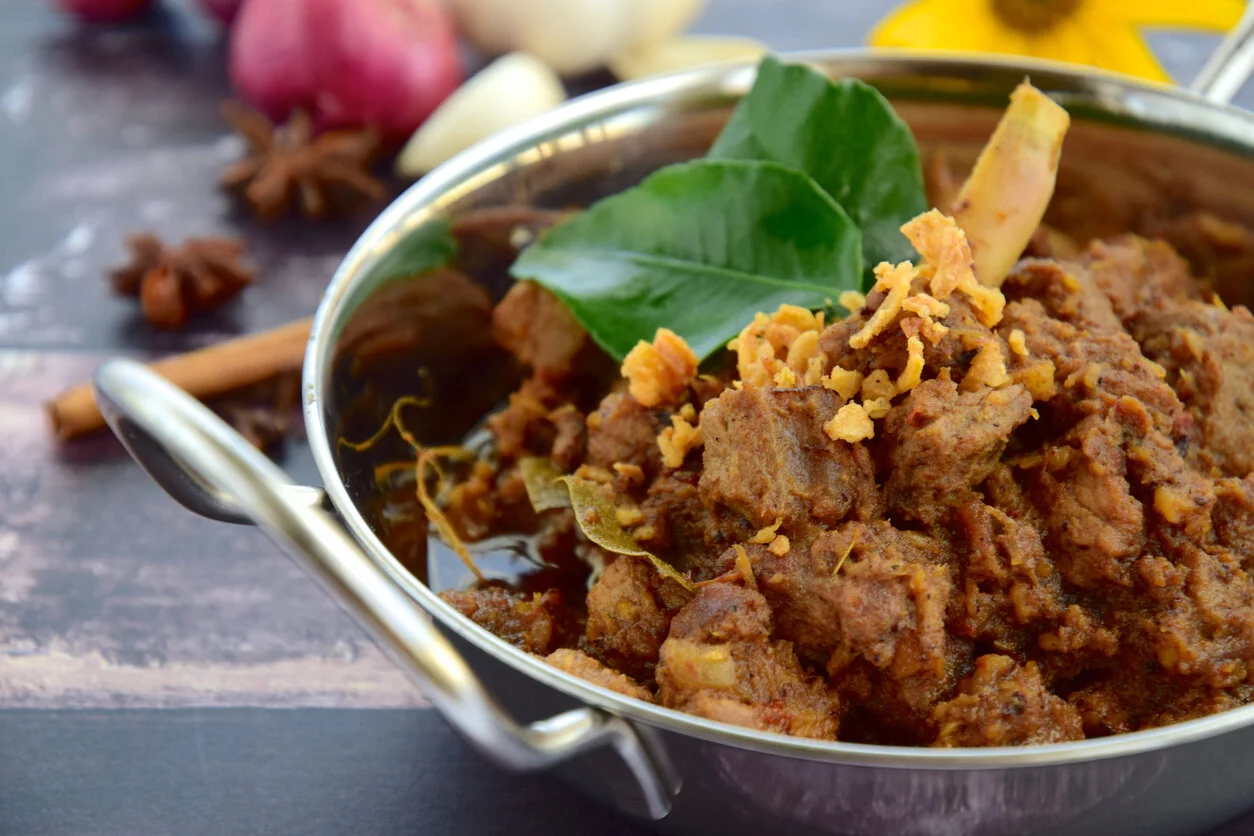
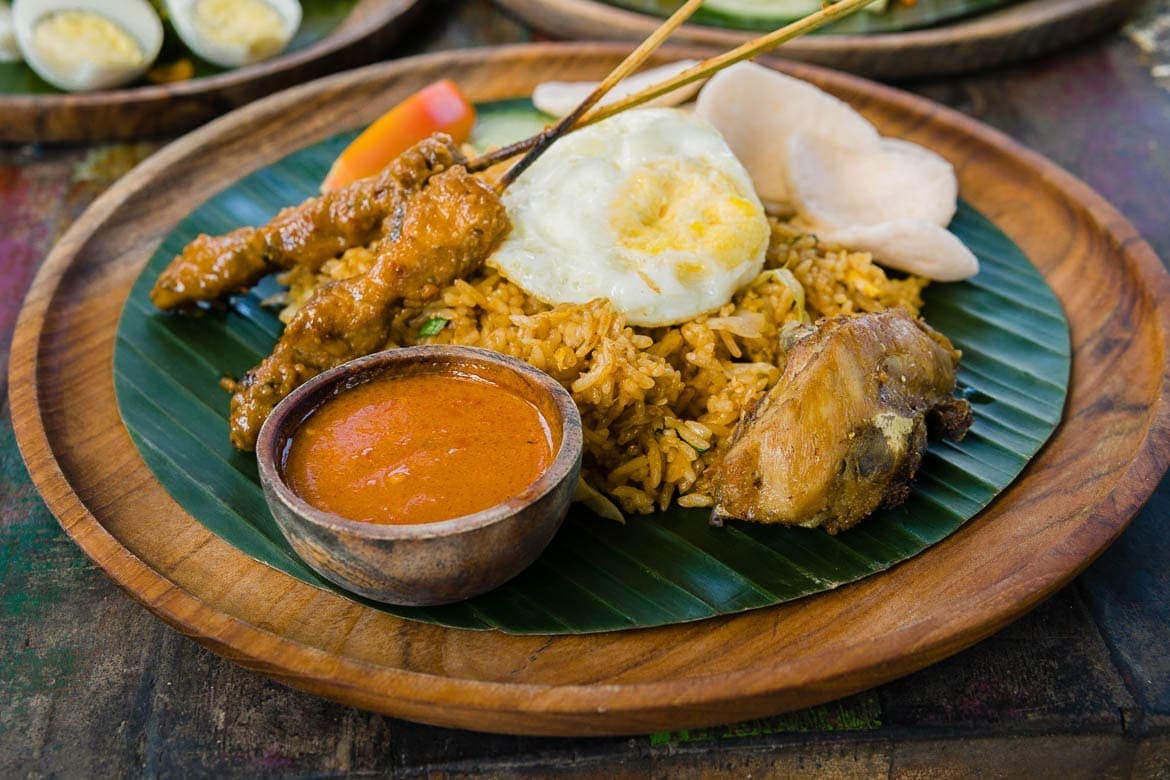
Certain dishes have achieved national status. Nasi goreng — fried rice with egg, sweet soy sauce, and whatever protein is available — appears everywhere, from street stalls to hotel breakfast buffets, varying in quality from transcendent to merely adequate. Satay, the grilled skewers with peanut sauce that have conquered the world, originated here and remain better in their homeland, particularly the chicken satay of Madura and the goat satay of Solo. Rendang, the slow-cooked beef in coconut and spice that CNN once named the world’s most delicious food, comes from Padang in West Sumatra but has spread across the nation, taking hours of patient reduction until the meat darkens and the sauce concentrates into something approaching jam.
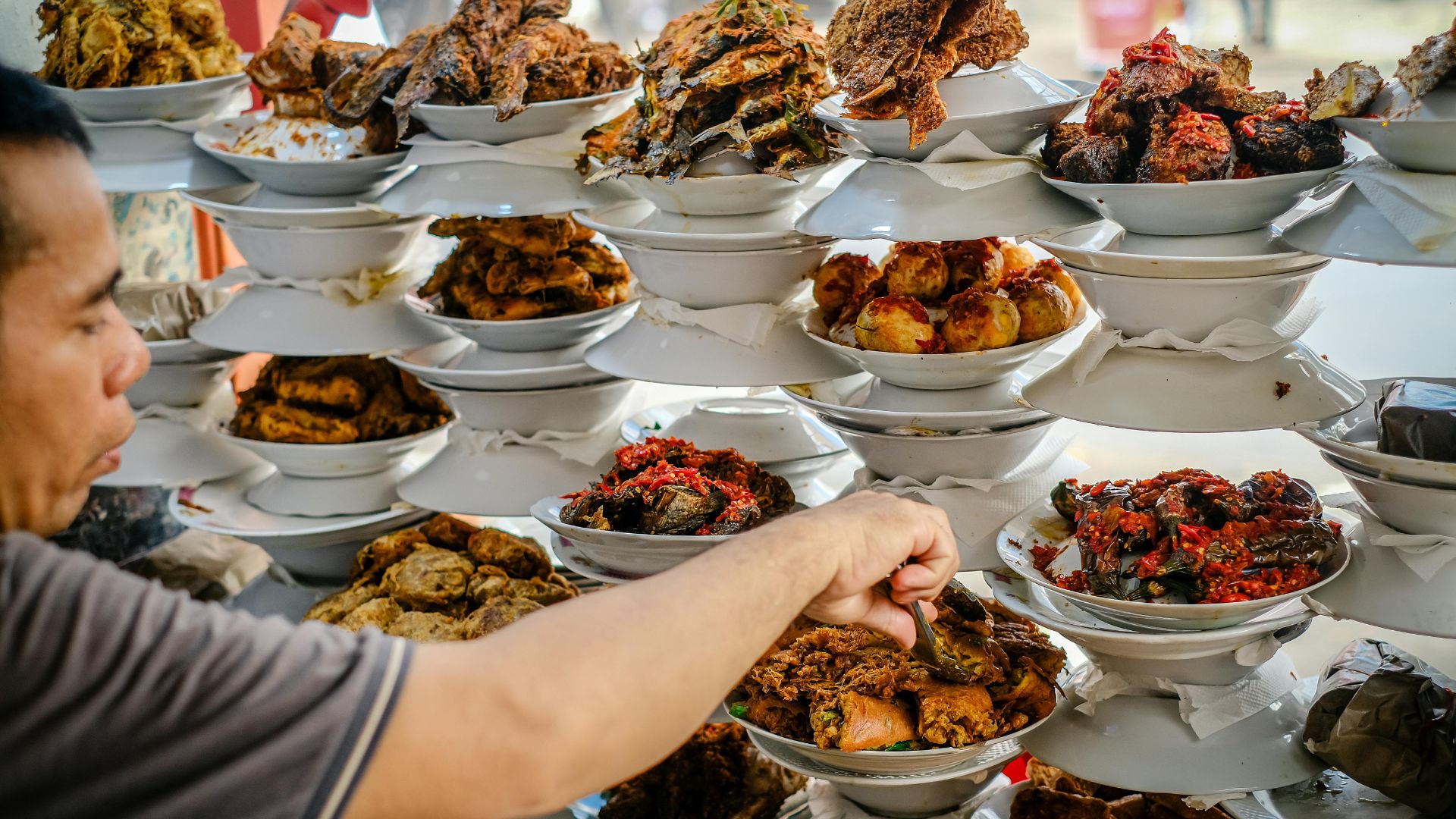
The regional specialties reward exploration. Balinese cuisine includes babi guling — spit-roasted suckling pig stuffed with spice paste — that exists only where Hindu traditions permit pork, and bebek betutu, a duck slow-cooked in banana leaves with a spice paste so complex it takes a day to prepare properly. Javanese cuisine tends sweeter, with gudeg (jackfruit stewed in palm sugar) and the refined court cooking of Yogyakarta, where royal kitchens preserved techniques across generations. Sumatran cuisine brings heat, particularly in the Padang restaurants that have spread across Indonesia and display their dishes in towers of small plates — you pay only for what you eat, an honour system that has somehow survived modernisation. The seafood traditions of Sulawesi and the eastern islands reflect oceanic abundance that the interior islands cannot match: grilled fish so fresh it was swimming hours earlier, often accompanied by dabu-dabu, a raw sambal of chilli, tomato, shallot and lime that wakes up everything it touches.
The street food culture rewards travellers who venture beyond hotel grounds. The kaki lima — five-legged carts, named for the cart’s three wheels plus the vendor’s two feet — serve everything from bakso (meatball soup) to martabak (a stuffed pancake that defies easy description). Night markets in Yogyakarta, Bandung, and Surabaya transform when the sun sets, with vendors specialising in single dishes perfected across decades. The hygiene concerns that deter some travellers are largely manageable with sensible choices: busy stalls with high turnover, freshly cooked food, and the willingness to follow local diners rather than guidebook recommendations.
Eating well in Indonesia requires seeking out the local and the specific. The warungs — small family restaurants that serve a limited menu of specialties — consistently outperform the hotel restaurants attempting to please international palates. The markets provide breakfast experiences that hotel buffets cannot approach: bubur ayam (chicken rice porridge) topped with crispy shallots, nasi uduk (coconut rice) with sides chosen from a glass display case. And the luxury resorts that have invested in Indonesian cuisine — Nihi Sumba, Amandari, the better properties across the archipelago — demonstrate that the food deserves fine dining treatment rather than mere authenticity performance. The new generation of Indonesian chefs trained internationally are returning home to elevate dishes their grandmothers cooked, with results that have begun appearing on World’s 50 Best lists.
The drinks deserve attention too. Indonesian coffee, grown across the archipelago from Sumatra’s Gayo highlands to Bali’s volcanic slopes, has shaped global coffee culture for centuries. Jamu — the traditional herbal tonics sold by women carrying baskets through residential neighbourhoods — provides a parallel culinary tradition focused on health rather than pleasure. The cooking classes offered by hotels and independent operators provide skills that travel home. Learning to make satay sauce, to balance the spices in rendang, to prepare the sambal that accompanies nearly every Indonesian meal — these are souvenirs more lasting than batik or woodcarving. Indonesian cuisine has begun to receive international recognition it has long deserved; experiencing it at source, in its full regional variety, reveals why the recognition took so long. The complexity defies simple categorisation. The flavours reward the effort of understanding.