
Falconry at Sunrise: The Emirati Sport of Kings
The falcon is not a pet in Emirati culture — it is a partner, a tradition, and, increasingly, a status symbol whose prices can exceed luxury cars. Our introduction came at 5am in the desert outside Dubai, where a falconer named Mohammed waited with three birds and the patient manner of someone who had educated many confused tourists. “The falcon hunts with us,” he explained, “not for us. We are partners. If the falcon does not choose to return, we have failed.” It was, I realised, a philosophy with applications beyond ornithology. The bird is woven into national identity in ways the casual visitor underestimates — it appears on the UAE’s coat of arms, on the currency, on Etihad Airways’ livery, and in the daily ritual of every serious practitioner across the Gulf. UNESCO inscribed falconry on its Representative List of the Intangible Cultural Heritage of Humanity in 2010, the result of a multinational nomination led by the UAE that now includes eighteen countries; the late Sheikh Zayed, the federation’s founding father, considered the practice central to the national character he wanted to preserve.
Mohammed’s birds were saker falcons, the breed traditionally preferred by Gulf falconers for their desert adaptation and hunting temperament, though many top-end birds today are hybrids of saker and gyrfalcon (the larger Arctic species) that combine speed with power in ways pure-bred sakers cannot match. Each cost approximately AED 200,000 (£44,000); each had a name, a personality, and a training history that Mohammed recounted with obvious affection. The most valuable, a female named Shama, had won competitions whose prizes exceeded the GDP of small nations. Indeed, the Fazza Championship for Falconry — held annually in Dubai in January — distributes prize money in the millions of dirhams across multiple categories, and the President’s Cup in Abu Dhabi attracts entries from across the Arabian Peninsula. Shama regarded us with the contempt that apex predators reserve for those who buy their meat at supermarkets.
The demonstration was simple but affecting. Mohammed released Shama; she circled once, twice, then stooped toward a lure at speeds that made photography futile. The impact was audible from thirty metres. The return to Mohammed’s glove was almost immediate — not obedience, exactly, but partnership visible in action. Modern training has evolved: alongside the traditional lure (a leather pad with feathers and bait) Mohammed showed us a drone-mounted version that simulates prey behaviour at altitude, technology that elite trainers now use to develop the high-speed dive that competitions reward. “In the old days,” he said, “the falcon fed the family. Now the family feeds the falcon. But the relationship is the same.” He seemed entirely serious. Watching Shama adjust her feathers and accept a morsel of quail, I believed him.
The infrastructure surrounding modern Emirati falconry is substantial. Each bird requires a falcon passport — a genuine document with photograph, microchip ID, and CITES certification — to travel between countries; Etihad and Emirates both have established protocols for falcons in the cabin, and a single Gulf passenger may be accompanied by half a dozen birds on a single flight. The Abu Dhabi Falcon Hospital, the world’s largest facility of its kind, has treated over 64,000 patients since opening in 1999, with a veterinary staff that performs everything from beak and talon “pedicures” under anaesthesia to feather grafting that uses moulted feathers from other birds to repair damage during the hunting season. The Sheikh Zayed Falcon Release Programme has returned over 2,100 birds to the wild across central Asia since 1995, addressing the conservation concerns that the trade in wild-caught birds historically raised. The result is a tradition that has not just survived modernisation but adapted to it, in ways that combine ancient practice with contemporary logistics — falcons in business class, microchips in tail feathers, drones in training, hospitals dedicated to single species. Mohammed and Shama, in their dawn-lit corner of the desert, embodied both ends of that timeline simultaneously.
Practical information
Royal Shaheen Events — Dubai. Falconry safaris in the Dubai Desert Conservation Reserve; private tours from approximately AED 1,055 (£230) for 1.5 hours, AED 1,244 (£270) with five-star breakfast.
Abu Dhabi Falcon Hospital — Abu Dhabi. Guided tours daily at 10am and 2pm; from approximately AED 195 (£42) per person; includes museum, free-flight aviary, and the chance to handle a falcon.
Platinum Heritage Falconry Safari — Dubai Desert Conservation Reserve. Heritage Land Rover safari with falconry display; from approximately AED 936 (£200) per adult.
Fazza Championship for Falconry — Dubai. Annual championship held in January with multiple competition categories; spectators welcome at the Al Marmoom heritage site.
Al Maha, A Luxury Collection Desert Resort — Dubai Desert Conservation Reserve. Falconry demonstrations included for resort guests; the original luxury desert experience in the UAE. From approximately AED 3,500 (£760) per night.
Dubai Falcon Heritage and Sports Centre — Nad Al Sheba, Dubai. Working falconry centre with training grounds; not a tourist attraction but visitors can sometimes arrange visits through cultural operators.
About Authour
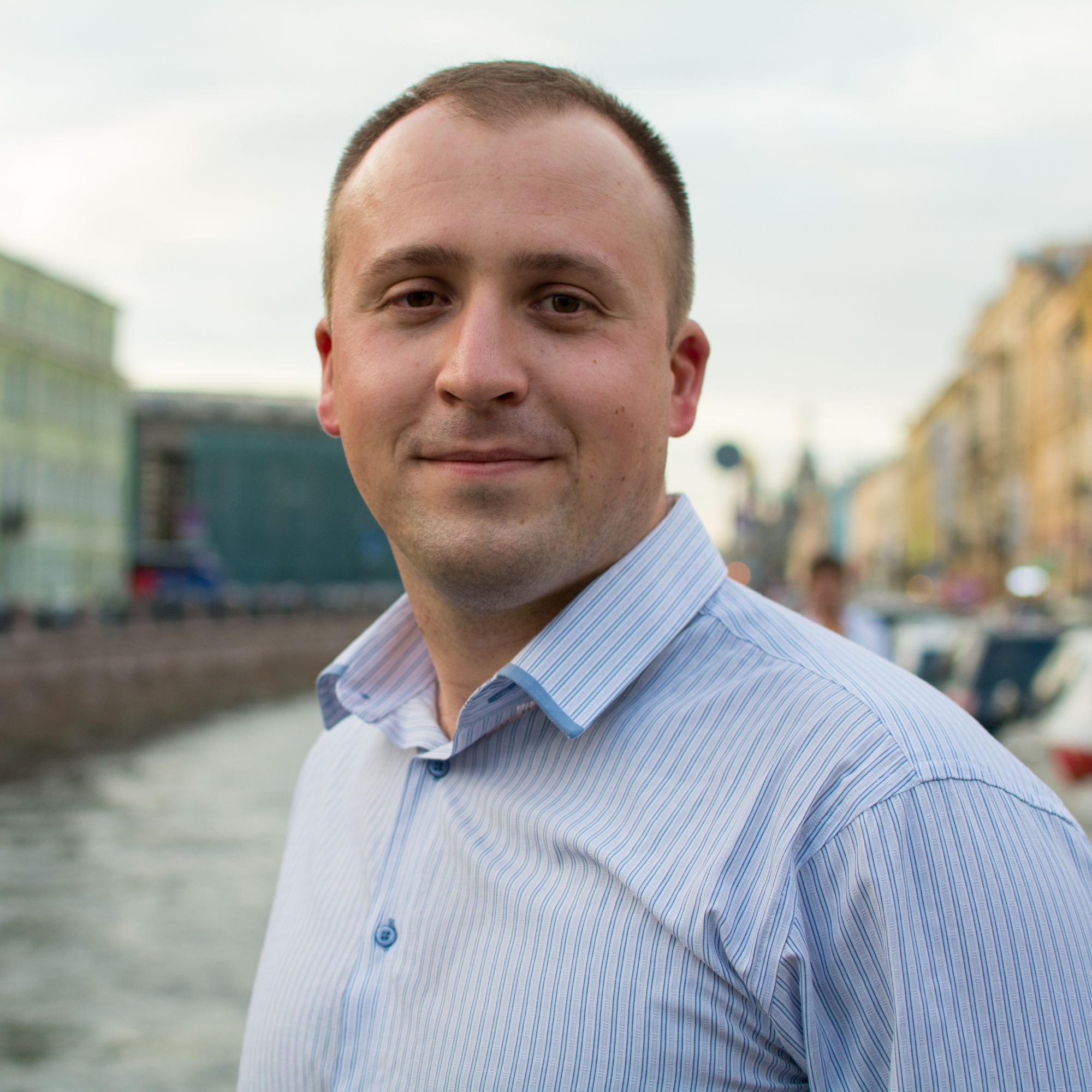
James Harrington is The Travelling Telegraph's UAE correspondent. Based in Dubai since 2014, he covers luxury travel, desert heritage, and the Gulf's evolving cultural scene.