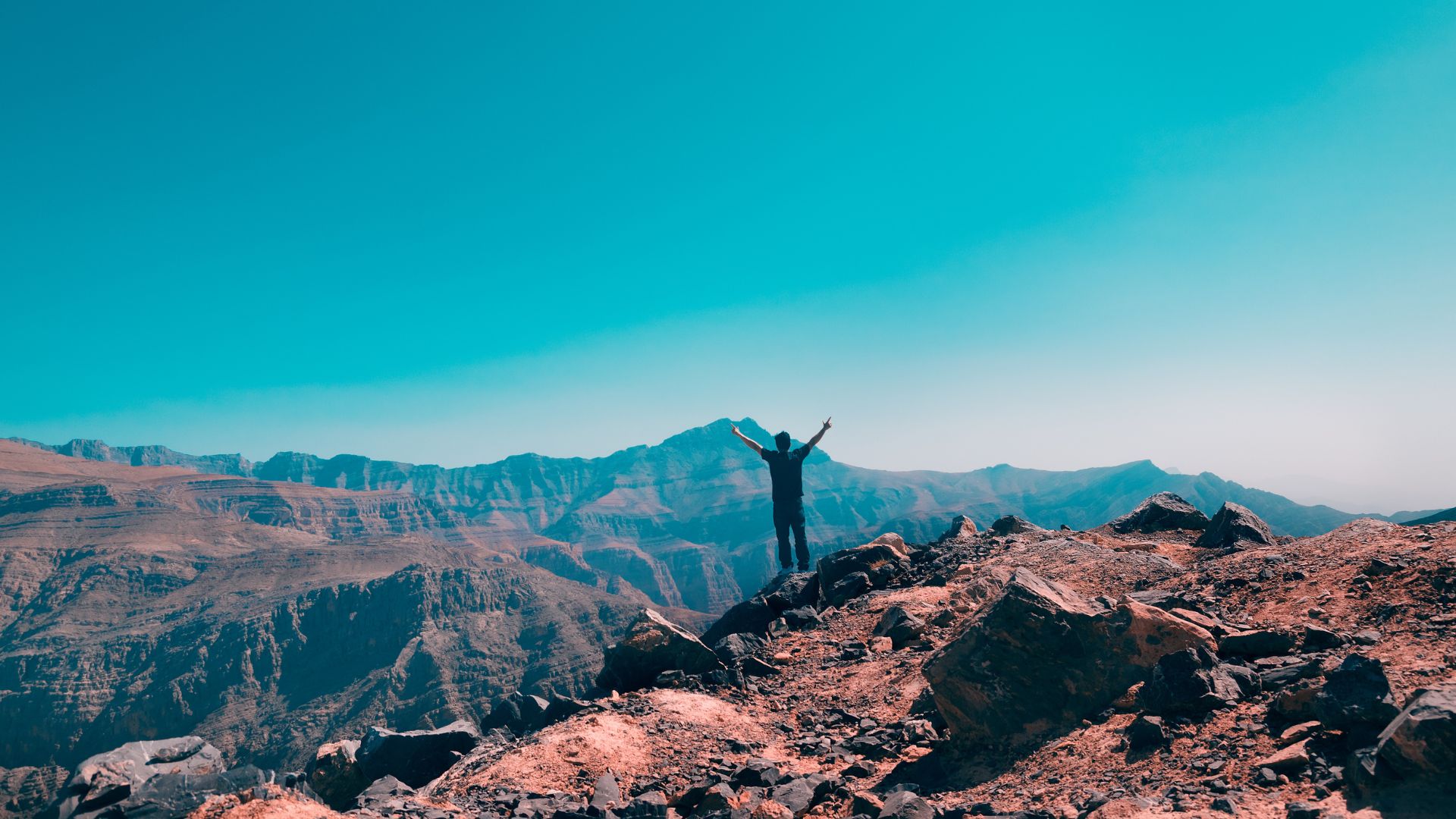
The road from Ras Al Khaimah to Fujairah climbs through terrain that confounds every assumption about the UAE. The Hajar Mountains, rising to nearly 2,000 metres, are not sand but rock — ancient limestone and ophiolite in shades of brown and orange that recall Arizona more than Arabia. The range is some 70 million years old, formed when the Arabian Plate collided with the Eurasian Plate, and the dark green ophiolite rock exposed here is among the most extensive ocean-floor uplift visible anywhere on Earth (geologists travel specifically to study it). The temperature drops with altitude; the vegetation thickens; and the villages that appear in valleys seem to belong to a different country than the one you left an hour ago. Stone houses, terraced fields, and the falaj irrigation channels that the mountain communities have used for centuries to capture and distribute snowmelt — none of this fits the Burj Khalifa version of the UAE that dominates the brochures.
We stopped at Wadi Shawka, a valley where freshwater pools survive even the summer heat. The path from the road to the first pool took twenty minutes of scrambling over boulders; the reward was water cool enough to shock and clear enough to see every stone on the bottom. Other hikers — Emirati families, mostly, for whom the mountains are weekend escape — picnicked on the rocks, their children splashing while their parents watched with the contentment of people returning to something familiar. The mountain villages here predate the federation by centuries, and the families that own the terraces and date palms in the wadis trace their lineage to specific tribes — the Shihuh, the Habus, the Dhahuriyin — whose Bedouin heritage in this corner of Arabia is distinct from the coastal Emirati identity that international visitors typically encounter.
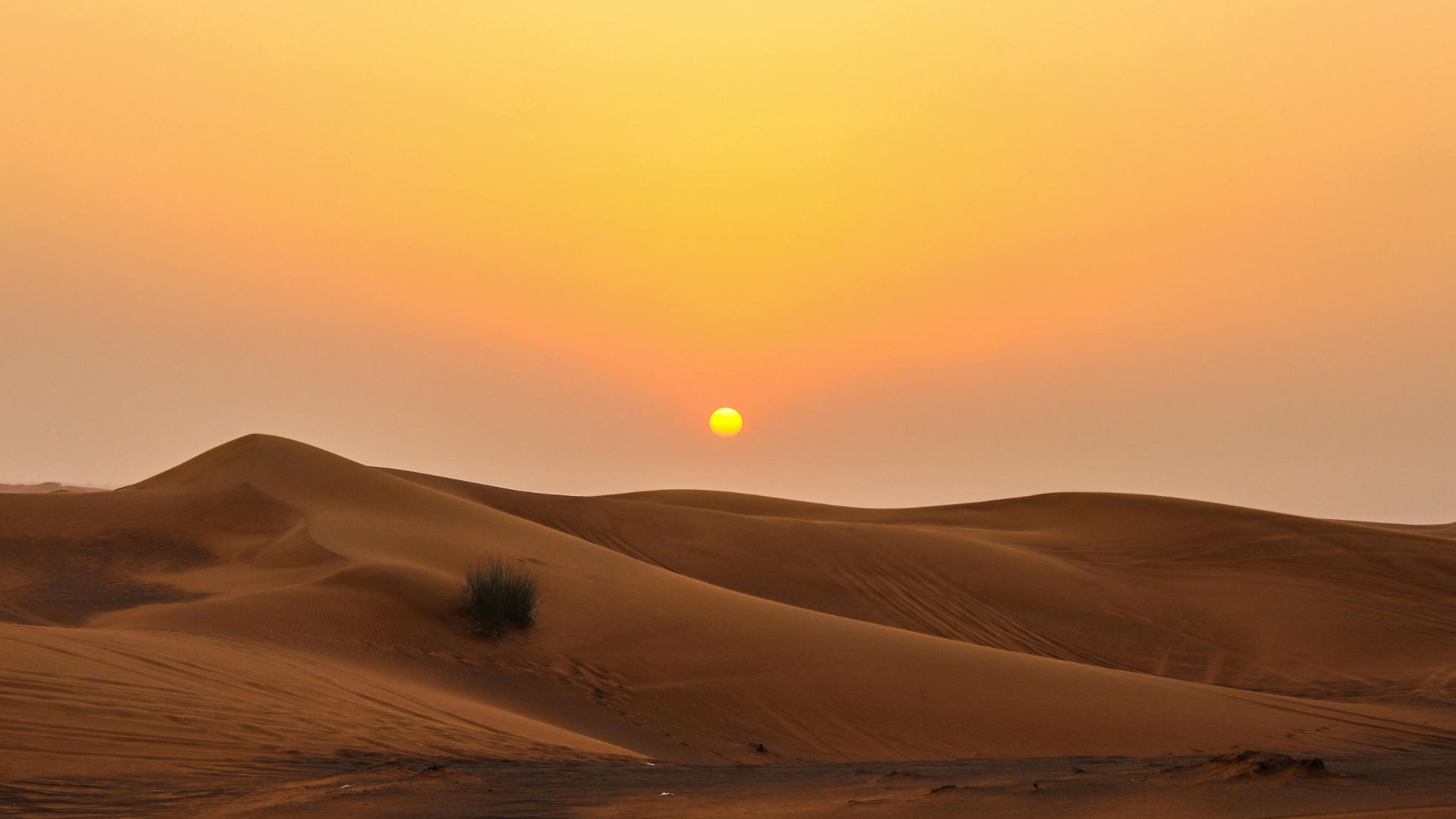
The summit road to Jebel Jais, completed in 2016, provides the drive’s climax: hairpin bends with views that extend to Oman’s Musandam peninsula, observation platforms designed for the Instagram generation, and, at the top, temperatures that required the jackets we’d packed with scepticism. Winter mornings here regularly drop below 10°C; the rare snow showers that occasionally dust the summit make national news. The UAE’s highest point (1,934 metres) feels nothing like the country below — cooler, quieter, wilder, and somehow more itself for being less developed. The Jebel Jais Flight, the world’s longest zipline at 2.83 kilometres, launches from a falcon-shaped platform near the summit and carries riders at speeds up to 160 km/h above the canyons; the adjacent Sky Tour features six progressively faster lines and a glass-floored sky bridge for those who prefer their adventure in escalating doses. We stayed for sunset, watching the desert far below turn from gold to orange to the blue-grey of twilight, and understood why Emiratis speak of these mountains with affection that the coastline rarely inspires.
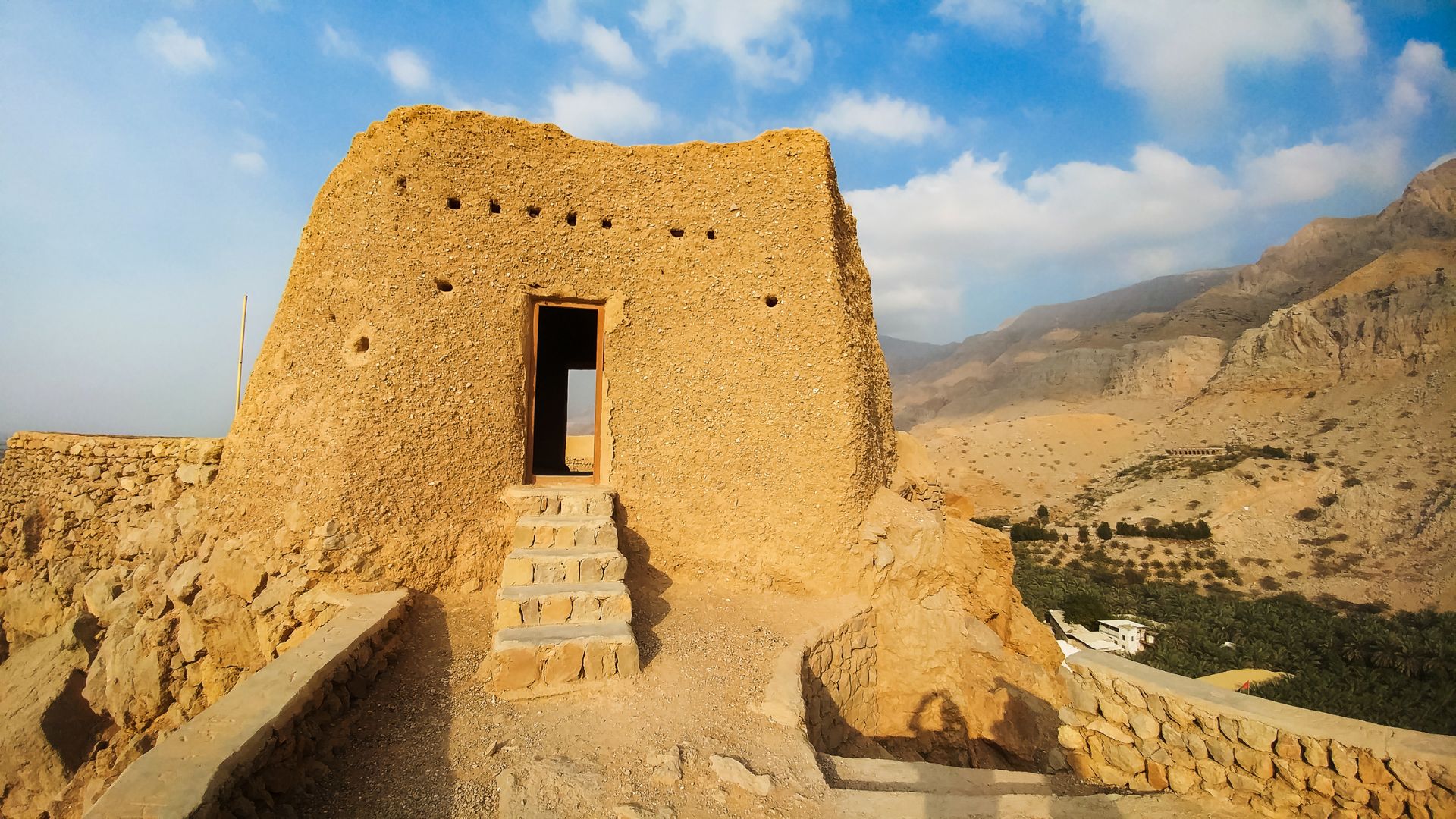
The mountains reward extended exploration. Hatta, Dubai’s mountain enclave bordering Oman, offers kayaking on its turquoise reservoir, mountain biking trails of all grades, and a heritage village that reconstructs the traditional mountain settlement around a 16th-century mosque and watchtowers. Jebel Hafeet, rising 1,249 metres on the Abu Dhabi-Oman border above Al Ain, provides a 12km switchback drive consistently rated among the world’s great driving roads, with cooler air, ibex sightings, and the Mercure Grand Hotel at its summit for those who want a base. Wadi Tayyibah and Wadi Khabb in Fujairah reward serious hikers with multi-hour scrambles into terrain where you can spend a full day without seeing another visitor outside weekends. The Musandam peninsula proper, accessible by road from the UAE with a border crossing into Oman, takes the experience further — fjord-like inlets, traditional dhow cruises, and dolphin pods that the rapidly developing Emirati side cannot match.
Practicalities: avoid May to September unless you’re driving directly to the air-conditioned summit; the wadis become uncomfortable, the pools dry up, and the heat at altitude is still substantial. Friday and Saturday remain the busy days as the UAE has shifted to a Saturday-Sunday weekend in some emirates while others retain different patterns. Petrol stations are scarce in the mountains; fill up before leaving the main road. Drive defensively; the hairpin bends invite ambitious overtaking that the roads do not actually support. Bring water, snacks, and the jacket you don’t think you’ll need.