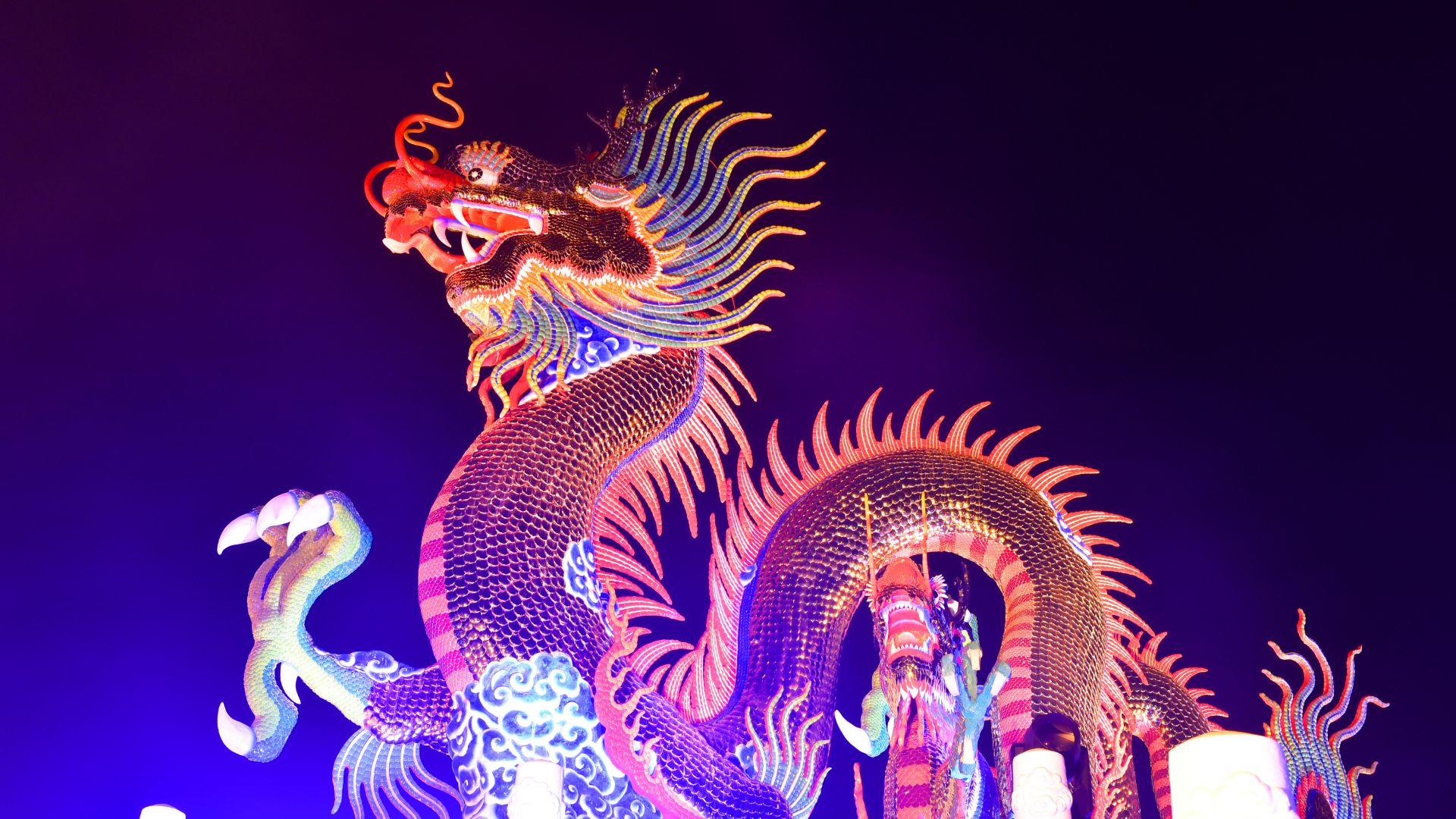
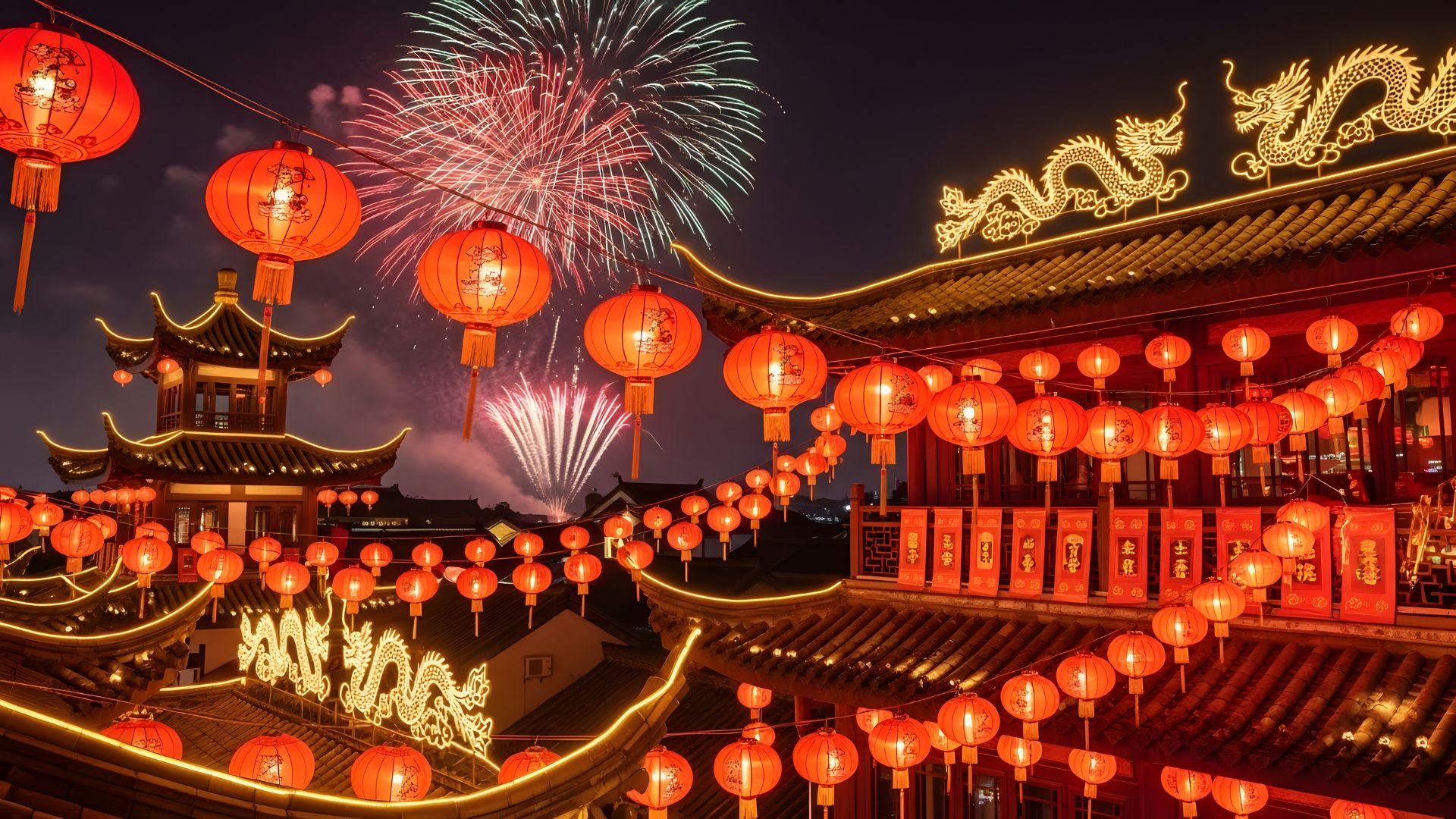
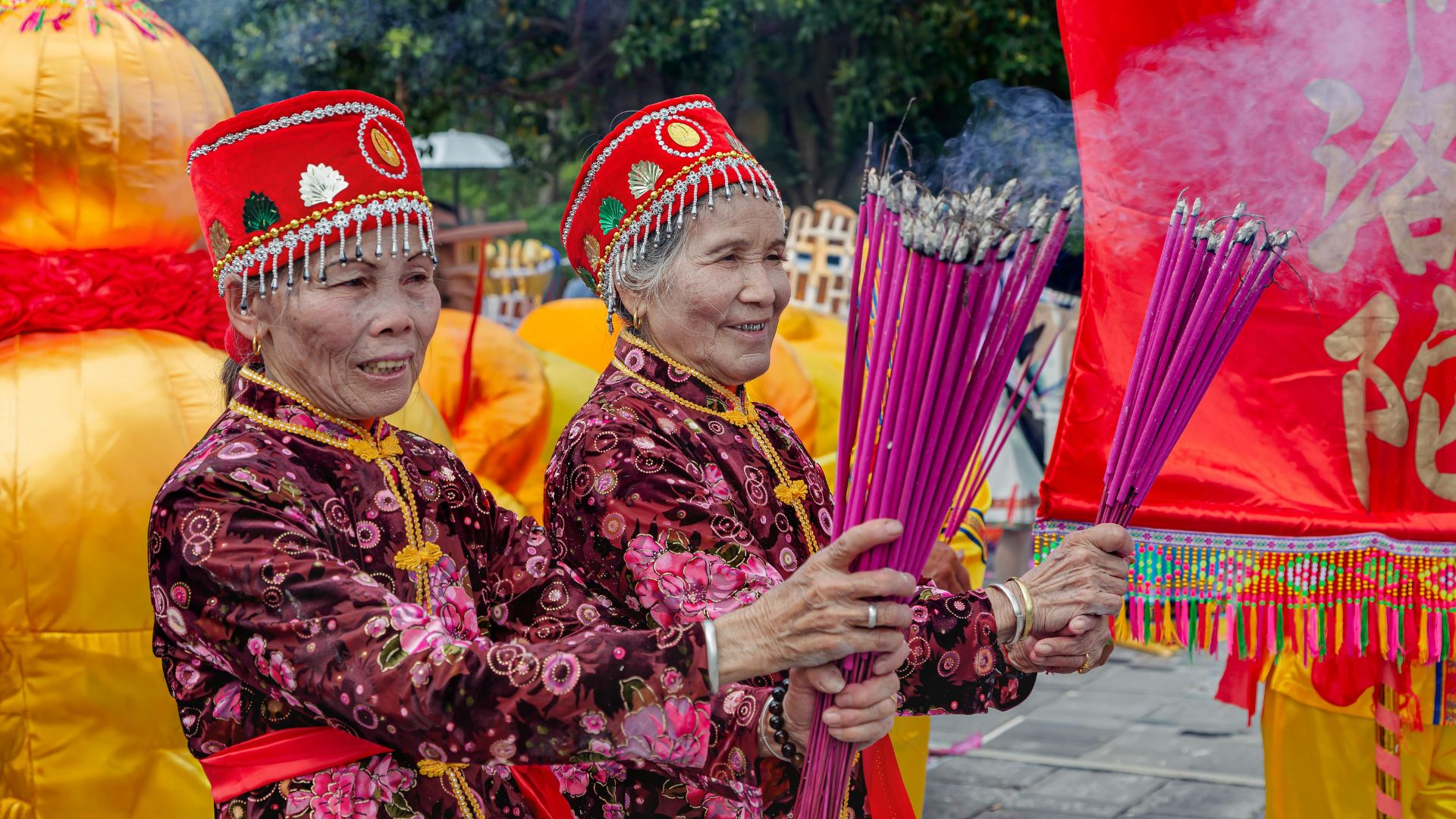
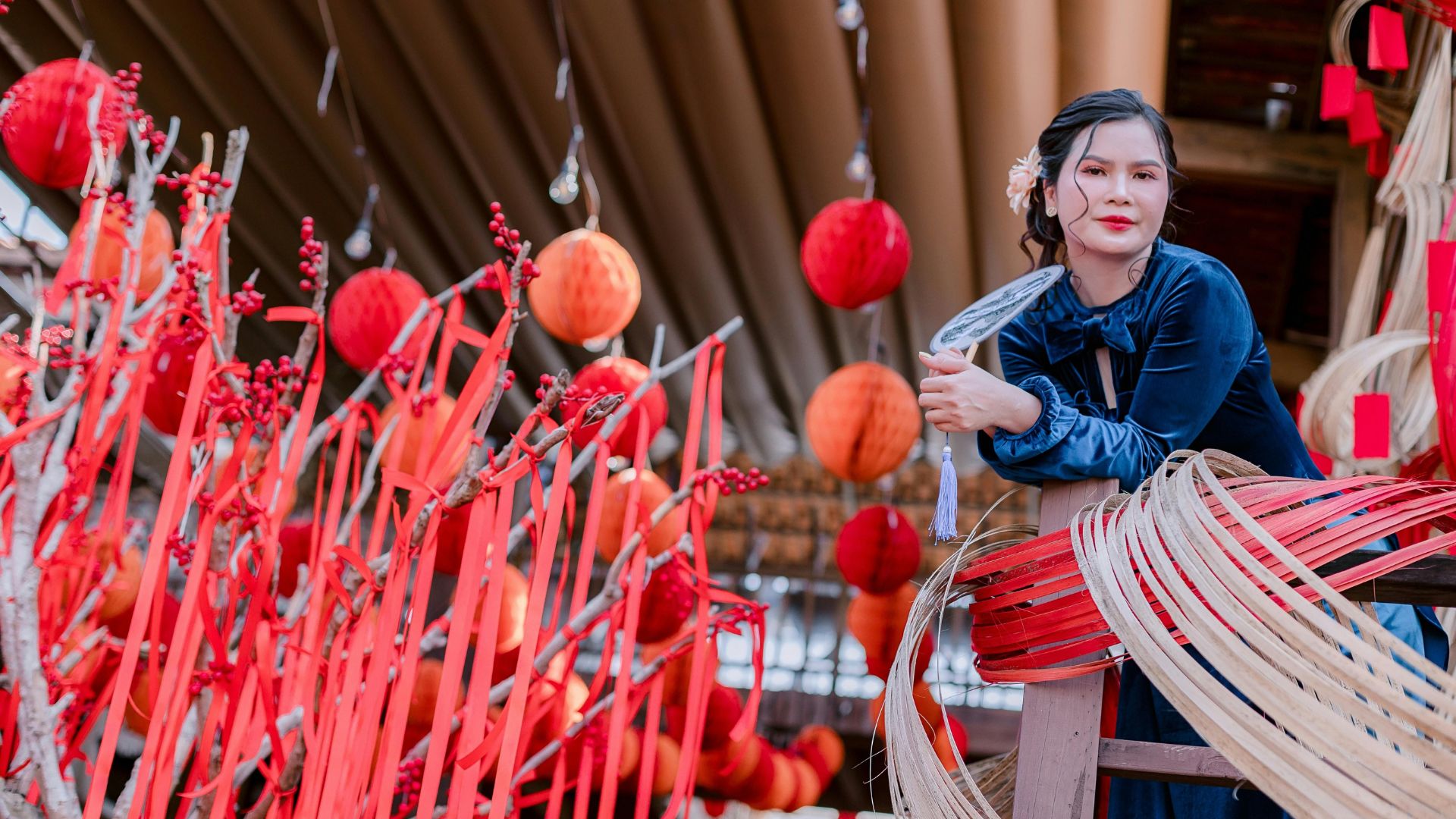
Chinese festivals provide some of the most memorable travel experiences and some of the most challenging travel conditions, often simultaneously. The celebrations can be extraordinary — fireworks, traditional performances, food that appears only during specific holidays, neighbourhoods transformed by red lanterns and decorations that nobody bothers to put up for tourists. The crowds can be catastrophic — hundreds of millions of people travelling simultaneously, creating booking nightmares and transport chaos. Understanding the festival calendar is essential for planning a trip that captures the best while avoiding the worst.
Chinese New Year (Spring Festival) is the big one: a week-long national holiday when the world’s largest human migration occurs. Over 400 million people travel to their hometowns; trains and planes book out weeks in advance; tourist sites empty as businesses close; and the fireworks on New Year’s Eve are genuinely spectacular, even in cities that have officially banned them. The experience of celebrating New Year in China — ideally with a Chinese family, arranged through friends or cultural exchanges — can be the trip highlight. Expect red envelopes, dumpling-making, eight-hour meals, and a level of hospitality that will leave you unable to eat for days afterwards. The experience of trying to travel during New Year, without planning, can be the trip disaster. Major cities like Beijing and Shanghai partially empty out as migrant workers return home, which can make these usually crowded destinations surprisingly pleasant — but only if you arrived before the migration began.
Golden Week (first week of October) celebrates National Day and provides the second major travel nightmare. Chinese domestic tourists flood popular destinations; hotel prices triple; famous sites reach capacity and close their gates. The Great Wall at Badaling becomes a slow-moving queue; the Forbidden City processes visitors at industrial scale. Unless you have specific reasons to be in China during Golden Week, avoid it. The week before and after can be pleasant; the week itself is endurance. Pictures of the resulting crowds circulate annually on social media for good reason.
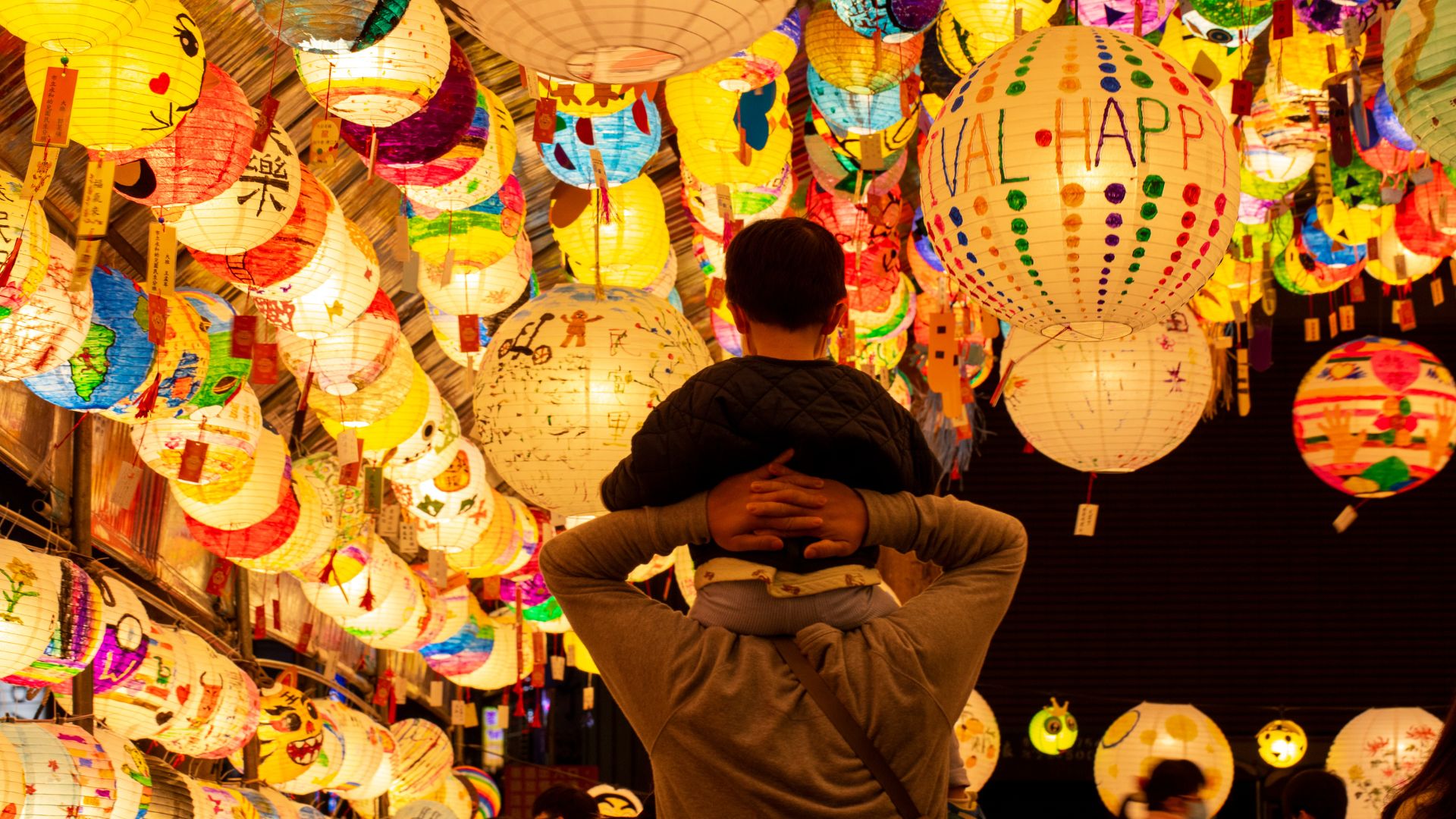
The smaller festivals provide experience without chaos. Mid-Autumn Festival (September or October, depending on lunar calendar) celebrates the harvest moon with mooncakes — dense, rich pastries filled with lotus paste, salted egg yolks, or increasingly creative modern variations including ice cream and matcha — and family gatherings under the full moon. The Dragon Boat Festival (June) features races on rivers and lakes nationwide, plus zongzi (sticky rice dumplings wrapped in bamboo leaves). The Lantern Festival (February) concludes New Year celebrations with lantern displays in temples and parks; Pingyao and Xi’an stage particularly atmospheric versions. Qingming (April), the tomb-sweeping festival, honours ancestors at graves and marks the unofficial start of spring travel. These holidays affect business hours and create busy weekends rather than the transport apocalypse of the major weeks, and visiting during them adds texture to a trip without compromising its logistics.
Regional festivals reward travellers willing to plan around them. The Harbin Ice and Snow Festival (January and February) builds an entire city of illuminated ice sculptures in the northeast. Yunnan’s Water Splashing Festival (April) sees the Dai people celebrate their new year with what amounts to a sanctioned three-day water fight. Tibet’s Saga Dawa (May or June) marks the Buddha’s birth, enlightenment, and death with pilgrimages and prayer ceremonies, though Tibet requires its own permit complications. These smaller, regional festivals offer the participatory atmosphere of the major holidays without the national-scale transport disruption.
Planning around festivals requires awareness of lunar calendar dates, which shift each year against the Gregorian calendar by several weeks. Spring Festival can fall anywhere from late January to mid-February; Mid-Autumn shifts between mid-September and early October. Check specific dates before booking flights or trains; book major-festival transport as soon as it becomes available, typically 30 to 60 days in advance for trains and earlier for flights; plan around the major holidays unless they are your specific goal. Hotels in popular destinations release festival pricing well in advance, so early booking saves significantly. If your trip must coincide with Golden Week or Spring Festival, base yourself in second-tier cities and skip the famous sites entirely — these are the weeks to explore the lesser-known corners that Chinese domestic tourists are not flooding.
The rewards of visiting during festivals — the atmosphere, the food, the sense of participating in living traditions practised continuously for centuries — can be substantial. The costs of visiting without awareness — the crowds, the prices, the fully-booked transport, the closed restaurants — can be equally substantial. Knowledge is the difference between memorable and miserable.