
Chinese Cuisine: A Beginner’s Guide to Eight Great Traditions
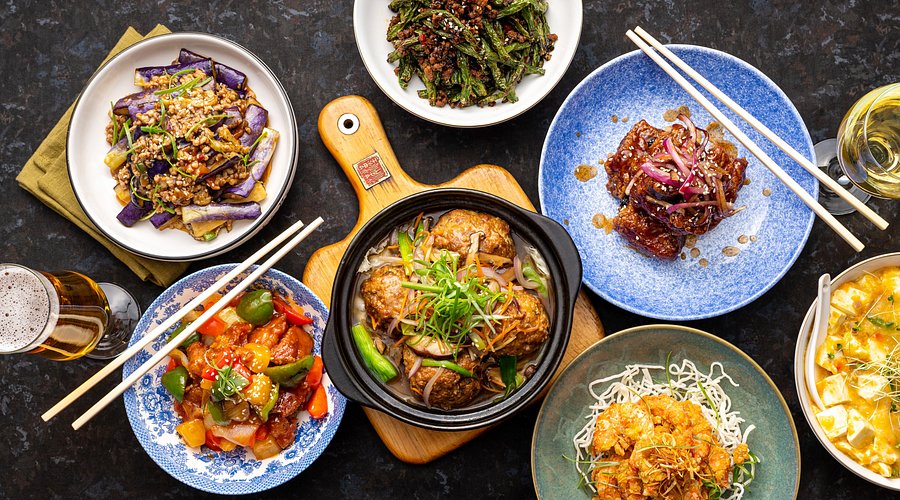
The phrase Chinese food conceals more than it reveals. What British high streets call Chinese bears approximately the same relationship to actual Chinese cuisine as a motorway service station sandwich bears to French gastronomy. China has eight major regional cuisines, each with centuries of development, distinct ingredients, and cooking philosophies that approach food from fundamentally different angles. Understanding this diversity transforms how you eat your way through the country. It also transforms how you think about food itself.
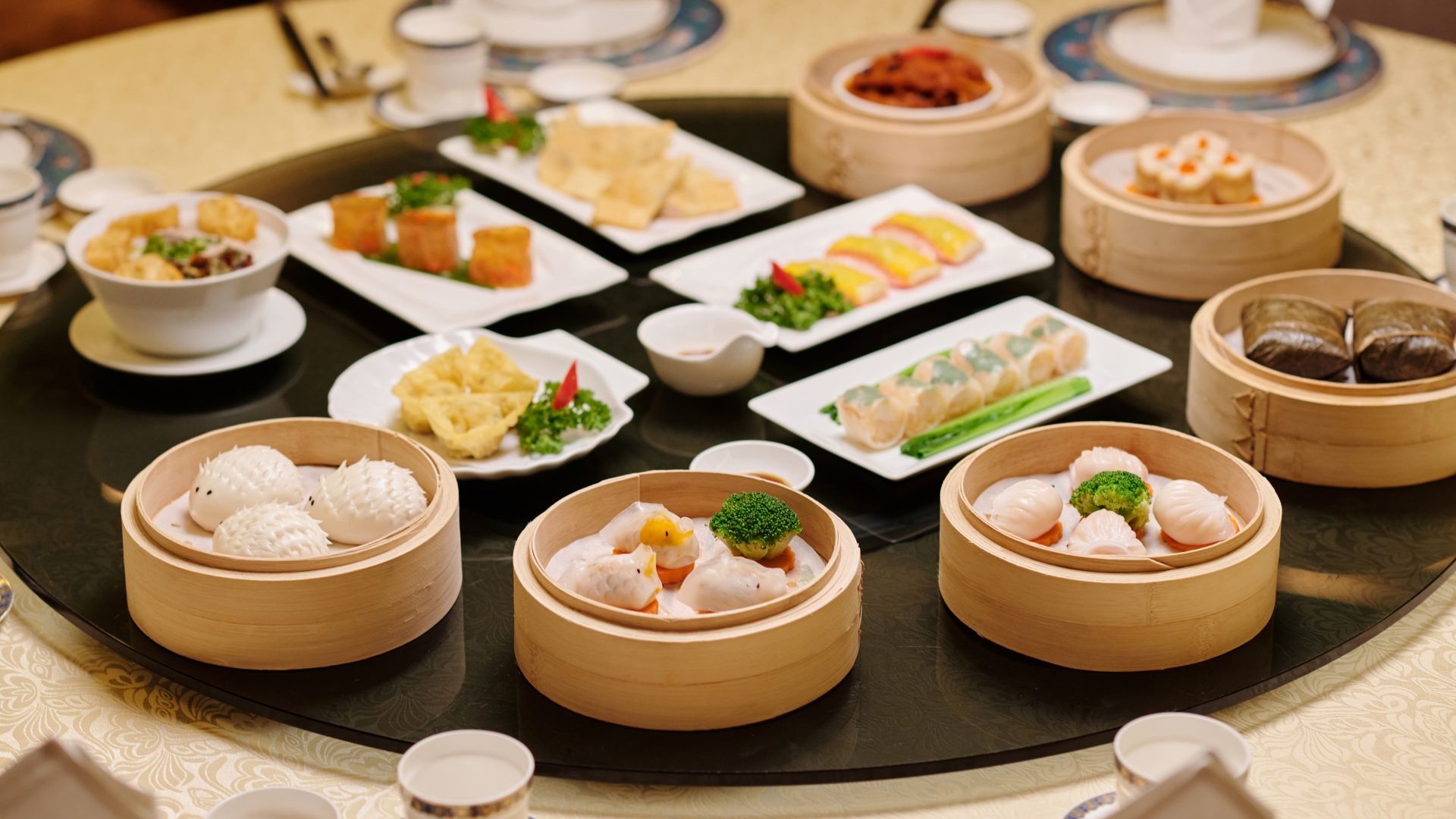
Cantonese cuisine, from Guangdong province, is what most Westerners know best — stir-frying, dim sum, and a philosophy that emphasises fresh ingredients with minimal intervention. The Cantonese say they eat everything with four legs except tables; the cooking proves this with preparations that seem exotic until you taste them. Hong Kong and Guangzhou are the capitals; the dim sum tradition alone justifies visiting both. The delicacy and refinement of Cantonese cooking make it China’s most celebrated cuisine internationally, though other regions consider their food superior. To eat dim sum in a Guangzhou teahouse on a Sunday morning, surrounded by three generations of a local family working through bamboo baskets of har gow and char siu bao, is to understand that this is not merely food — it is a social institution with its own rituals, vocabulary and unhurried rhythm.
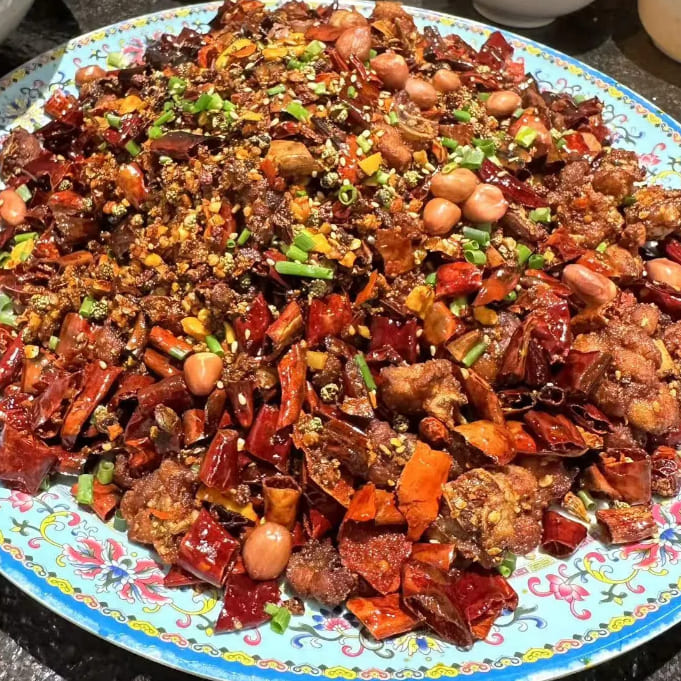
Sichuan cuisine approaches food as a sensory assault. The combination of dried chilies and Sichuan peppercorns — the latter creating a numbing sensation distinct from heat — produces dishes that seem to rewire your taste buds. Mapo tofu, kung pao chicken, and hot pot are the famous exports; eating them in Chengdu reveals how much the international versions have been tamed. The heat is not gratuitous but structural, creating flavour combinations impossible without it. A Sichuan hot pot dinner — the bubbling broth divided into mild and nuclear halves, the raw ingredients arriving in relentless succession, the table loud and communal and lasting three hours — is among the most vivid eating experiences China offers. It is also, the morning after, a reminder that Sichuan peppercorns operate on a slight delay.
Shandong cuisine from the northeast emphasises seafood and technique; Jiangsu cuisine from around Shanghai focuses on sweetness and presentation; Zhejiang cuisine from Hangzhou tends toward freshness and subtlety; Fujian cuisine from the southeast coast uses extensive braising; Hunan cuisine rivals Sichuan for heat but without the numbing peppercorns; and Anhui cuisine from the interior mountains features wild ingredients and hearty preparations. Each province would be a culinary destination in any other country; in China, they represent fractions of the whole. A serious eater could spend a year moving between regions and still find themselves with an incomplete picture. The regional rivalries are fierce and entirely sincere — mention to a Hunanese local that you prefer Sichuan and the conversation will become animated immediately.
Beijing deserves a mention of its own. The capital’s cuisine is not one of the eight but operates as a kind of grand convergence — a city that has absorbed influences from every corner of the country across centuries of imperial rule. Peking duck, served with the ceremony it deserves in the restaurants that have been preparing it for generations, is the obvious starting point. But Beijing’s Muslim quarter, its lamb skewers and pulled noodles and sesame-laden flatbreads, tells a different story entirely — one of the Silk Road, of Central Asian influence, of a China that stretches far beyond what the map suggests.
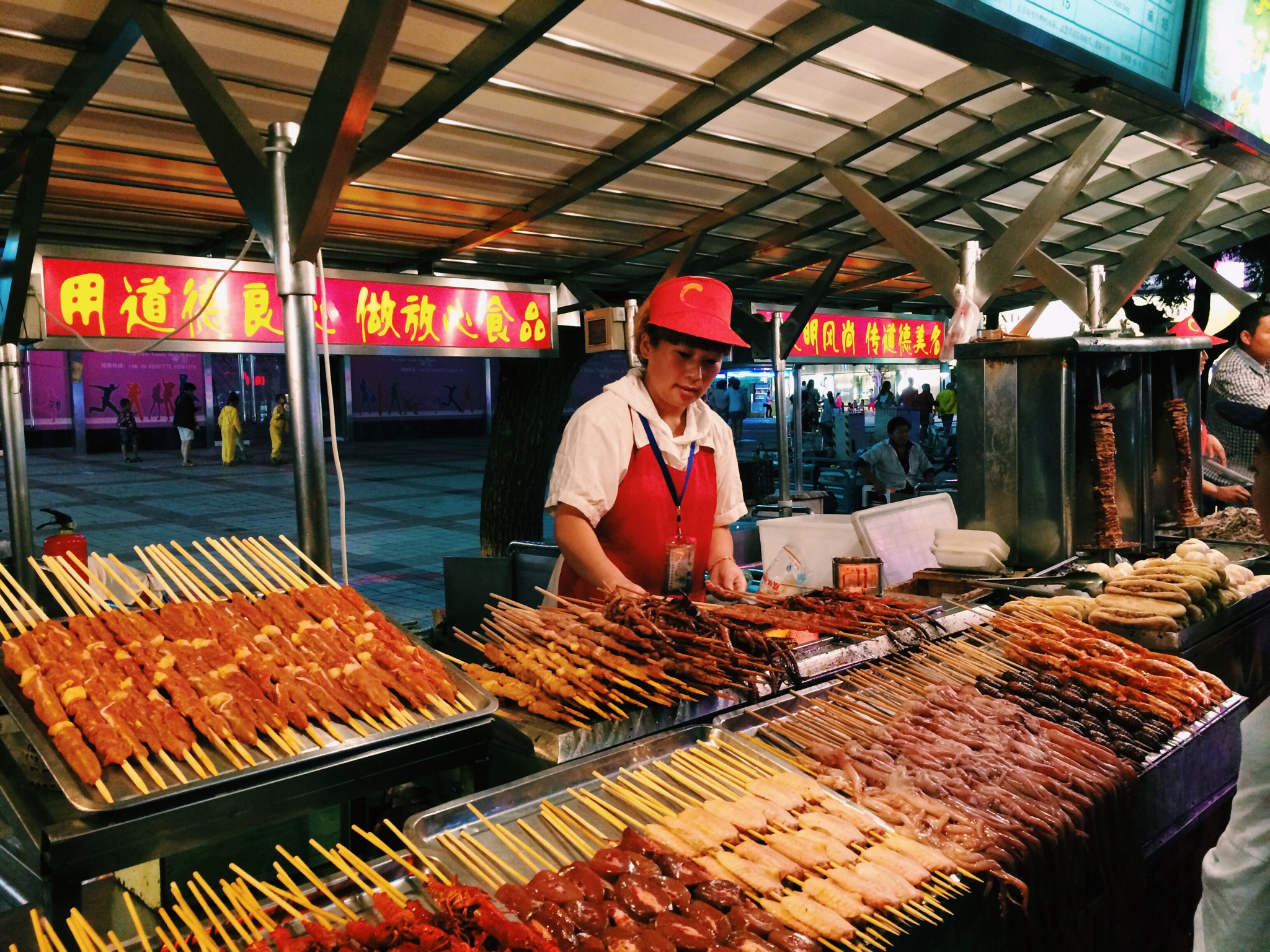
Street food deserves particular attention. China’s street food culture operates at a scale and variety that makes other countries’ versions seem modest. Night markets in Xi’an, breakfast stalls in Chengdu, the dumpling vendors of Beijing’s hutong neighbourhoods — these are not tourist attractions but functional parts of daily life, which is precisely what makes them worth seeking out. The food is cheap, the turnover rapid, the quality frequently extraordinary. Some of the best meals in China cost less than a London coffee and linger considerably longer in the memory.
Eating well in China requires abandoning preconceptions and embracing adventure. Point at what other tables are eating; ask servers what is good today; accept that some dishes will challenge and others will convert. The breakfast traditions alone — congee, dumplings, noodles, the thousand variations of street food that fuel morning commutes — deserve their own study. Three weeks allows sampling; appreciation requires return visits, each focused on different regions, building toward understanding that the phrase Chinese food will forever after seem absurdly reductive.
Practical Information
Shanghai (Modern & Aesthetic Dining)
- Ultraviolet by Paul Pairet (3 Michelin Stars): An immersive, multi-sensory dining experience with 20 seats and a 20-course avant-garde menu. (https://www.instagram.com/uvbypp/?hl=en)
- Bao Li Xuan (2 Michelin Stars): Located in the Bulgari Hotel, this highly "insta-worthy" spot serves exquisite, high-end Cantonese cuisine in a refined, traditional-meets-modern setting. (https://www.bulgarihotels.com/en_US/shanghai/dining/chinese-fine-dining-restaurant)
- Da Vittorio Shanghai (2 Michelin Stars): Offers an elegant Italian dining experience with stunning waterfront views of the Huangpu River. (https://www.davittorio.com/en/restaurants/da-vittorio-shanghai.html)
- Minji & Yang's Fry-Pander: For quick, inexpensive eats, visit Yang's Fry-Dumpling for perfectly crispy-bottomed shengjianbao. (https://www.tripadvisor.co.uk/Restaurant_Review-g308272-d2035728-Reviews-Yang_s_Fried_Dumplings_HuangHe_Road-Shanghai.html)
Guangzhou (Michelin, Dim Sum & Heritage)
- Yutang Chunnuan (1 Michelin Star): Set on picturesque Shamian Island, this is considered one of the most beautiful dim sum destinations in China, offering heritage Cantonese classics. (https://www.tripadvisor.co.uk/Restaurant_Review-g298555-d12110283-Reviews-Yutang_Chunnuan-Guangzhou_Guangdong.html)
- Dagefan (Michelin Recommended): A viral, must-visit restaurant completely dedicated to pigeon. Their claypot pigeon rice and roast birds are visual and textural dreams. (https://guide.michelin.com/gb/en/guangdong-province/guangzhou/restaurant/da-ge-fan-tangxiayong-west-road)
- Bing Sheng Mansion (Michelin Recommended): A sleek venue famous for its crispy char siu (BBQ pork) and Chinese-style sashimi. (https://guide.michelin.com/gb/en/guangdong-province/guangzhou/restaurant/bingsheng-mansion)
- Tong Fu East Road: The ultimate street food corridor for authentic rice rolls (cheong fun) and congee.
Chengdu (Spicy Street Food & Teahouses)
- Yu Zhi Lan (1 Michelin Star): Known for refining Sichuan street staples into an elegant, artistic, multi-course tasting menu. (https://guide.michelin.com/gb/en/chengdu-municipality/chengdu/restaurant/yu-zhi-lan-1196150)
- Jinli Ancient Street: The best area to photograph traditional red lanterns while snacking on spicy skewers, rabbit heads, and dandan noodles. (https://www.tripadvisor.co.uk/Attraction_Review-g297463-d1832090-Reviews-Jinli_Pedestrian_Street-Chengdu_Sichuan.html)
- Qintai Road: Visit for highly aesthetic architectural backdrops along with authentic hotpot and local teahouse experiences. (https://www.tripadvisor.co.uk/Attraction_Review-g297463-d1824284-Reviews-Qintai_Road-Chengdu_Sichuan.html)
Tip: For up-to-date star ratings, menu details, and exact locations across the mainland and the wider Greater China region, you can browse the official MICHELIN Guide.

James Calloway is a British travel writer currently based in Shanghai with a passion for uncovering the China that most visitors never get to see. Drawing on years of living and travelling across the country, he shares honest guides, hidden discoveries and the kind of local knowledge that only comes from truly being there.