Ayurveda arrived in Sri Lanka with the Sinhalese themselves, some 2,500 years ago. The practice has evolved into something distinct from its Indian origins: local plants, local knowledge, local approaches that practitioners consider superior and tourists cannot evaluate. Sri Lankan Ayurveda incorporates indigenous Sinhalese medicine (known as Hela Wedakama) alongside the classical Sanskrit texts, and the government has institutionalised the practice through dedicated universities, hospitals, and regulatory bodies that give it official status as healthcare rather than mere wellness. The contemporary wellness industry has embraced it with enthusiasm that occasionally exceeds understanding, offering everything from rigorous detoxification programmes to spa treatments that borrow Ayurvedic vocabulary without necessarily engaging Ayurvedic principles. The result is a wide spectrum of experiences sold under the same word.
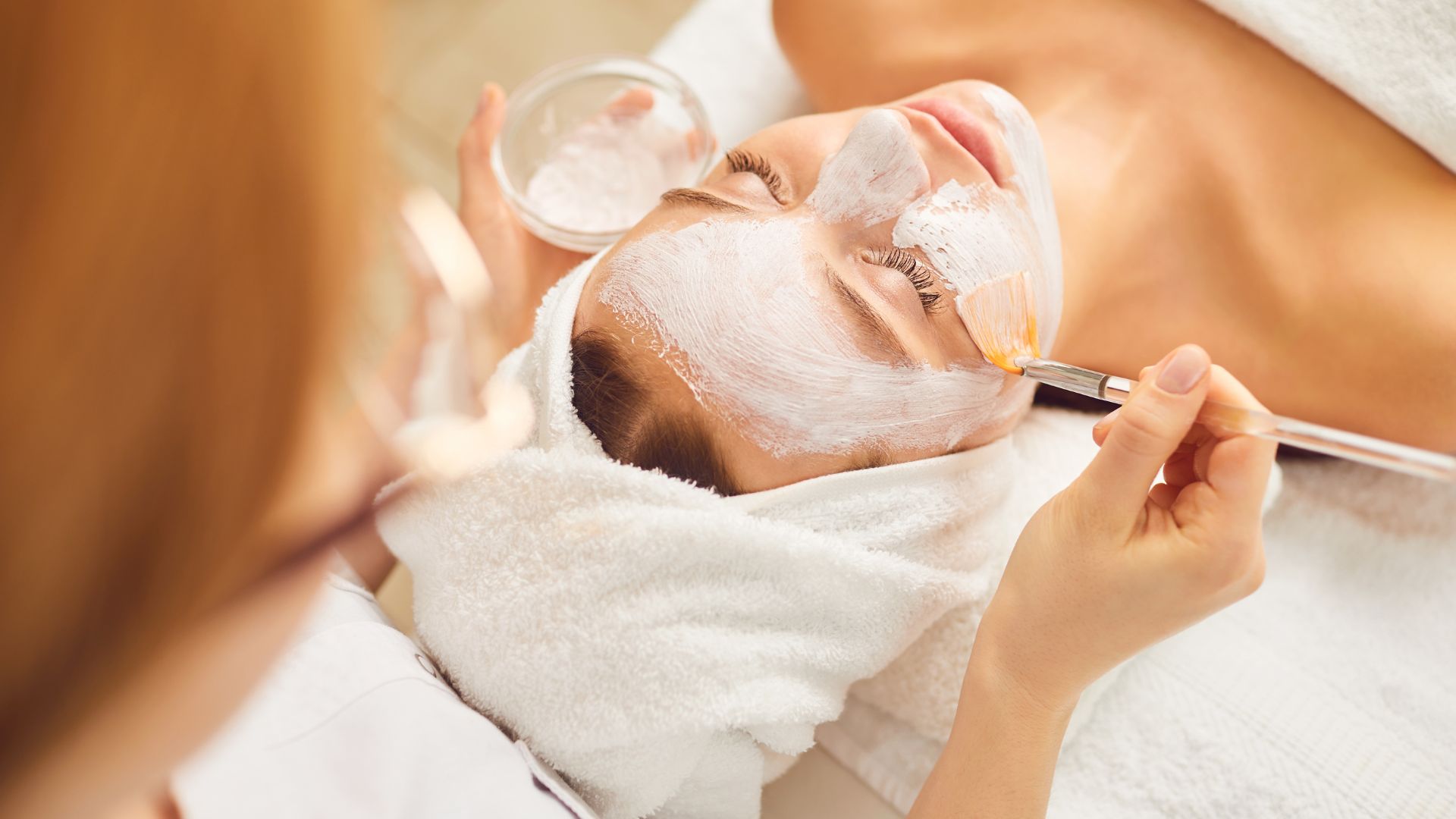
We experienced both extremes. At a resort spa, the “Ayurvedic massage” lasted an hour, used standardised oils, and could have happened anywhere tropical. At Siddhalepa Ayurveda Health Resort, by contrast, everything began with consultation: a traditional vaidya (physician) assessed constitution through pulse reading and tongue examination, asked questions about diet and sleep and elimination that felt uncomfortably intimate, and prescribed treatments tailored to imbalances he claimed to have identified. The three doshas — Vata (air and space), Pitta (fire and water), Kapha (earth and water) — combine in unique proportions in each person, and the diagnosis aims to identify which is dominant and where it has fallen out of balance. The framework either makes immediate sense or it doesn’t; my own initial scepticism softened as the vaidya described tendencies I recognised in myself without having mentioned them to anyone.
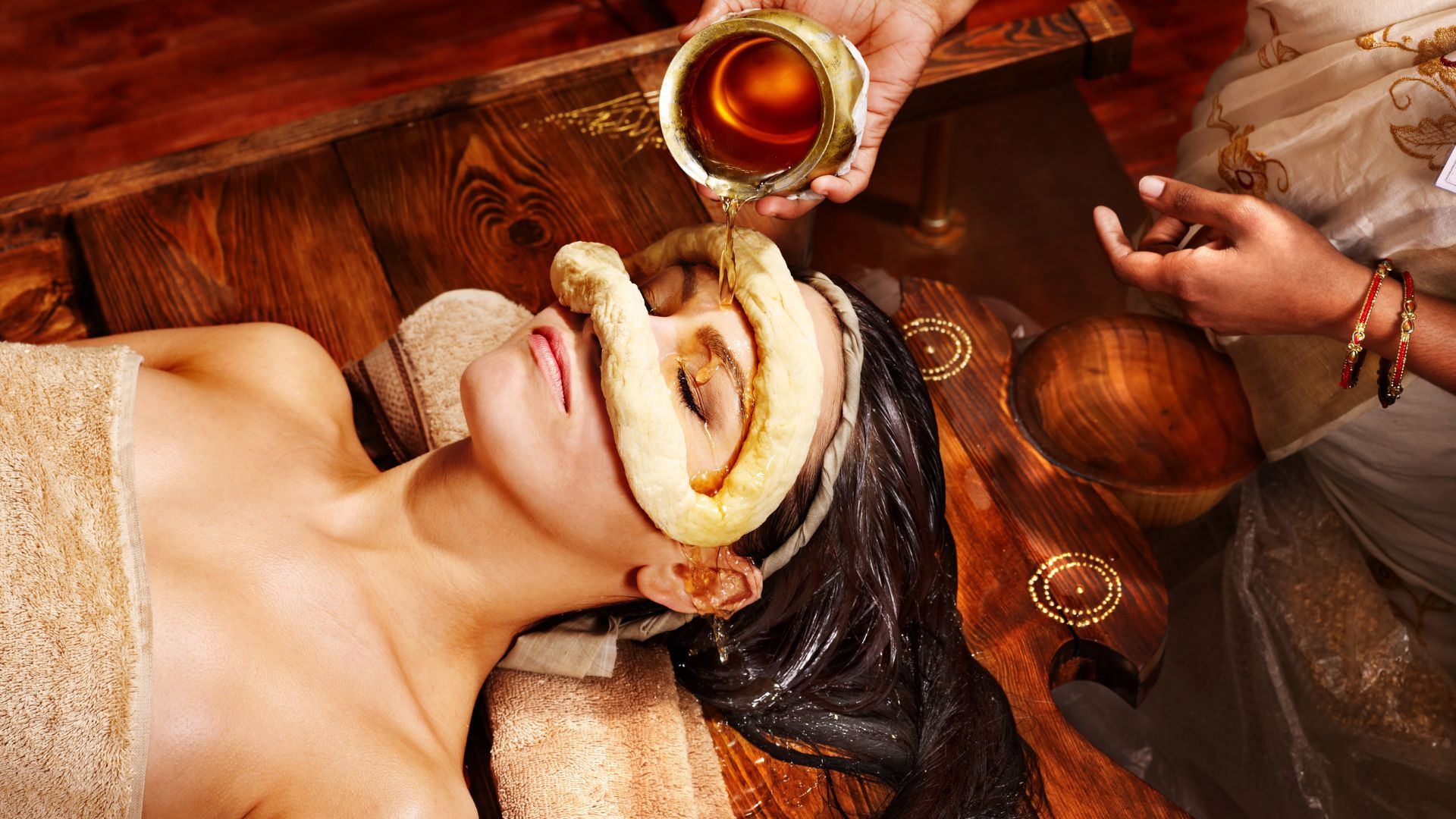
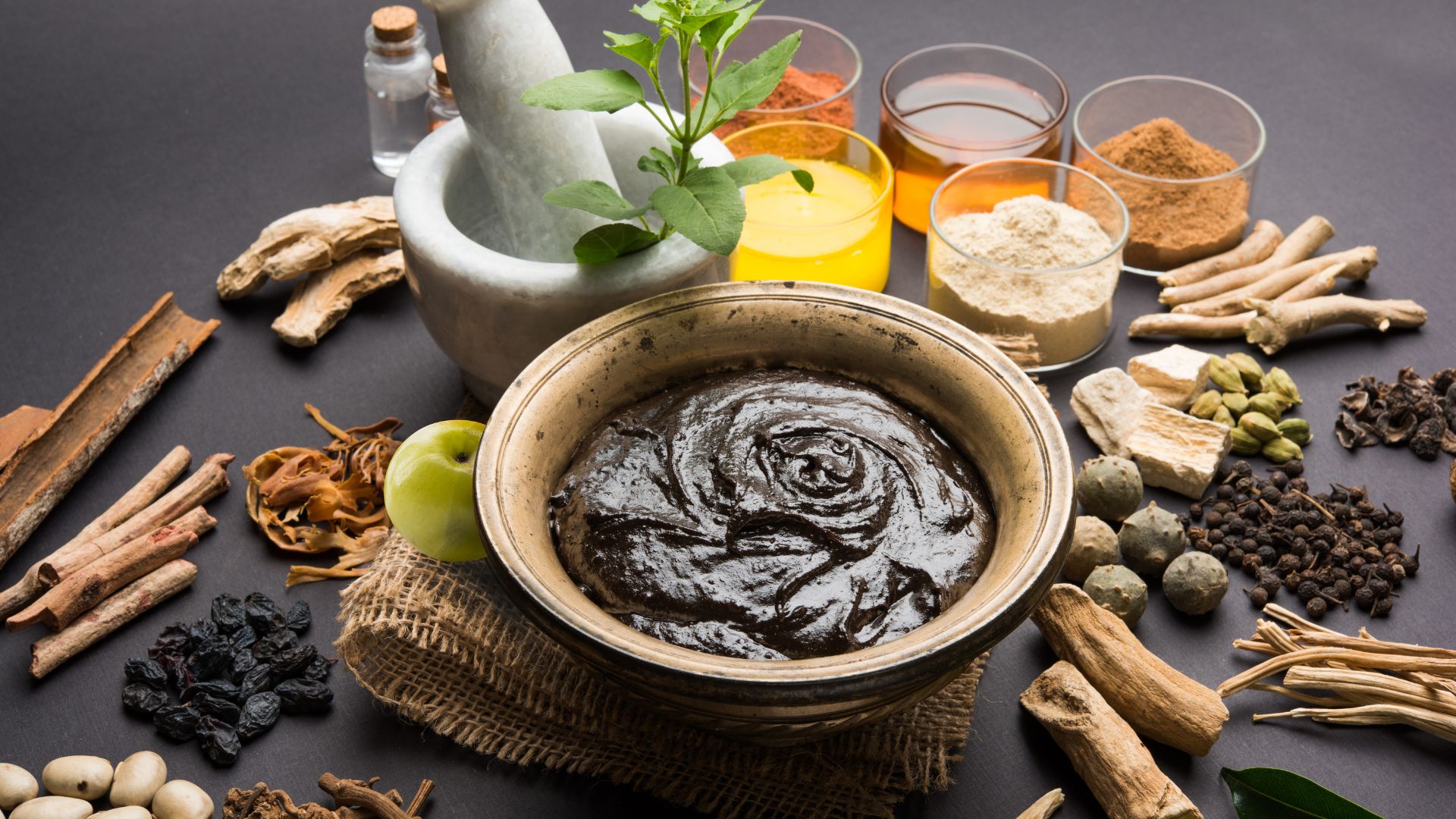
The treatments that followed bore no resemblance to the spa experience. Daily Abhyanga (synchronised oil massage by two therapists), Shirodhara (warm oil dripped continuously onto the forehead for half an hour in a rhythmic stream), herbal steam baths in wooden cabinets, internal preparations of bitter decoctions taken before meals, and the full Panchakarma cleansing protocol for those committed to the longer programmes — oils selected for my specific dosha, therapies sequenced according to protocols that predate Western medicine by millennia. The diet shifted accordingly: three vegetarian meals daily, no alcohol, no caffeine after midday, foods chosen to balance my dosha rather than to please my palate. Bedtime at ten; rising at six. Yoga and meditation woven through the day. After a week, I slept better, digested better, felt energy that exhaustion had obscured. The vaidya attributed this to rebalancing; a sceptic might attribute it to rest and attention. But even the sceptic would acknowledge that something shifted, that body and mind responded in ways that exceeded expectation.
The investment matters. Genuine Ayurveda programmes run from a minimum of seven nights (entry-level cleansing) through 14 nights (the standard recommendation) to 21 or 28 nights for serious therapeutic work. Daily rates at the established resorts run from approximately £150 per person per night at Siddhalepa to £300+ at Heritance Ayurveda Maha Gedara, fully inclusive of accommodation, all meals, consultations, daily treatments, and the medicines prescribed. The cost compares favourably with a single weekend at a European spa, and delivers something altogether different in return. Booking well ahead is essential during the European winter, when these resorts fill with returning guests, many of whom treat their annual Ayurveda fortnight with the discipline of a medical appointment rather than a holiday.
For travellers seeking authentic Ayurveda, the guidance is simple: choose establishments with resident physicians (not visiting consultants); expect consultation before treatment; allow sufficient time (minimum seven days for meaningful benefit, 14 for noticeable change); accept that meaningful Ayurveda is rarely combined with sightseeing — the programmes assume you’ll stay put, follow the regime, and avoid the disruption of day trips, alcohol, and late nights. The spa treatments at luxury hotels may be pleasant but aren’t Ayurveda in any traditional sense. The authentic article requires commitment, belief or at least suspension of disbelief, and willingness to discuss your bowel movements with strangers. Sri Lanka offers both options. One is relaxing. The other might actually work.