
Australian Dining: The Quiet Revolution
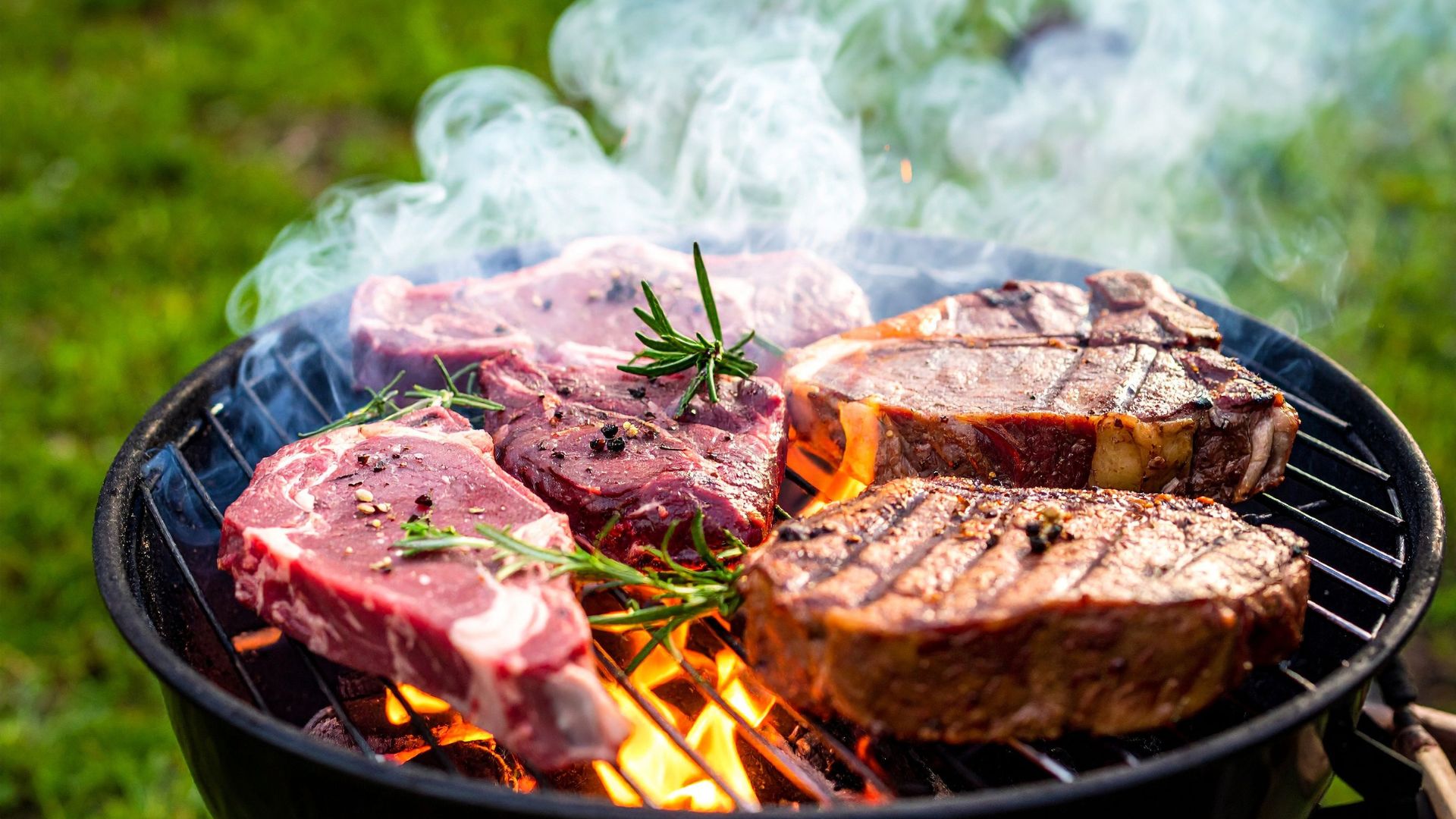
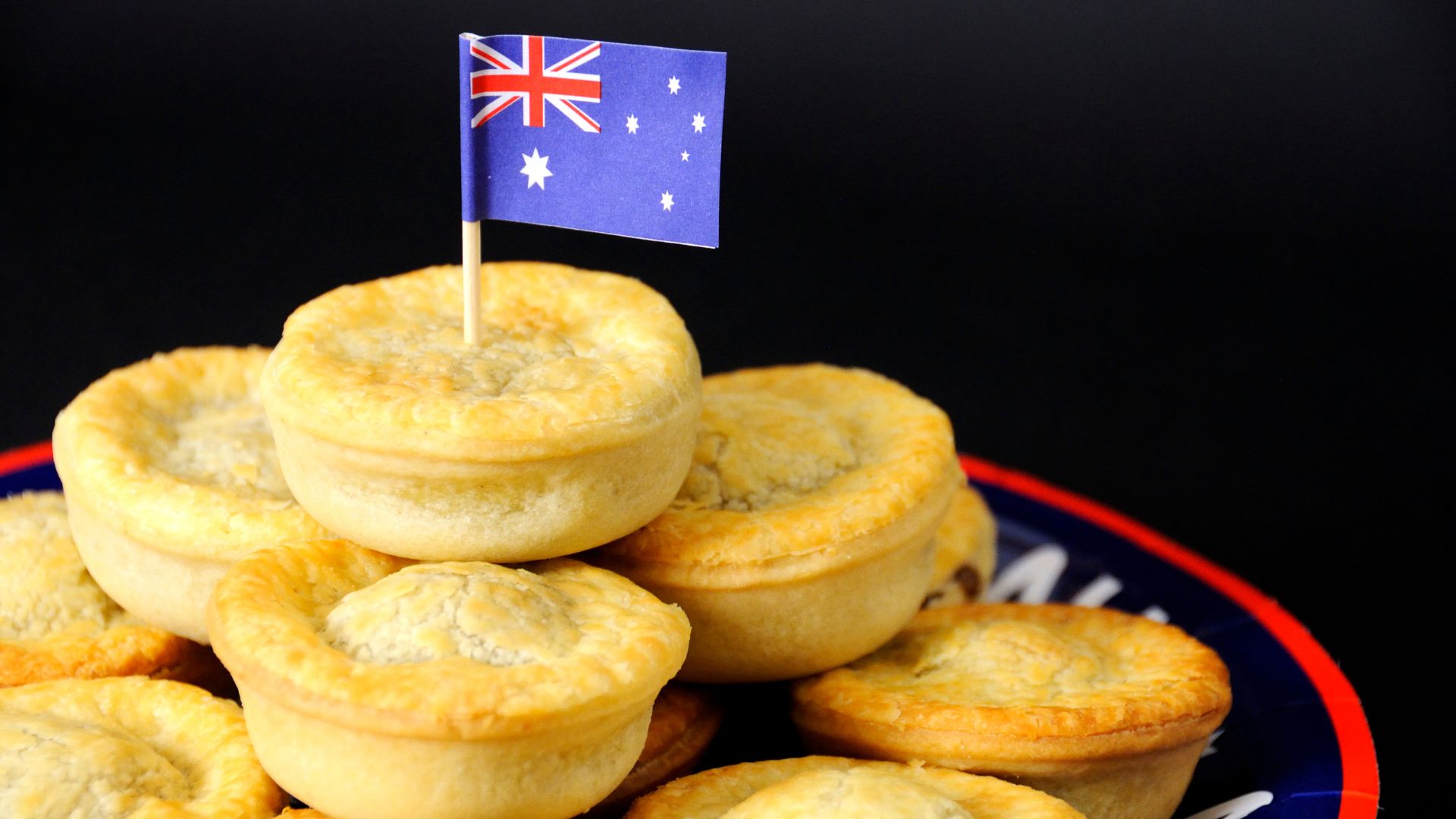
Nobody expected Australia to become a serious food destination. The country’s culinary reputation, such as it was, consisted of meat pies, Vegemite, and the barbecue — none of which suggested gastronomic ambition. What happened instead was immigration, produce, and confidence: waves of settlers from Italy, Greece, Vietnam, China, and Lebanon who brought their food cultures; exceptional local ingredients from both land and sea; and a generation of chefs willing to combine influences in ways that older food cultures would consider improper. The post-war Italian and Greek migration to Melbourne in the 1950s and 1960s laid the foundation for what became the country’s coffee obsession; the Vietnamese refugees who arrived in the late 1970s built the pho and bánh mì cultures that now define inner-city eating from Sydney’s Cabramatta to Melbourne’s Footscray. Modern Australian — Mod Oz, in the inevitable abbreviation — emerged in the 1990s as the cuisine that took all of this for granted, and the World’s 50 Best Restaurants now lists multiple Australian properties in the global top twenty.
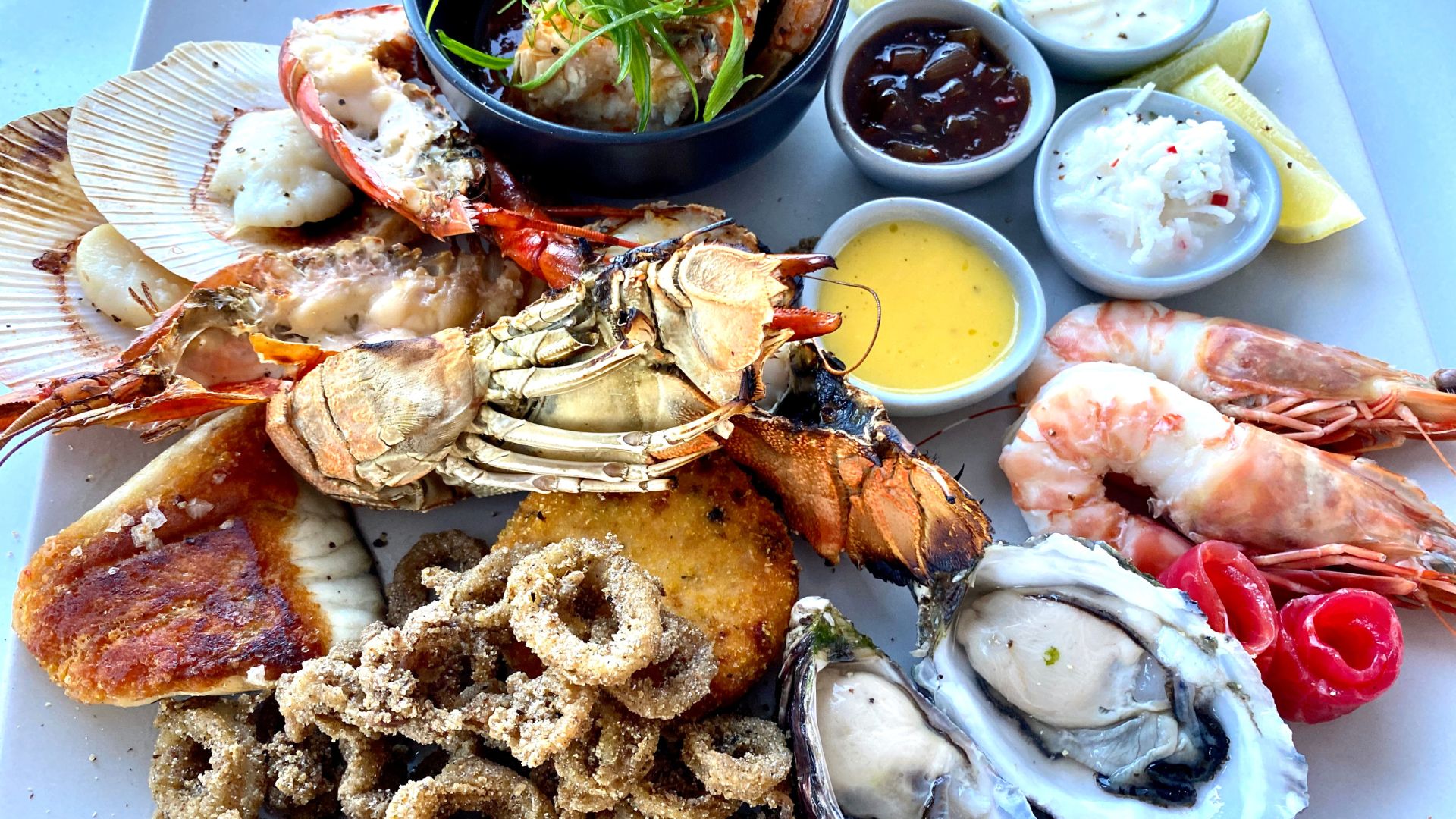
Sydney leads on volume: more excellent restaurants than any other Australian city, from the three-hatted temple dining of Quay, Bennelong, and Oncore by Clare Smyth (the British chef’s first international outpost, recently named joint sixth best in the world) to the buzzing casual plates of Poly, Ester, and Fratelli Paradiso. The range reflects the city’s diversity — you can eat exceptional Thai (Chat Thai), Lebanese (Nour), Japanese (Kisume), and Italian (10 William Street) without ever approaching tourist zones. The harbour restaurants charge premiums for views; the inner-west restaurants around Surry Hills, Redfern, and Newtown deliver equivalent quality at lower prices. The Sydney Fish Market, soon to relocate to its long-awaited new home at Blackwattle Bay, remains the southern hemisphere’s largest, and the Sydney Rock oysters from Coffin Bay and the Hawkesbury are among the world’s finest.
Melbourne considers itself the food capital and has evidence to support the claim. The laneway culture that defines the city extends to dining: tiny wine bars, hidden restaurants, coffee roasters in converted warehouses. Attica, in suburban Ripponlea, ranks among the world’s best restaurants (eighth in the most recent global rankings); Vue de Monde atop the Rialto was named the world’s fifth best in 2025; Cumulus Inc, Flower Drum, and Supernormal define different but equally excellent categories. The coffee is not just good but obsessive — Melbourne baristas treat extraction with the seriousness that others reserve for wine or whisky, and the flat white, properly speaking an Australian invention, originated in 1980s Sydney before Melbourne perfected it.
Regional Australia has caught up faster than expected. Tasmania’s restaurant scene — Templo, Franklin, Fico, Palawa Kipli — would justify a food-focused trip. Brae, on a farm in regional Victoria, ranked equal fourteenth in the most recent World’s 50 Best alongside Adelaide’s Restaurant Botanic. Margaret River combines winery restaurants with producers’ markets. The Adelaide Hills, thirty minutes from the city, concentrate cellar doors and farm restaurants in improbable density. Brisbane has begun to register on the national conversation with Agnes, Same Same, and Greca defining a contemporary Queensland sensibility. And the lodges — Saffire, Southern Ocean Lodge, Qualia — have invested in dining that matches their other standards, often serving produce grown, caught, or foraged within kilometres.
Native ingredients have moved from novelty to mainstream. Lemon myrtle, finger lime, Kakadu plum, wattleseed, and saltbush appear on menus that are not specifically Australian; they have become ingredients rather than gimmicks. Chefs like Jock Zonfrillo (before his untimely death in 2023) and Ben Shewry have championed Indigenous ingredients with the seriousness they deserve, and Restaurant Botanic in Adelaide has built its entire menu around native produce. The breakfast culture — smashed avocado, properly milky flat whites, exceptional sourdough, the ubiquitous Bircher muesli — has become Australia’s most successful culinary export, with cafés in London, New York, and Hong Kong now staffed by Antipodean baristas teaching the rest of the world how mornings should taste. The result is a cuisine that could not exist anywhere else — shaped by immigration and geography, indifferent to tradition, confident in its own identity. The quiet revolution is complete.
Practical information
Quay — Sydney Opera House views. Three hats. Tasting menus from approximately AUD 295 (£155); book 4–8 weeks ahead.
Bennelong — Inside the Sydney Opera House. Three hats. From AUD 175 (£92) for two courses.
Oncore by Clare Smyth — Crown Sydney. Three hats; recently named world's joint sixth best. Tasting menus from AUD 320 (£170).
Attica — Ripponlea, Melbourne. Three hats. Tasting menu approximately AUD 320 (£170); books open monthly for the following two months — Wednesdays at 9am AEST.
Vue de Monde — Rialto Tower, Melbourne. Three hats; named world's fifth best in 2025. Tasting from AUD 295 (£155).
Brae — Birregurra, regional Victoria. World's joint fourteenth best. Tasting menu approximately AUD 320 (£170); accommodation on the farm available.
Restaurant Botanic — Adelaide Botanic Garden. Native-produce focused fine dining. Tasting from AUD 285 (£150).
Templo, Hobart — Twenty-seat Italian restaurant in North Hobart; one of Tasmania's most sought-after bookings.
Sydney Fish Market — Pyrmont. Australia's largest seafood market; oyster bar, sashimi, and morning auctions. Relocating to Blackwattle Bay in 2026.

Charlotte Whitfield is The Travelling Telegraph's Australia correspondent. Based in Sydney since 2016, she covers luxury travel, wine country, and the Pacific coast's wild edges.