

‘We make our own runway’: the day Karangahape Road threw fashion its own party
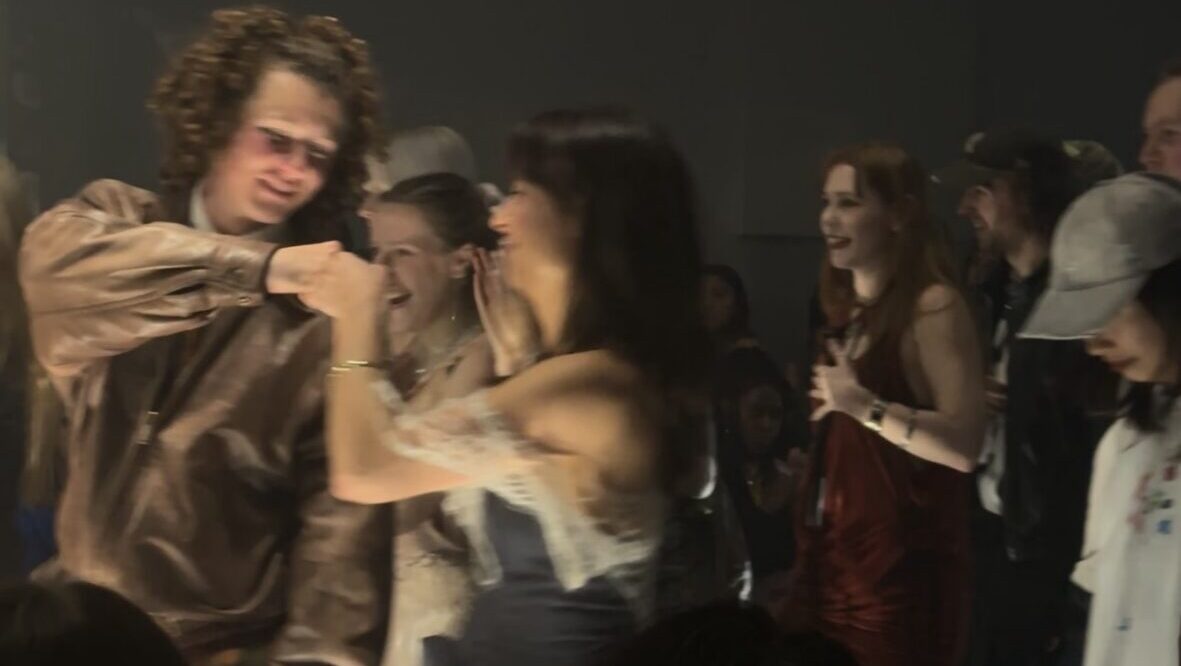
The runway ran down Mercury Lane. Not a marquee, not a converted shed on the harbour, but an actual Auckland side street, closed to traffic, lined with onlookers, the bass from open decks rolling off the brick. On the afternoon of Saturday 30 August, while New Zealand Fashion Week was taking its final, polished bow at Shed 10 on Queens Wharf, Karangahape Road was staging the loud, unfiltered opposite — and calling it FAM.
FAM: Fashion Edition turned the strip into one sprawling celebration from four in the afternoon until nine at night: a catwalk down Mercury Lane, live music, markets of Aotearoa-made goods, a double-denim takeover with open decks, and the comedian Johanna Cosgrove commandeering the rainbow crossing as a runway of her own. “On K’Road we don’t follow fashion, we make our own runway,” said Ella, creative producer at the Karangahape Road Business Association — and for one night the street took her at her word.
Born from a gap
The party had a sharper edge beneath the glitter. At its heart was Te Wiki Āhua o Aotearoa, the underground fashion week that exists precisely because the official one once didn’t. When NZFW was cancelled in 2024, three young creatives — Nina Bailey, Sophia “Fifi” Kwon and Billy Blamires — refused to accept the gap and built their own. “In Auckland, talent is everywhere, but the platforms to showcase it? Scarce,” Bailey has said. The name they chose, Āhua — ‘form’ or ‘shape’ — was a flag planted in a space they saw as long defined by Western ideals of beauty.
Two years on, the movement has scale. This third edition ran across K’Road venues from 22 to 30 August, and on the final Saturday Āhua stacked eight runway shows from ten in the morning until late. The organisers themed the season around “the echo chamber” — a pointed reckoning with an industry they see as exploitative, one that, in their telling, dresses control up as mentorship and treats young creativity as something to be used and discarded. Every show, they argue, is less a runway than a statement of intent.
Nothing like the harbour
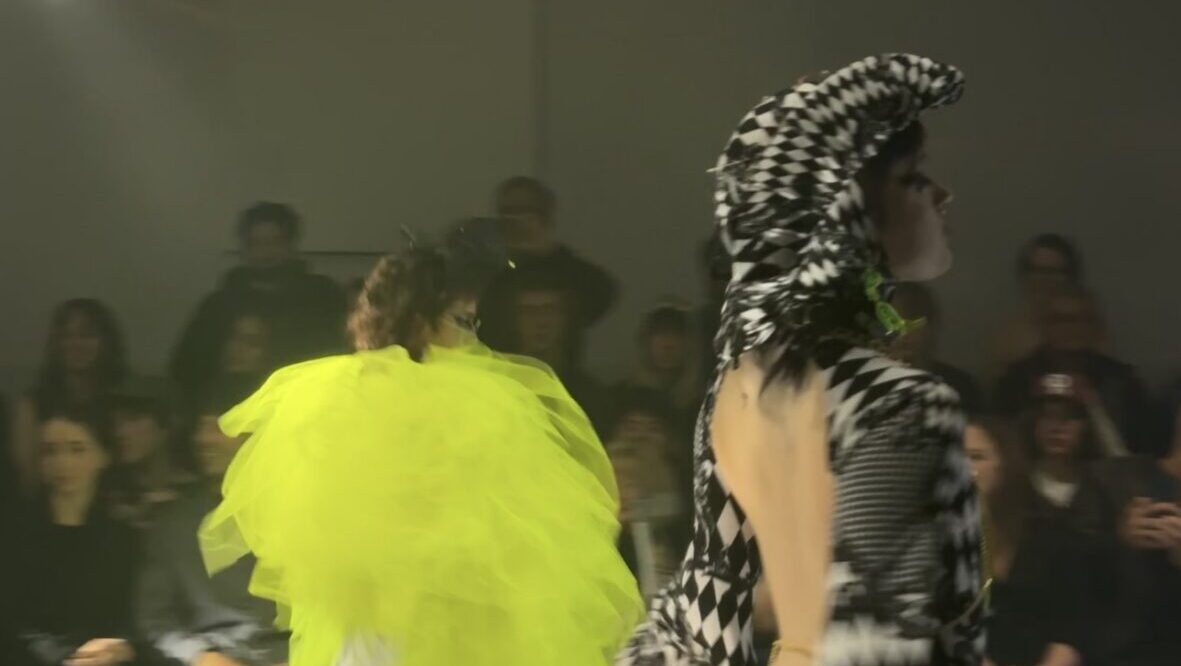
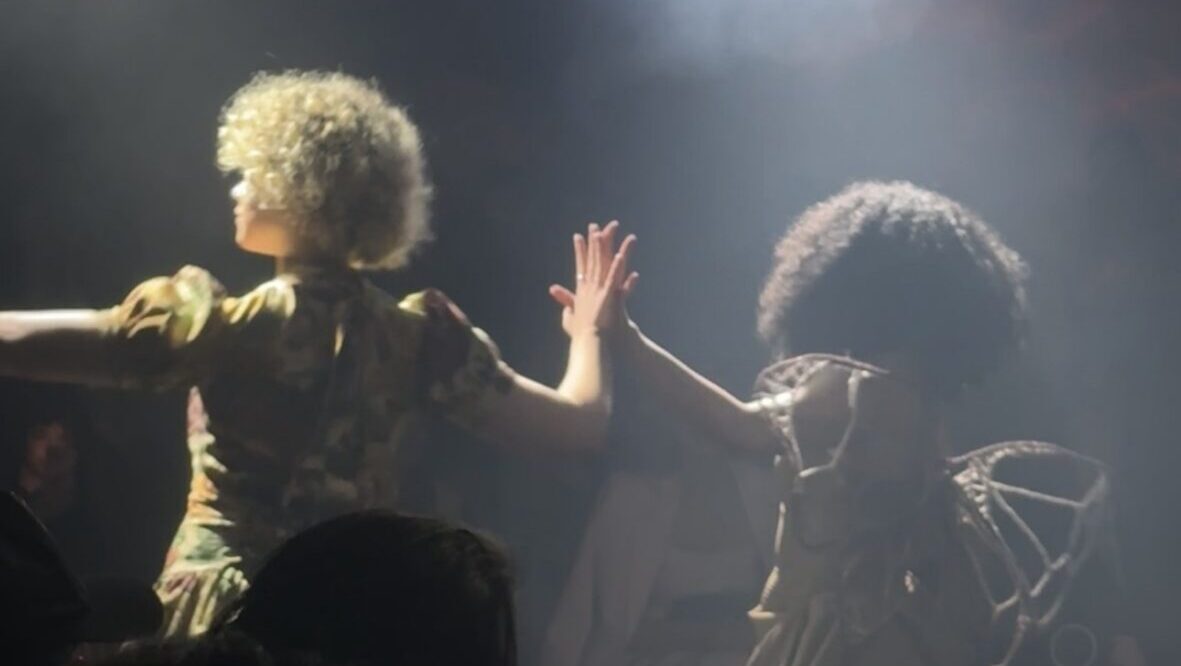
What walks at Āhua looks nothing like Queens Wharf. This is the home of denim reconstructed to extremes, androgynous streetwear, slow-fashion crochet and knit, and a queer, defiant theatricality the official schedule rarely makes room for. Earlier seasons have platformed the likes of Milan Jeon, Fringes, Club Klepto and Niq Atelier, with runways built around themes such as slow fashion, alternative design and streetwear’s gritty roots. The kaupapa throughout has been inclusivity and solidarity: the collective routinely turns its platform towards causes beyond clothes, and the weekend’s programme folded in Voices for Gaza, a night of music at nearby Whammy Bar with proceeds donated to aid.
Two weeks, one city
The two events made an irresistible study in contrast. Down on the waterfront, Pacific Fusion and a reborn New Zealand Fashion Week were arguing, in their own measured way, that Māori and Pasifika design belonged at the centre of the mainstream. Up on K’Road, Āhua was making a different case entirely: that the most vital fashion in Tāmaki Makaurau doesn’t need the centre’s permission, and might do its sharpest work outside it. One reclaimed the runway from within; the other simply built a new one in the street.
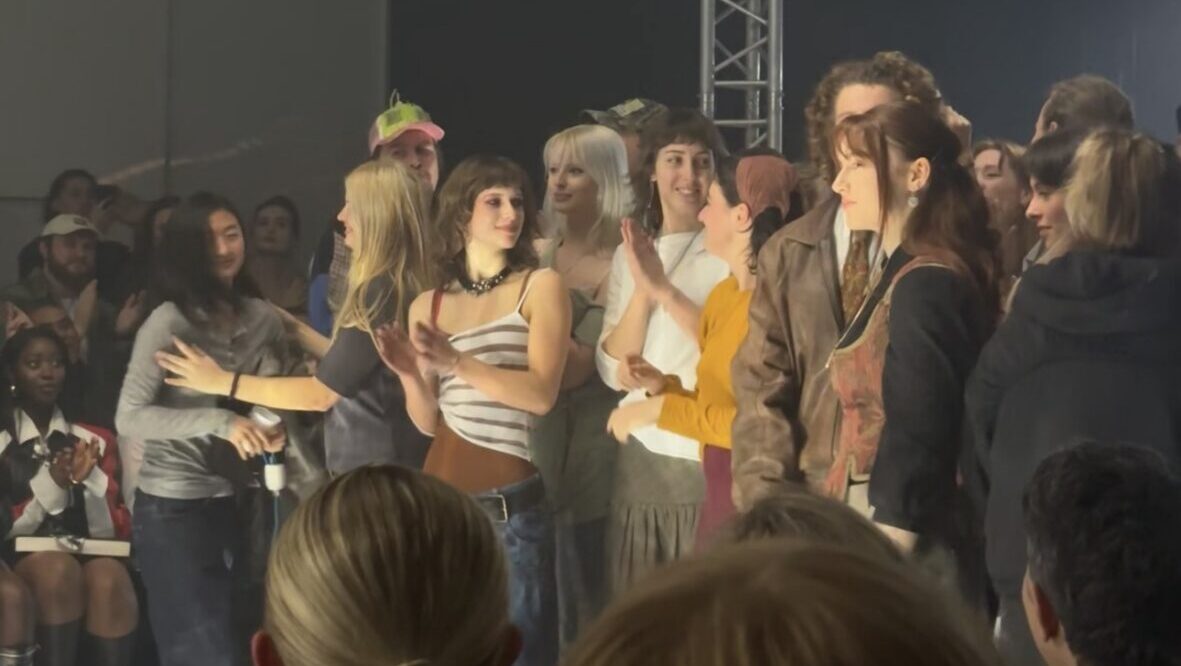
By nightfall the lane was still full, the decks still running, the markets winding down. It read less as a fashion show than as a community throwing itself a party and inviting the city to watch. Āhua’s founders talk, every season, about not knowing whether they’ll get to do it again, which lends each edition the urgency of a last stand. On the evidence of this one, the underground isn’t going anywhere. It has simply decided, for now, that the street is the better stage.

Lauren Owen brings The Travelling Telegraph to life across every platform it calls home. As Creative Director, she leads the visual strategy and aesthetic direction of the publication — ensuring that every image, layout, and digital touchpoint feels as carefully considered as the stories they frame.