Why the Norwegians have it right, and how visitors can too
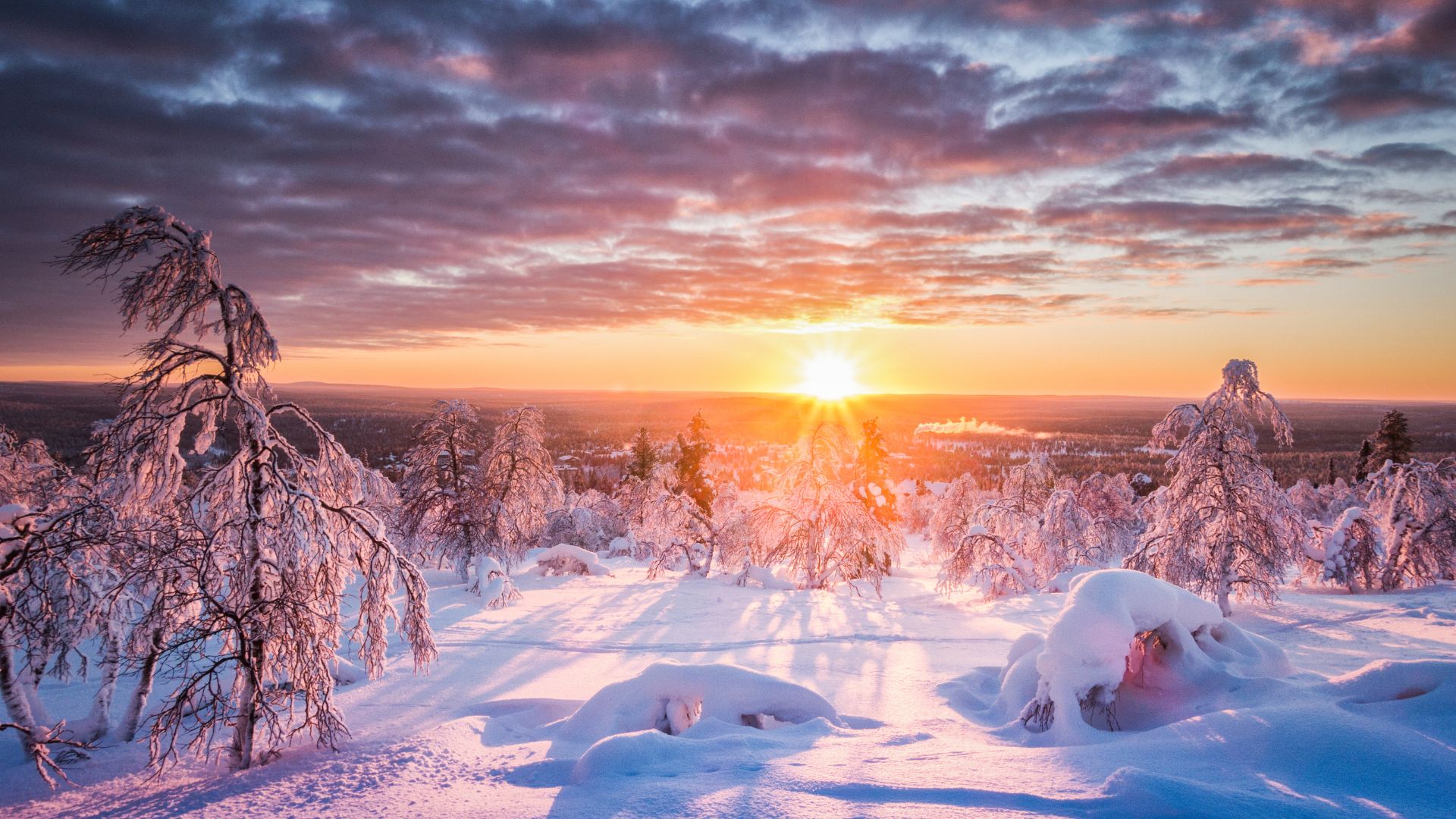
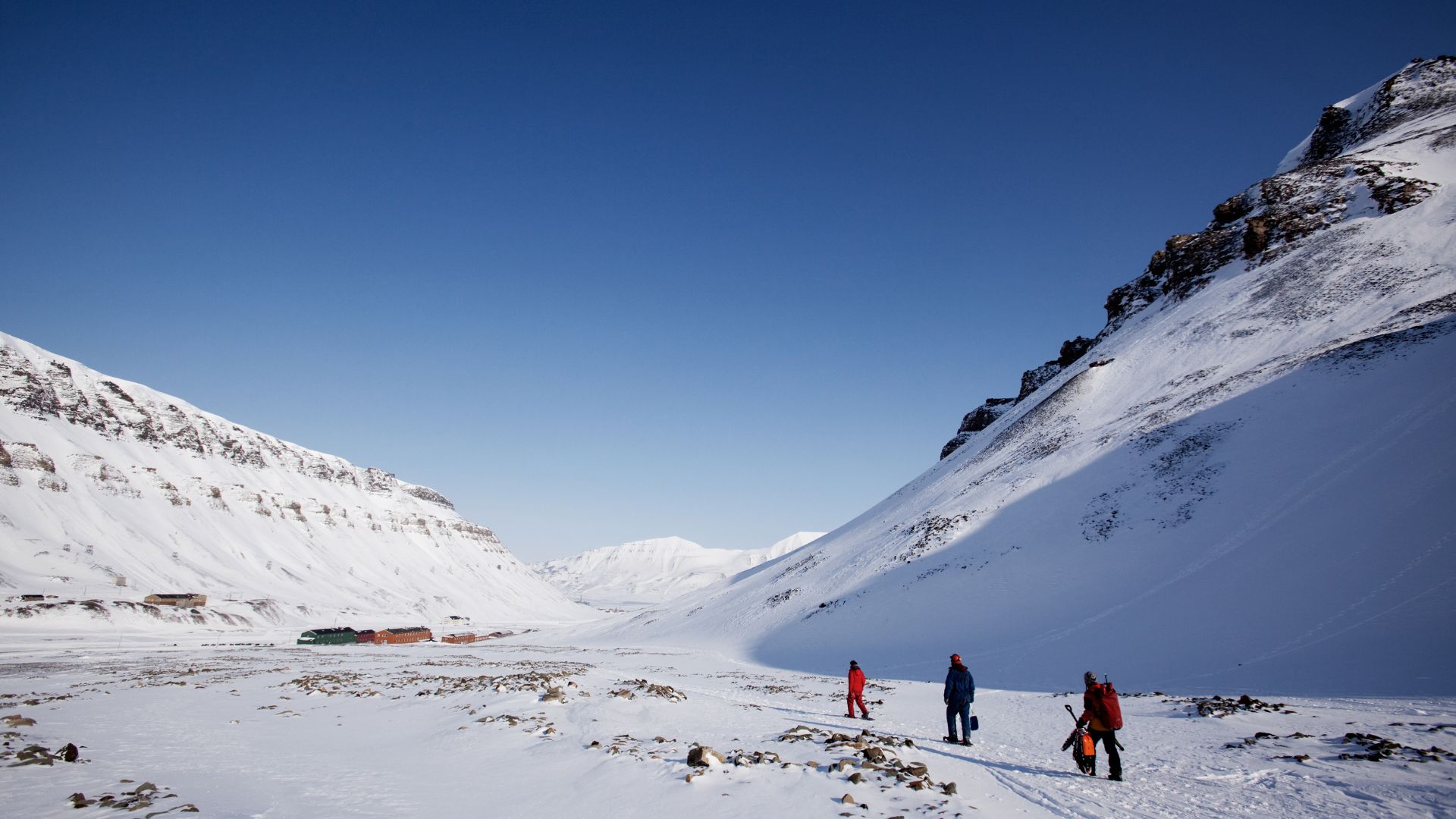
“There’s no such thing as bad weather, only bad clothing.” The Norwegian proverb sounds trite until you experience a Norwegian winter. The cold is genuine — temperatures in the interior can drop below minus thirty — but Norwegians don’t hide from it. They ski to work. Children play outside in conditions that would cancel school elsewhere. Life continues, adjusted but not interrupted.
For visitors, winter offers experiences impossible at other times. The Northern Lights, invisible in summer’s endless day, dance across dark skies from September to March. Skiing ranges from cross-country trails through silent forests to the alpine runs of Hemsedal and Trysil. Dog sledding, reindeer sleigh rides, and snowmobile safaris provide Arctic adventure without requiring Arctic fitness.
The coastal areas experience surprisingly mild winters, thanks to the Gulf Stream. Bergen rarely freezes; Tromsø is often warmer than Oslo. These maritime cities offer winter experiences without extreme cold: atmospheric light, cosy restaurants, the particular pleasure of warmth earned against the elements.
Clothing matters enormously. Norwegians layer: wool base layers, insulating mid-layers, wind and waterproof outer shells. Cotton is forbidden (it holds moisture and loses insulation). Proper boots with ice grips, mittens rather than gloves, and a hat that covers the ears are essential. Norwegian outdoor brands — Helly Hansen, Bergans, Norrøna — know these conditions and design accordingly.
The reward for proper preparation is access to a Norway tourists rarely see. Hotel prices drop outside peak summer. Popular sites empty. Norwegians, emerging from holiday hibernation, return to normal life and welcome visitors into it. The country reveals itself differently in the dark months — more introspective, more intimate, perhaps more honest.