
Wildlife Encounters: From Whales to Kiwi
New Zealand’s geographic isolation created unique wildlife found nowhere else on Earth — and preserved it, until human arrival, from the predators that shaped evolution elsewhere. The result is a fauna of remarkable character: flightless birds that evolved without fear of terrestrial hunters, marine mammals that gather in accessible concentrations, and ecosystems that conservation efforts are working to restore. For wildlife enthusiasts, New Zealand delivers experiences that rival any destination.
Kaikōura, on the South Island’s east coast, offers the most accessible whale watching in the Southern Hemisphere. Sperm whales reside here year-round, drawn by the deep submarine canyon that approaches the coast. Whale Watch Kaikōura operates boat tours that achieve sightings on over ninety percent of trips; when weather prevents sailing, helicopters provide an alternative perspective. The town also offers swimming with dolphins (dusky dolphins in playful pods), albatross encounters at the peninsula colony, and seal watching along the rocky coastline.
The Otago Peninsula, near Dunedin, concentrates remarkable wildlife on a single accessible stretch of coastline. The Royal Albatross Centre at Taiaroa Head provides viewing of the world’s only mainland albatross colony — these magnificent birds, with their three-metre wingspan, nest here through spring and summer. Yellow-eyed penguins, among the world’s rarest, come ashore each evening at nearby beaches; guided viewing hides allow observation without disturbance. Sea lions, fur seals, and little blue penguins complete an ecosystem remarkable for its accessibility.
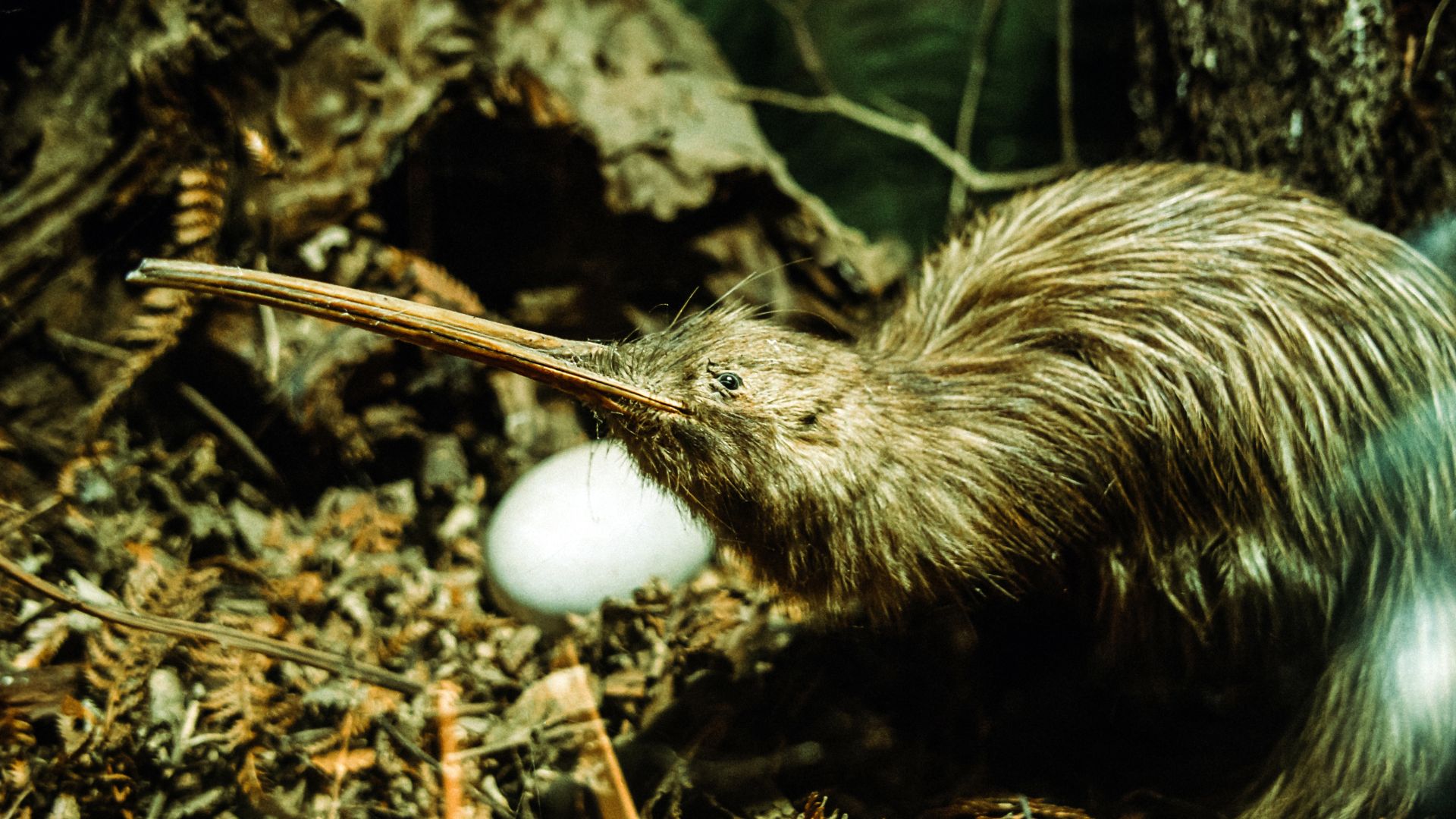
Encountering kiwi — the flightless, nocturnal bird that symbolises New Zealand — requires more effort. The birds are shy and rare; seeing them in the wild involves guided night walks with no guarantee of success. Stewart Island, the third island off New Zealand’s southern tip, offers the best wild encounters; guided trips on Ocean Beach achieve high success rates in appropriate conditions. For a guaranteed sighting, wildlife sanctuaries including Zealandia (Wellington), Kiwi North (Whangarei), and the National Kiwi Hatchery (Rotorua) provide encounters in controlled settings.
The timing of wildlife encounters matters. Whale watching operates year-round but is best in calm conditions (summer and autumn). Albatross nesting runs from November to September. Penguin viewing peaks from November to February. Kiwi encounters are possible year-round but require darkness — not easy to find during summer’s extended daylight. Planning an itinerary around wildlife priorities, with flexibility for weather, maximises the chances of memorable encounters.