
Wildlife Encounters: Everything Wants to Kill You (Not Really)
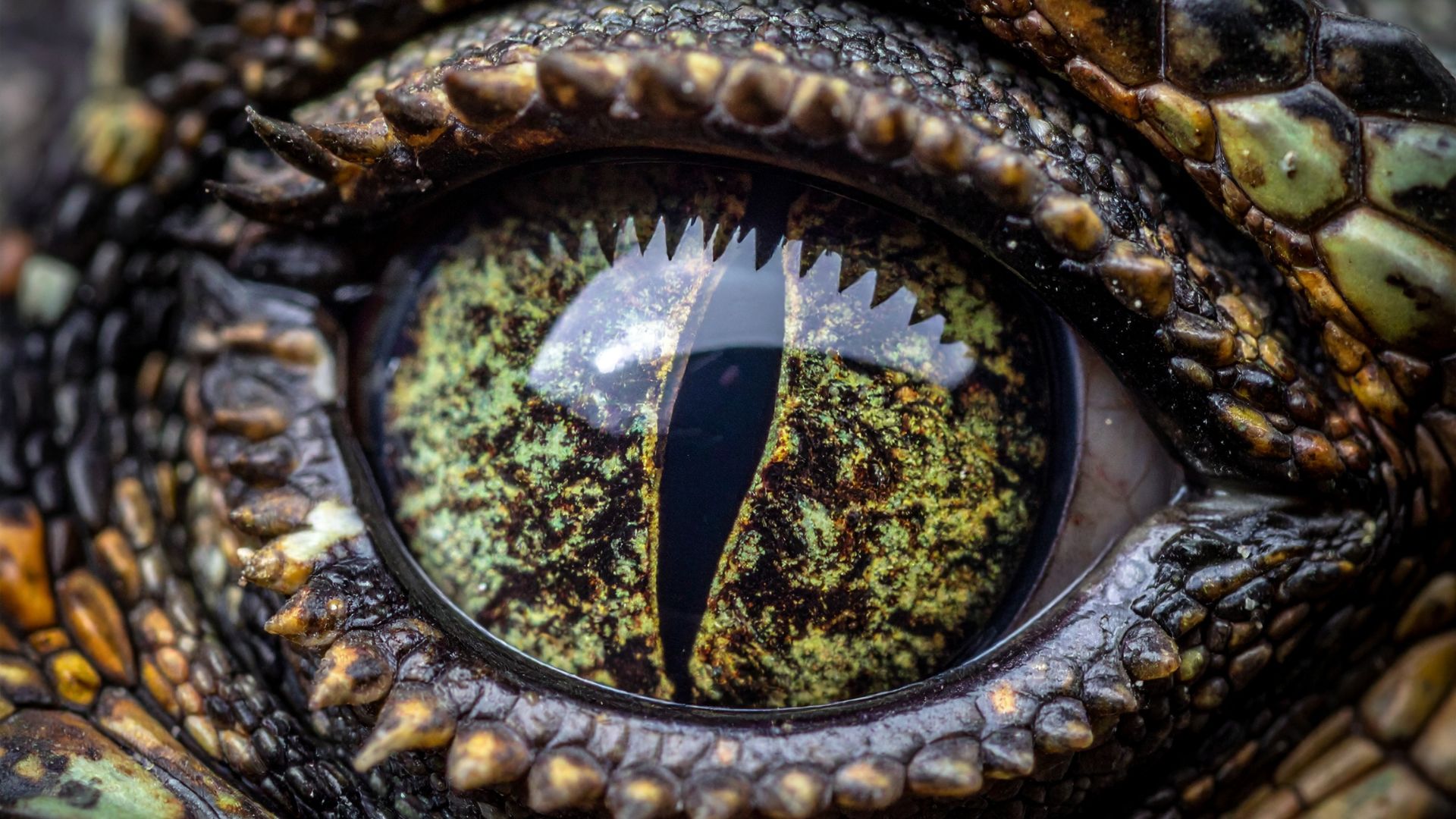
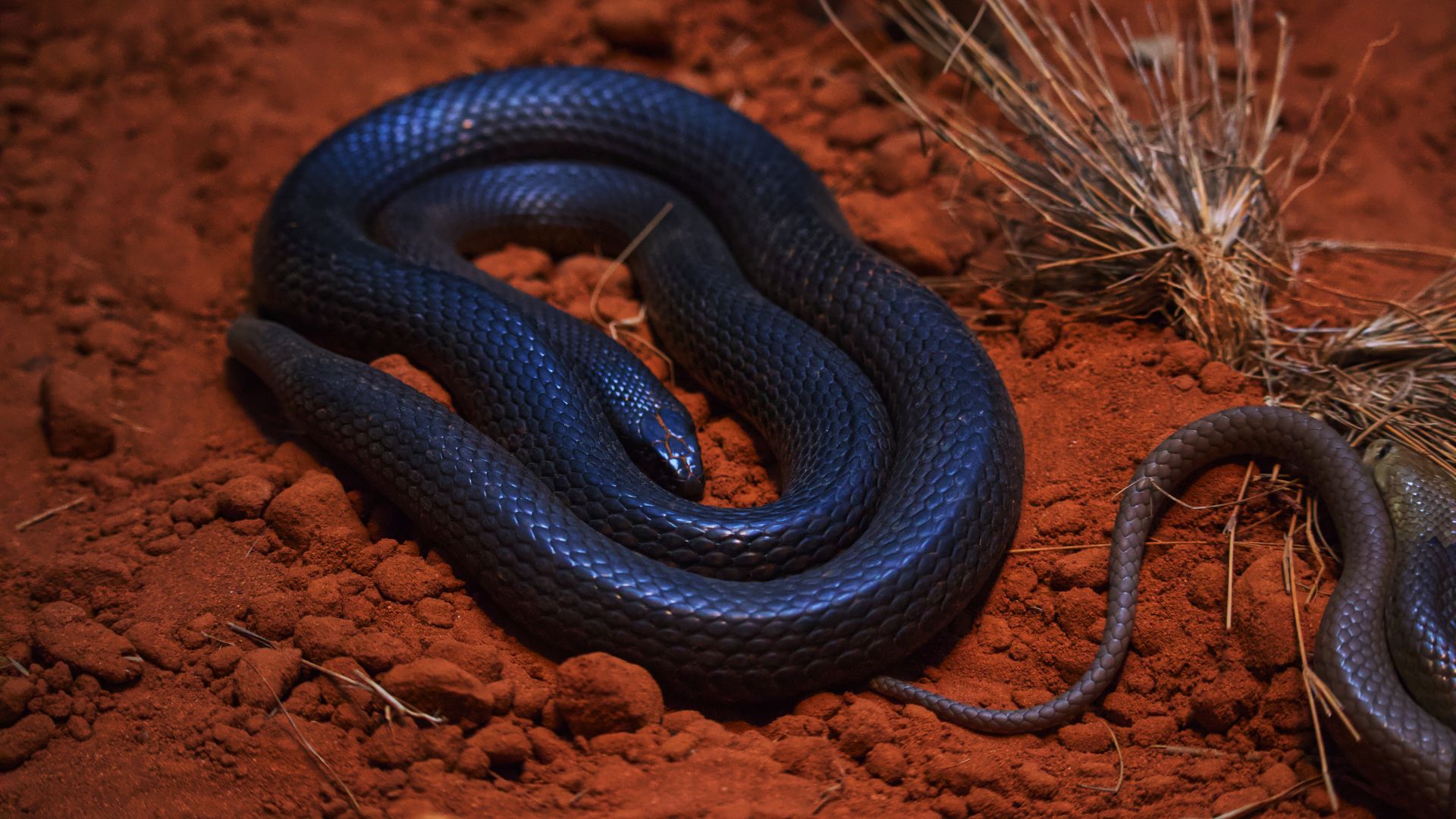
Australia’s reputation for dangerous wildlife is, like most stereotypes, both exaggerated and earned. Yes, the country hosts the world’s most venomous snakes, spiders whose bites require hospital visits, jellyfish that can kill in minutes, and sharks that occasionally mistake surfers for seals. But the statistical reality is that more Australians die from horse-related accidents than from all the famous deadly creatures combined. The wildlife is remarkable precisely because it evolved in isolation; the danger is manageable with basic awareness.
The animals you actually want to see are considerably less threatening. Kangaroos and wallabies appear in absurd abundance once you leave the cities — they graze on golf courses, obstruct rural roads, and generally behave as if they own the place, which of course they do. Koalas are harder to spot in the wild but common enough on Kangaroo Island, the Great Ocean Road, and in Queensland’s eucalyptus forests. Wombats emerge at dusk in Tasmania and Victoria; platypuses hide in freshwater streams but reward patient observation.
The marine life is extraordinary. The Great Barrier Reef’s fish and coral need no introduction, but the interactions elsewhere surprise. Swimming with sea lions at Baird Bay in South Australia, diving with whale sharks at Ningaloo Reef in Western Australia, watching humpback whales migrate along the east coast between June and November — these encounters rank among the world’s best wildlife experiences. The southern coast hosts seals, dolphins, and the occasional great white shark (behind a cage, for those inclined).
The birds deserve attention they rarely receive. Australia is home to parrots in colours that seem artificial (rainbow lorikeets, rosellas, galahs), kookaburras whose laugh is genuinely unsettling, and emus who approach cars with confidence that borders on aggression. The cassowary — a six-foot flightless bird with a dagger-like claw and a reputation for violence — lurks in Queensland’s rainforests and genuinely is dangerous, though attacks remain rare. Birdwatching in Australia converts sceptics.
Practical wildlife advice: do not swim in northern waters between October and May (box jellyfish and crocodiles), do not approach snakes or spiders (they prefer to avoid you), and do not feed anything (it makes animals aggressive and dependent). The luxury lodges excel at wildlife encounters because their guides know where to look and when. The sunset drink at Longitude 131, the morning walk at Southern Ocean Lodge, the twilight spotting at Saffire — these deliver wildlife sightings alongside comfort. The dangerous creatures are real but avoidable; the remarkable creatures are real and very much worth seeking.