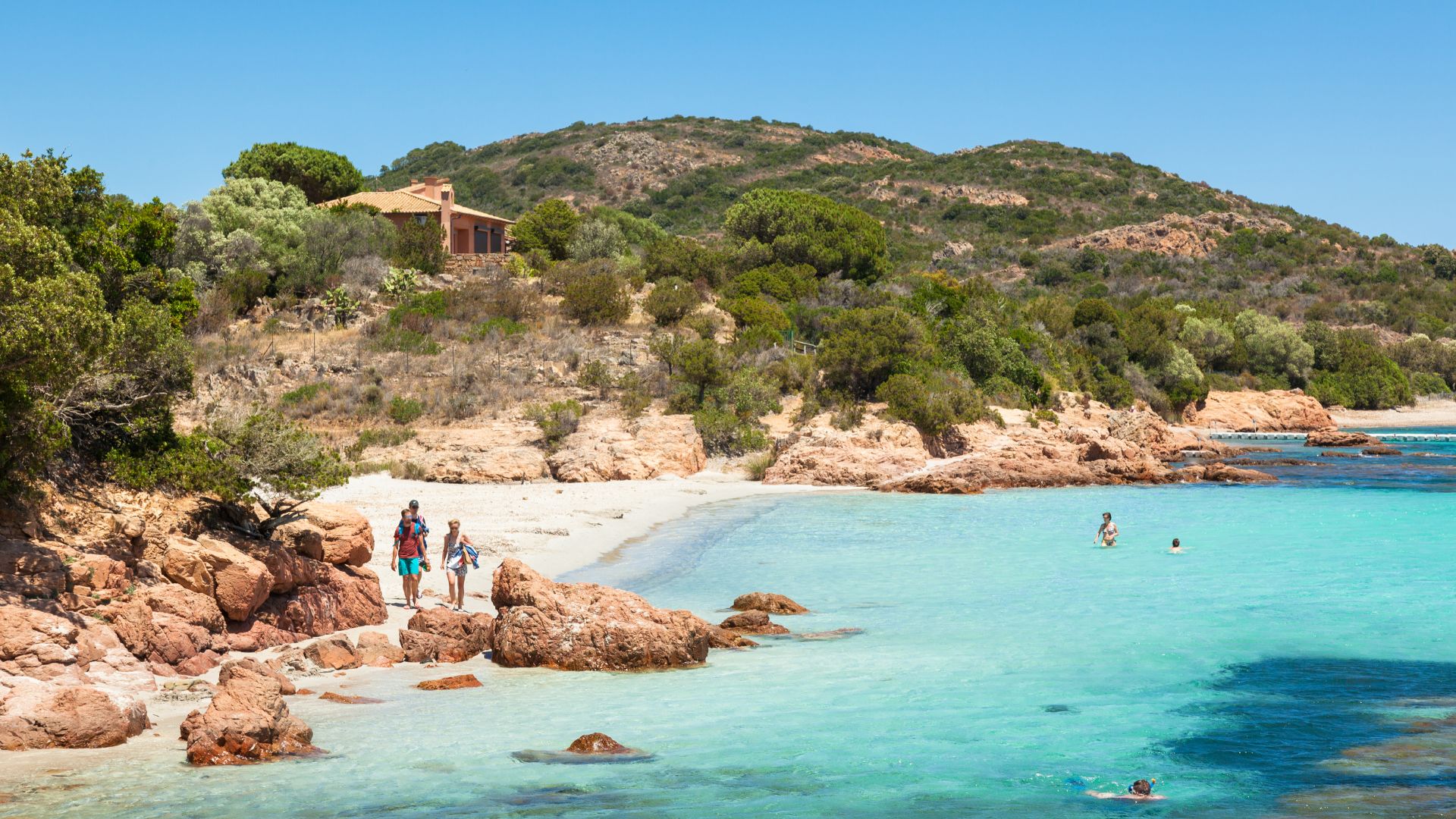
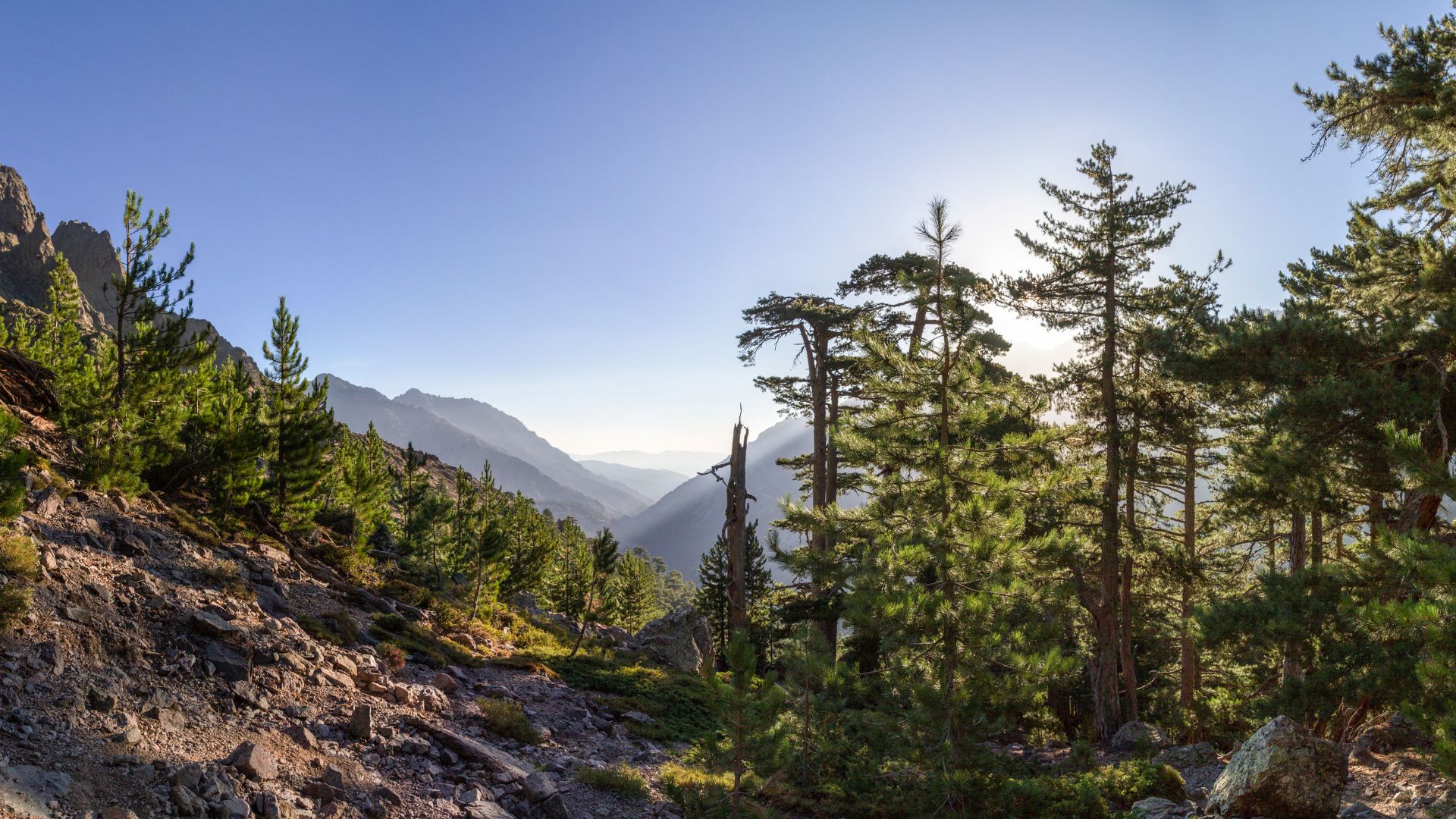
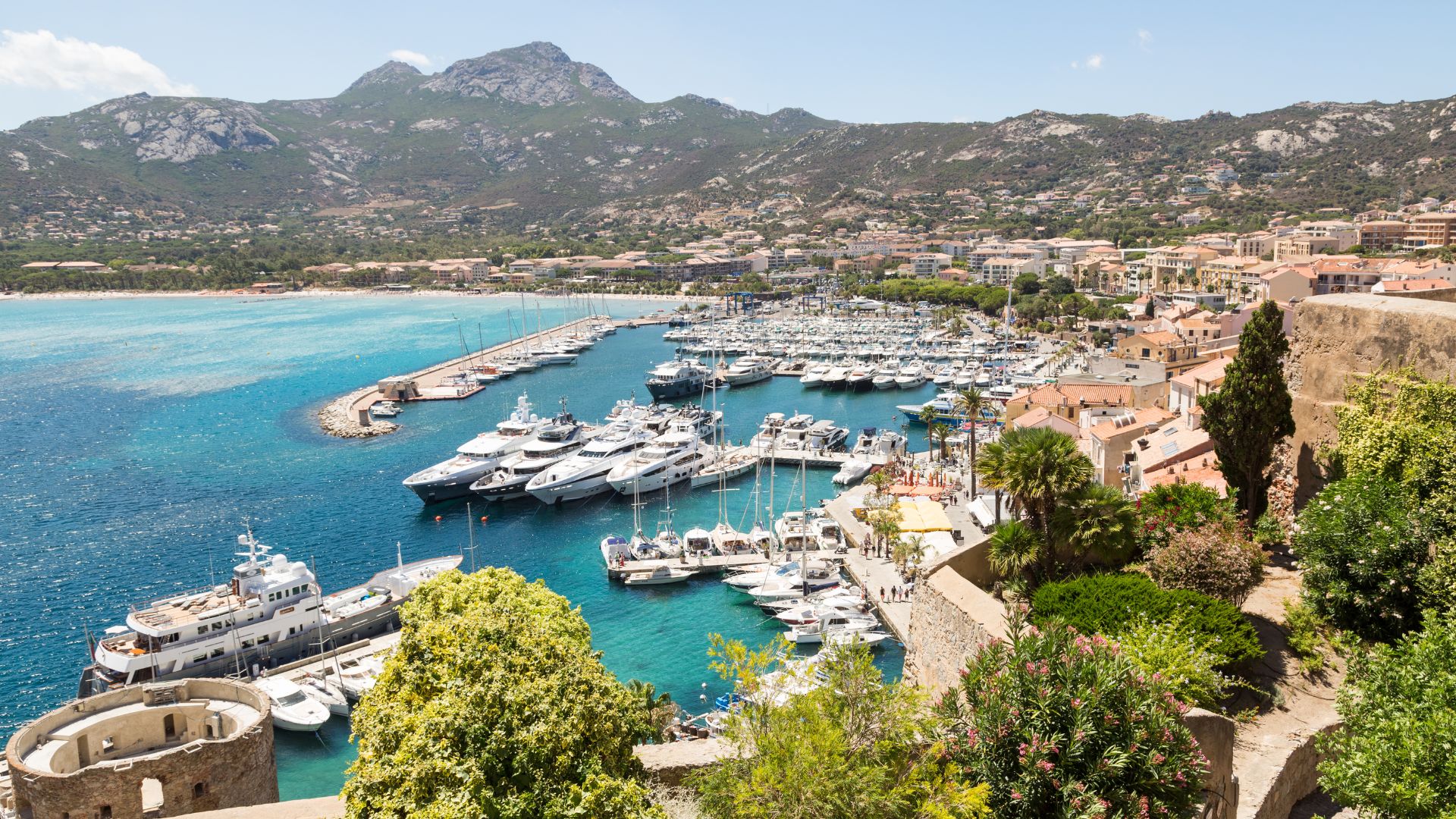
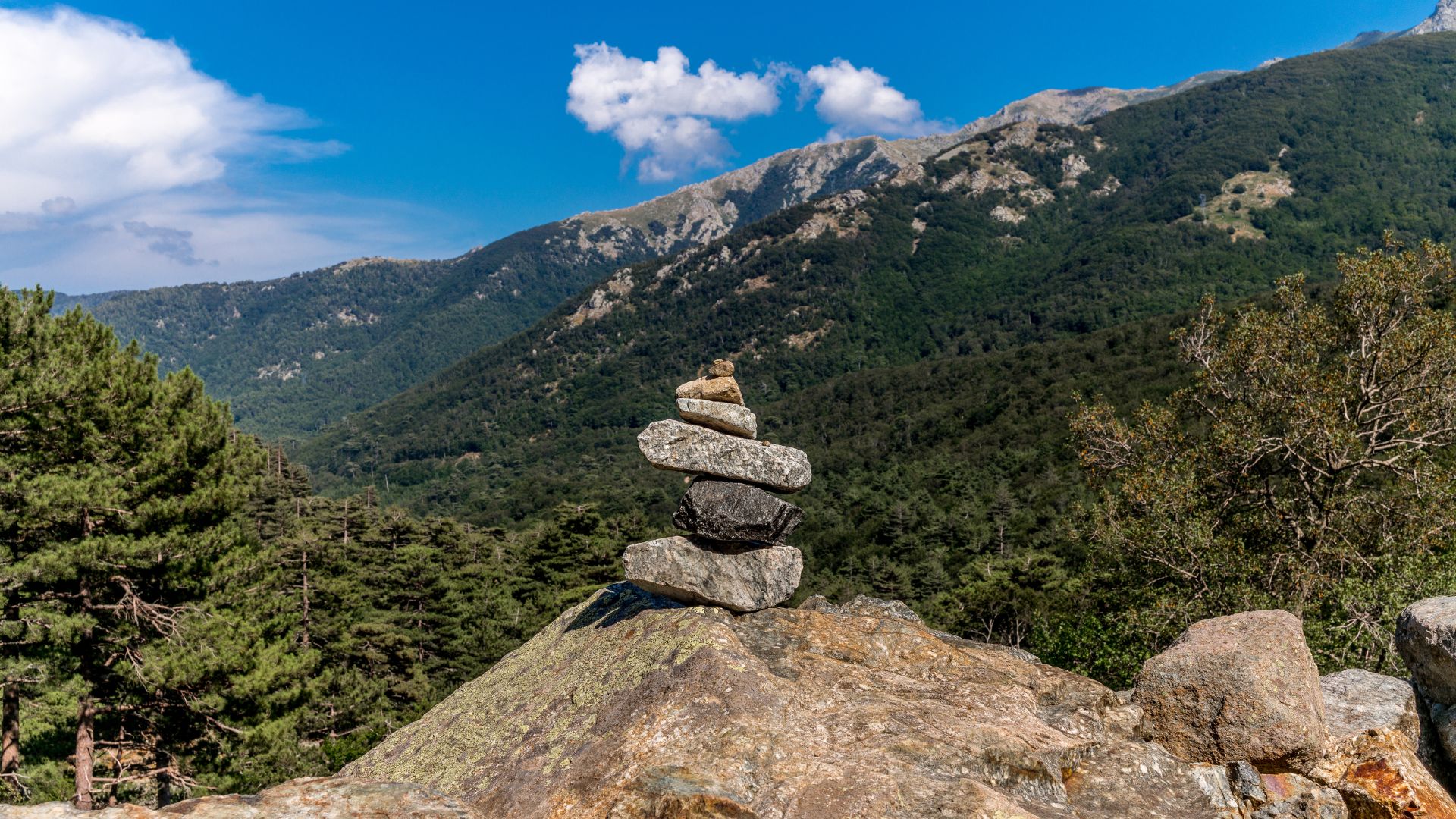
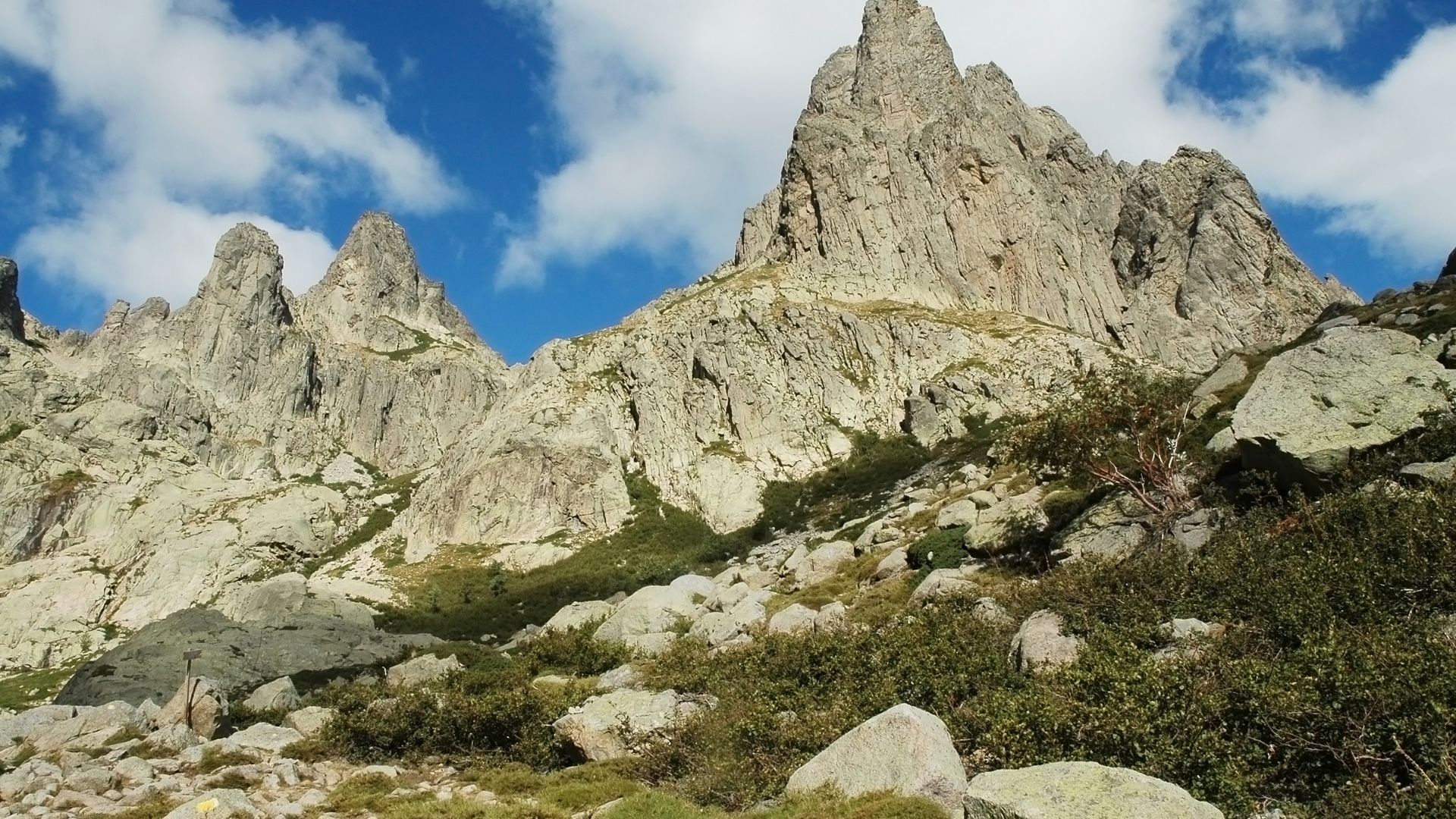
The GR20 hiking trail is legendary for good reason — a two-week traverse of the island’s granite spine that routinely appears on lists of the world’s most challenging long-distance walks. But Corsica offers so much more than this single masochistic ribbon of pain and beauty. The coastal walks, the maquis-scented villages, the mountain pools where you can swim in snowmelt beneath peaks still white in June — these deserve equal attention, and reward the visitor who comes prepared to explore rather than merely to suffer.
Napoleon’s birthplace — a fact the island never lets you forget — Corsica feels more Italian than French, which makes sense given that Genoa ruled here until 1768, just a year before the future emperor’s birth. The language is a dialect of Tuscan; the villages climb their hillsides in the manner of Italian hill towns; the food draws from the same Mediterranean pantry of chestnut, wild boar, sheep’s cheese, and myrtle. The French have overlaid their administration and their highway signs, but the island’s soul remains stubbornly its own.
The maquis — that dense scrubland of aromatic shrubs that covers the island’s lower slopes — is Corsica’s signature landscape and signature scent. Cistus, myrtle, lavender, rosemary, immortelle: the combination is intoxicating, and the islanders have been converting it into fragrance, digestif, and legend for centuries. During World War II, Resistance fighters hid in the maquis, and the French Resistance took its name — maquisards — from this impenetrable terrain. Even now, the maquis feels like a place where rules might not apply, where the old vendettas and blood feuds that defined Corsican history could still flicker into life.
We hiked from village to village along the Mare a Mare trails, the middle-altitude routes that thread through the maquis and chestnut forests without reaching the high peaks. At night, we slept in gîtes d’étape, the simple hostels that dot the island’s walking routes, eating communal meals of wild boar stew and brocciu cheese with walkers from across Europe. The conversations were polyglot, the wine was robust, and the stars, visible as they never are in cities, reminded us why people have walked these mountains since prehistory and will walk them for centuries to come.