
Walking Through Empire: Ancient Rome Revealed
From the Colosseum to the Catacombs — a journey through the ruins that shaped Western civilisation
Rome was not built in a day, and neither can it be seen in one. But the ancient city — the Rome of emperors and gladiators, of triumphs and persecutions, of an empire that stretched from Scotland to Syria — can be walked in a day if you’re prepared for the distances and the heat and the particular kind of exhaustion that comes from trying to comprehend 1,200 years of history in twelve hours. This is our route through the ancient city, from the amphitheatre where blood was sport to the catacombs where early Christians buried their dead.
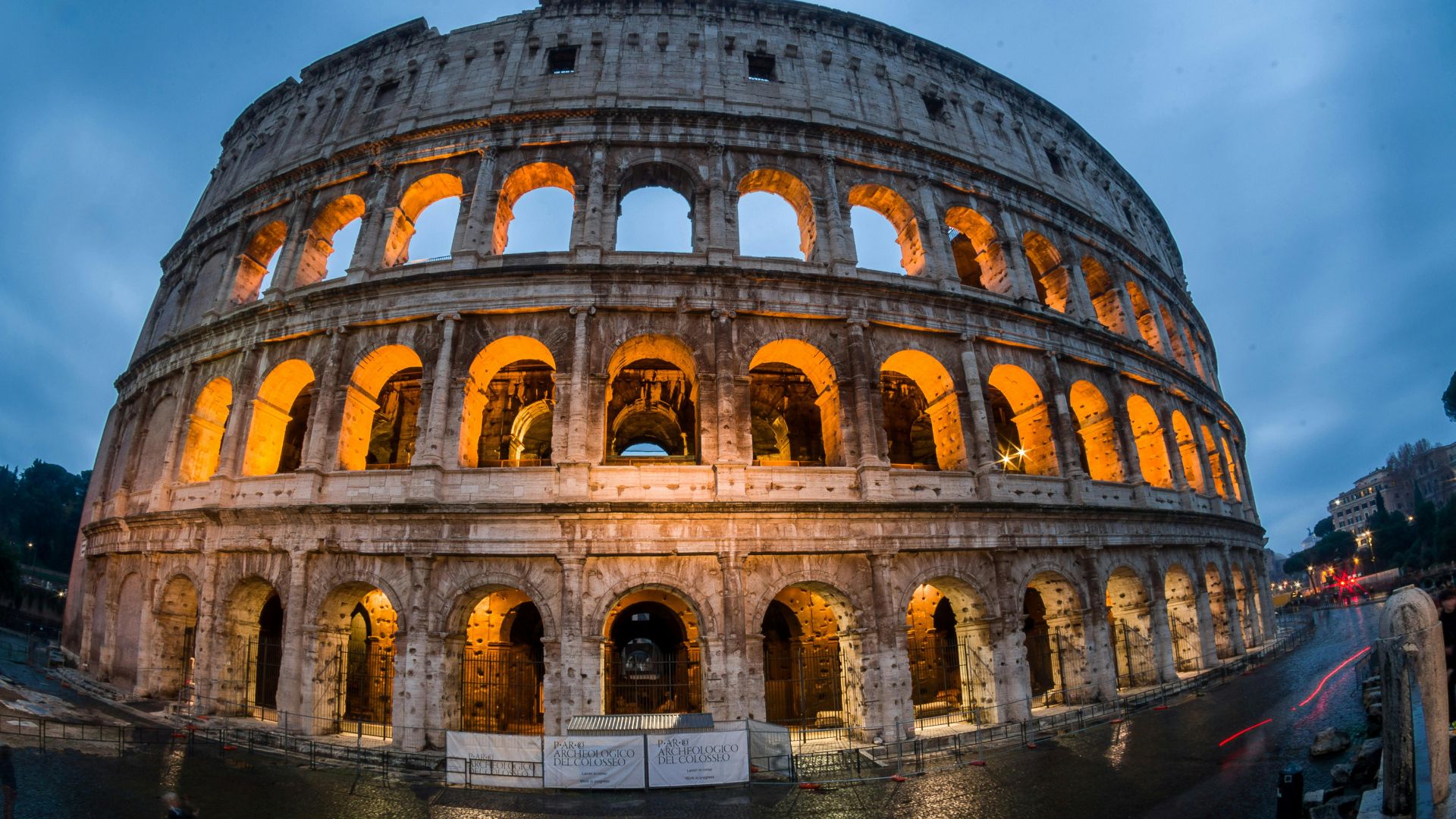
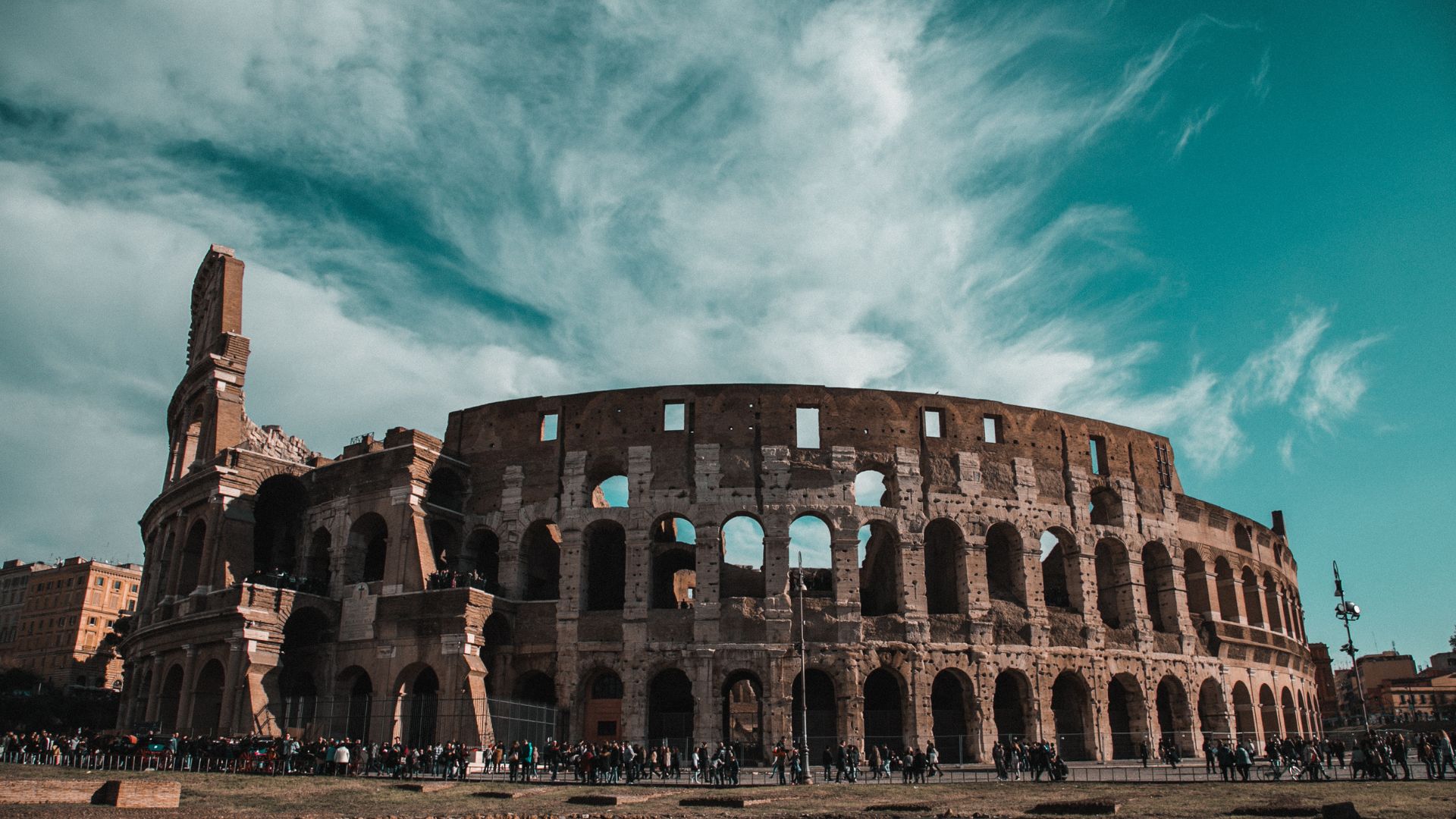
The Colosseum
Begin at dawn, when the Colosseum’s travertine walls glow pink in the rising sun and the tour groups have not yet arrived. The Flavian Amphitheatre — its proper name — opened in 80 AD with a hundred days of games that reportedly killed 9,000 wild animals and 2,000 gladiators. The scale remains staggering: 50,000 spectators on marble seats, a velarium (retractable awning) operated by sailors from the imperial fleet, a hypogeum (underground complex) where beasts and fighters waited their turn to kill or die.
The arena floor is gone, revealing the labyrinth beneath — cells and corridors and lifts that raised combatants into the sunlight. You can walk the upper levels, recently reopened after decades of restoration, and see what the poorest spectators saw: the senators in their white-bordered togas in the front rows, the emperor in his box, the blood and sand that gave the arena its name (harena is Latin for sand). The Colosseum was designed for spectacle, and even empty, even ruined, even crowded with tourists, it remains spectacular.
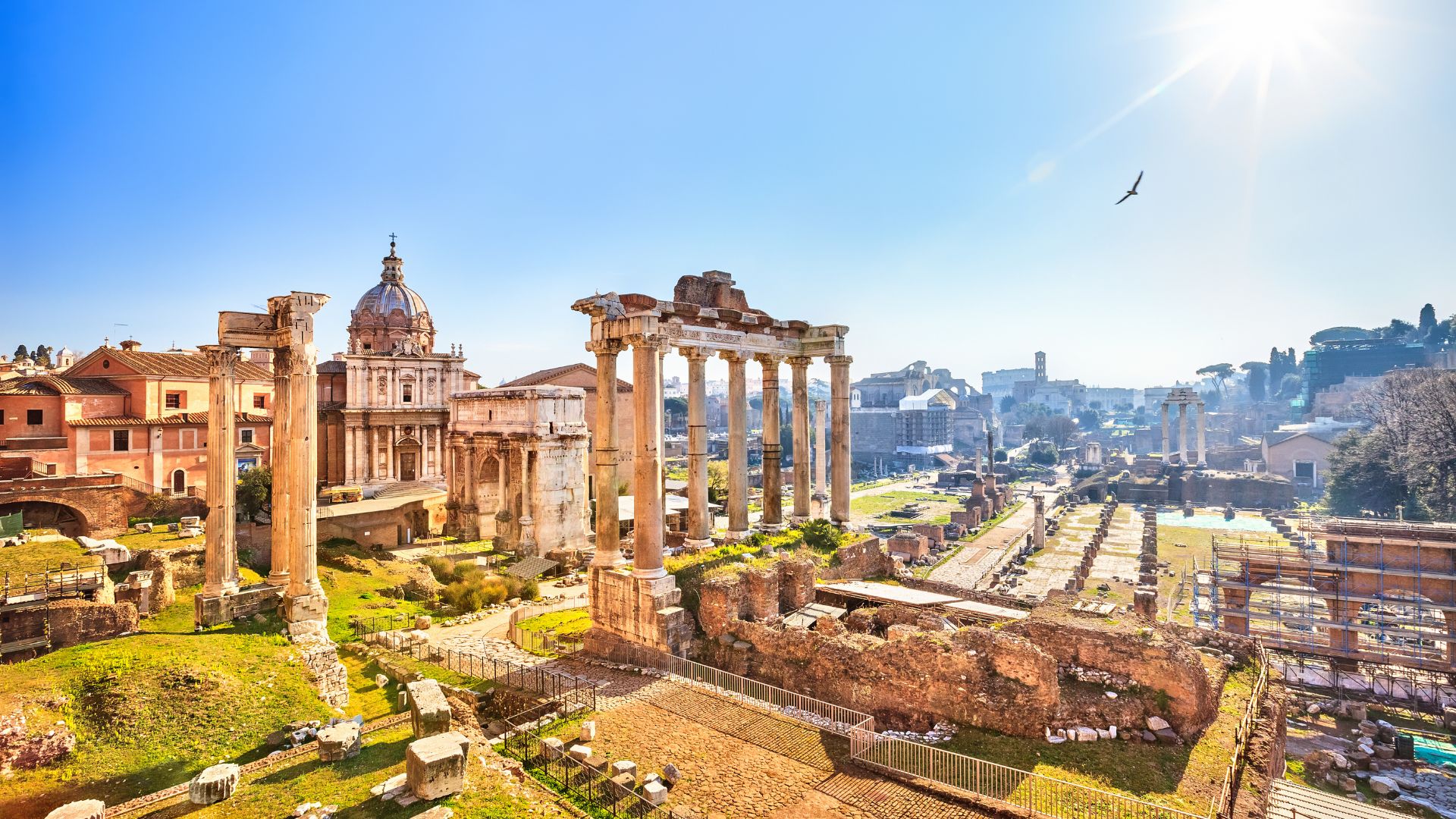
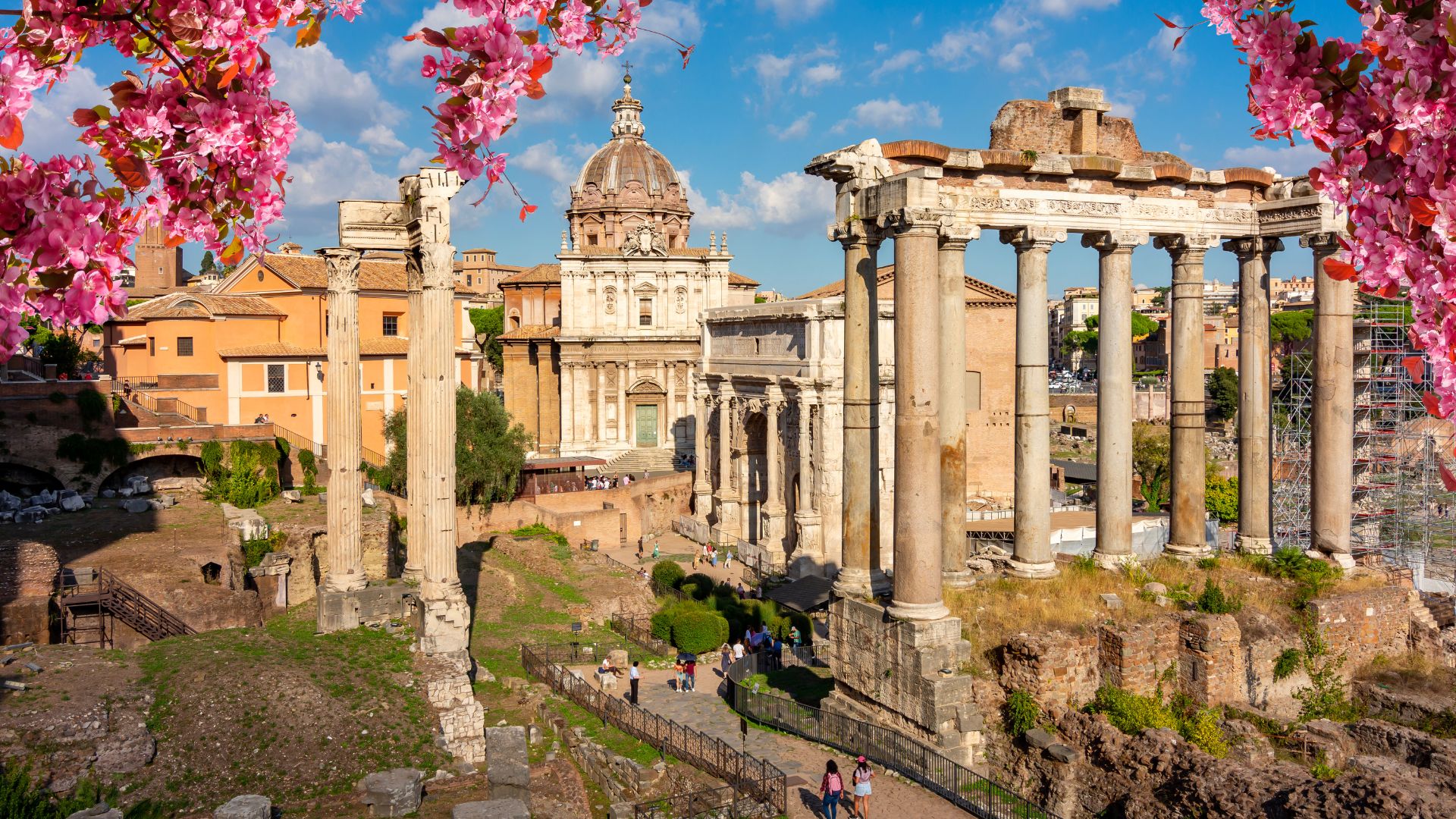
The Roman Forum
Cross the road to the Forum, the political and religious heart of ancient Rome. Here, in this valley between the Palatine and Capitoline hills, senators debated, generals triumphed, and Julius Caesar’s body was cremated while the mob threatened to burn the city in their grief. The Forum today is a maze of ruins that require imagination to reconstruct — but with that imagination, and ideally a good guidebook or guide, the ancient city comes alive.
The Via Sacra, the Sacred Way, bisects the Forum from the Arch of Titus (depicting Jerusalem’s fall in 70 AD, including the Temple menorah carried in triumph) to the Arch of Septimius Severus (commemorating victories over Parthia that you’ve probably never heard of). Between them: the Temple of Vesta, where the sacred flame burned and Vestal Virgins served thirty-year terms; the Curia Julia, where the Senate met; the Rostra, the speaking platform from which Mark Antony delivered Caesar’s funeral oration (at least in Shakespeare’s version). Edward Gibbon supposedly conceived his Decline and Fall while sitting among these ruins; standing here, watching the sunset paint the columns gold, you understand the impulse.
The Palatine Hill
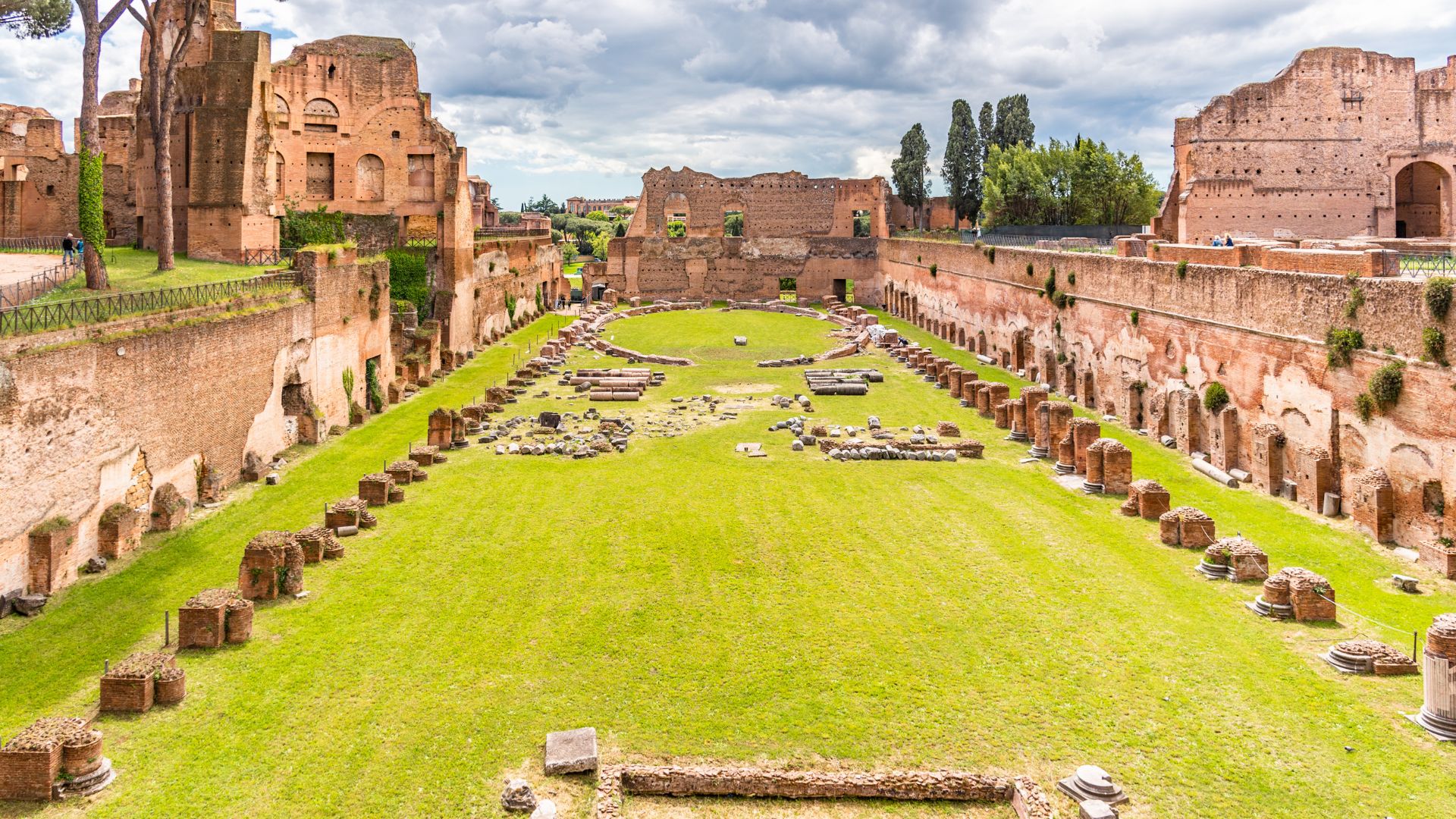
Climb the Palatine, the hill that gave us the word ‘palace.’ Here the emperors built their residences — Augustus modestly, Nero extravagantly, Domitian manically. The ruins are extensive but confusing: walls rise and fall without obvious pattern, frescoes fragment into abstract marks, the famous sunken garden where Nero’s revolving dining room supposedly stood requires considerable faith to visualise. But the views reward: across to the Forum, across to the Colosseum, across to the Circus Maximus where chariot races drew crowds of 250,000.
The Palatine’s gardens, planted in Renaissance times over the imperial ruins, provide welcome shade and a sense of the site’s later history — Cardinal Farnese’s pleasure gardens, archaeological excavations that began in the 18th century and continue today, the layers of Rome that make every dig a journey through time.
The Pantheon
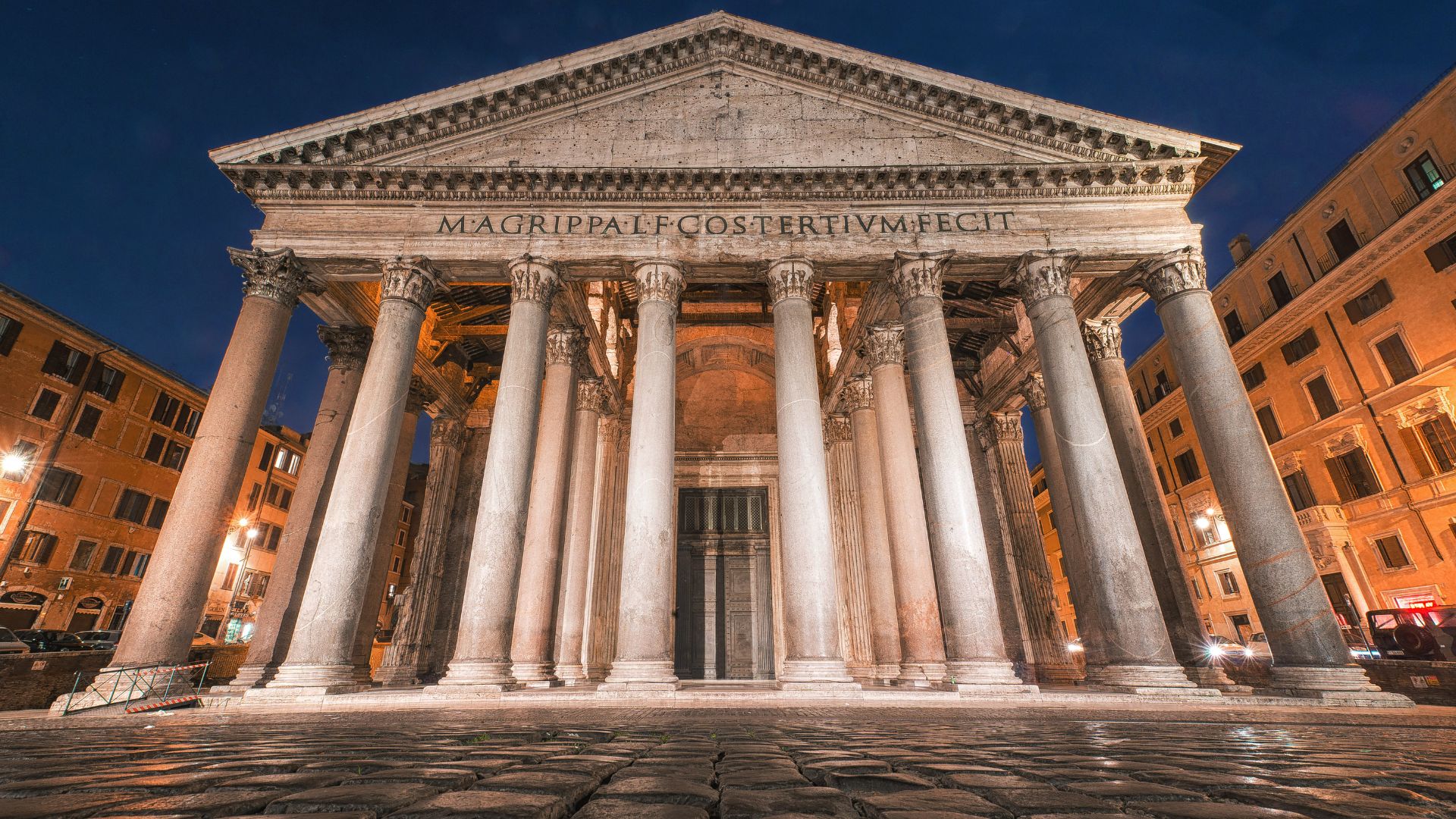
Walk north through the centro storico to the Pantheon, that miraculous temple converted to church that has stood essentially unchanged for 1,900 years. The dome — still the world’s largest unreinforced concrete dome — spans 43 metres and reaches the same height from floor to oculus. The engineering remains mysterious: modern architects cannot explain how Hadrian’s builders achieved it with the materials available. The oculus, open to the sky, admits a shaft of light that moves across the interior like a sundial, and admits rain that drains through almost invisible holes in the floor.
Raphael is buried here, and the kings of unified Italy, but the building transcends its contents. Stand in the centre and look up: the coffers diminish toward the oculus in perfect perspective, the light falls like revelation, and for a moment you understand why the ancients built temples to gods they could not see.
The Appian Way and the Catacombs
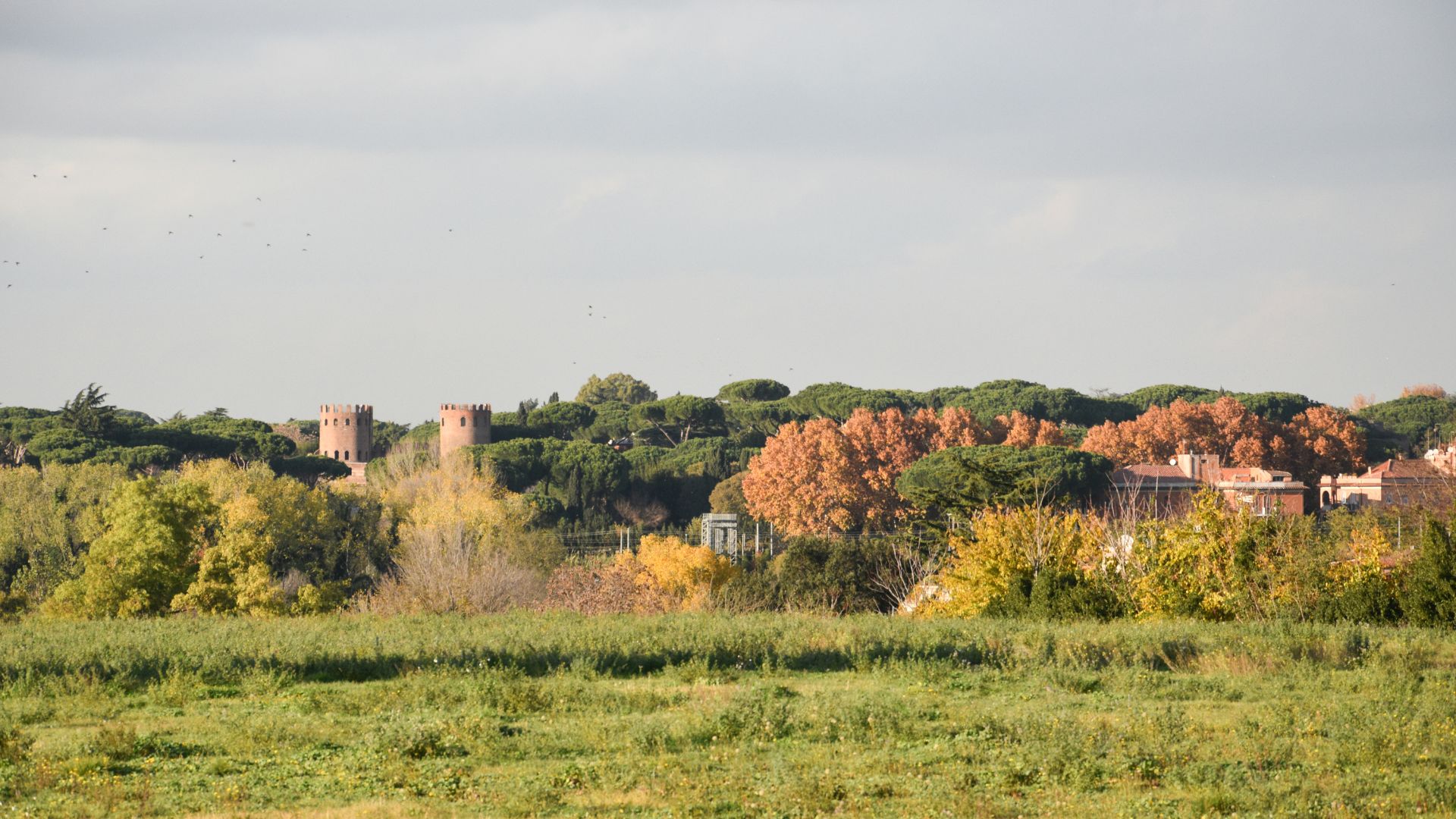
In the afternoon, take a bus (or, better, rent a bicycle) to the Via Appia Antica, the queen of Roman roads. Built in 312 BC to connect Rome to Capua, later extended to Brindisi on the Adriatic coast, the Appian Way carried legions to conquest and philosophers to dialogue and early Christians to martyrdom. The first few kilometres outside the Aurelian Walls remain paved with original basalt blocks, worn by two thousand years of feet and hooves and wheels.
The catacombs tunnel beneath the road — underground cemeteries where Christians buried their dead and, during persecutions, gathered to worship in secret. The Catacombs of San Callisto contain the tombs of third-century popes; the Catacombs of San Sebastiano supposedly sheltered the relics of Peter and Paul; the Catacombs of Domitilla, the largest, extend for seventeen kilometres through four levels of tunnels lined with niches for the dead. The tours, conducted by friars who have dedicated their lives to these spaces, descend into darkness and emerge with a visceral understanding of early Christianity — the fear and the faith, the community and the persecution, the belief in resurrection that made underground burial a statement of hope.
Return to the city as the sun sets, perhaps stopping at the Circus Maximus — now a public park but once the chariot-racing stadium that seated 250,000, larger than any modern sports venue. The Palatine rises on one side, exactly as it rose for the spectators who cheered their favourite colours (Blues and Greens, like modern football clubs) and rioted when their team lost. Ancient Rome was not a museum but a living city, and walking its ruins — feet on stones that emperors walked, eyes on horizons that legions marched toward — brings that life back to imagination.