
Volcanoes- Living with Fire Indonesia
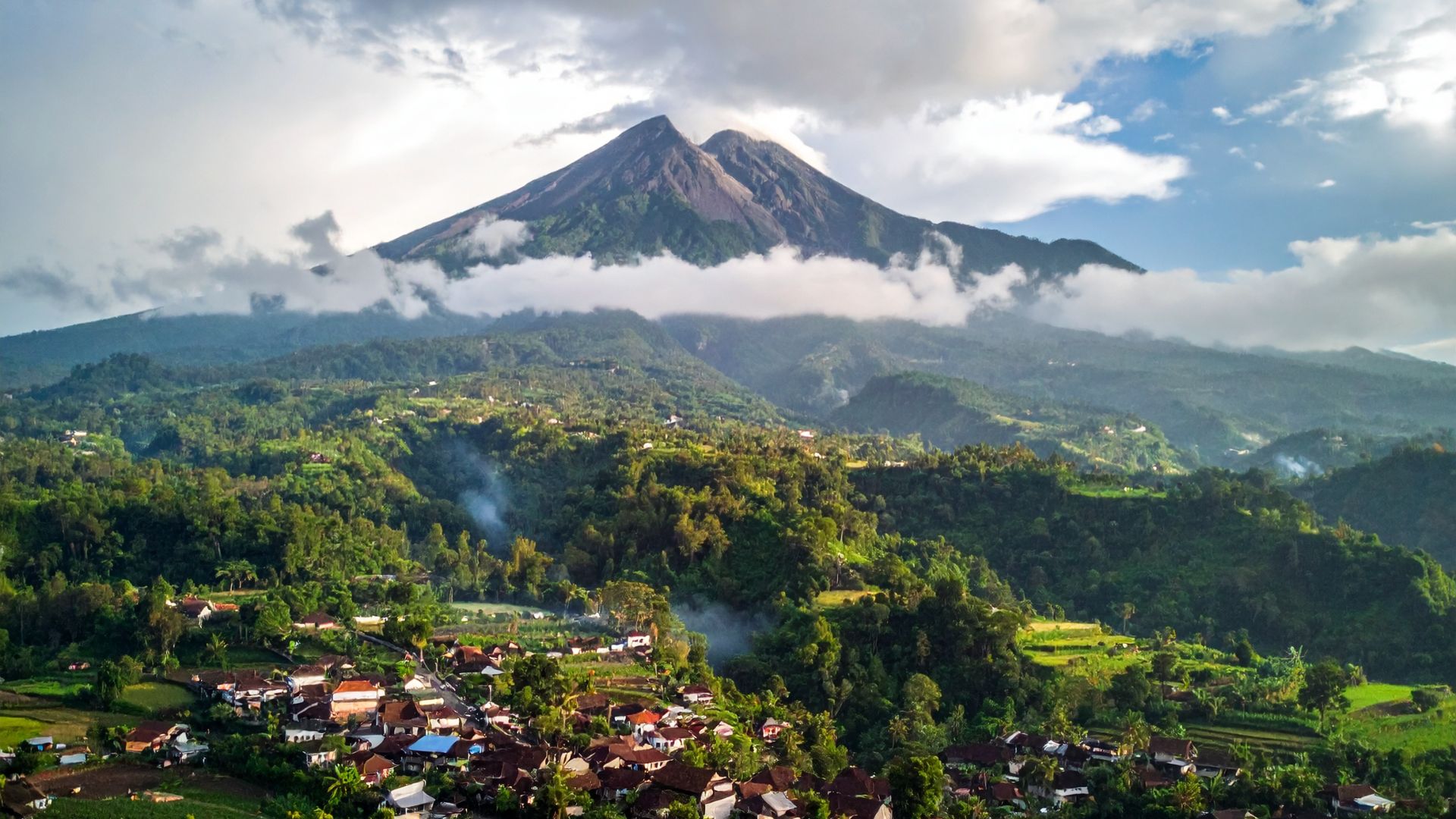
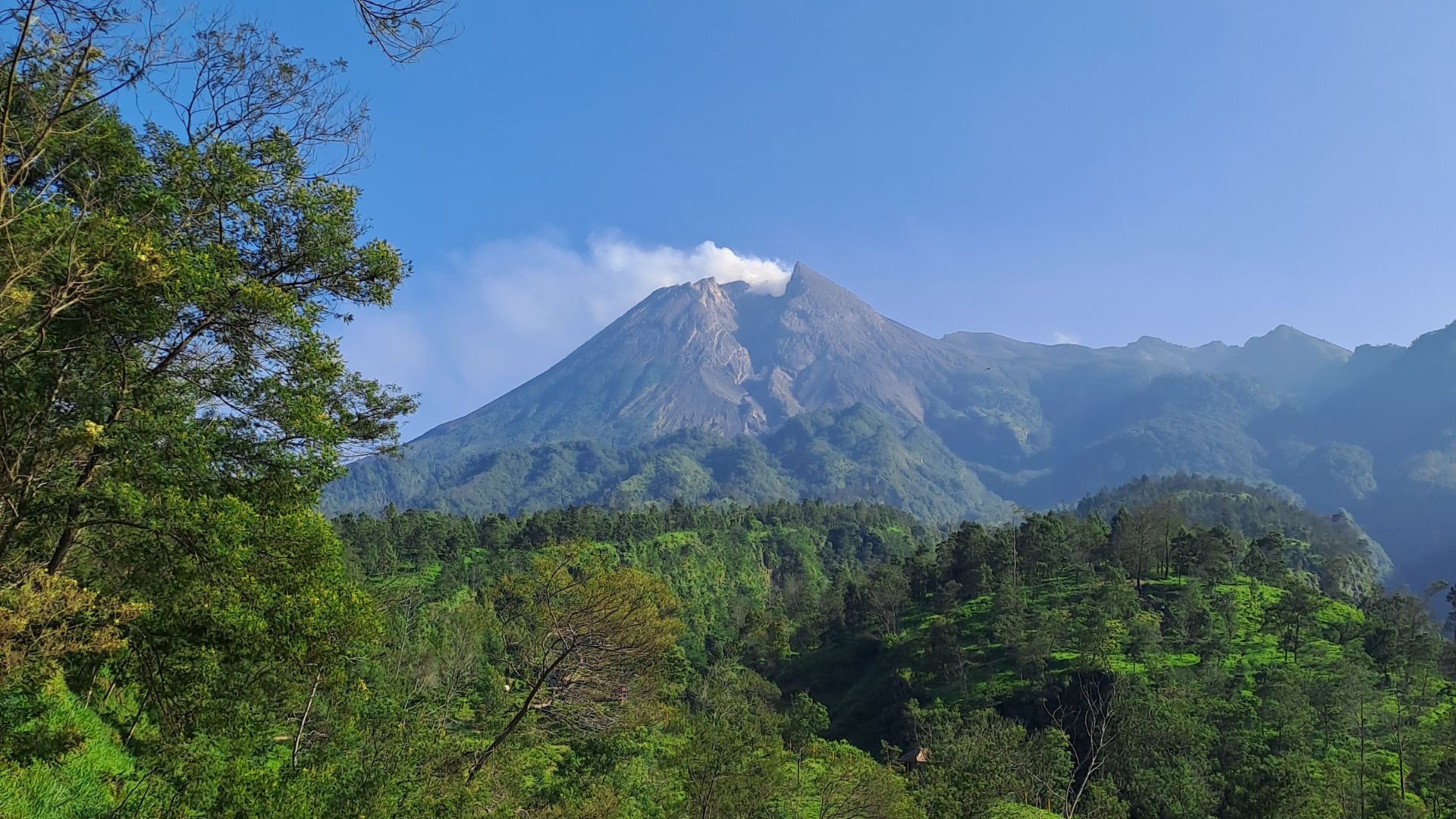
Indonesia contains more active volcanoes than any other country — over 130 along the arc where the Australian and Eurasian tectonic plates meet. The volcanic activity has shaped the archipelago physically, culturally, and spiritually: the fertile soils that support dense population, the hot springs that provide natural spas, the eruptions that destroy and renew, and the mountains that serve as dwelling places for gods in traditions that predate recorded history. Understanding Indonesia requires understanding that this is a landscape in active creation.
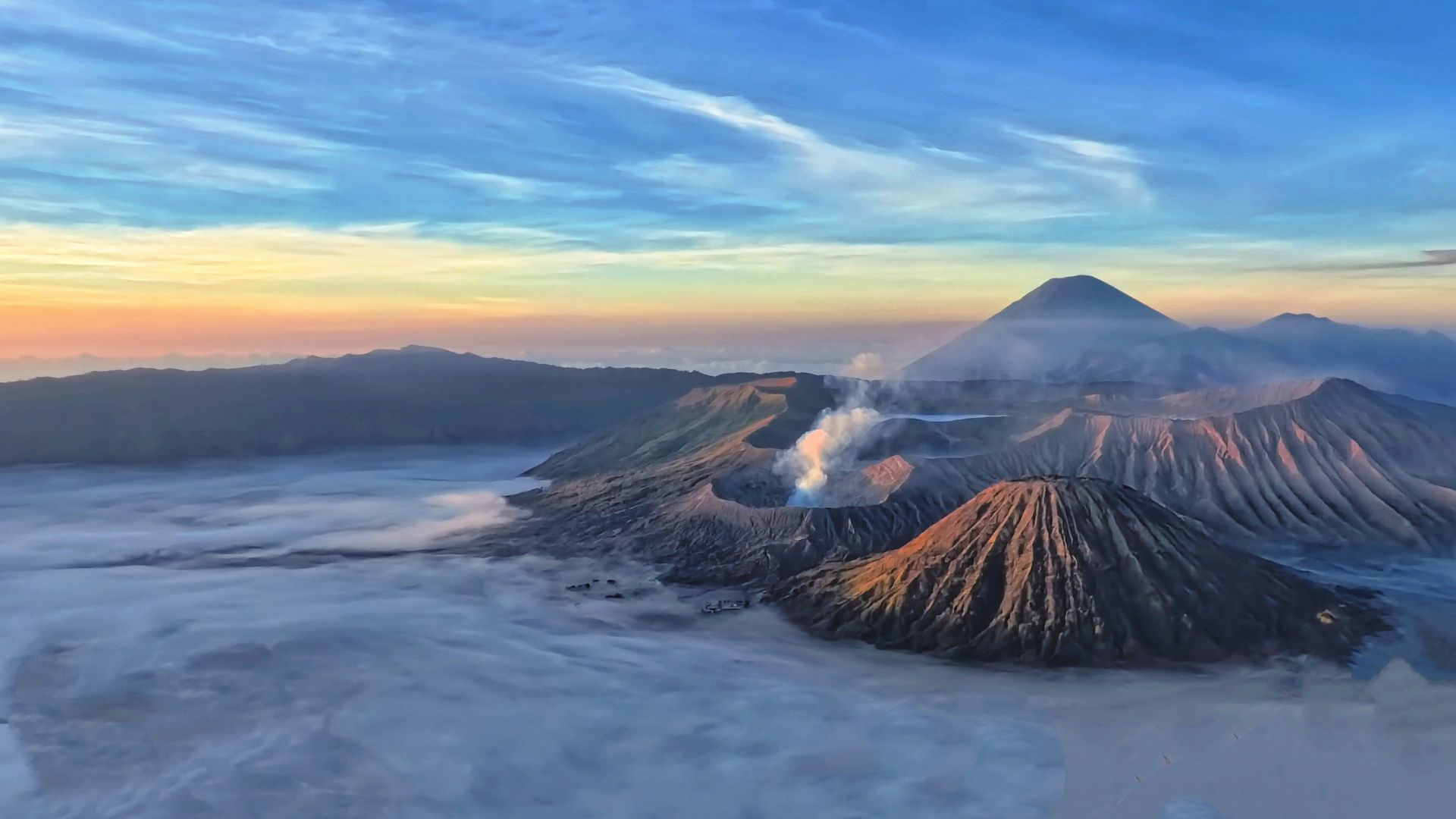
Mount Bromo in East Java provides the most accessible volcanic spectacle. The caldera — a sea of sand containing the active cone that rises from its center — creates landscapes that defeat comparison to anything except other planets. The approach involves predawn departure, jeep travel across the sand sea, and a hike to the crater rim as sunrise illuminates the scene. The crowds can be significant; the drama absorbs them. Watching sulphurous smoke rise from the crater as light fills the valley provides the sublime that tourism promises and rarely delivers.
Mount Ijen offers different drama. The volcano contains an acidic lake of intense blue-green colour and, more remarkably, produces blue flames from burning sulphuric gases that are visible only in darkness. The approach requires hiking in darkness, descending into the crater before dawn, and watching the flames before the coming light extinguishes their visibility. The sulphur miners who work here — carrying impossible loads of solidified sulphur up from the crater floor for minimal wages — provide human drama that complicates the natural spectacle.
Bali’s Mount Agung and Mount Batur both offer trekking opportunities. Agung, the higher and more sacred, requires serious climbing; Batur, more accessible, attracts sunrise hikers in significant numbers. Lombok’s Mount Rinjani combines volcanic scenery with a crater lake that rewards multi-day trekking. And the volcanoes of the outer islands — Flores, Sulawesi, the Banda Sea — provide experiences for those willing to venture beyond the established circuits.
The volcanic activity is not merely scenic but ongoing. Mount Agung erupted in 2017 and 2018, disrupting Bali travel; Anak Krakatau collapsed in 2018, generating a deadly tsunami; and lesser eruptions and earthquakes occur with regularity across the archipelago. The luxury operators monitor conditions and adjust itineraries accordingly; the traveller should accept that volcanic landscapes are living landscapes, beautiful precisely because they are dangerous. The risk is manageable but not absent; the reward includes witnessing planetary processes that most destinations cannot offer.