
UAE: Eat Like a Local
Eat Like a Local
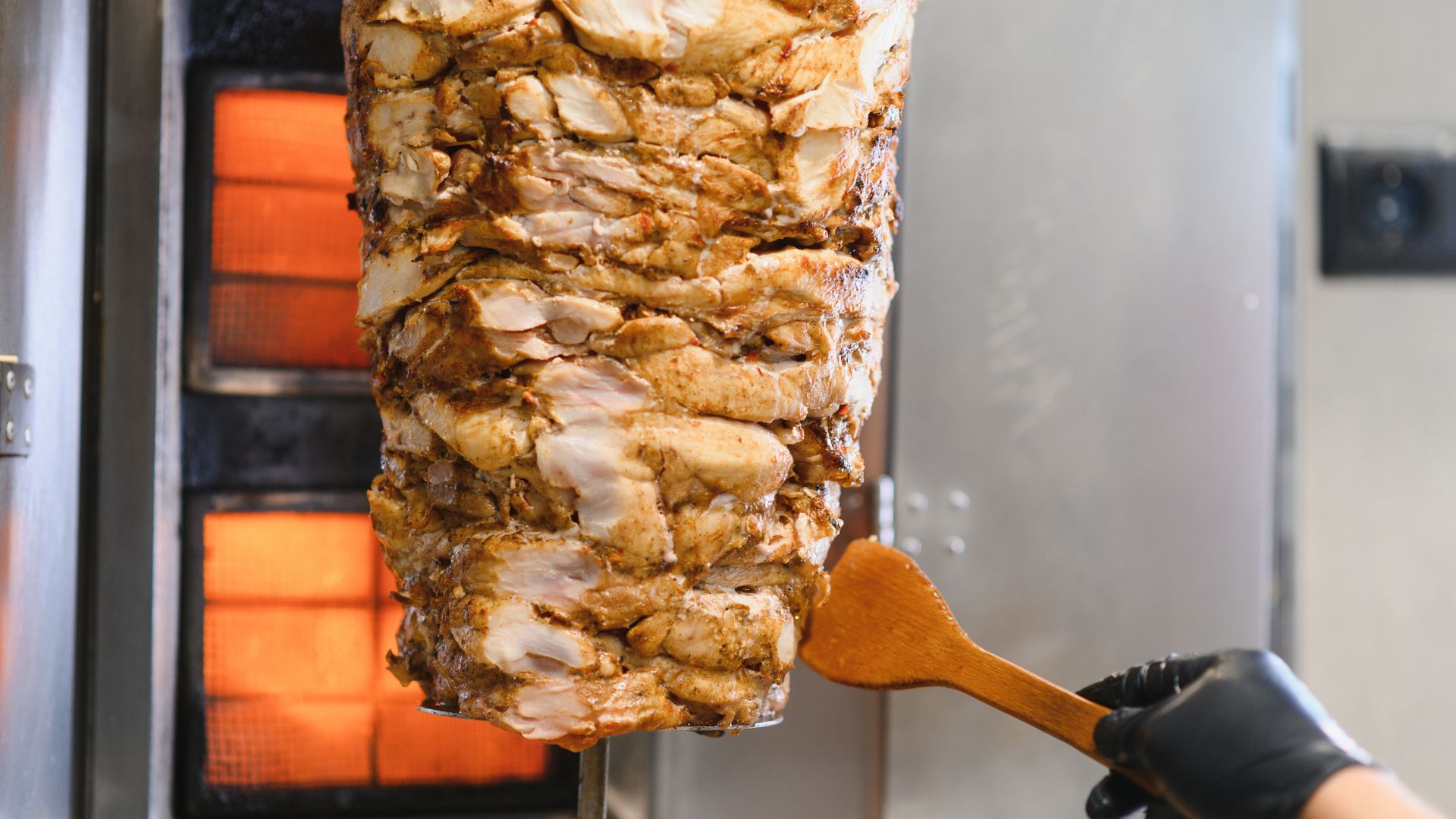
- Shawarma — Street Food
Expect to pay: £3–£8 depending on size and venue
The UAE’s most beloved street food rotates on vertical spits across the country—lamb, chicken, or beef slowly cooked until the edges crisp while the interior remains succulent. Carved to order, wrapped in fresh Arabic bread with tahini, garlic sauce, pickles, and fresh vegetables, shawarma represents Middle Eastern fast food at its finest. The best comes from unassuming shops in older neighbourhoods—Al Mallah in Dubai, Lebanese Flower in Abu Dhabi—where the queues speak for themselves. Eaten standing at a counter or wrapped in foil on the go, a perfect shawarma at midnight is an essential UAE experience.
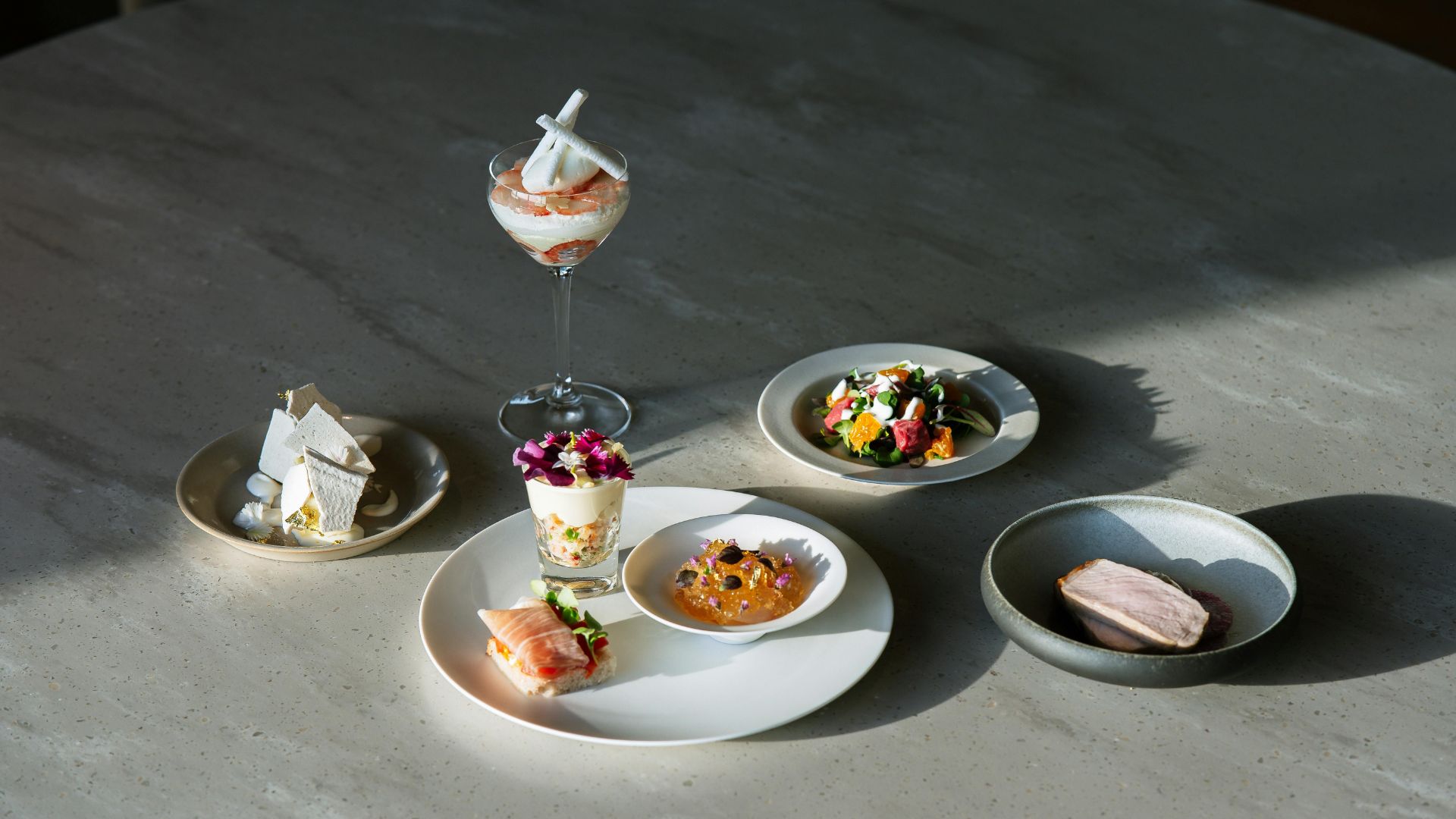
- Michelin-Starred Tasting Menu — Fine Dining
Expect to pay: £150–£400 for tasting menu; £250–£600+ at celebrity chef restaurants
Dubai and Abu Dhabi have assembled an extraordinary collection of the world’s finest restaurants. Nobu, Zuma, Hakkasan, and countless celebrity chef outposts deliver exceptional quality, while homegrown talents like Orfali Bros push creative boundaries. Expect theatrical presentations, views that span to the horizon, and service that anticipates every desire. Many restaurants occupy the upper floors of Dubai’s towers, where the cityscape provides a backdrop as spectacular as the food. Book well ahead for the most celebrated addresses, dress to impress (Dubai takes dining seriously), and experience why the UAE has become a genuine culinary destination.
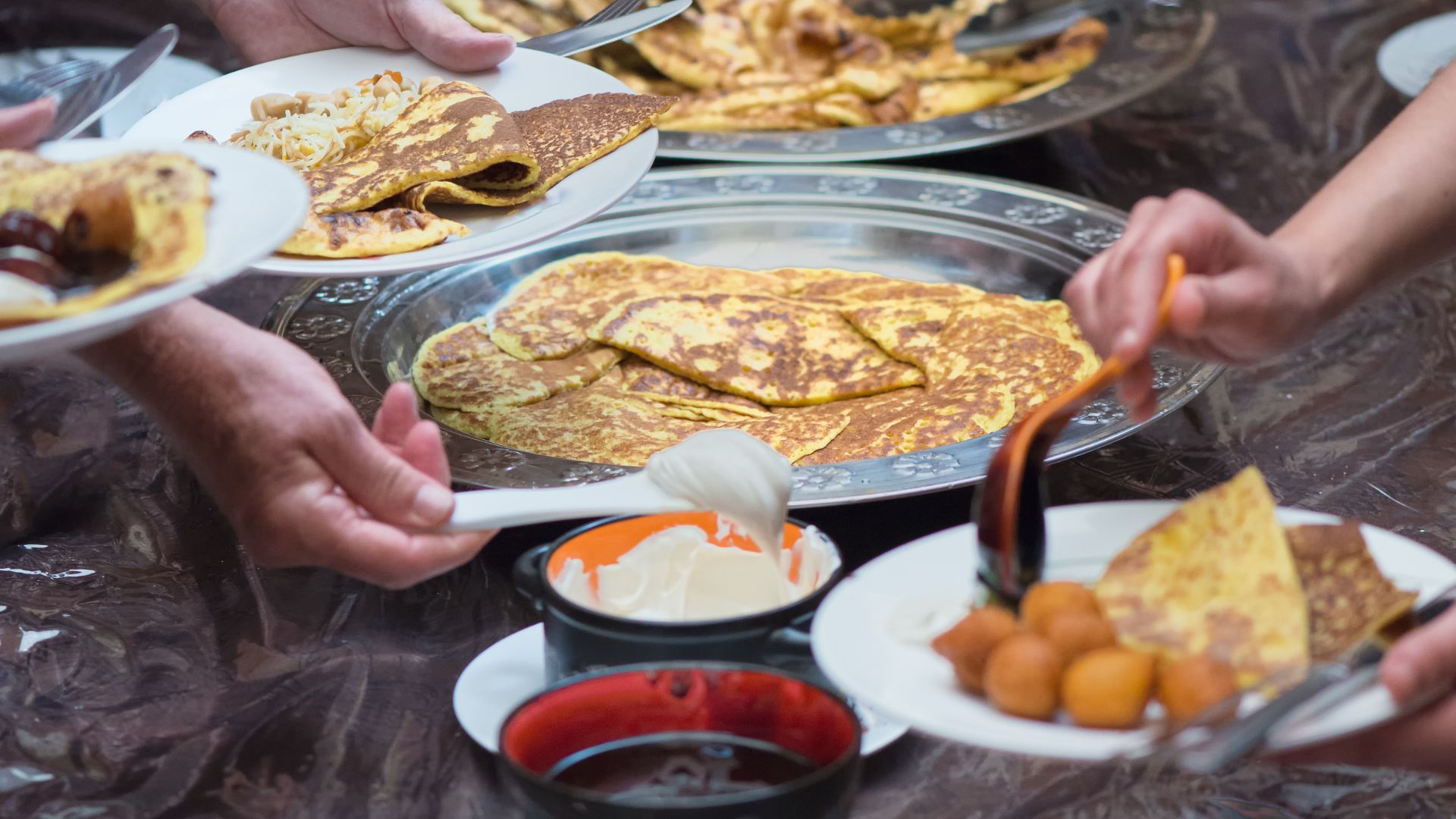
- Emirati Breakfast — Casual Dining
Expect to pay: £12–£25 for a traditional spread
Authentic Emirati cuisine is harder to find than the international alternatives, but a traditional breakfast reveals the country’s culinary heritage. Balaleet—sweet vermicelli topped with a thin omelette—provides unexpected comfort. Chebab (pancakes with date syrup and cream cheese) and khameer (spiced bread) complete the spread. Regag—thin, crispy bread cooked on a domed griddle—wraps around cheese and honey. Seek out Al Fanar or Arabian Tea House in Dubai’s historic districts for authentic preparations, served with cardamom-spiced karak tea. This is Emirati home cooking, increasingly celebrated after years of being overshadowed by international cuisines.
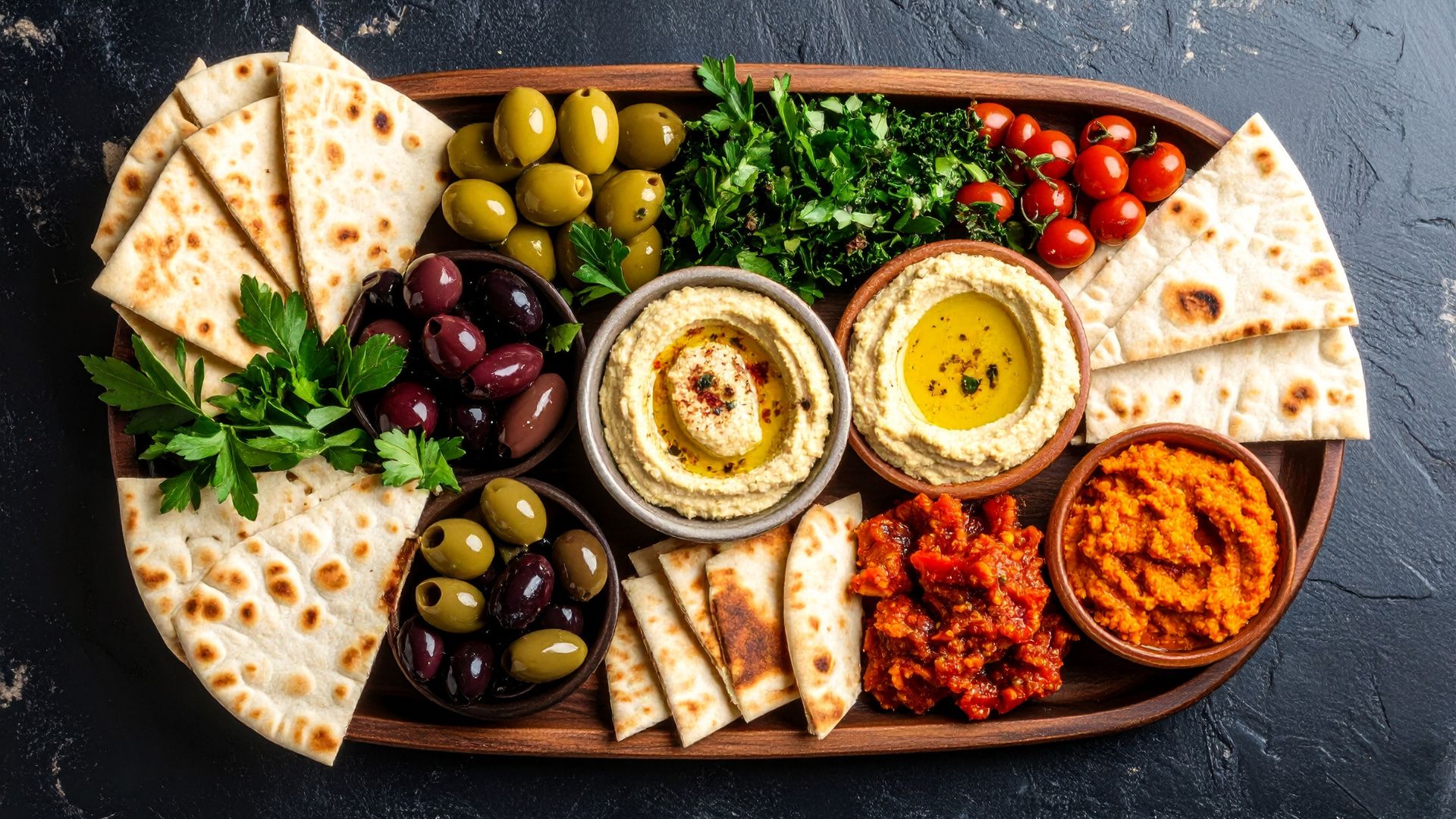
- Arabic Mezze — Casual Dining
Expect to pay: £20–£40 for a comprehensive spread
The shared plates of the Levant—hummus, moutabal, tabbouleh, fattoush, kibbeh, falafel—dominate casual dining across the UAE. A proper mezze spread arrives in waves: cold salads first, then hot dishes, then grilled meats, all accompanied by warm Arabic bread for scooping. Lebanese restaurants particularly excel—Abd El Wahab, Em Sherif, Al Nafoorah—but Syrian and Palestinian kitchens offer their own interpretations. The communal nature suits the UAE’s hospitality culture; ordering mezze creates connections across the table. Come hungry, share generously, and let the meal unfold over several hours as conversation flows.
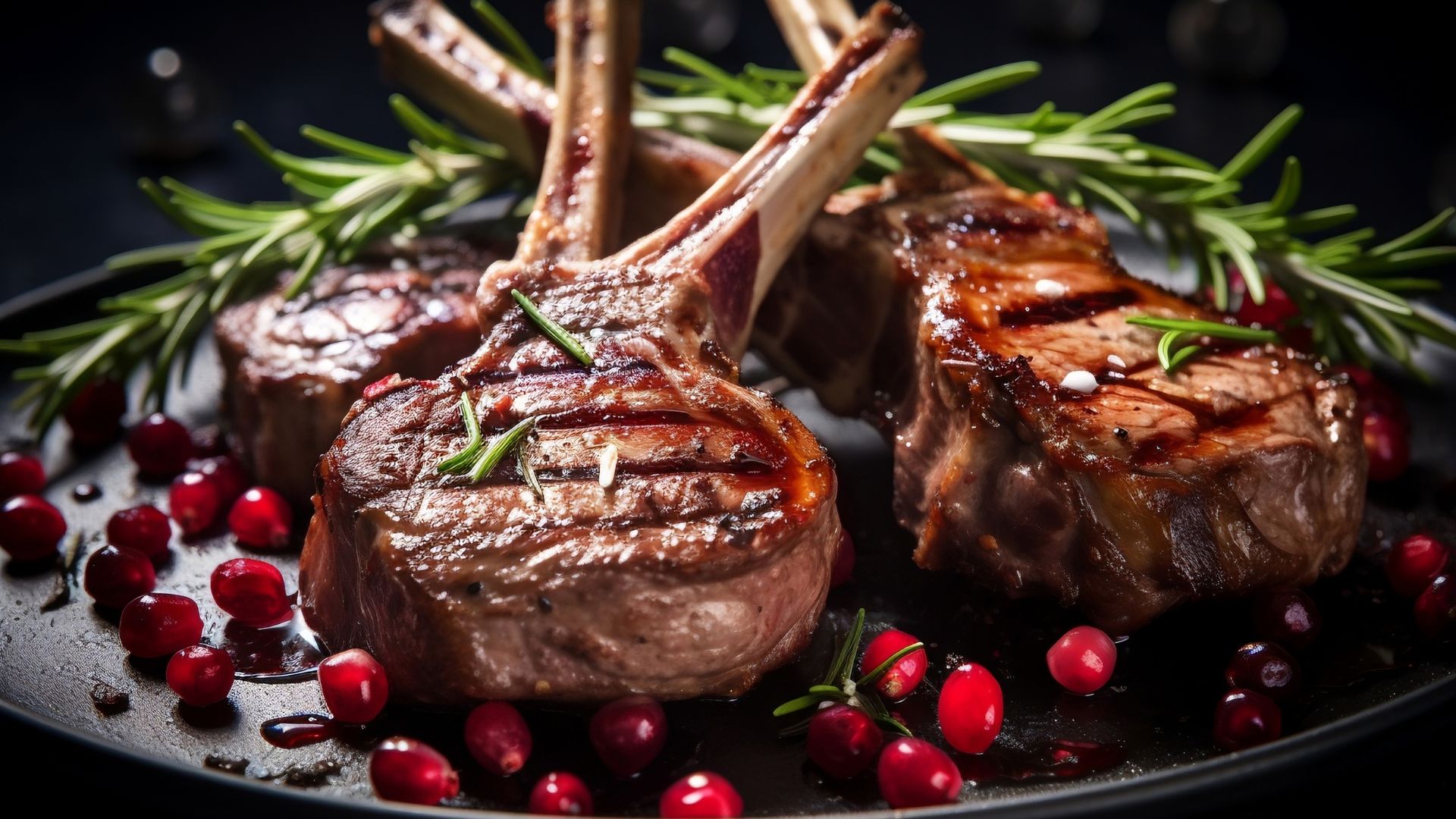
- Grilled Lamb Chops — Fine Dining
Expect to pay: £35–£60 at quality restaurants
Lamb is central to Gulf cuisine, and quality restaurants throughout the UAE serve exceptional cuts. Properly sourced lamb—often Australian or New Zealand, though regional varieties appear—arrives from the grill pink and juicy, seasoned simply with salt and perhaps Middle Eastern spices. The best versions need nothing more than a squeeze of lemon and perhaps a side of hummus. Arabic-style preparations might include bezar spice blends; Mediterranean-influenced restaurants add herb crusts. Nusr-Et made grilled meat theatrical; quieter establishments like Pierchic or The Maine deliver equally excellent lamb without the Instagram theatre.
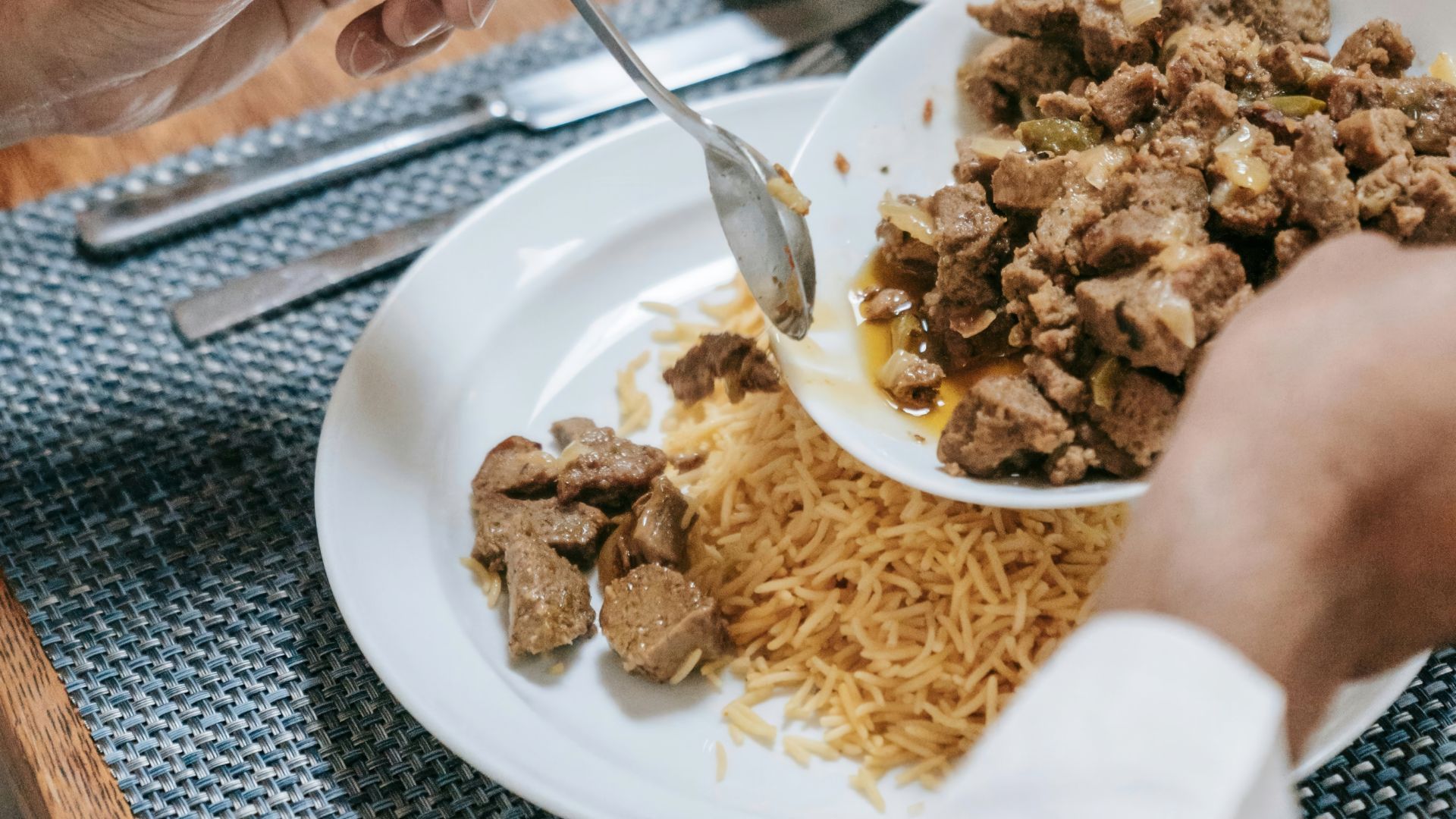
- Al Harees — Traditional / Casual
Expect to pay: £15–£25 for a serving
This ancient Emirati dish—wheat and meat slow-cooked together for hours until they form a porridge-like consistency—traditionally appears during Ramadan and special occasions. The texture surprises first-timers: smooth, almost baby-food soft, but deeply savoury and comforting. The cooking requires patience (traditionally overnight in earth ovens); the eating requires appreciation for simplicity. Al Fanar and other heritage restaurants serve Al Harees year-round, offering visitors a taste of genuine Emirati cuisine rarely encountered in the international hotel restaurants. Not for everyone, but for those interested in authentic Gulf food, essential.
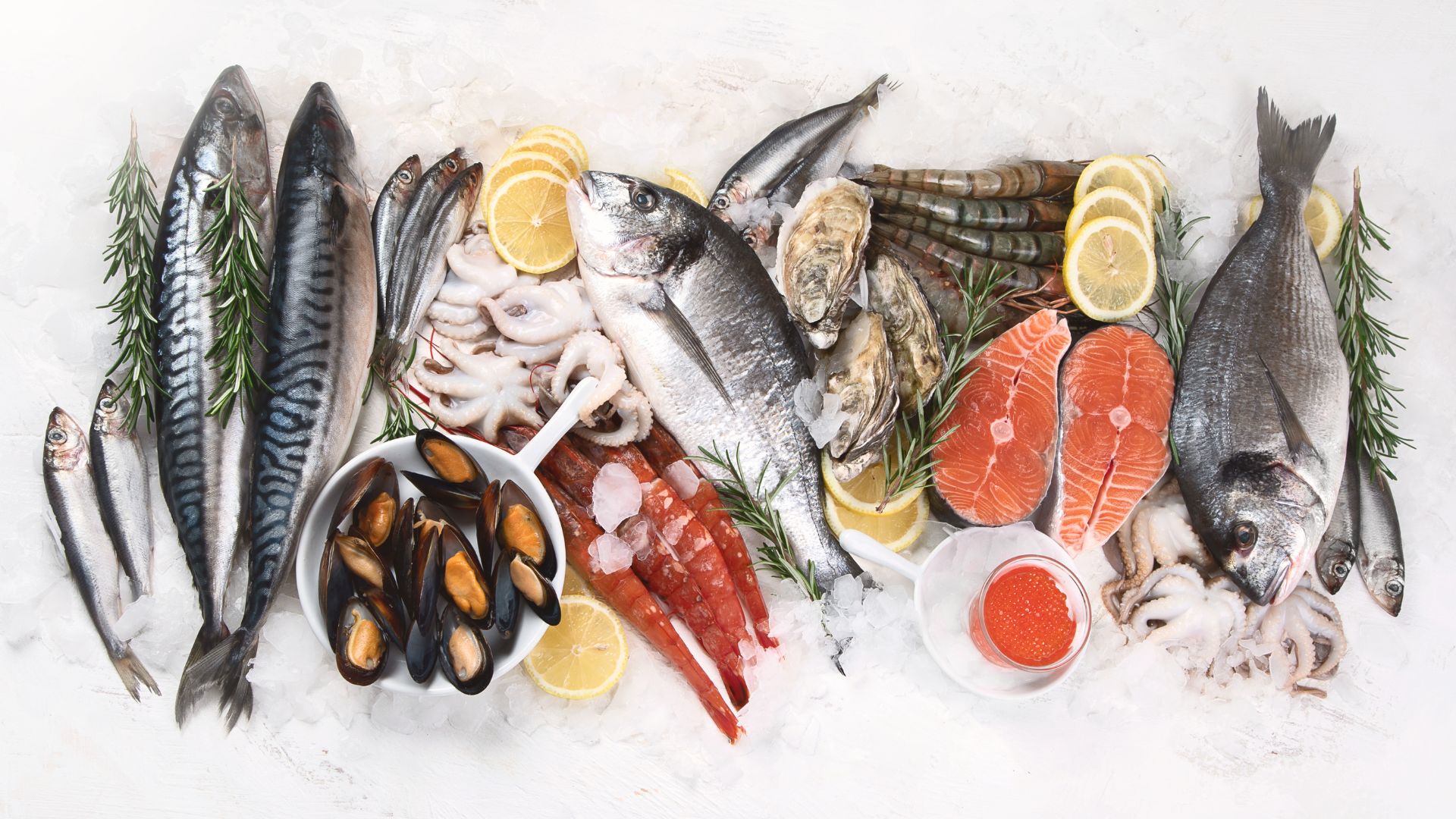
- Fresh Seafood — Casual Dining / Fine Dining
Expect to pay: £25–£50 at casual venues; £60–£120 at fine dining
The Arabian Gulf provides excellent seafood—hammour (grouper), safi (rabbitfish), and jumbo prawns feature on menus from traditional fish markets to luxury restaurants. The Dubai Fish Market lets you select your catch and have it cooked to order; upscale restaurants like Pierchic (perched on a pier over the Arabian Gulf) and Bu Qtair (a legendary no-frills shack) showcase local seafood at different price points. Preparations range from simple grilling with Arabic spices to contemporary presentations with international influences. The freshness of Gulf seafood, eaten with views of the water that produced it, remains a genuine highlight.
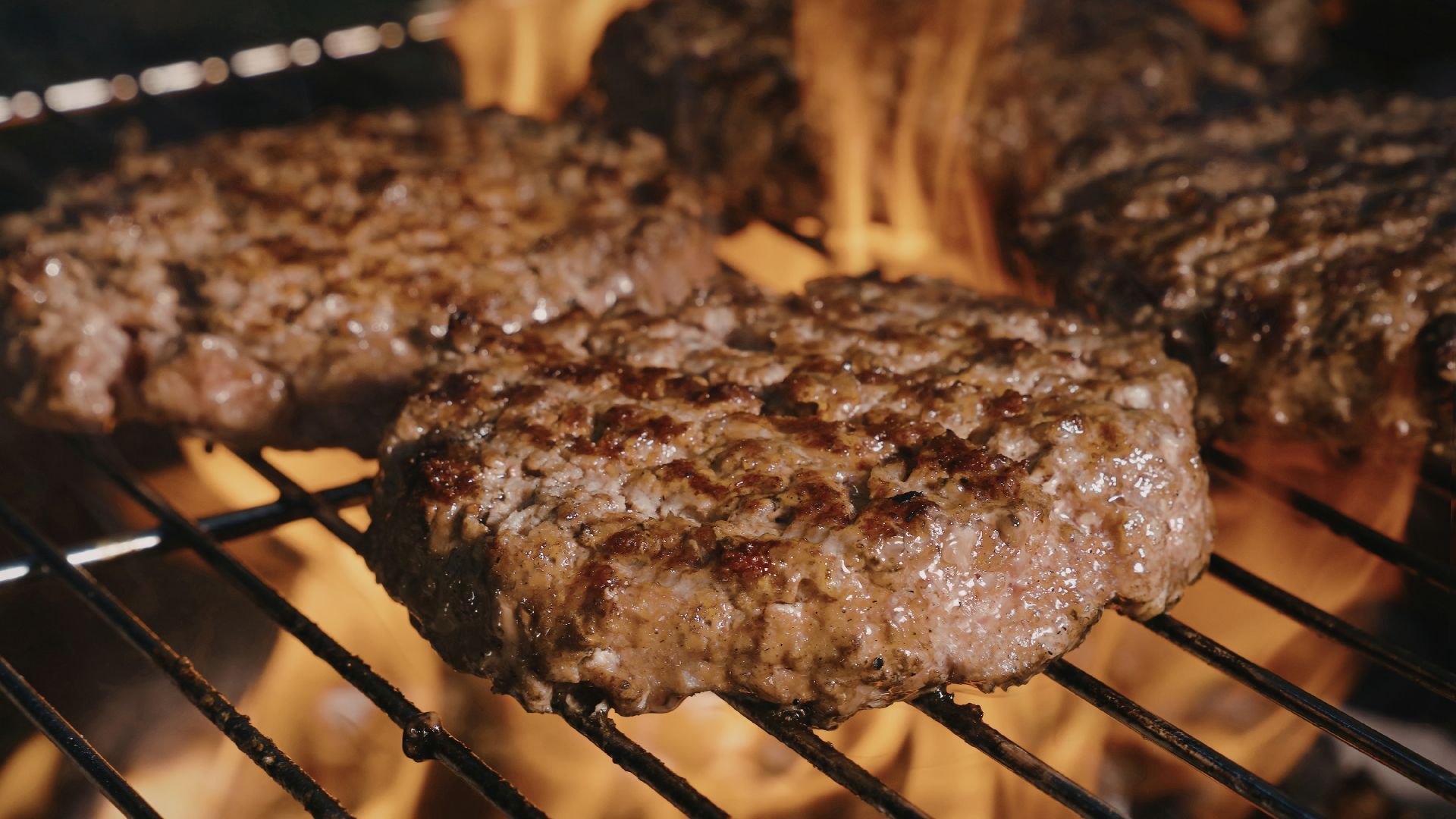
- Camel Burger — Casual Dining
Expect to pay: £15–£25 for a quality burger
Camel meat—lean, slightly gamey, historically central to Bedouin diet—has been reimagined for modern palates through the humble burger. Local Bites in Dubai made camel burgers famous, but numerous restaurants now offer their interpretations. The meat is healthier than beef (lower fat, lower cholesterol), and when properly seasoned and grilled, delivers satisfying depth. Some restaurants add Arabic-inspired toppings—date ketchup, halloumi, za’atar mayo—while others keep things simple. Is it a gimmick? Somewhat. Is it delicious? Surprisingly so. Is it authentically Emirati? More than most things you’ll eat here.
- Karak Chai — Street Food
Expect to pay: £1–£3 per cup
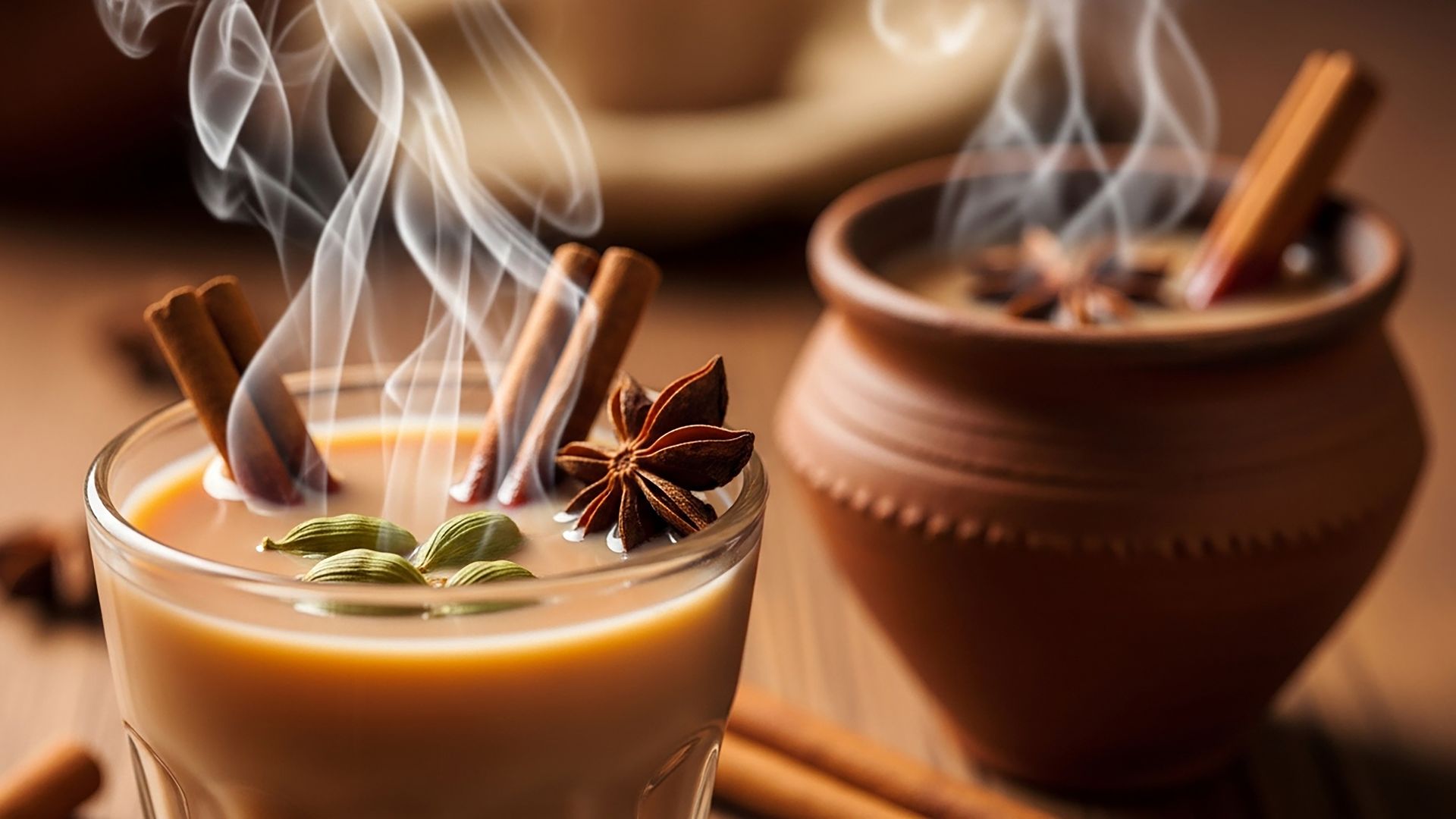
This spiced tea—black tea simmered with evaporated milk, cardamom, and sugar—fuels the UAE around the clock. Served from cafeterias (small shops) on every corner, karak chai represents the democratic heart of Emirati street food. The cardamom should be pronounced, the sweetness significant, the tea strong enough to cut through both. Order it in a small paper cup, drink it standing with taxi drivers and construction workers, and experience the UAE beyond its glittering malls. Some cafeterias add saffron, ginger, or additional spices. All provide the caffeine hit that keeps this 24-hour country moving.
- Luqaimat — Street Food / Dessert
Expect to pay: £5–£10 for a portion
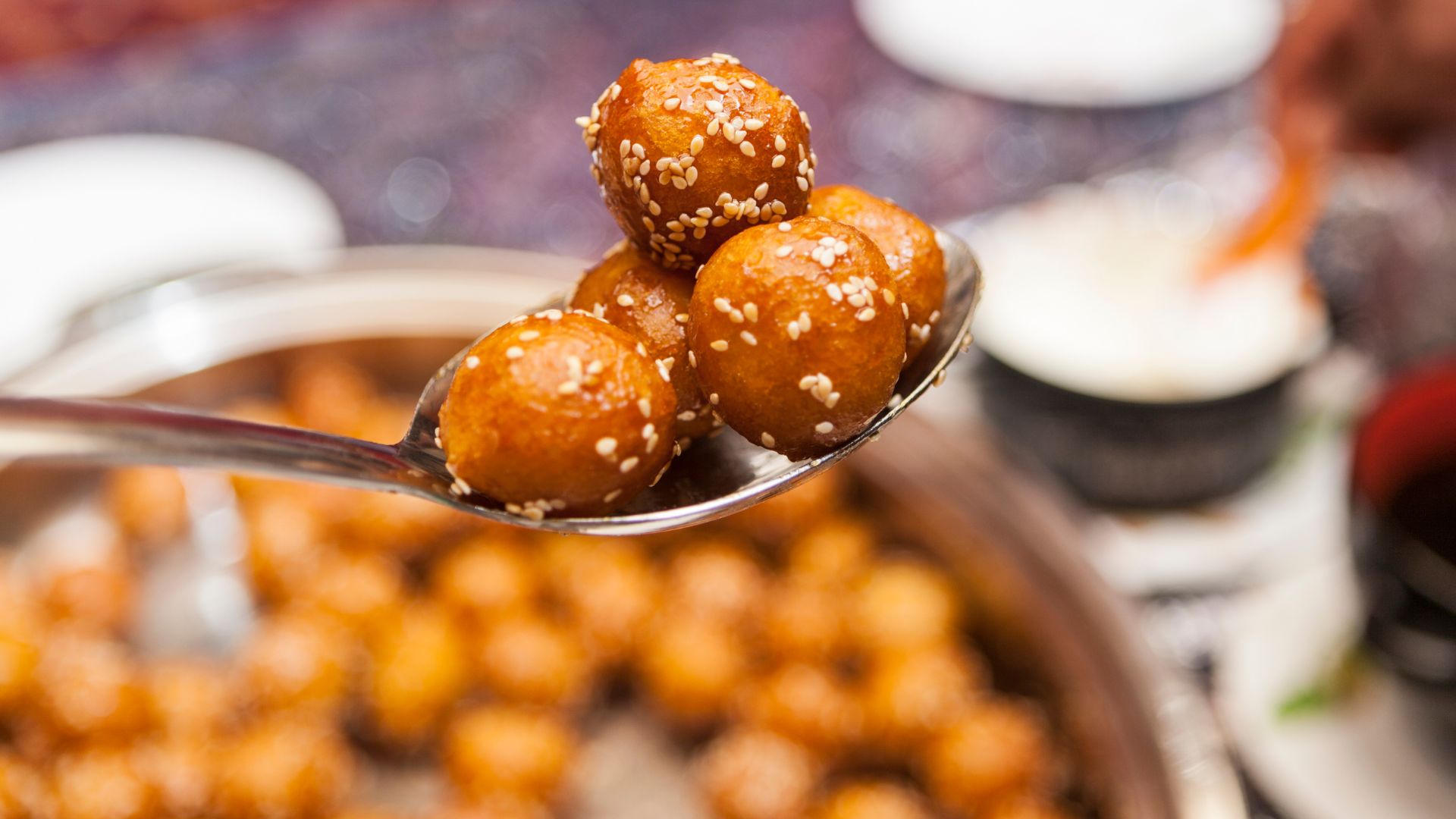
These sweet dumplings—small balls of deep-fried dough drizzled with date syrup and sesame seeds—represent Emirati dessert tradition at its finest. Crispy outside, fluffy inside, and sticky with amber-coloured dibs (date molasses), luqaimat appear at celebrations and increasingly at restaurants specialising in heritage cuisine. The best are served warm, when the contrast between crispy exterior and soft interior is most pronounced. Arabian Tea House and Al Fanar serve excellent versions; during Ramadan, they appear everywhere as iftar treats. Simple, sweet, and genuinely Emirati—a counterpoint to the elaborate international desserts at hotel restaurants.
Useful Links:
Street Food (Accessible, Bookable, Authentic)
The Food District (City Walk Dubai) — Diverse urban food hall including Japanese street-style options.
https://www.citywalkdubai.com/en/dining
Boxpark Street Food Hub (Dubai) — Modular dining precinct with gourmet street food options.
https://www.boxparkdubai.com/dining
The Beach at JBR Dining Strip — Beachfront lane with multiple casual Japanese food vendors.
https://www.thebeach.ae/en/dining
(Note: street food vendors often do not have individual official sites but are hosted on official district platforms.)
Instagram-Worthy Japanese Restaurants
Moshi Moshi (Various UAE locations) — Stylish Japanese comfort food and robata grill.
https://www.moshimoshi.ae
Nobu Dubai (Atlantis, The Palm) — World-famous contemporary Japanese fusion by Chef Nobu Matsuhisa.
https://www.atlantis.com/dubai/restaurants/nobu
Miyako (Ritz-Carlton, Dubai) — Award-winning modern Japanese cuisine with sashimi and robata.
https://www.ritzcarlton.com/en/hotels/dubai/dining/miyako
Delicacies & Japanese Food Culture in UAE
Zuma Abu Dhabi (Yas Hotel) — Modern Japanese izakaya that blends culture with fine dining.
https://zumarestaurant.com/locations/abu-dhabi/
TOMO (Raffles Dubai) — Highly regarded Japanese restaurant in an iconic hotel.
https://www.raffles.com/dubai/dining/tomo/
Mata Hari (Dubai) — Elegant Japanese restaurant known for premium sushi and modern interpretation.
https://matahari.ae