
Three Weeks Down Under: A Luxury Circuit of the Impossible Continent
Wherein we discover that Australia is slightly larger than expected
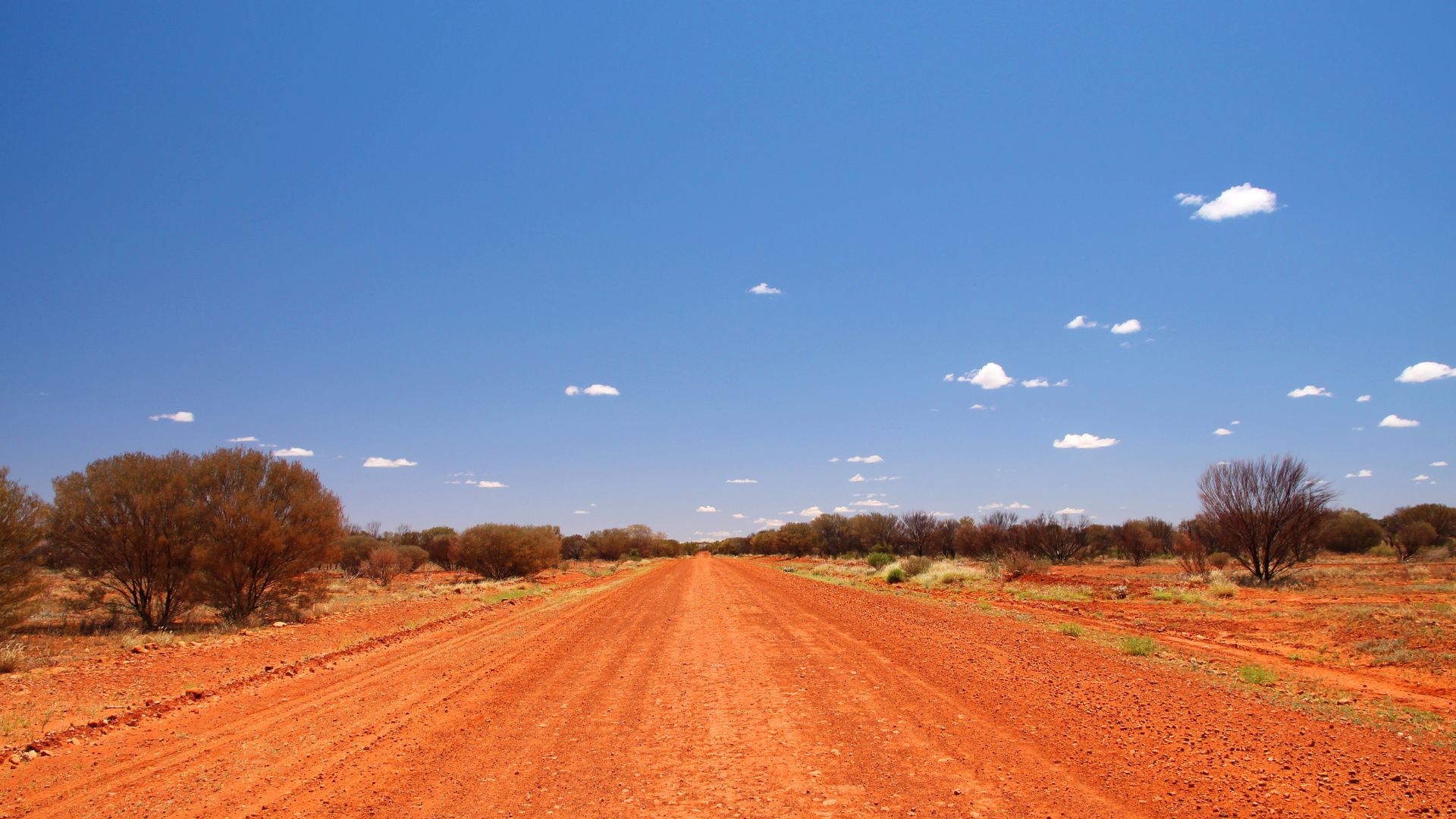
Here is what nobody tells you about Australia before you go: it is absolutely, preposterously, almost offensively large. You can fit the entire United Kingdom into it thirty-one times and still have room for a decent-sized cattle station. The flight from Sydney to Perth takes longer than London to Moscow. When Australians say somewhere is just up the road, they mean four hours. When they say it is a bit of a drive, pack supplies.
This scale presents a problem for visitors who want to see everything. The solution is to accept, gracefully, that you cannot. Three weeks allows a luxury circuit that captures Australia’s extraordinary range — reef and rock, coast and outback, cities that actually work and wilderness that has barely noticed humanity exists — without the exhaustion that comes from trying to conquer a continent. The secret is flying the long distances and savouring the places in between.
We planned our trip around the lodges, because in Australia the accommodation is not merely where you sleep but often the reason you have come. Saffire Freycinet in Tasmania, Southern Ocean Lodge on Kangaroo Island, Longitude 131 at Uluru, Qualia on Hamilton Island — these are not hotels but experiences, places where the architecture frames the landscape and the service anticipates needs you had not yet articulated. Book these first; arrange everything else around them.
Week One: Sydney and the Reef
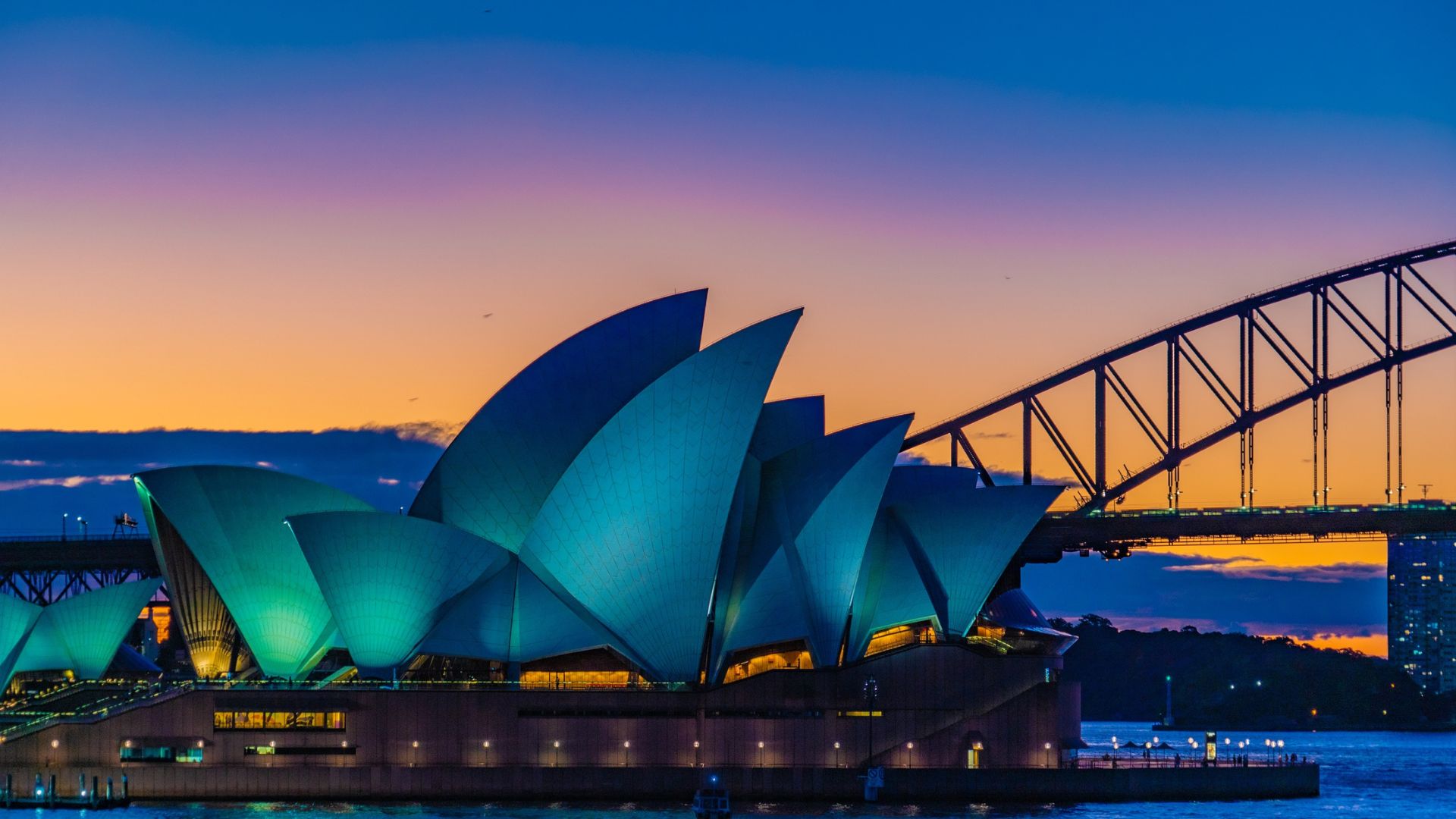
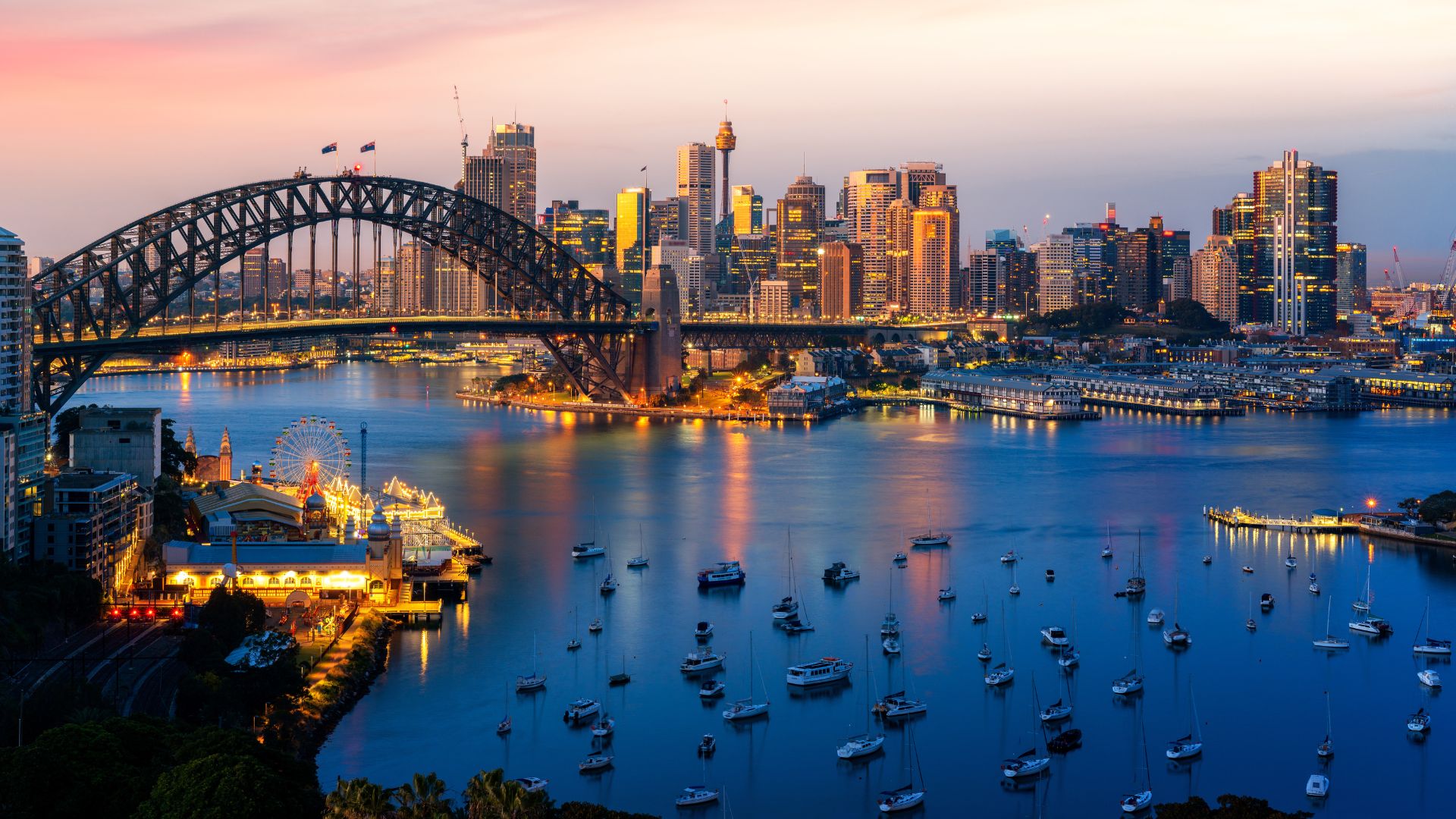
Sydney deserves more time than most visitors give it. The Opera House and Harbour Bridge feature on every postcard, but the city rewards exploration beyond the icons: the coastal walk from Bondi to Coogee, the ferry to Manly, the hidden bars of Surry Hills, the food scene that has quietly become one of the world’s best. We stayed at the Park Hyatt, which occupies the best address in the city — directly across the water from the Opera House, with views that would be cliched if they were not so genuinely spectacular.
Three nights allowed proper exploration without rushing. We ate at Quay (three hatted, harbour views, extraordinary tasting menu) and Firedoor (everything cooked over wood flame, including the desserts, which sounds absurd until you taste them). We walked the Bondi coastal path in early morning light, took the ferry to Watson’s Bay for fish and chips that justified the journey, and discovered that Australian coffee culture puts most of Europe to shame.
The Great Barrier Reef presented a philosophical question: from where should one experience the world’s largest living structure? The backpacker answer is Cairns; the luxury answer is Hamilton Island and its private-island-within-an-island, Qualia. The flight from Sydney takes two and a half hours; the speedboat transfer from the airport to the resort takes fifteen minutes; the adjustment from city life to tropical perfection takes approximately one cocktail.
Qualia does something clever: it makes luxury feel effortless. The pavilions are spaced for privacy; the food arrives without excessive ceremony; the reef trips happen on boats small enough that you are not sharing your snorkel experience with forty strangers. We spent four nights, which sounds excessive until you realise that doing nothing well requires practice. The reef itself — still magnificent despite the bleaching headlines, still home to fish in colours that seem biologically improbable — remains worth crossing the world to see.
Week Two: The Red Centre
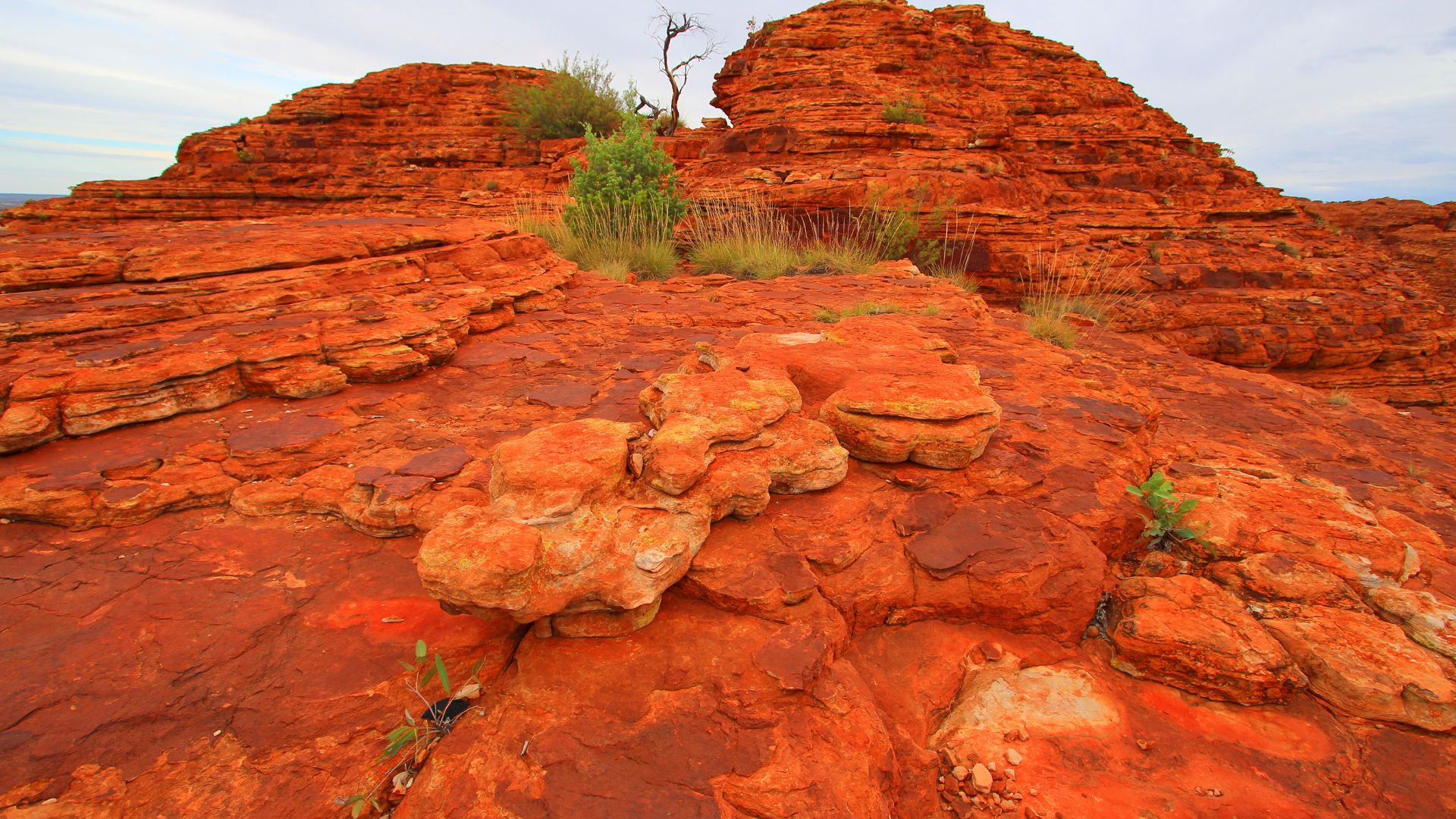
Uluru is one of those places that photographs have prepared you for and simultaneously have not. Yes, it is a large red rock in the middle of nowhere. Yes, it changes colour at sunrise and sunset exactly as the brochures promise. But the scale defeats cameras, and the silence defeats description, and the sense of being somewhere genuinely ancient — not ancient in the European sense of a few thousand years, but ancient in the geological sense of hundreds of millions — creates an atmosphere that earns every spiritual cliche attached to the place.
Longitude 131 positions itself as a front-row seat to the Rock. The tented pavilions face Uluru; you can watch the colour changes from bed if you are feeling lazy, or from the viewing platform with champagne if you are feeling civilised. The experience includes guided walks with Indigenous rangers who share stories that predate European history by an uncomfortable margin, dinners under stars so dense they seem implausible, and the particular satisfaction of experiencing something extraordinary while remaining extremely comfortable.
Three nights at Uluru allowed the sunrise walk around the base (ten kilometres, flat, early start required), the helicopter flight to Kata Tjuta (the other rock formation, arguably more dramatic, definitely less famous), and the Field of Light installation that transforms the desert into something from a science fiction film. The remoteness that makes getting here inconvenient is precisely what makes being here remarkable.
Week Three: South Australia and Tasmania
Southern Ocean Lodge on Kangaroo Island occupied a peculiar position: widely considered Australia’s finest lodge, located on an island that most international visitors had never heard of. The 2020 bushfires destroyed the original building; the rebuilt lodge, reopened in 2023, has somehow improved on perfection. The setting — dramatic cliffs above a Southern Ocean that stretches uninterrupted to Antarctica — creates the sense of being at the edge of the world. The wildlife (sea lions, koalas, echidnas, kangaroos) treats human visitors as minor curiosities.
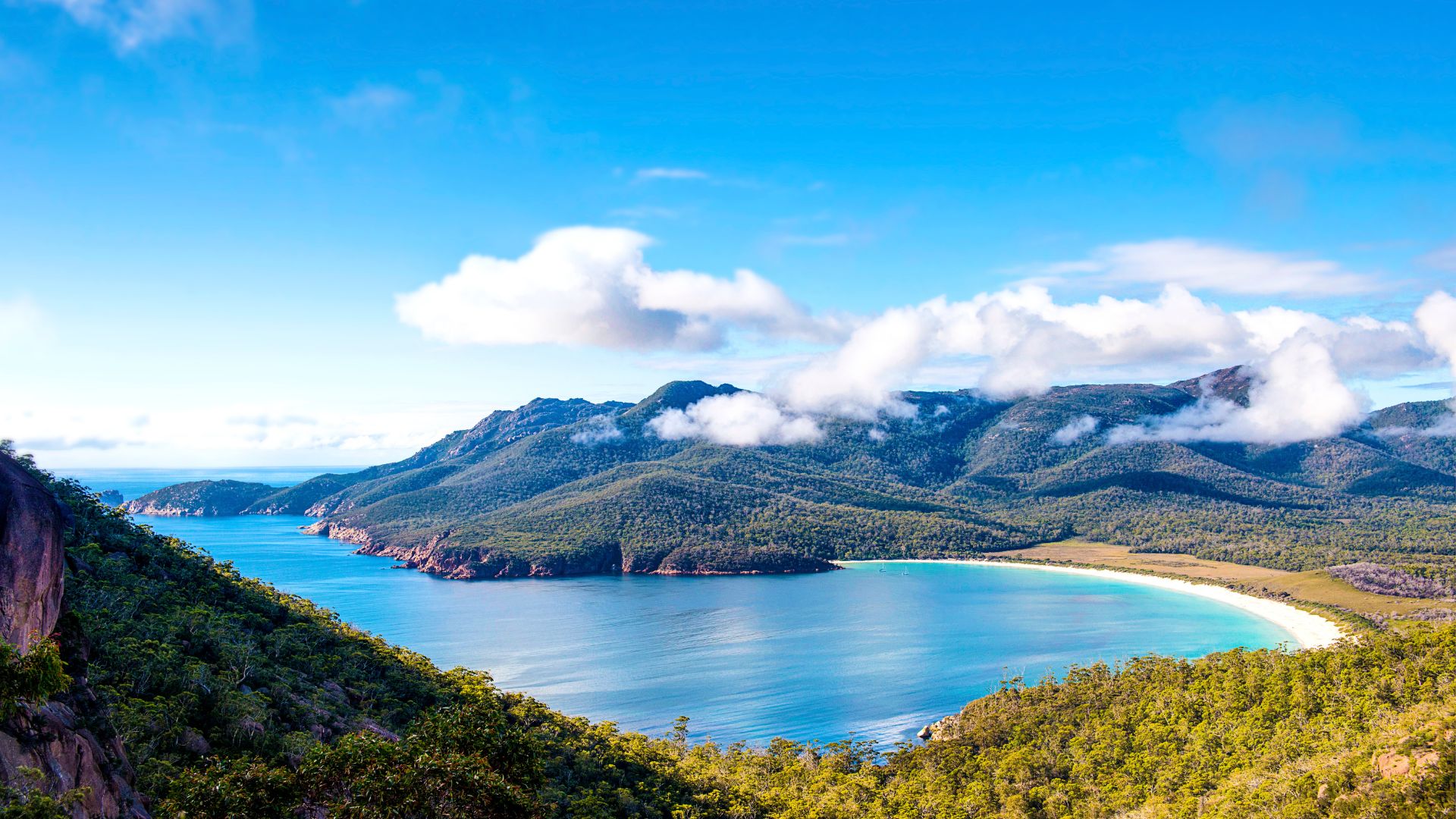
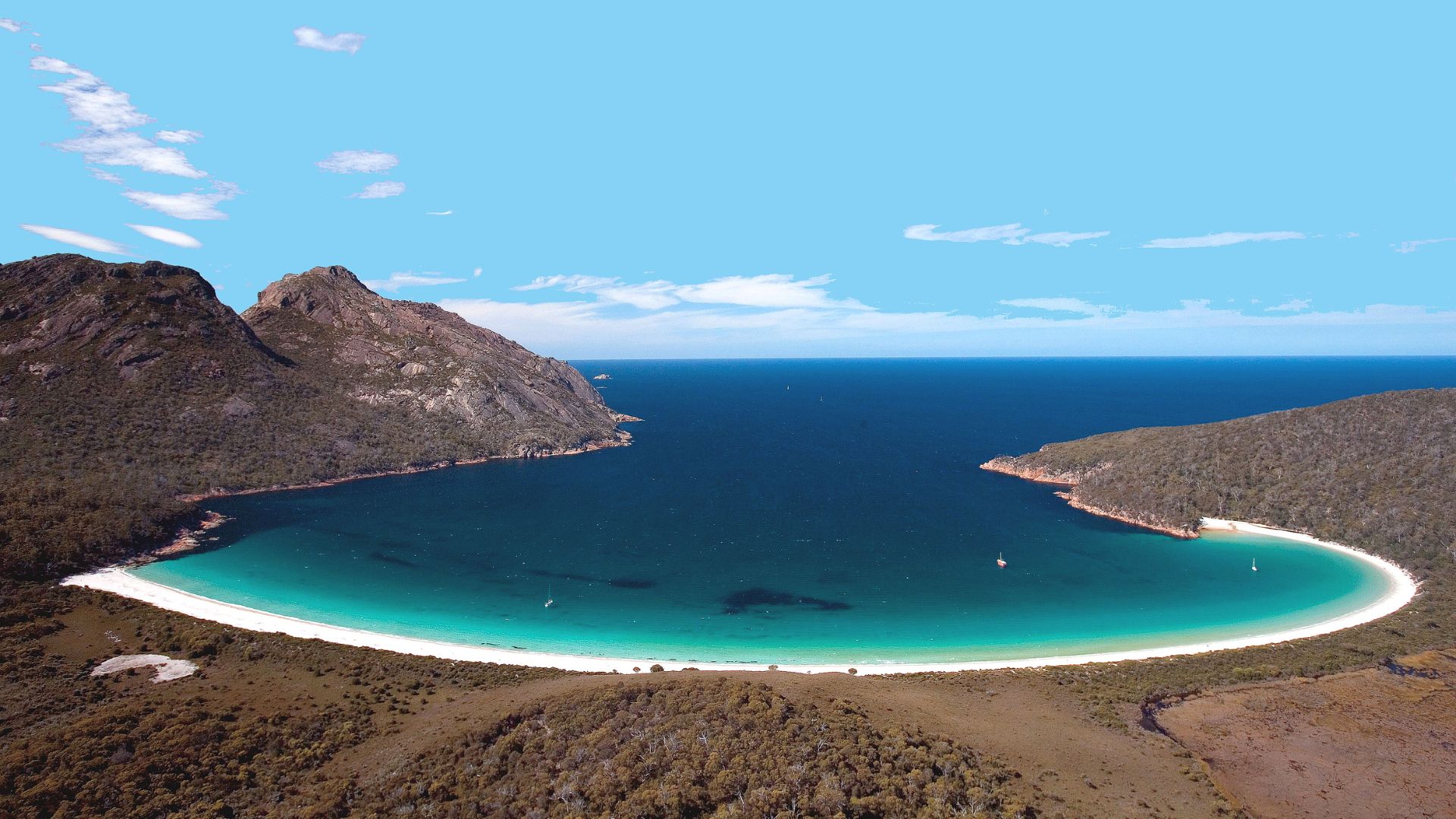
Tasmania completed our circuit: Australia’s island state, separated from the mainland by Bass Strait and by attitude. Tasmanians consider themselves slightly different from other Australians — more environmentally conscious, more food-obsessed, more willing to wear a jumper. They are correct on all counts. Saffire Freycinet, on the east coast overlooking the pink granite of the Hazards, delivered the trip’s final luxury: a lodge where the oysters come from the bay visible from your suite and the wine comes from vineyards you can visit before lunch.
We added two nights in Hobart for MONA — the Museum of Old and New Art, which is either a work of genius or an elaborate joke, possibly both — and the restaurant scene that has made Tasmania a genuine food destination. Templo, Fico, Franklin: these are restaurants that would succeed in any city but happen to exist in one of the world’s most remote capitals. The flight home from Hobart connects through Sydney or Melbourne; we chose Melbourne for a final night of eating and arrived at Heathrow genuinely sad to leave.
Practical Information
Getting There: Qantas operates direct London-Sydney (and soon London-Perth). Singapore Airlines and Emirates offer comfortable one-stop alternatives. Business class makes the twenty-plus hours tolerable; first class makes them pleasant.
When to Visit: Australian seasons are reversed. September-November (spring) and March-May (autumn) offer the best conditions for a multi-region trip. Summer (December-February) brings extreme heat to the interior; winter (June-August) is ideal for the tropical north.
Budget: Premium lodges run AUD 1,500-3,500 per night including meals and most activities. Domestic flights add AUD 300-600 per sector. Three weeks at this level: approximately 30,000-45,000 pounds per couple excluding international flights.