
The West End: Where Theatre Dreams Come True
“The theatre is the best way of showing the gap between what is said and what is seen to be done.”
— David Hare
London’s West End is to theatre what Wall Street is to finance: the global centre, the ultimate proving ground, the place where careers are made and fortunes won or lost. Within the tight grid of streets around Shaftesbury Avenue, Leicester Square, and Covent Garden, some 40 theatres present plays and musicals to audiences exceeding 15 million annually. The tradition stretches back four centuries, to Shakespeare’s contemporaries who performed in the taverns and inn-yards of what was then London’s western fringe. Today, the West End generates over £600 million in ticket sales—and rather more in associated restaurant bookings, bar tabs, and hotel rooms.
The term ‘West End’ originally described simply the fashionable western districts of London, as opposed to the industrial East End. Applied to theatre, it came to denote the commercial district where entertainment concentrated—a usage established by the Victorian era, when music halls, variety theatres, and legitimate drama competed for audience attention. The geography has shifted slightly over the centuries, but the core remains: a walkable cluster of ornate Victorian and Edwardian playhouses, their façades blazing with lights, their names a roll call of theatrical history.
The Theatres
The Theatre Royal, Drury Lane, holds the title of London’s oldest theatre site, with a playhouse standing here since 1663. The current building, dating from 1812, has hosted everything from Shakespearean tragedy to Andrew Lloyd Webber musicals. The Lyceum, next door, became synonymous with Henry Irving’s legendary Victorian management and now houses The Lion King, Britain’s longest-running Disney production. The Palace Theatre, whose terracotta façade dominates Cambridge Circus, has presented Harry Potter and the Cursed Child since 2016.
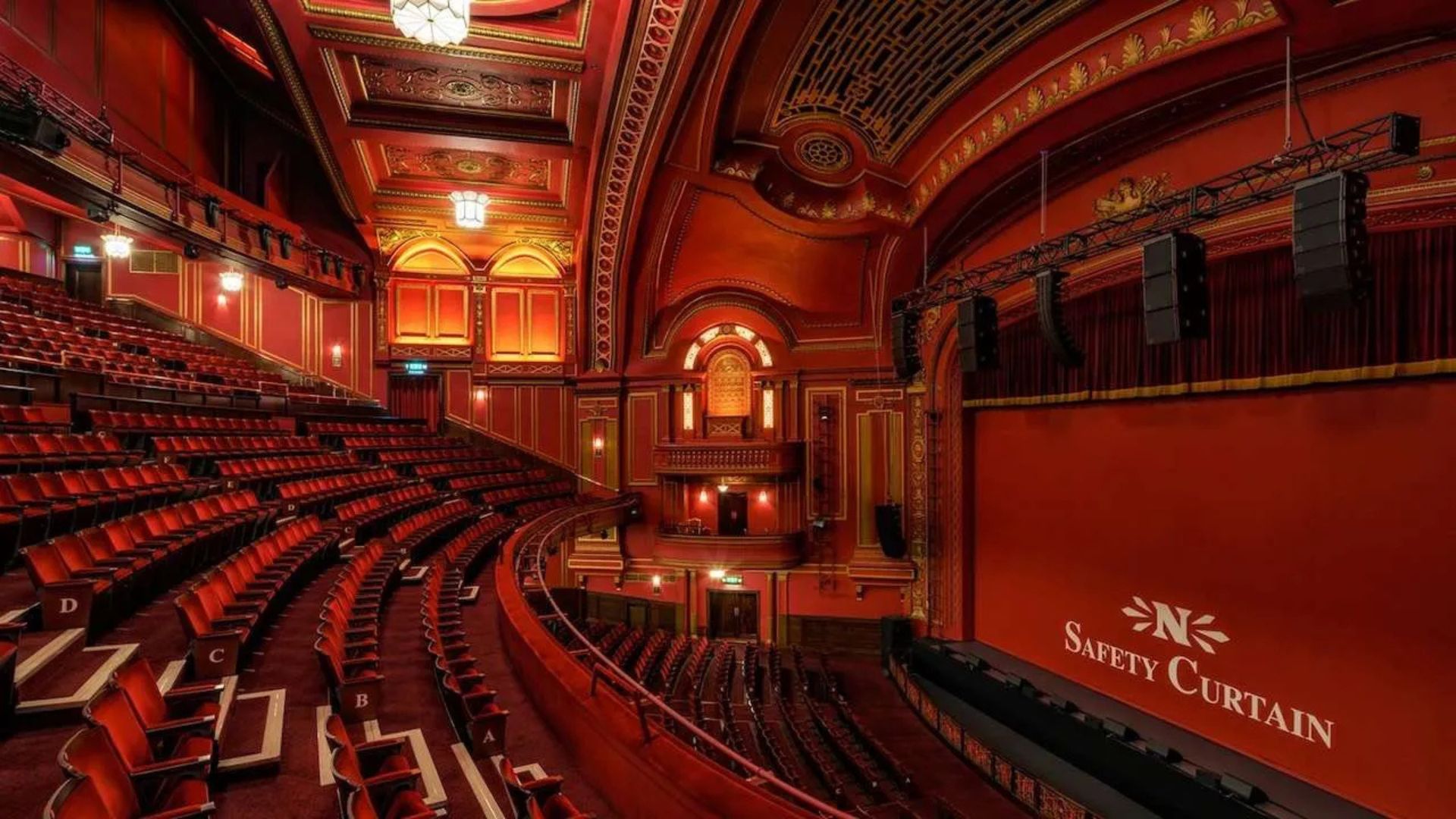
Each theatre carries its own history and atmosphere. The London Coliseum, built in 1904, remains the West End’s largest with 2,359 seats. The Criterion, unusual for being entirely underground, has presented theatre since 1874. The Adelphi, the Aldwych, the Apollo, the Cambridge, the Duke of York’s, the Garrick, the Gielgud—the names themselves evoke theatrical heritage. Many retain their original Victorian decoration: gilt, velvet, ornate plasterwork, the physical manifestation of an era when theatre-going was occasion and event.
“All the world’s a stage, and all the men and women merely players.”
— William Shakespeare, As You Like It
Musicals and Plays
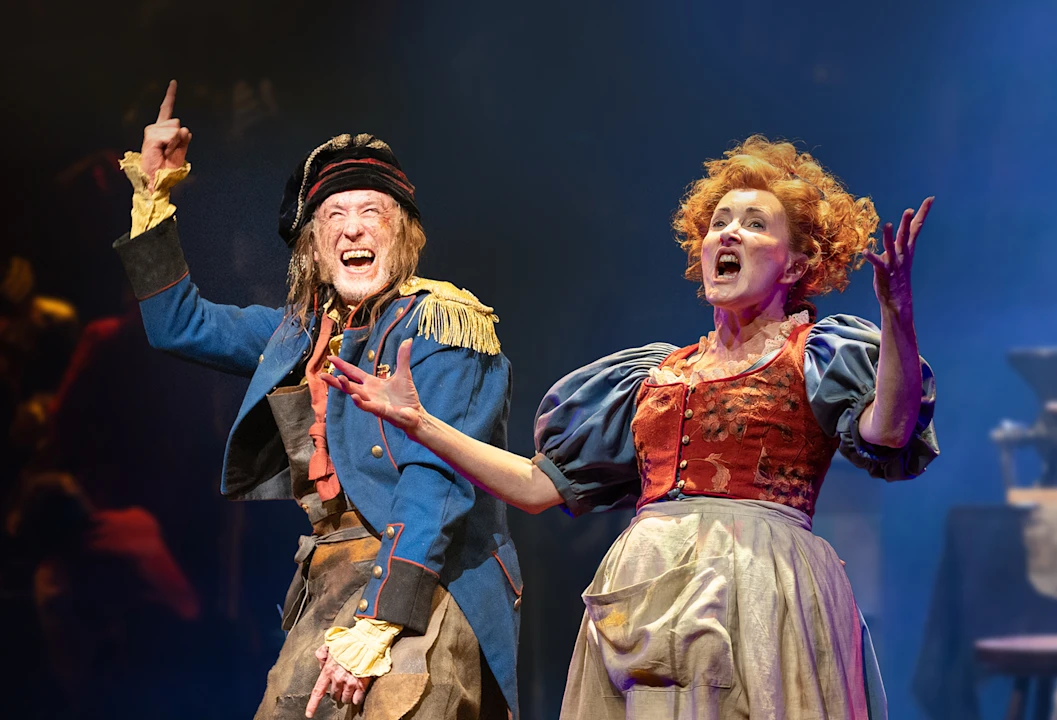
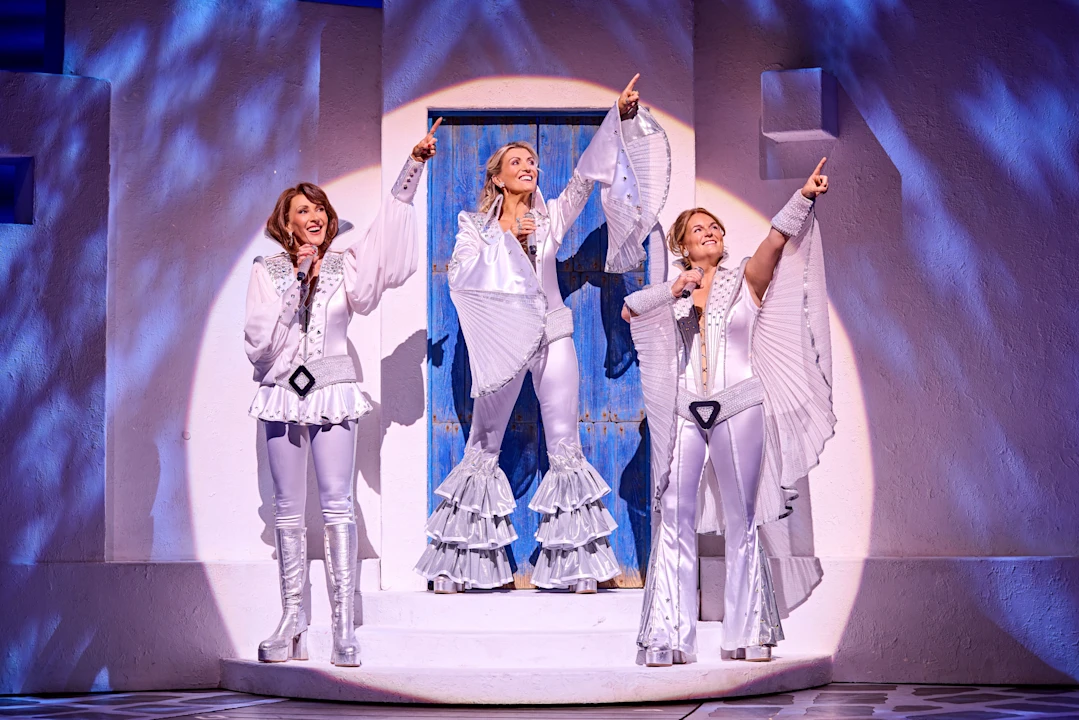
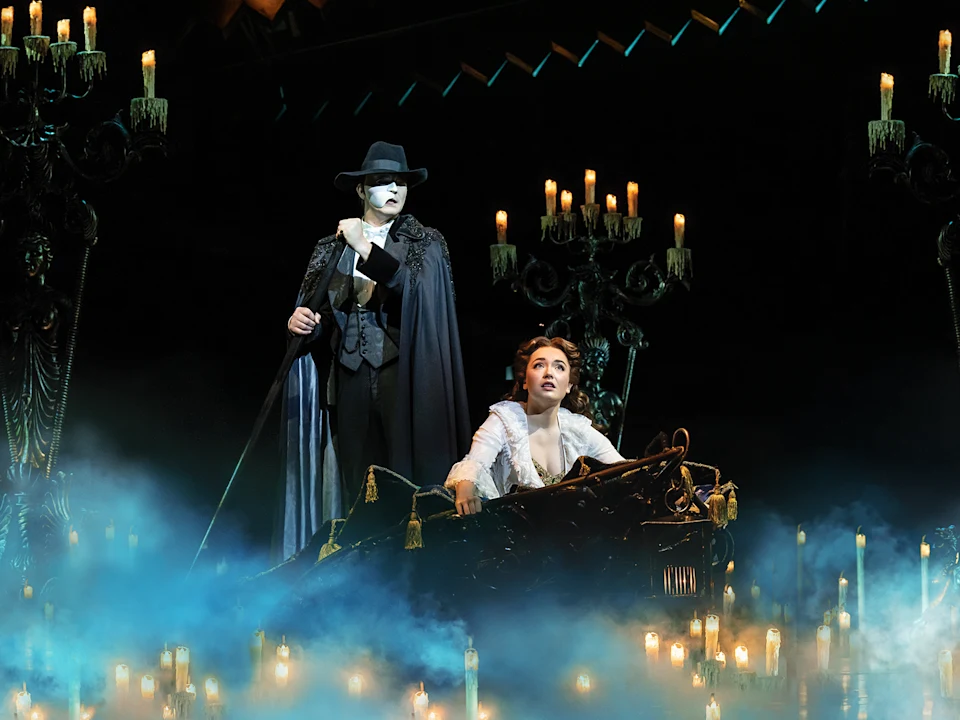
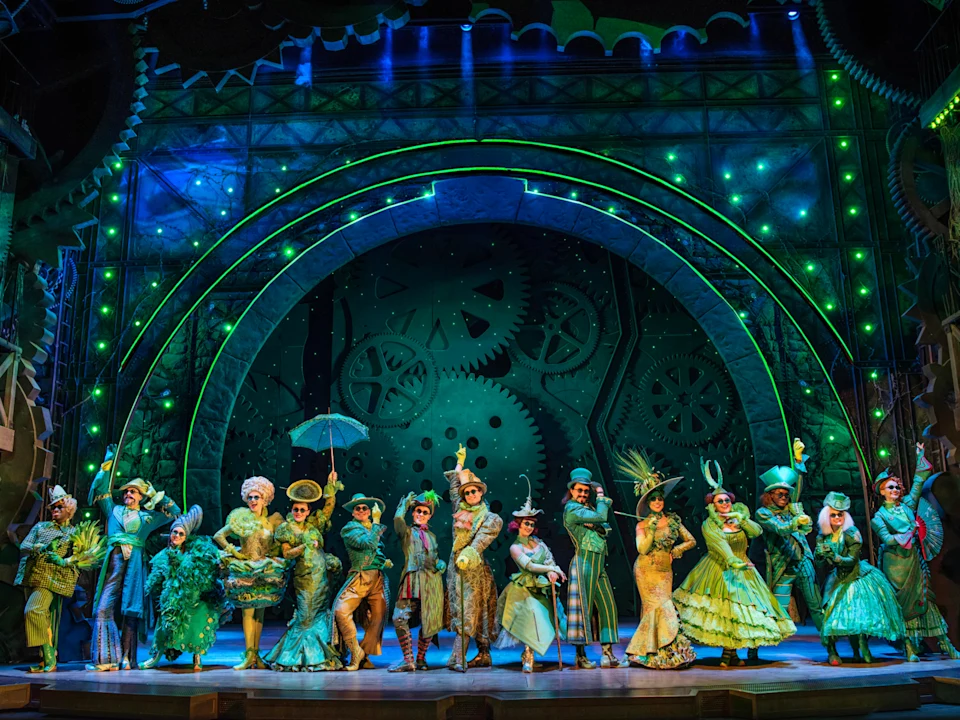
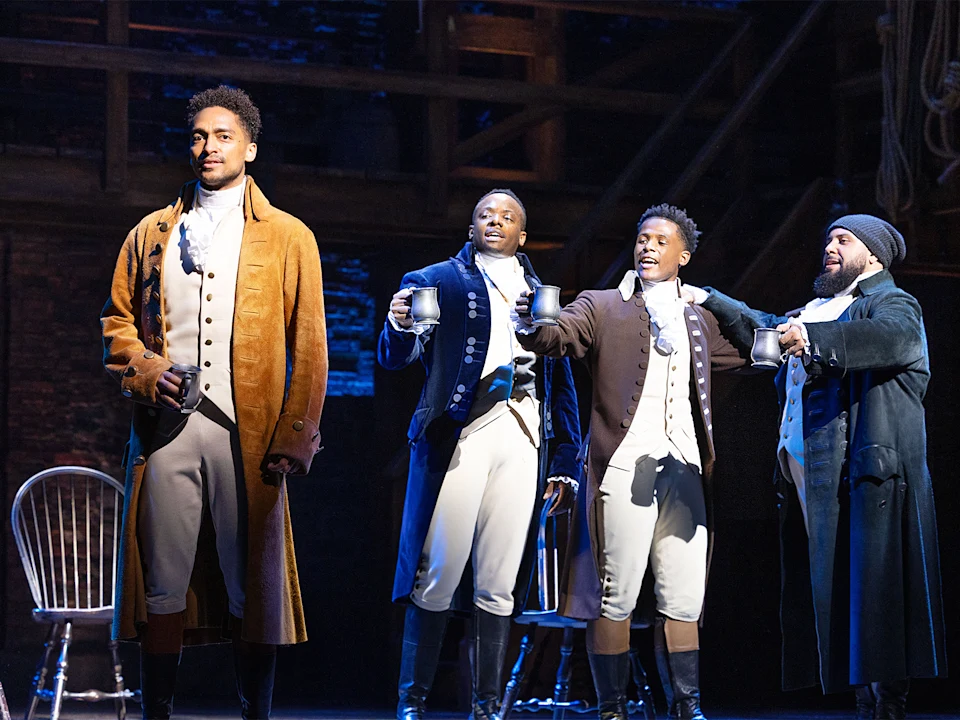
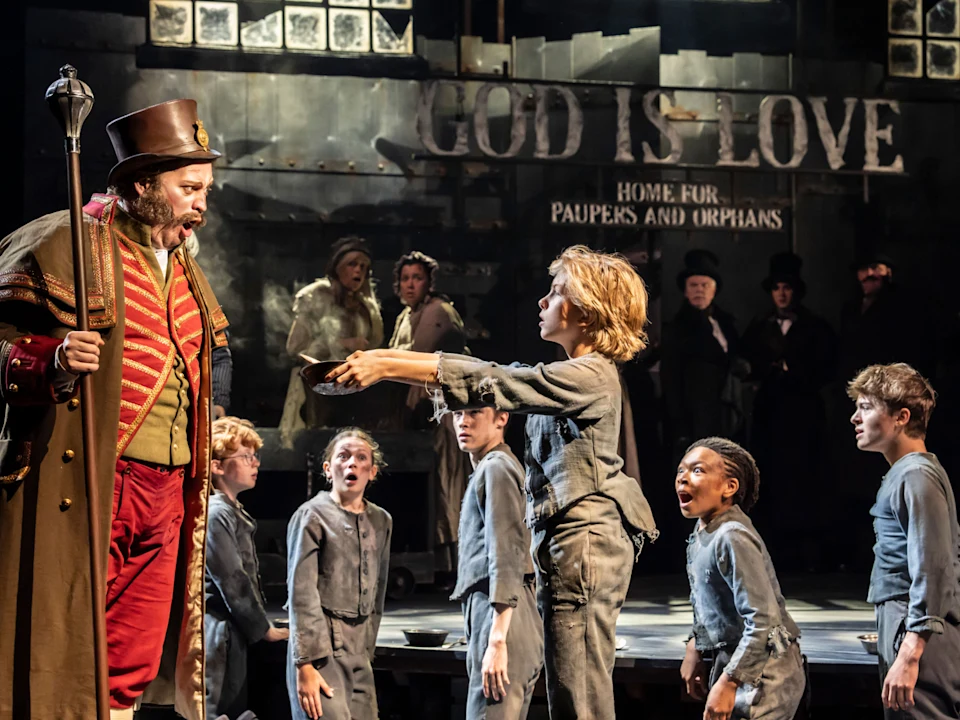
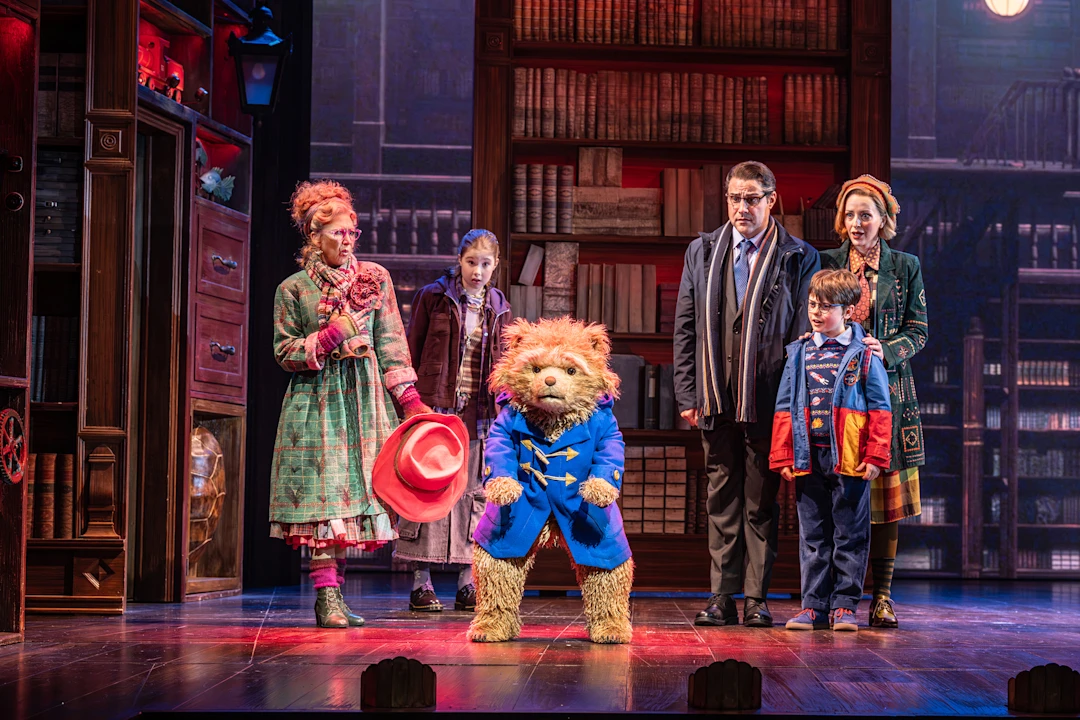
The West End has always balanced musical spectacle with dramatic substance. Les Misérables opened in 1985 and continues playing; The Phantom of the Opera ran from 1986 until 2020, making it one of the longest-running shows in West End history. Wicked, Mamma Mia!, The Book of Mormon—the musical theatre phenomenon shows no signs of abating, each new success spawning tours, films, and international productions that carry the West End brand worldwide.
Serious drama thrives alongside the spectacles. The National Theatre, just across the river on the South Bank, provides a subsidised counterweight to commercial pressures; its productions regularly transfer to West End houses when successful. The Donmar Warehouse in Covent Garden, despite seating only 251, has launched productions that conquered Broadway and won Tonys. The Harold Pinter Theatre, the Noel Coward Theatre, the Sondheim Theatre—even the names announce the art form’s self-awareness.
Celebrity casting has become increasingly common, with film and television stars treading the boards to considerable commercial effect. The practice draws criticism from purists who bemoan the marginalisation of theatre-trained performers, but producers counter that star names fill seats, funding productions that might otherwise never be staged. The debate continues; the tickets sell.
Getting Tickets
Booking directly through theatre box offices or their official websites remains the safest approach. Third-party sites often charge significant fees; some operate in legal grey areas. The TKTS booth in Leicester Square sells same-day discounted tickets for shows with availability—genuine bargains, though you cannot choose specific seats. Many theatres release day seats at reduced prices each morning, rewarding those willing to queue.
The truly committed might consider membership of services like TodayTix, which aggregate last-minute availability, or seek rush tickets released when box offices open. Lottery systems offer occasional access to premium shows at nominal prices. The key is flexibility: decide what you want to see, certainly, but remain open to alternatives that circumstance presents.
The Experience
A West End evening extends beyond the performance itself. The pre-theatre meal, the interval drink, the post-show discussion over supper—the theatre district has developed infrastructure to support the complete experience. Restaurants understand that a 6pm reservation means different service from a 9pm; bars know that interval drinks must be ordered in advance and ready at the bell. The ecosystem has evolved over generations.
Dress codes have relaxed considerably since Victorian times, though a sense of occasion persists. Many audience members still choose to dress up—not because rules require it but because the theatre represents departure from everyday life, and appropriate attire honours that distinction. The lights dim, the curtain rises, and for a few hours, the concerns of the world beyond recede. That magic, reliably conjured in dozens of buildings across a few square miles of central London, is the West End’s gift.