
The Thames: London’s Liquid History
“The Thames is liquid history.”
— John Burns, MP
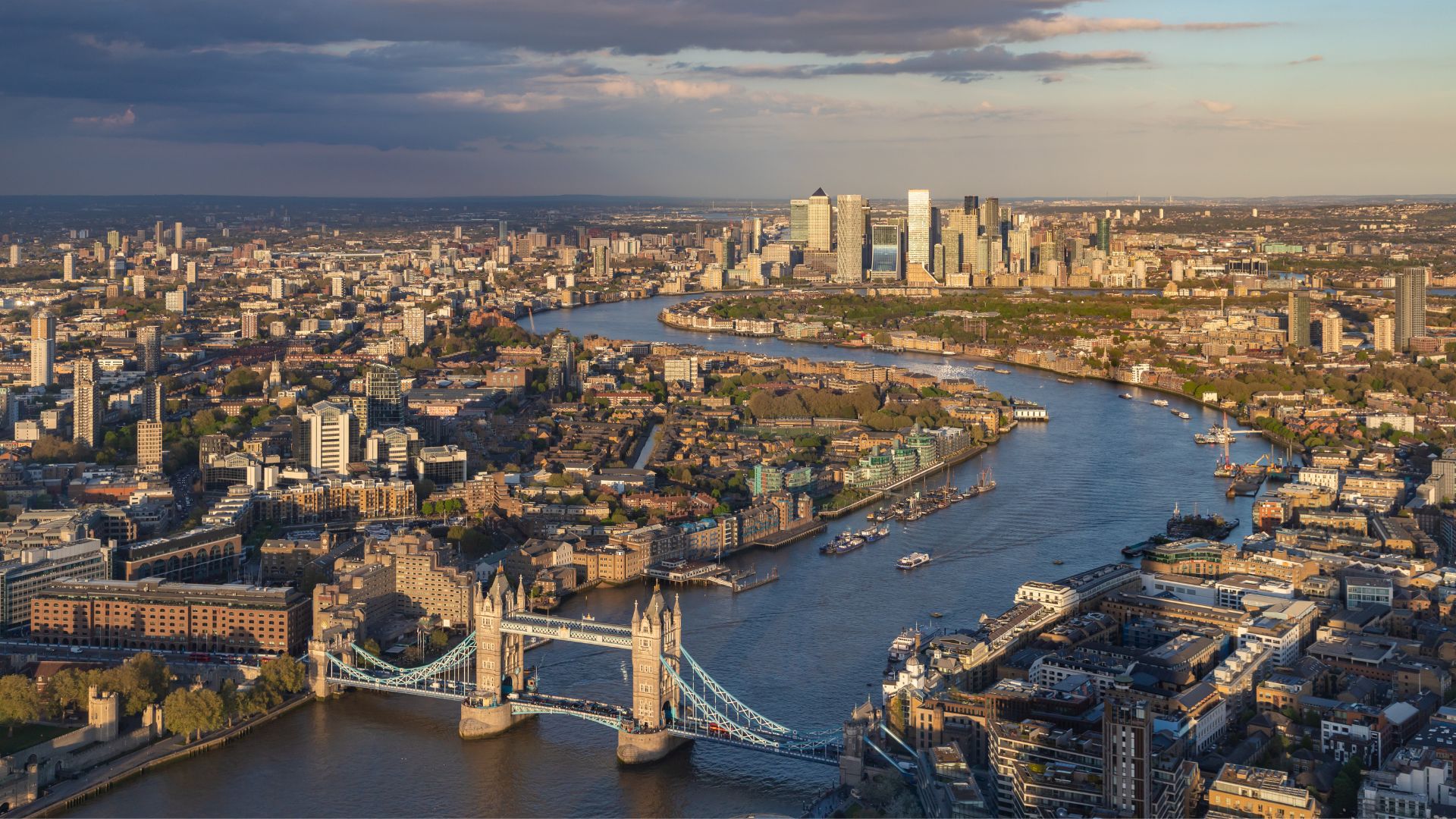
The River Thames has been London’s reason for existence since before London had a name. The Romans established Londinium where they did because the Thames was narrow enough to bridge yet deep enough for ocean-going vessels; that strategic advantage determined two thousand years of subsequent development. Every invasion, every trade route, every plague ship, and every coronation barge has passed along these waters. To understand London, you must understand the river that made it.
The statistics only hint at significance: 215 miles from source to sea, 35 bridges between Richmond and the Thames Barrier, tidal for the final 61 miles, home to over 125 species of fish where once pollution permitted none. But the Thames is not merely infrastructure; it is character. Londoners relate to their river with a mixture of pride, frustration, and grudging affection. It floods, it smells (occasionally), it divides the city into North and South. It also provides some of the finest urban vistas on Earth.
A River of Bridges
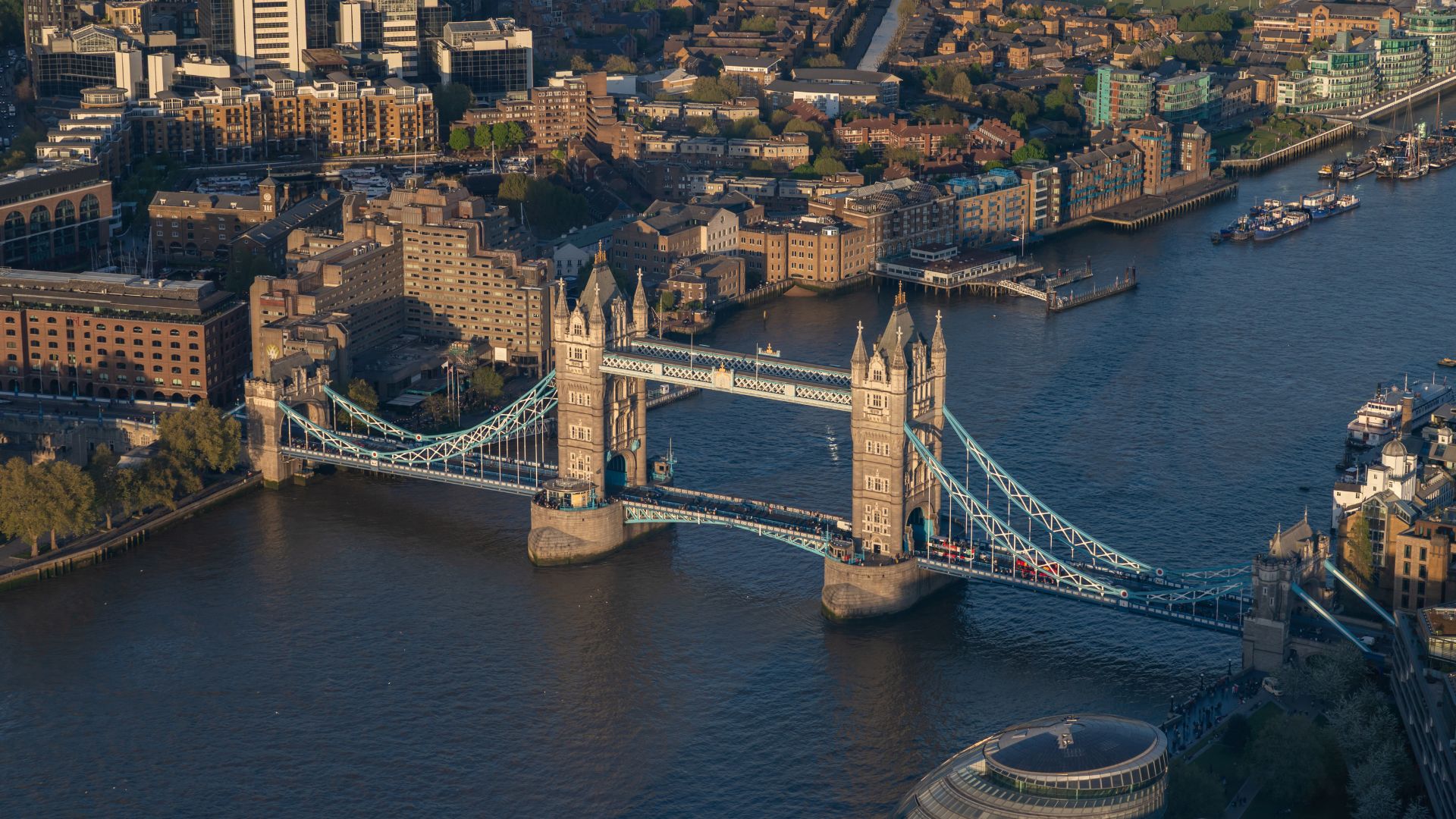
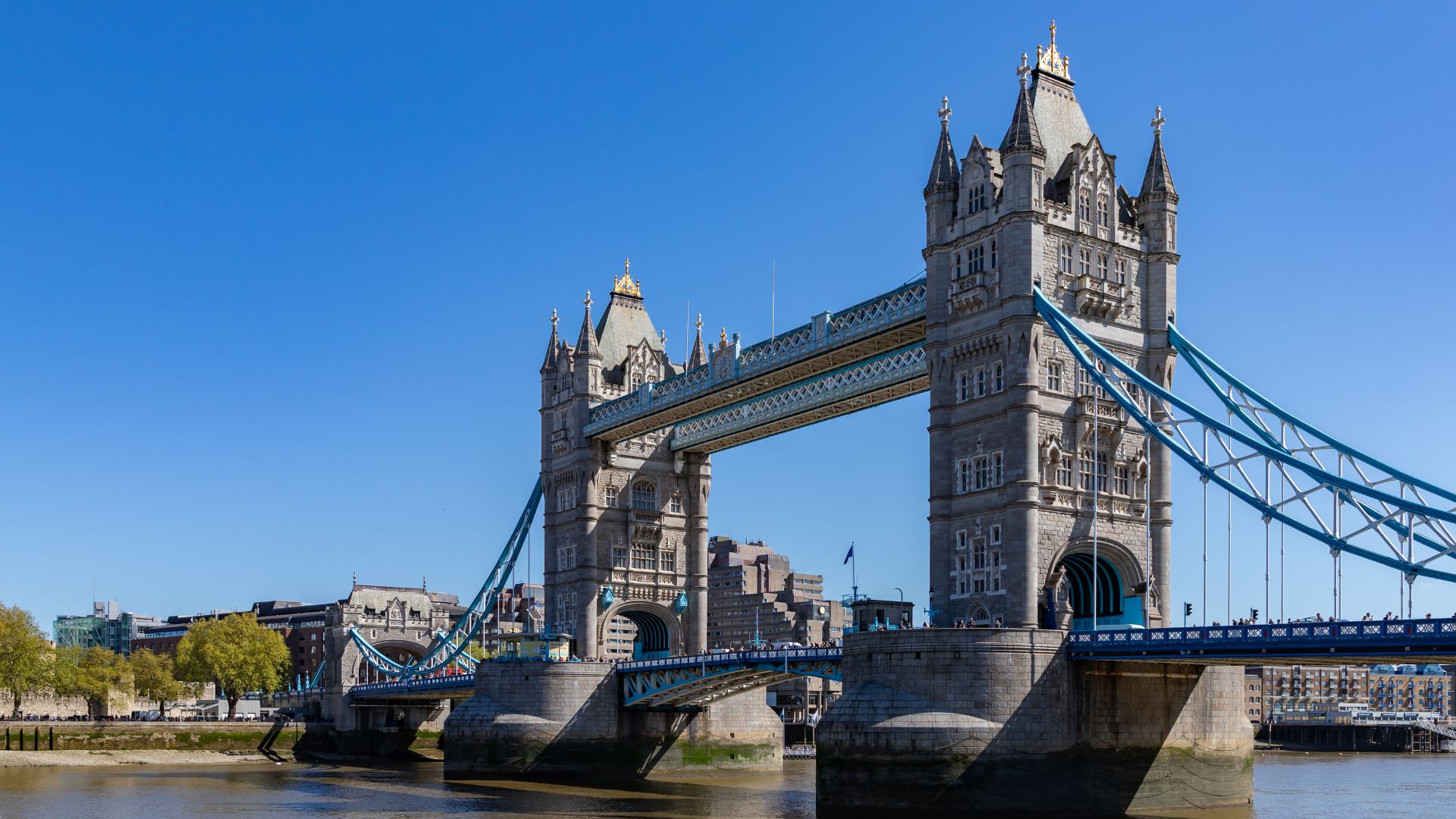
Tower Bridge, that Victorian Gothic confection of stone and steel, remains the Thames’s most photographed crossing—and its most misunderstood. Foreign visitors occasionally expect London Bridge, disappointed to discover that the current structure (opened 1973, the previous incarnation having been sold and shipped to Arizona) possesses all the romance of a motorway flyover. Tower Bridge, by contrast, delivers theatricality: bascules rising to admit tall vessels, walkways offering panoramic views, an engine room where the original steam pumping machinery still gleams.
Westminster Bridge, Hungerford Bridge, Blackfriars, Southwark, Millennium—each crossing has its character. The Millennium Bridge, that elegant blade of steel designed by Norman Foster, famously wobbled so alarmingly on opening day in 2000 that it required two years of remedial engineering. Waterloo Bridge, rebuilt during the Second World War largely by female labour (the men being otherwise occupied), offers perhaps the finest sunset views in London: St Paul’s to the east, Parliament to the west, the entire South Bank spread before you.
The bridges have starred in countless films. Harry Potter sees the Millennium Bridge destroyed by Death Eaters. James Bond has chased villains across Westminster Bridge (The World Is Not Enough) and Vauxhall Bridge (Spectre). Bridget Jones ran across Tower Bridge in her knickers. The Thames is central to London’s cinematic identity because it is central to London’s actual identity.
“Sweet Thames, run softly, till I end my song.”
— Edmund Spenser, Prothalamion, 1596
The Working River
For centuries, the Thames was London’s busiest thoroughfare. Before bridges multiplied, watermen ferried passengers across; before roads improved, goods moved by barge rather than cart. The Pool of London, that stretch between London Bridge and Tower Bridge, was once the world’s busiest port, its waters so crowded with vessels that one could reportedly walk from ship to ship across their decks. The enclosed docks—West India, East India, Surrey, Royal—handled the empire’s commerce: tea, spices, timber, tobacco.
The docks closed between 1960 and 1981, victims of containerisation and changing trade patterns. Their transformation—into Canary Wharf’s towers, into the Excel exhibition centre, into luxury apartments and waterfront restaurants—represents one of the largest urban regeneration projects in European history. The river itself carries far less traffic than it once did, though river buses now connect commuters from Woolwich to Putney, and tourist cruises remain popular.
Thames Path
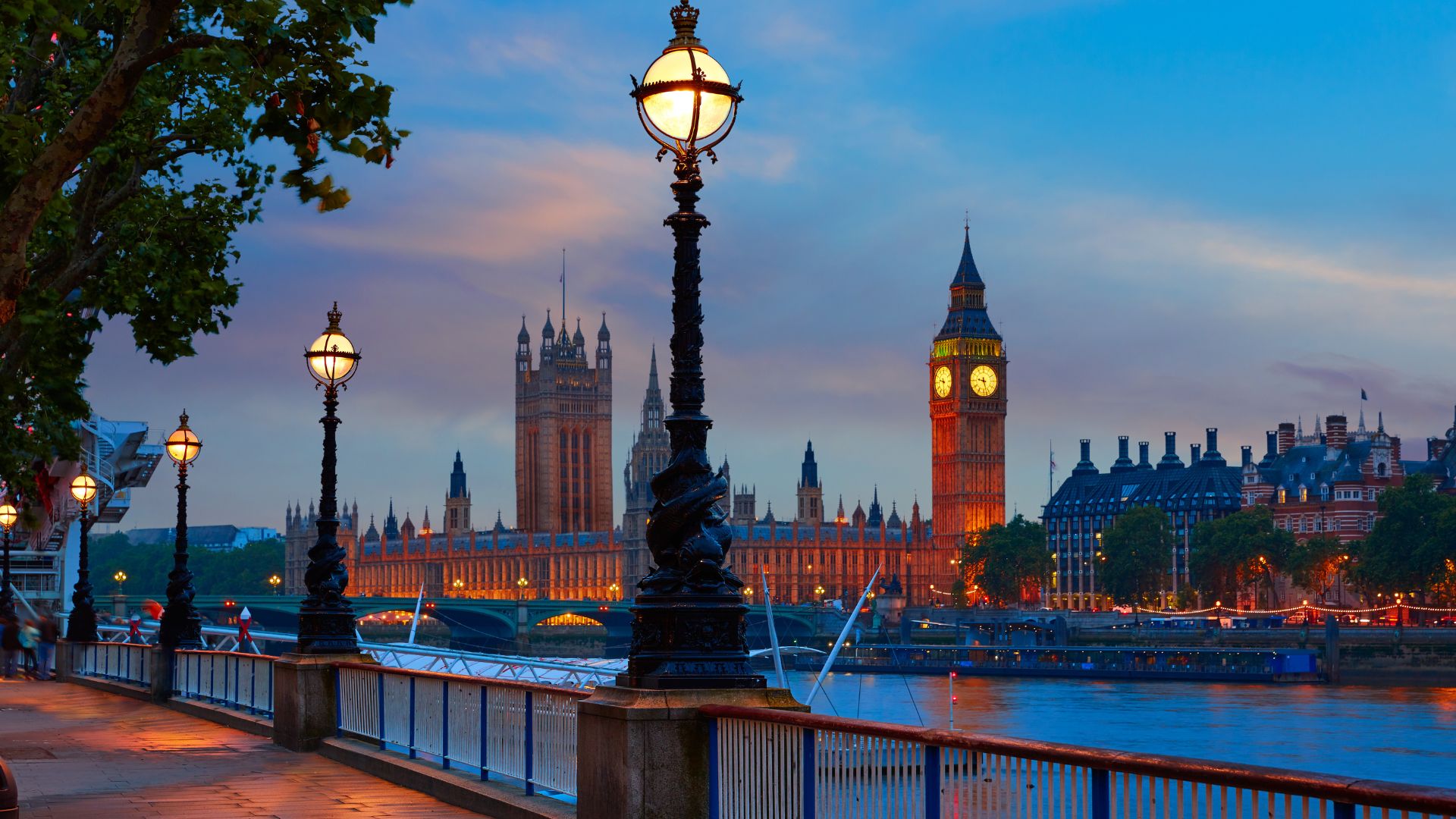
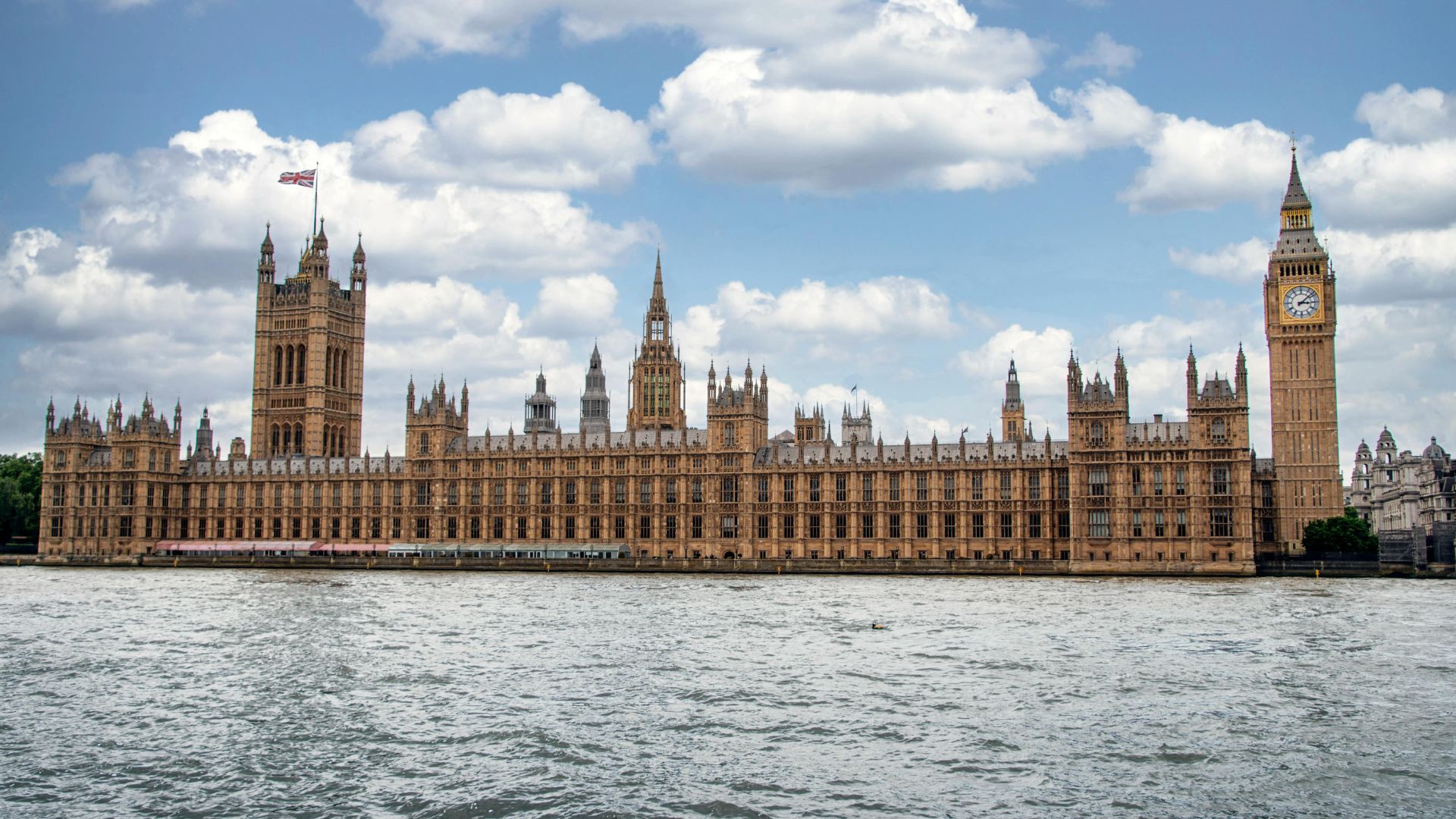
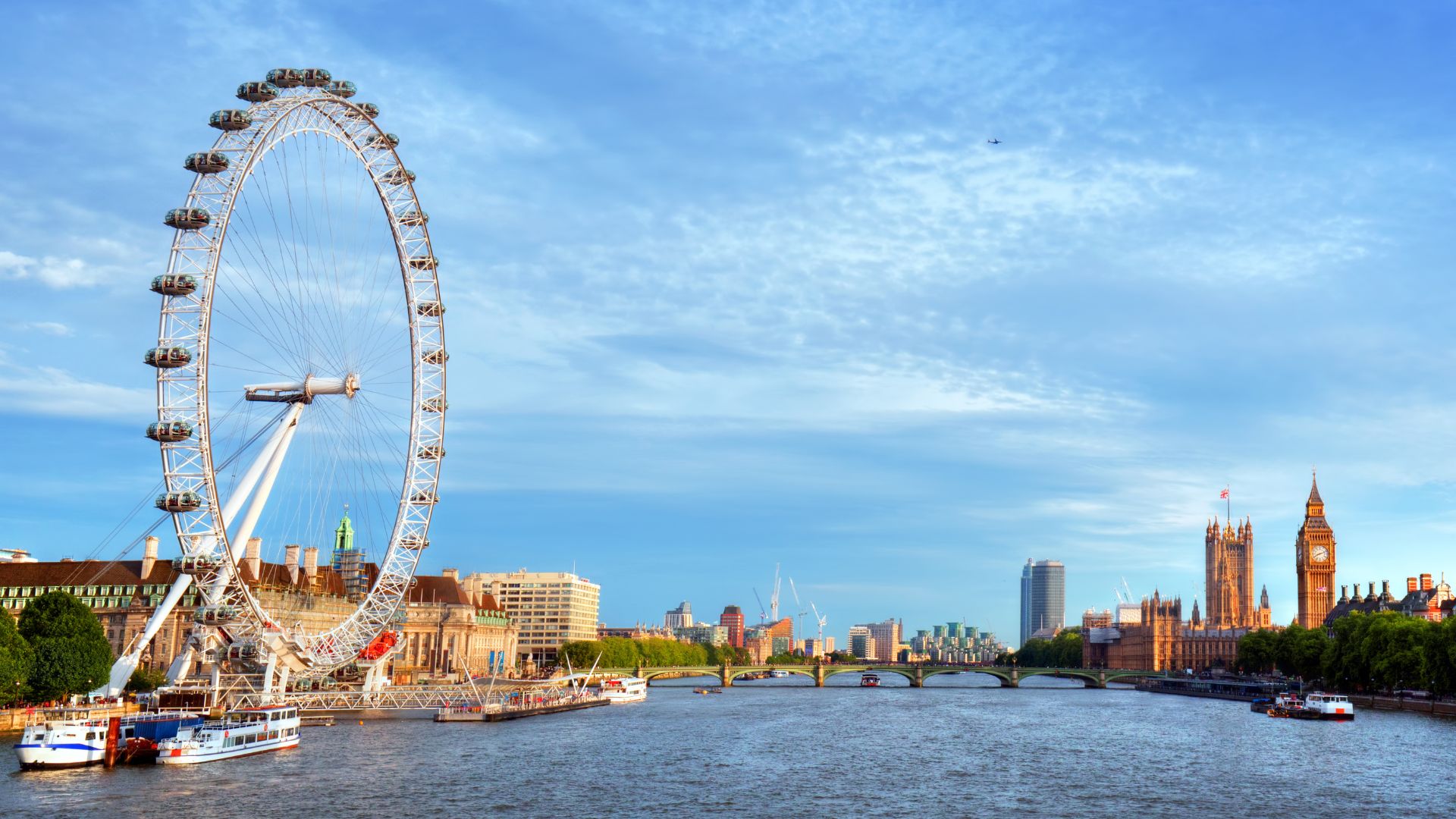
The Thames Path National Trail runs 184 miles from source to barrier, but the London stretch—roughly 40 miles from Hampton Court to the Thames Barrier—offers the capital’s finest urban walking. The South Bank section, from Westminster to Tower Bridge, represents perhaps the world’s best riverside promenade: Parliament, the London Eye, the Southbank Centre, Tate Modern, Shakespeare’s Globe, Borough Market, and Tower Bridge in a single glorious sequence.
Less celebrated stretches reward exploration. The northern bank between Westminster and Blackfriars passes the Embankment Gardens, Cleopatra’s Needle, and Somerset House. Barnes to Hammersmith offers village-like calm within Zone 3. Greenwich, downstream, combines maritime heritage with market pleasures. The serious walker can spend days following the river without retracing steps.
On the Water
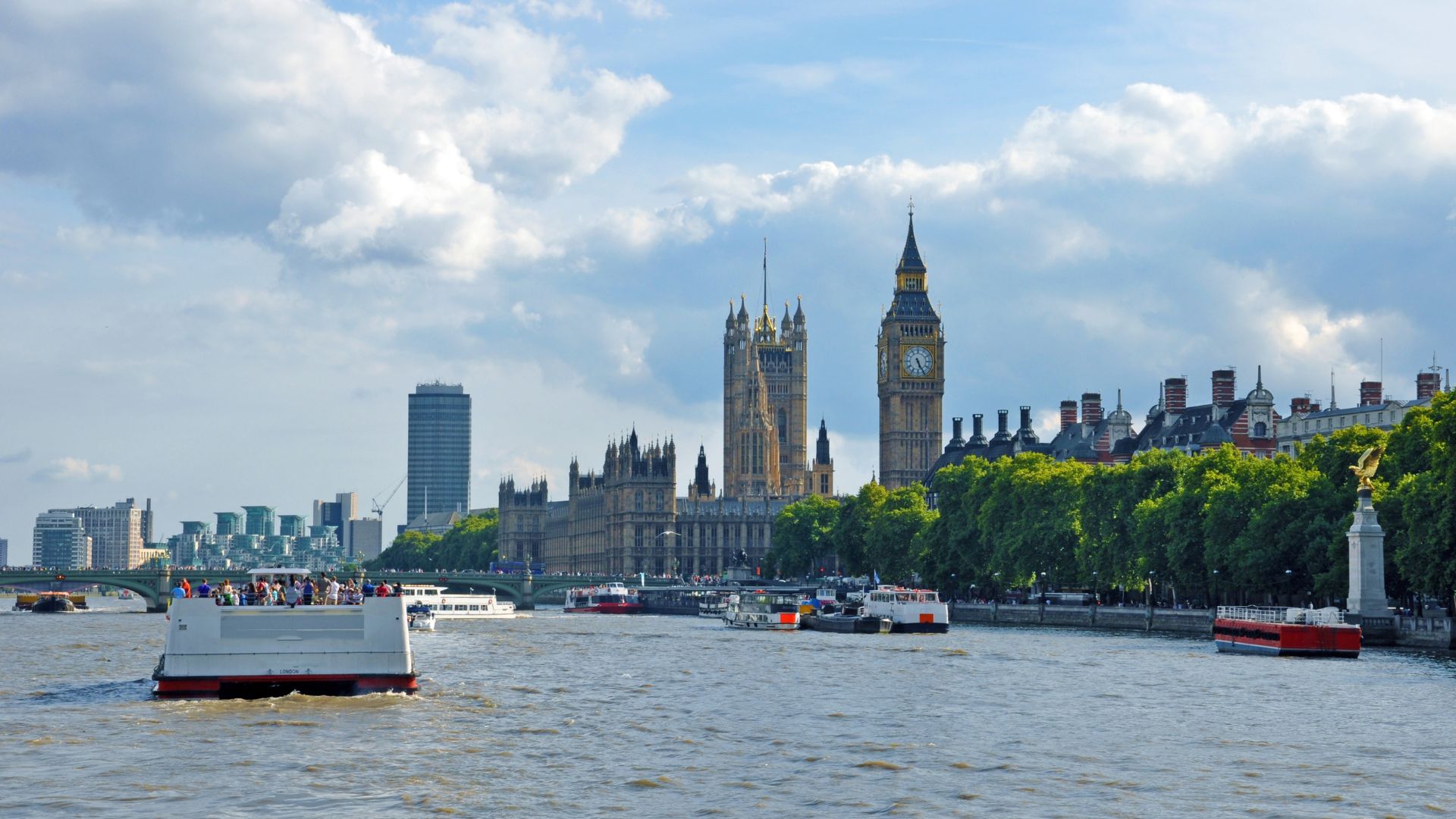
River cruises range from utilitarian commuter services (the Uber Boat by Thames Clippers, running every 20 minutes between major piers) to tourist operations offering commentary, dining, and drinks. The view from the water reveals London as it was meant to be seen: buildings designed to be approached by river, façades that present their best faces to the Thames, a city that makes sense from its liquid heart.
Kayaking and paddle-boarding have grown popular in recent years, though the tidal Thames demands respect. Rowing clubs dot the upstream stretches; the Oxford-Cambridge Boat Race, held since 1829, transforms the Putney-to-Mortlake stretch into sporting theatre each spring. Even swimming has returned: organised events now take place in waters once too polluted to contemplate.
The Thames is London’s autobiography written in water. Every bridge carries memory, every bend reveals history, every tide connects the city to the sea and the world beyond. To ignore the river is to miss London’s meaning.