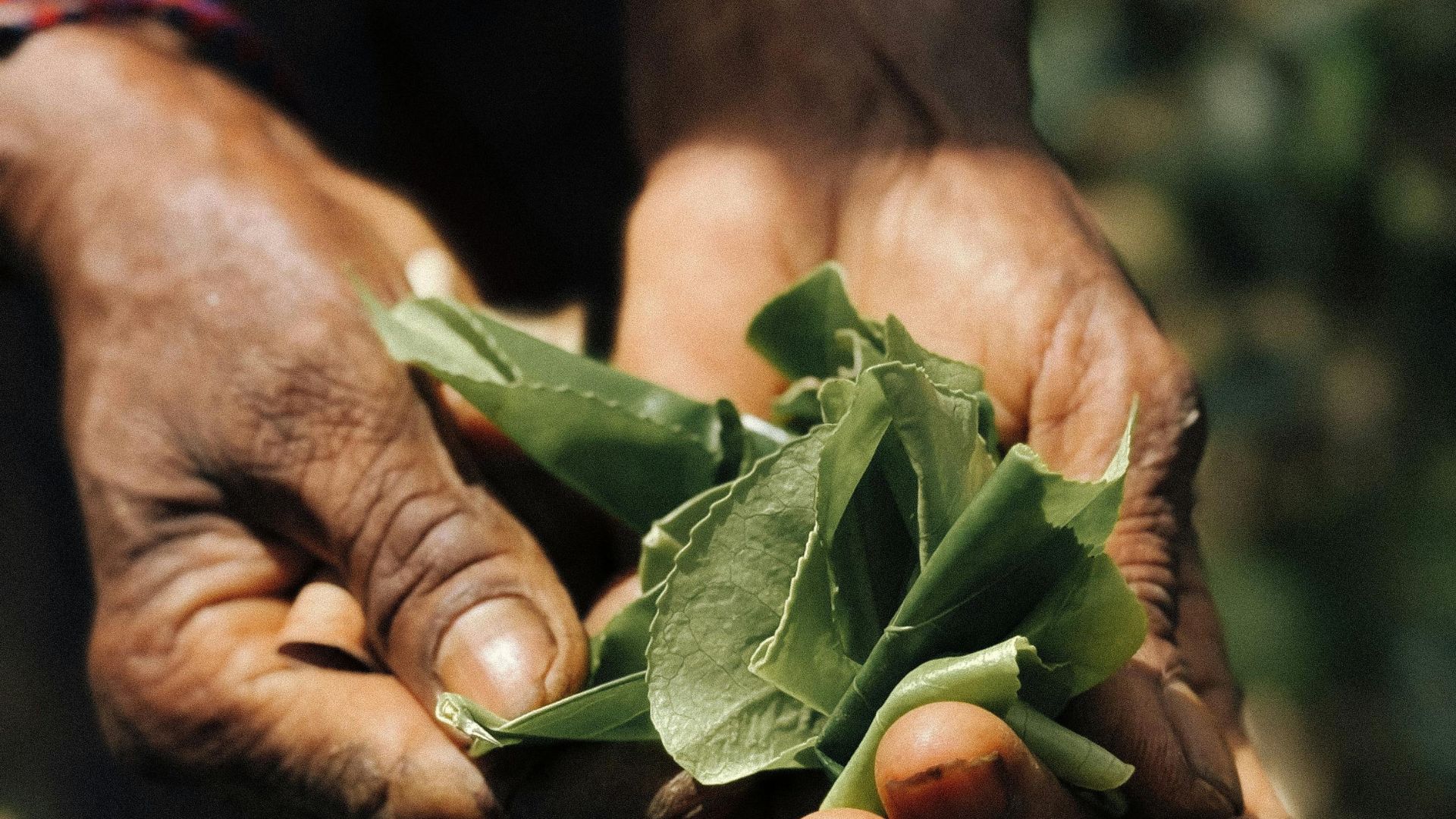
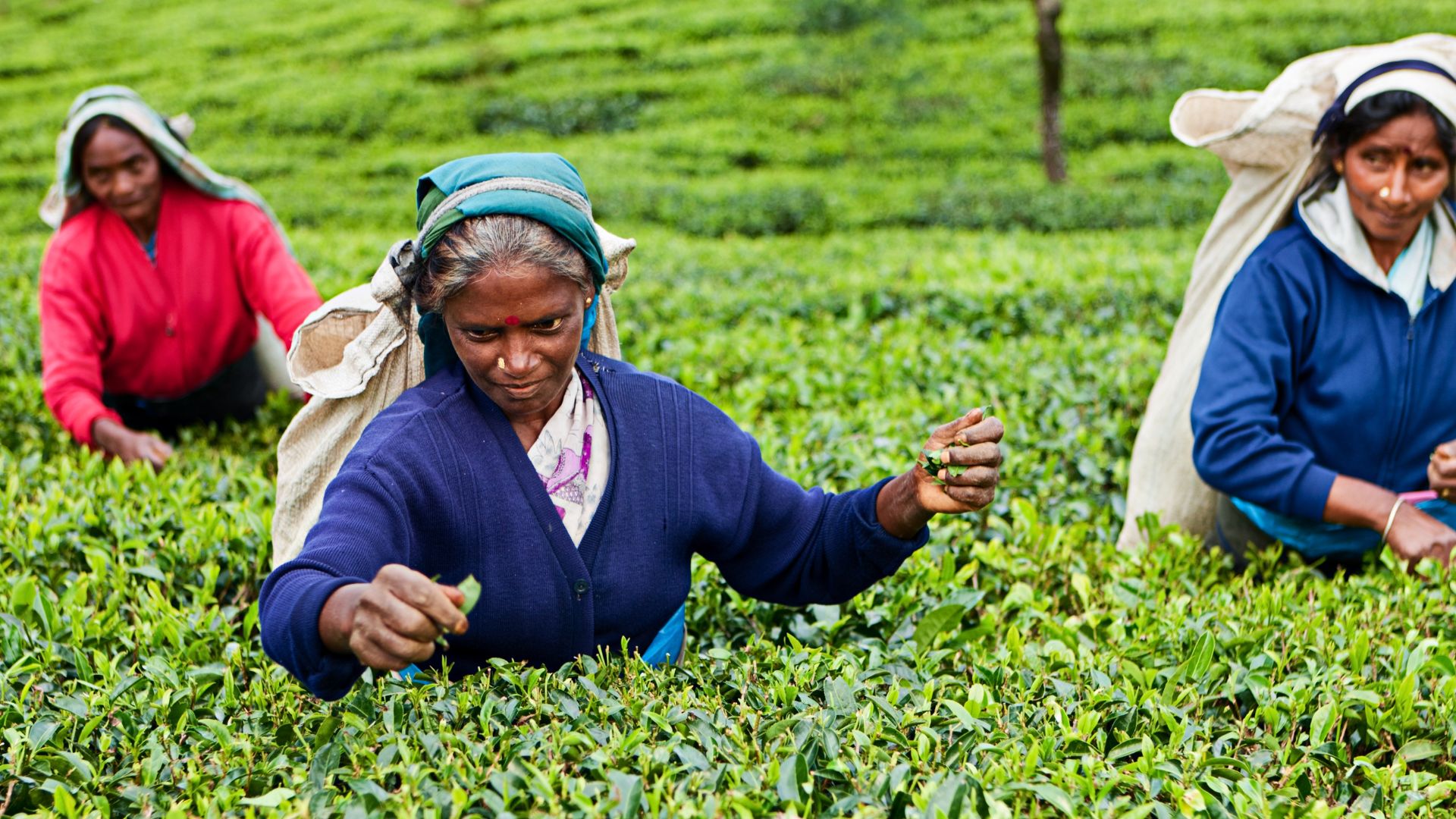
The Tamil women who pluck Sri Lanka’s tea are simultaneously essential to the industry and marginal within it. Brought from South India by British planters in the 19th century to provide labour that local farmers refused, their descendants have worked the estates for generations. The two leaves and a bud that produce fine tea are selected by fingers that move faster than cameras can capture; the lives attached to those fingers unfold in estate housing that the colonial period would recognise.
We met Lakshmi on a plantation outside Nuwara Eliya, her basket already heavy with morning’s picking. She had worked these slopes since sixteen, following her mother, who followed her mother. Her hands moved with speed that made photography pointless: pluck, drop, pluck, drop, rhythm uninterrupted by conversation. She earned approximately 1,000 rupees (£3) per day, plus housing and benefits. The tea she plucked sells internationally for prices that seem impossible to reconcile with her wages.
Her perspective complicated easy judgments. The work was hard, the pay modest — but the estate provided housing, schooling, healthcare. Her daughter was at university, first in the family to pursue higher education, funded partly by estate scholarships. ‘The tourists see only the tea,’ she said, ‘but the tea is my life. What would we do without it?’ The question wasn’t rhetorical, and I couldn’t answer it.
The estates are beginning to offer visitor experiences that engage with this complexity — not just factory tours explaining oxidation and grading, but conversations with pluckers that acknowledge contribution and circumstance. These work best when they involve actual exchange rather than mere observation, when visitors understand that the picturesque slopes conceal histories that photographs cannot capture. The tea in your cup has a supply chain. That chain runs through hands like Lakshmi’s. Acknowledging this feels like the minimum decent response.