“The South Bank is where London comes to think, to feel, to watch, to argue.”
— Contemporary cultural commentator
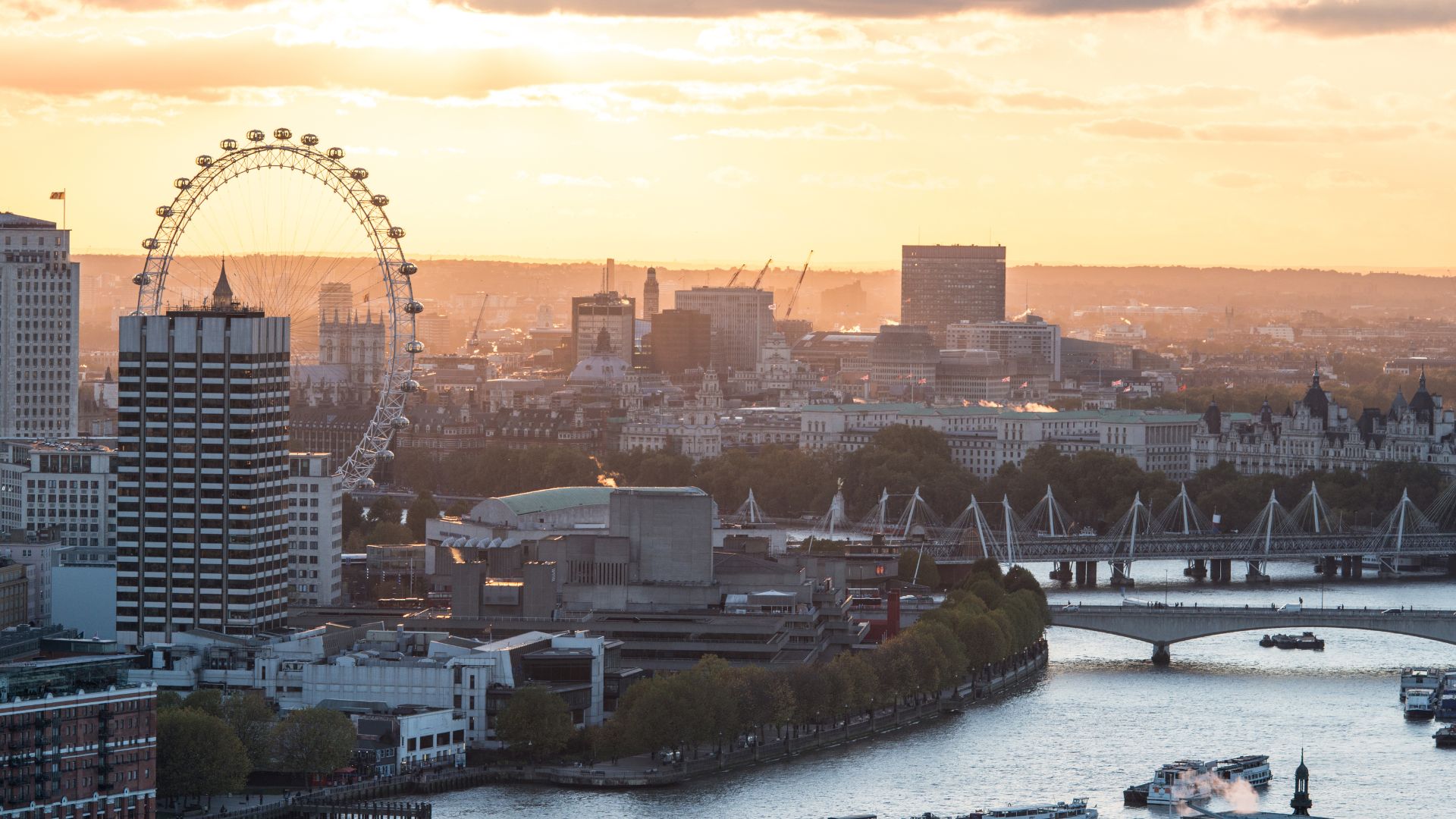
The South Bank—that stretch of Thames embankment running from Westminster Bridge to Tower Bridge—represents London’s cultural identity made physical. The Southbank Centre, the National Theatre, Tate Modern, Shakespeare’s Globe, the BFI: institutions of international significance line a riverside walk that ranks among the world’s great urban promenades. What was until the mid-20th century industrial wasteland has become the city’s cultural heart.
The transformation began with the Festival of Britain in 1951, when the Royal Festival Hall rose from bomb-damaged ground as a statement of post-war renewal. The Hayward Gallery and Queen Elizabeth Hall followed in the Brutalist 1960s. Tate Modern’s 2000 opening in the converted Bankside Power Station accelerated change; the Millennium Bridge connected St Paul’s to the new gallery; and suddenly the South Bank had become destination rather than afterthought.
Southbank Centre
The Southbank Centre—Royal Festival Hall, Queen Elizabeth Hall, Purcell Room, and Hayward Gallery—presents music, art, dance, and performance across venues designed for their distinct purposes. The Royal Festival Hall’s 1951 auditorium, praised for acoustics from the day it opened, hosts orchestras, recitals, and contemporary performances. The brutalist concrete of the later buildings divides opinion but has acquired heritage protection and grudging affection.
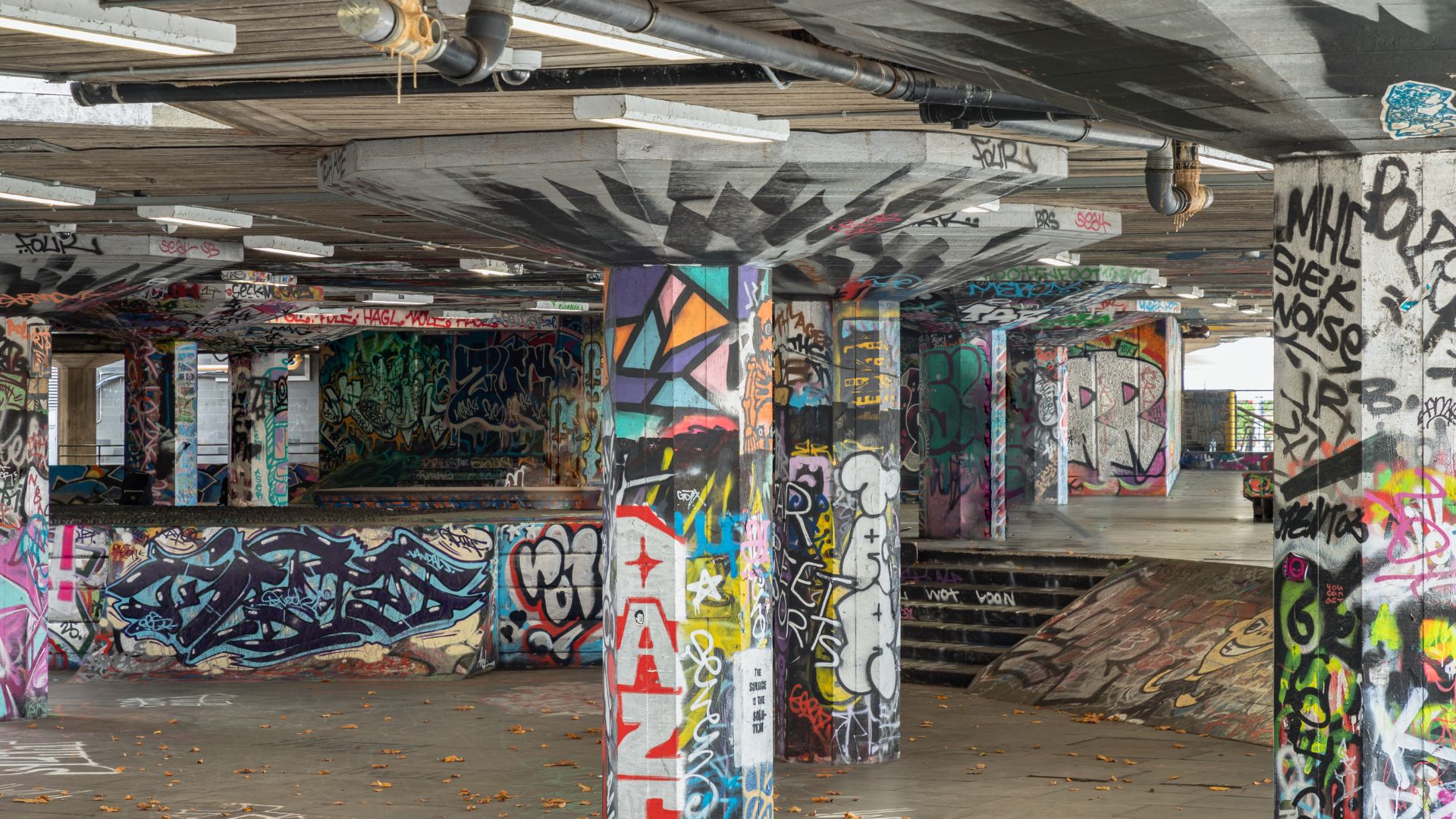
Free activities animate the site year-round: exhibitions in the foyers, installations on the terraces, seasonal markets, and the continuous presence of buskers, skateboarders, and booksellers who have colonised the undercroft spaces. The programming philosophy embraces accessibility; much of what happens costs nothing to experience. Even paid events often offer reduced-price tickets released close to performance.
“The South Bank has become London’s front garden—somewhere everyone can go.”
— Jude Kelly, former Southbank Centre artistic director
The National Theatre
Denys Lasdun’s National Theatre building, opened in 1976, still provokes strong reactions—Prince Charles famously likened it to a nuclear power station—but its three auditoria have become indispensable to British theatre. The Olivier’s open thrust stage transforms actor-audience relationships; the Lyttelton’s proscenium arch suits traditional staging; the Dorfman (formerly Cottesloe) provides intimate flexibility. Productions regularly transfer to the West End, Broadway, and international touring.
NT Live, the theatre’s broadcast programme launched in 2009, transmits productions to cinemas worldwide, vastly extending the National’s reach. The terraces and foyer spaces are open to the public; bookshops, cafés, and free exhibitions reward visits even without tickets. The building works harder for its community than its Brutalist exterior might suggest.
Tate Modern
Tate Modern, in Herzog & de Meuron’s conversion of Giles Gilbert Scott’s power station, demonstrates what imaginative architecture can achieve. The building’s industrial scale—the Turbine Hall rises seven storeys—suits the ambition of contemporary art. Annual commissions for the Turbine Hall have produced some of London’s most memorable art experiences: Olafur Eliasson’s Weather Project, Ai Weiwei’s Sunflower Seeds, Kara Walker’s fountain.
The collection spans modern and contemporary art, free to access though special exhibitions charge. The Switch House extension, completed in 2016, added galleries and a public viewing platform with panoramic London views. The Millennium Bridge delivers visitors from St Paul’s; the route has become one of London’s essential walks.
The Walk
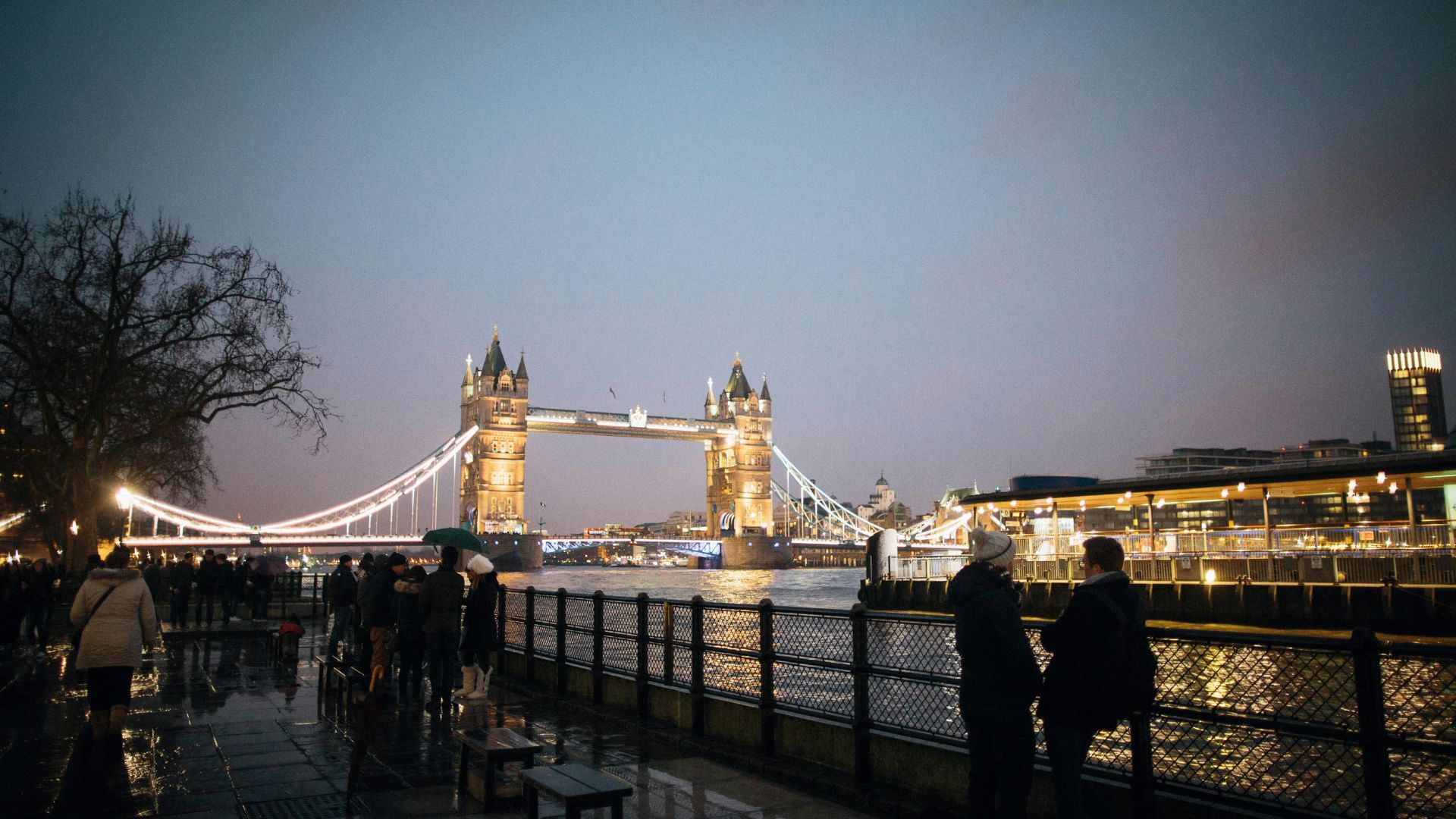
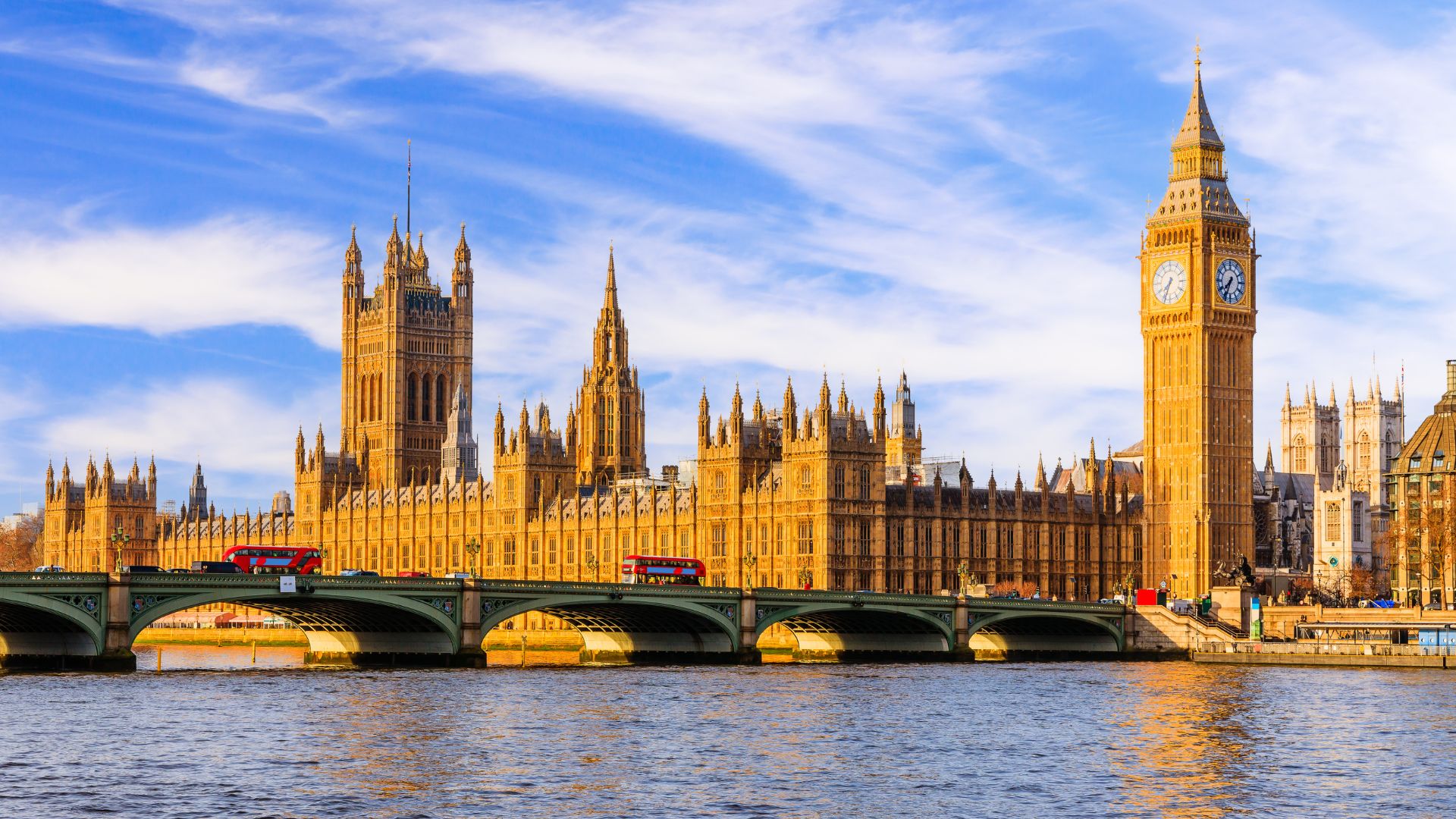
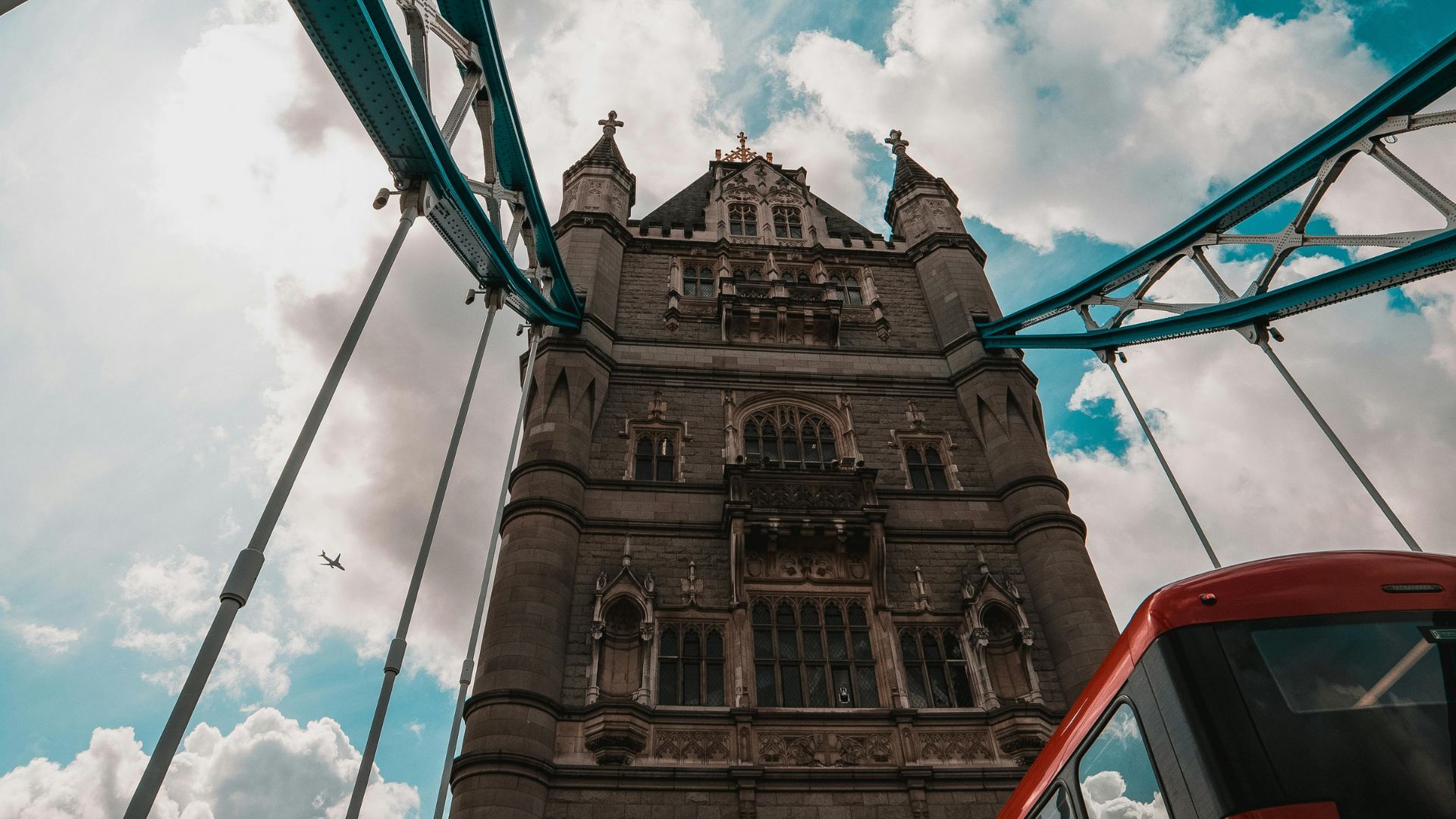
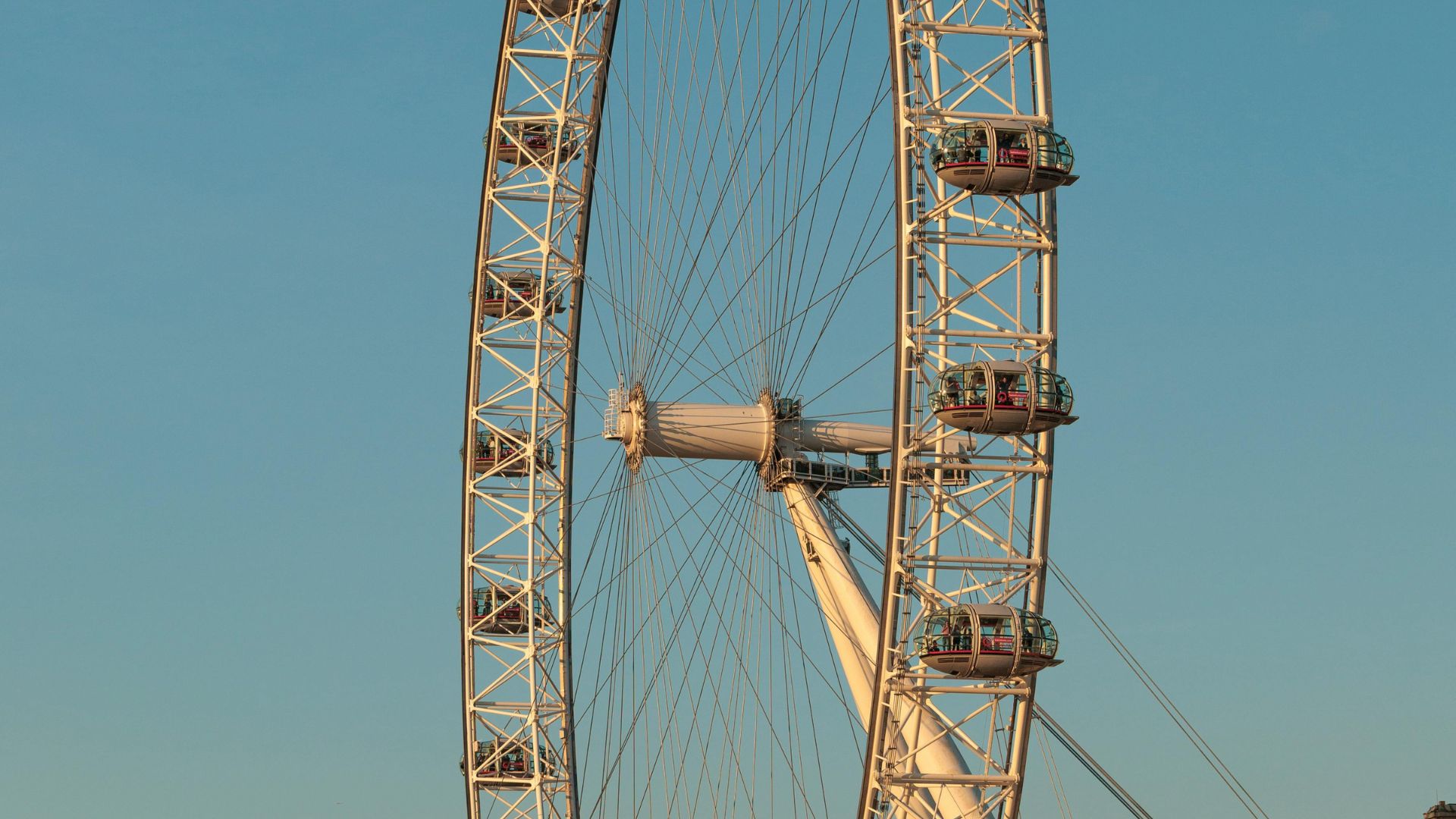
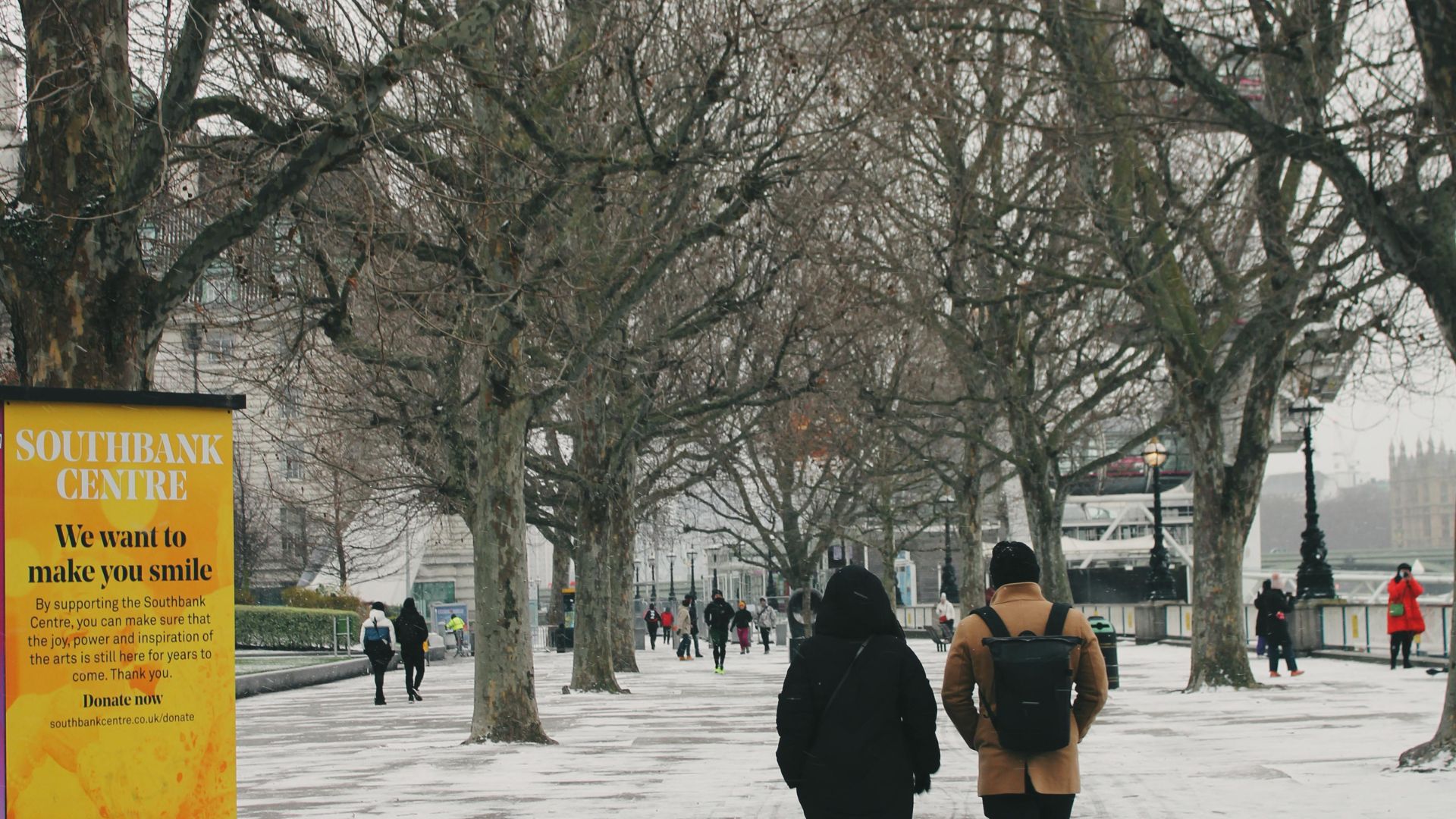
The South Bank walk from Westminster to Tower Bridge constitutes London’s finest urban stroll. Parliament and the London Eye mark one end; Tower Bridge and City Hall mark the other. Between lie the Southbank Centre, the National Theatre, Gabriel’s Wharf, Oxo Tower, Tate Modern, Shakespeare’s Globe, the Golden Hinde replica, Southwark Cathedral, Borough Market, City Hall, and HMS Belfast. Street performers, food stalls, and booksellers under Waterloo Bridge enliven the route.
The walk changes character along its length: institutional grandeur near Westminster, Brutalist culture at the Southbank Centre, post-industrial regeneration around Tate Modern, medieval survival at Southwark Cathedral, contemporary development at London Bridge. Each section rewards; the whole creates a narrative of London’s evolution. Allow half a day for the full route, longer if you enter any of the institutions or stop to eat.
The South Bank proves that post-industrial cities can reinvent themselves. What was working riverside—wharves, warehouses, industry—has become cultural showcase. The transformation required imagination, investment, and confidence that culture matters. London wagered on the South Bank and won spectacularly.