The secret Netherlands: Oyster picking in Zeeland
Forget the tulips. In Zeeland, they pick wild oysters from the tide, eat Michelin-starred lobster — and the Dutch are keeping very quiet about it.
By Vasyl Korniichuk
Most visitors to the Netherlands never leave Amsterdam. The Dutch, it turns out, are quite happy about that.
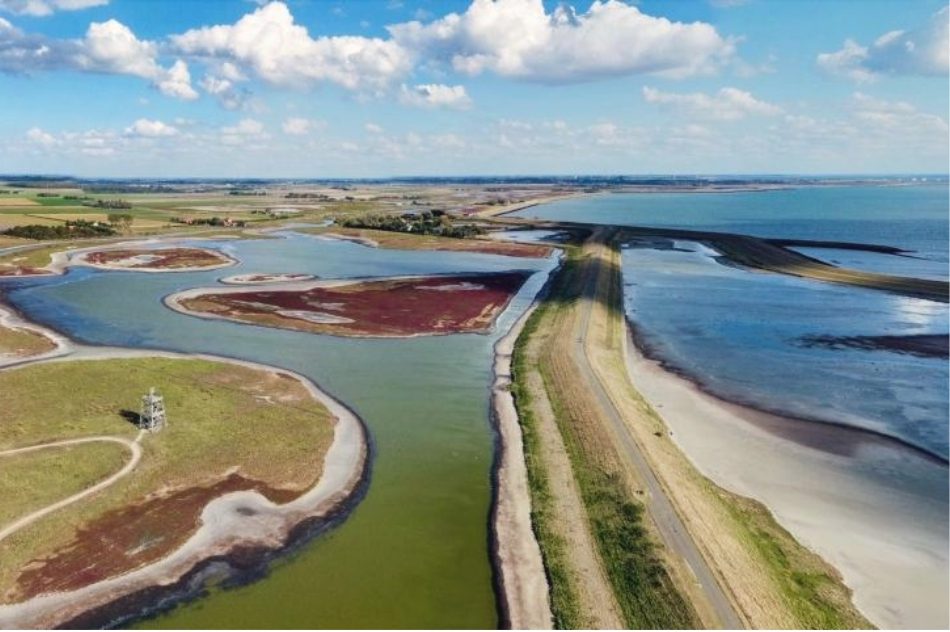
Two hours south-west of the capital lies a province that has spent centuries doing its own thing, entirely unbothered by the tourist trail. Zeeland — its name meaning, literally, Sea Land — is a mosaic of reclaimed islands shaped by dikes, estuaries, and a perpetual negotiation with water that defines life here. It sits where the Rhine, Maas, and Scheldt meet the North Sea, and the result is a complicated, beautiful geography that has none of what you came expecting. No canals, no tulip fields, no wooden clogs. What it has instead is the most Michelin-starred restaurants per capita in the Netherlands, the finest oysters and mussels in northern Europe, a genetically unique lobster found nowhere else on earth, and a coastline where the tide retreats twice a day and leaves an extraordinary larder waiting at your feet — free for the taking. This is not the Netherlands of the postcards. It is, for those who find it, considerably better.

The Oysters: Free, Wild, and Right There
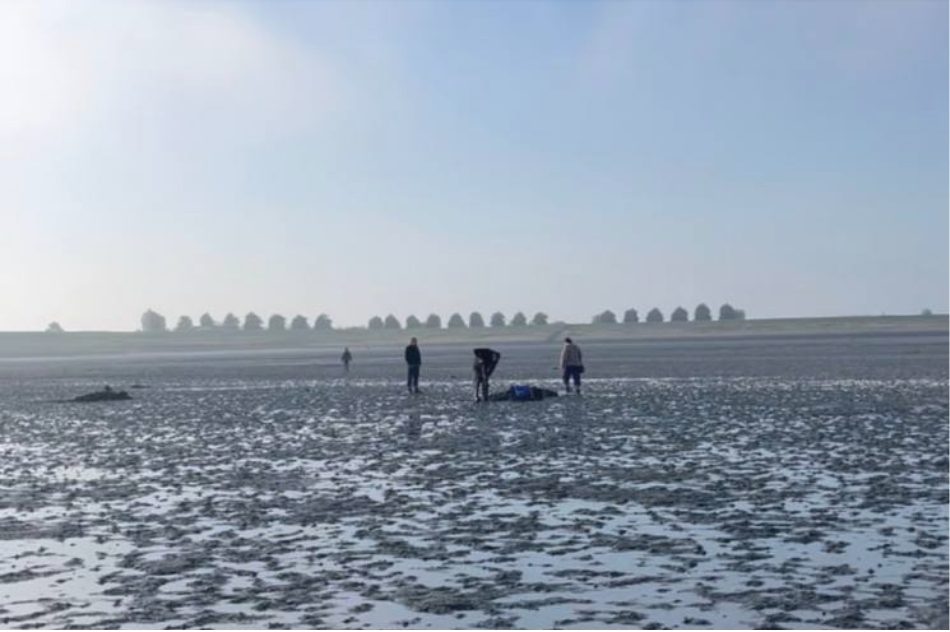
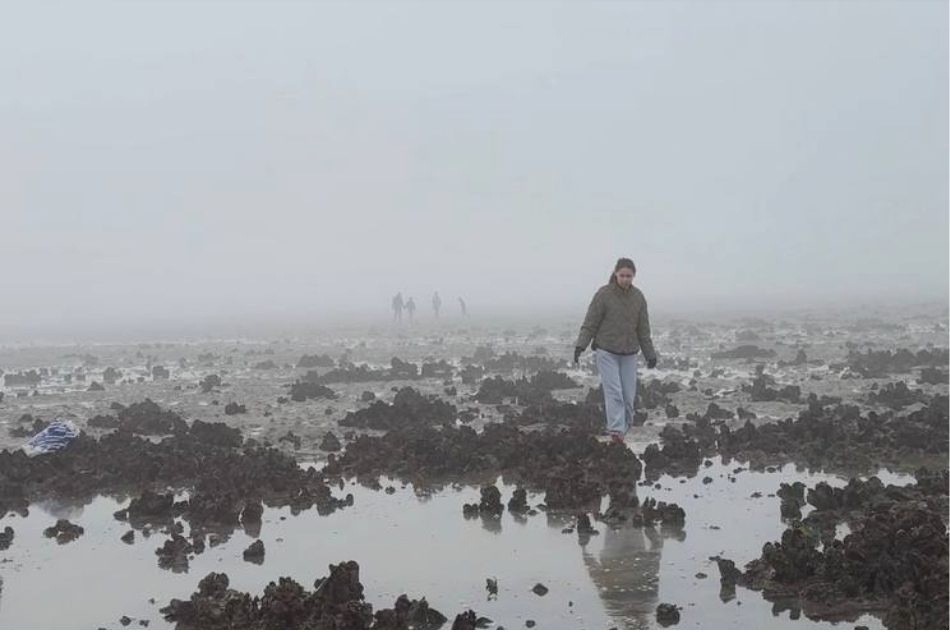
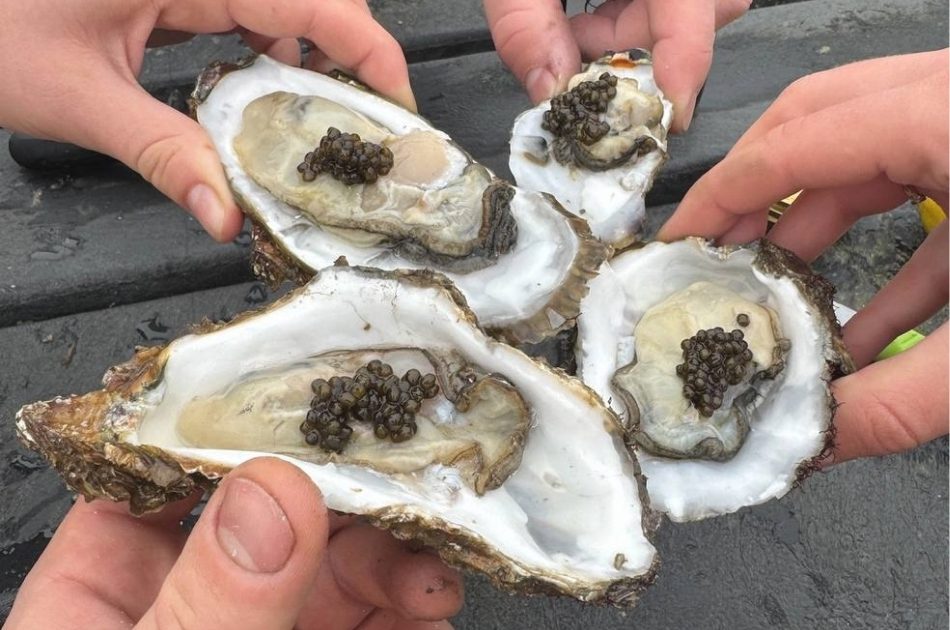
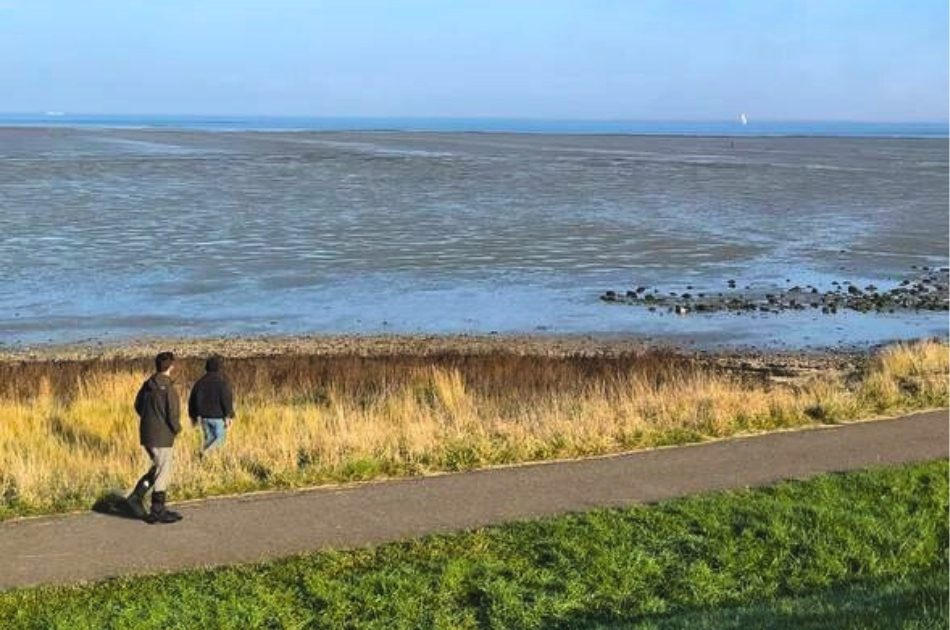
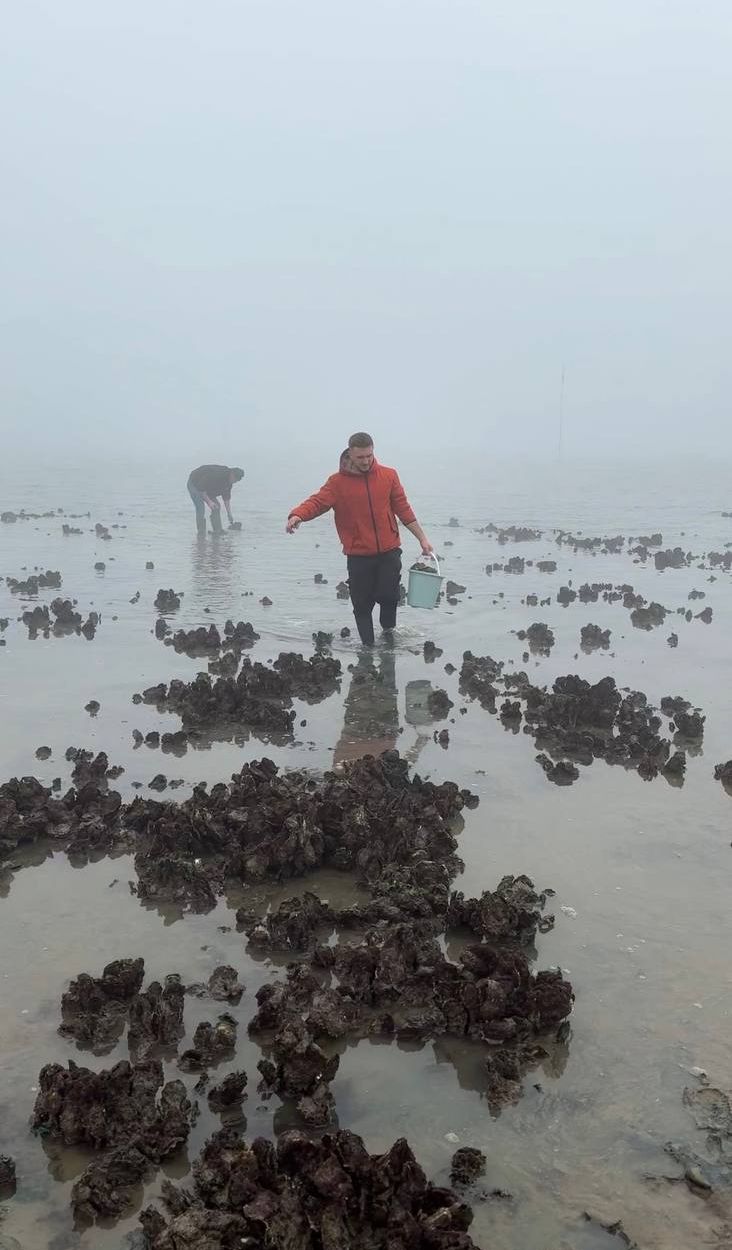
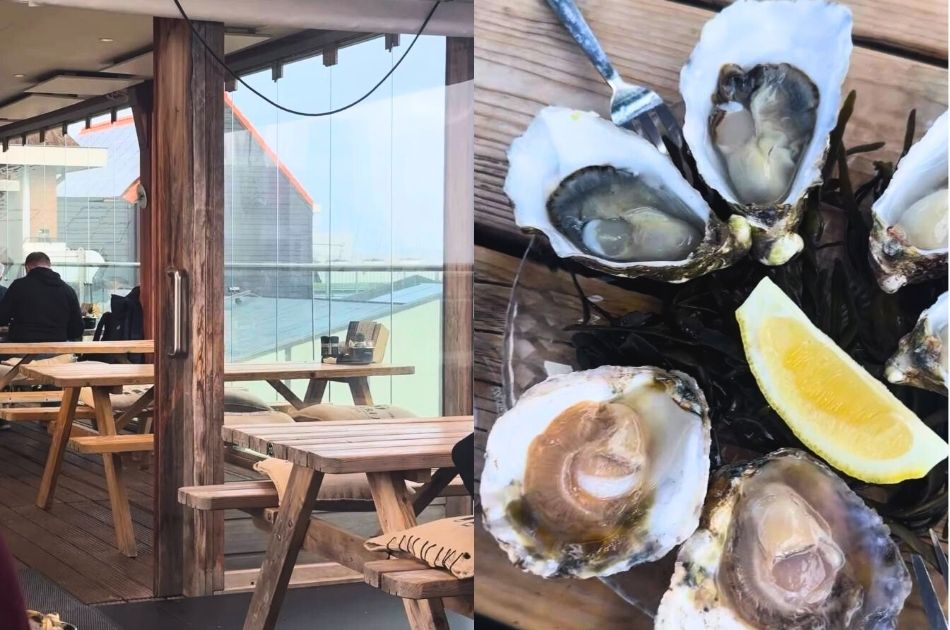
Let us start with the most unlikely thing: between September and April — any month with an ‘r’ in its name — you can walk onto the tidal flats of Zeeland and pick up to ten kilograms of wild oysters per person, per day, entirely free of charge. No booking. No guided tour. No catch beyond a pair of waterproof boots, gloves and an oyster knife.
The Pacific oyster, known locally as the Zeeuwse creuse, was introduced after disease devastated native stocks in the late nineteenth century. It adapted spectacularly. It now clings to rocks and shells across the Oosterschelde flats in such abundance that the authorities actively encourage foraging — harvesting helps keep the ecosystem in check.
The fishing village of Yerseke is the natural base, sitting directly on the Oosterschelde and long known as the oyster capital of the Netherlands. From the harbourfront you can walk onto the beach and be picking within minutes of arrival. Goese Sas near Wilhelminadorp and St Annastrand at Goes are equally productive — at the latter, the sand is firm enough that boots are optional. Oesterdam, the great dam running between Tholen and Zuid-Beveland, offers another excellent foraging ground. The window runs from two hours before to two hours after low tide; tide-forecast.com handles the planning. The rhythm of it quickly becomes its own reward — an hour or two in a world that feels ancient, unhurried, and remarkably good for the soul.
Bring a cool box, champagne or a crisp Muscadet, a blanket, and no particular agenda. An oyster eaten ten minutes after being prised from a rock, with lemon juice and North Sea wind in your face, is a different experience entirely from anything you will eat in a restaurant.
Fresh oyster catch
Black Gold: The Mussels
Oysters are only the beginning. Yerseke processes approximately 90 million kilograms of mussels a year, making it the mussel epicentre of north-west Europe and home to the Dutch Mussel Auction, where family businesses with generations of tradition behind them sell their catch. Belgium and France take the lion's share of the export — which tells you everything about the quality. Locals call them Zwart Goud: Black Gold. Steamed with white wine, shallots, butter and herbs, served with frites and cold Muscadet, they are one of the great uncomplicated pleasures of European food. Mussel season runs July to mid-April, meaning a well-timed visit can take in both oysters and mussels simultaneously — an embarrassment of riches that very few British visitors have yet thought to take advantage of.
The Rolls-Royce of Lobster — and a Wine Aged Underwater
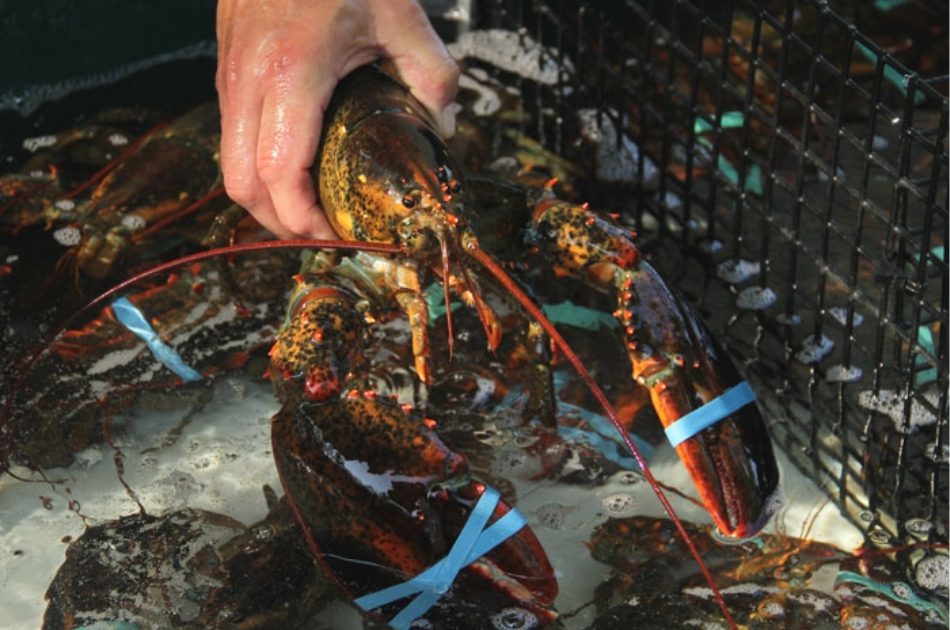
The Oosterschelde's cold, mineral-rich waters have, over centuries, produced a lobster genetically distinct from any other in the world. Dutch chefs call it the Rolls-Royce of lobster, and it commands prices to match. It appears on the menus of the province's Michelin-starred restaurants — and there are more of those per head here than anywhere else in the Netherlands — with the reverence it deserves.
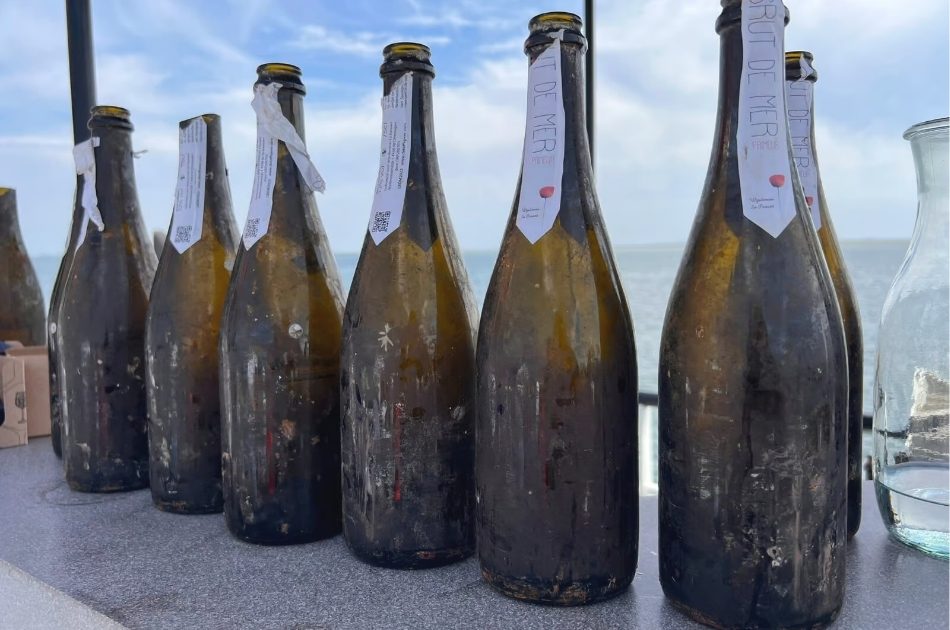
Then there is the Brut de Mer: a sparkling wine aged at sixteen metres depth in the Oosterschelde estuary, its bottles encrusted with barnacles from their time on the seabed. The constant temperature, the motion of the water, and the total absence of light produce something genuinely singular. An excellent aperitif before a plate of freshly shucked oysters. An even better story over dinner.
Brut de Mer
Oesterij: Where to Begin
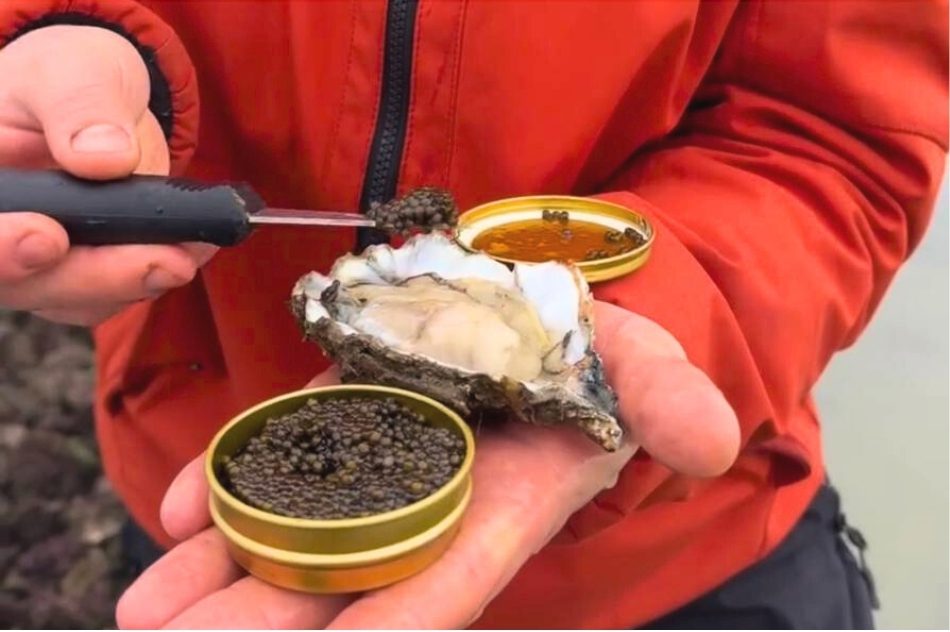
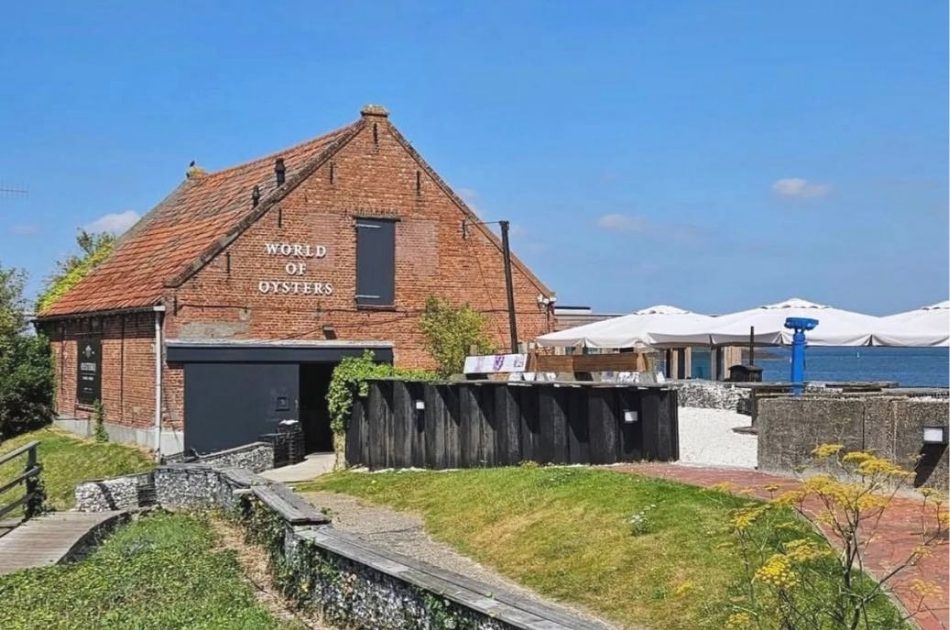
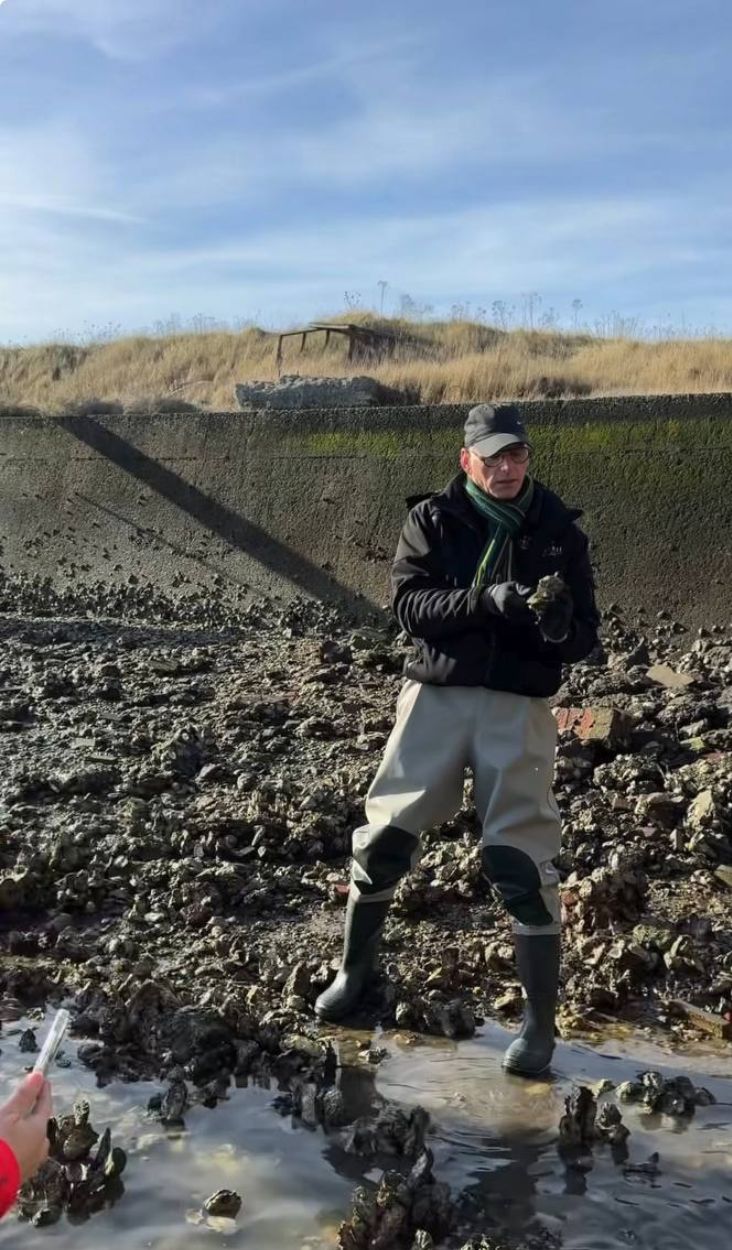
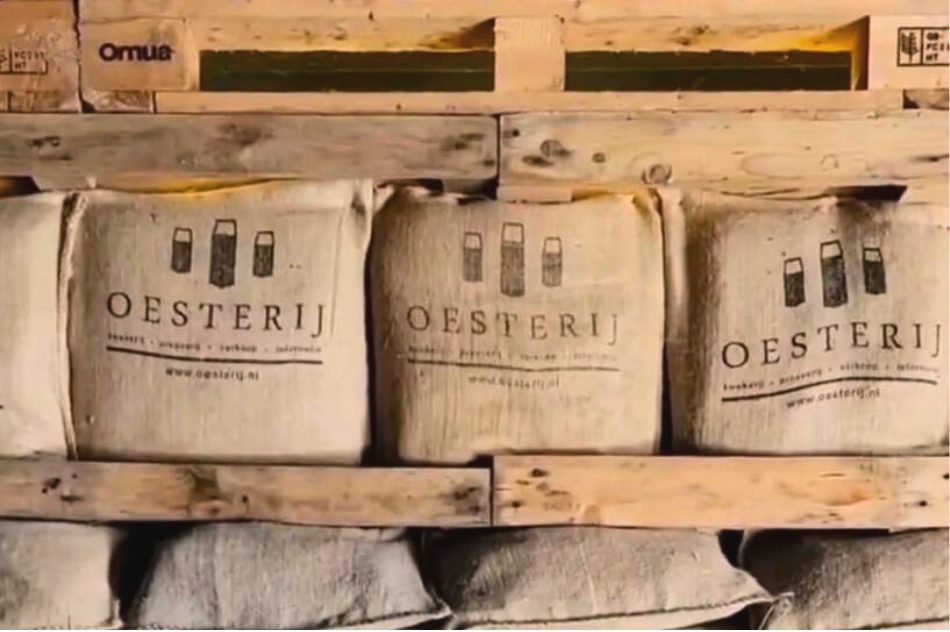
For those wanting to understand rather than simply consume, Oesterij in Yerseke — a family business since 1906 — is the obvious starting point. The full-day experience (€79.95 per person; info@oesterij.nl) includes a boat trip to the oyster farms, a wade into the estuary in waders, an oyster-shucking workshop, and a seafood lunch using produce from the farm. Tours run on fixed tidal days and are conducted in Dutch, though the experience translates regardless of language. Guided tours of the historic pits are available year-round for individuals and smaller groups.
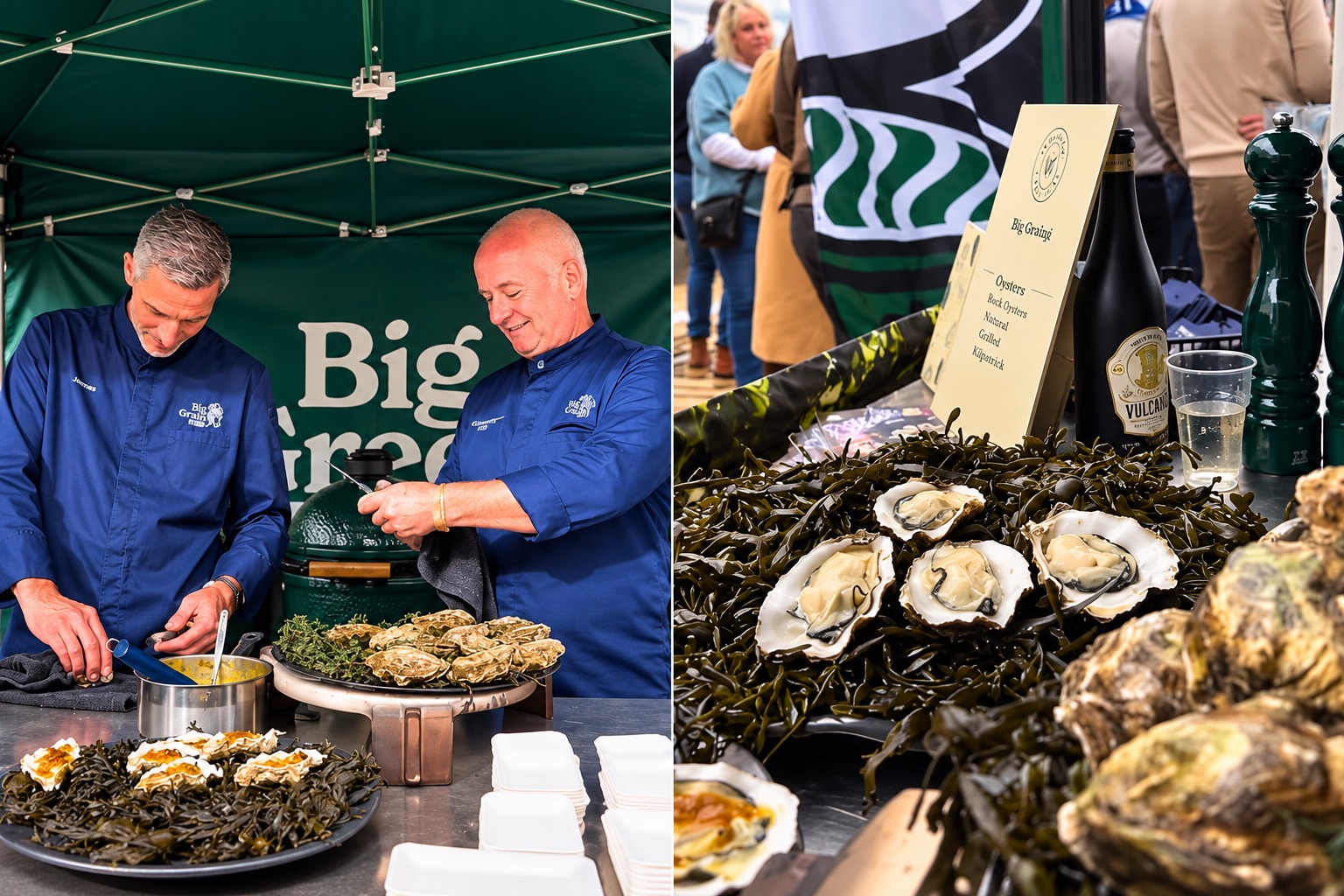
Each October, Oesterij hosts the three-day Oesterfestival — a celebration of the flat oyster season's start, with tastings, shucking competitions, and the kind of festive, food-focused atmosphere that the French would recognise immediately and the British have not yet discovered.
Guided tour with Oesterij
Getting There, When to Go, Where to Stay
Spring — March through May — is excellent: oyster season still running, the landscape awakening, and the days long enough for both the flats and a proper dinner. October brings the Oesterfestival and exceptional light on the estuary. Avoid June through August if oysters are the priority, though mussel season runs through summer. Beyond the shellfish, Zeeland rewards properly: National Park Oosterschelde is exceptional for birdwatching and seal spotting, the coastal cycling routes are superb, and the walled, cobbled town of Zierikzee is worth an afternoon of anyone's time. In the right light — early morning in autumn or the long evenings of early spring — the province is quietly spectacular. Mist drifts over the tidal channels. The sky is enormous. It is the kind of place that gets under your skin considerably faster than you expect.
EasyJet, KLM and British Airways operate daily services from major UK airports to Amsterdam Schiphol or Eindhoven, with return fares typically between £60 and £220. From either airport, hire a car — the drive is two to two and a half hours, and the flexibility is essential for chasing the tides and reaching the best picking spots on the flats. Transavia also flies from Edinburgh to Rotterdam The Hague, cutting the drive to under an hour.
In Yerseke, Bed & Breakfast Yerseke and B&B Het Oude Postkantoor both sit within easy walking distance of the harbour, with rooms from around £100 per night including breakfast. Holiday cottages along the dikes — plentiful on Booking.com and Airbnb — are ideal for those planning to cook their own catch.
Practical Information
Oesterij bookings & Oesterfestival: oesterij.nl/en | Havendijk 12, 4401 NS Yerseke
Full-day experience: €79.95 per person (excl. drinks). Email info@oesterij.nl. Conducted in Dutch
Tide times: tide-forecast.com/locations/Yerseke/tides
Season: September to April. Up to 10kg per person per day, personal use only
Best spots: Yerseke harbourfront; Goese Sas, Wilhelminadorp; St Annastrand, Goes; Oesterdam
Kit: Waterproof boots, thick gloves, bucket, oyster knife. Bring lemon, champagne and a cool box
About Author
Vasiliy is a recognised Amsterdam-based chef with a passion for exceptional food and unforgettable dining experiences. Drawing on years in professional kitchens and travels around the world, he shares insider recommendations on the best places to eat, alongside stories and insights from his culinary journeys.