There is something about train travel in France that feels fundamentally civilised. Perhaps it’s the way the landscape unspools like a film reel beyond the window, or the ritual of the restaurant car, or simply the knowledge that for a few hours you are blessedly unreachable by email. Whatever the magic, France’s railways offer journeys that rival any destination — routes where the getting there becomes the point entirely.
The French never suffered their Beeching. While Britain dismembered its branch lines in the 1960s, France kept the network largely intact, which means today’s traveller can reach corners of the country that roads simply don’t serve as well. From Alpine rack railways to Mediterranean coastal crawls, here are six journeys worth making for their own sake.
Le Cévenol: Clermont-Ferrand to Nîmes
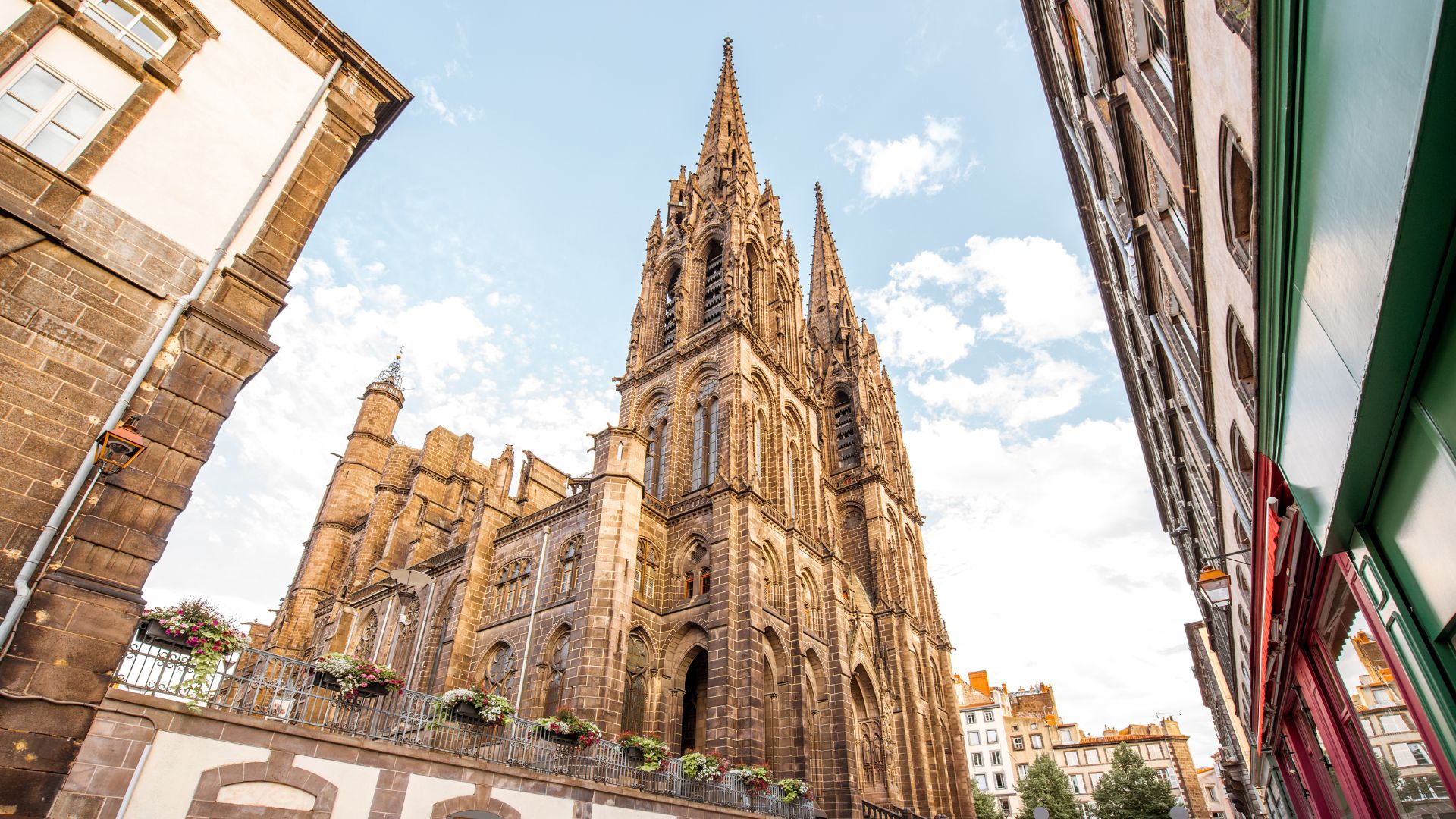
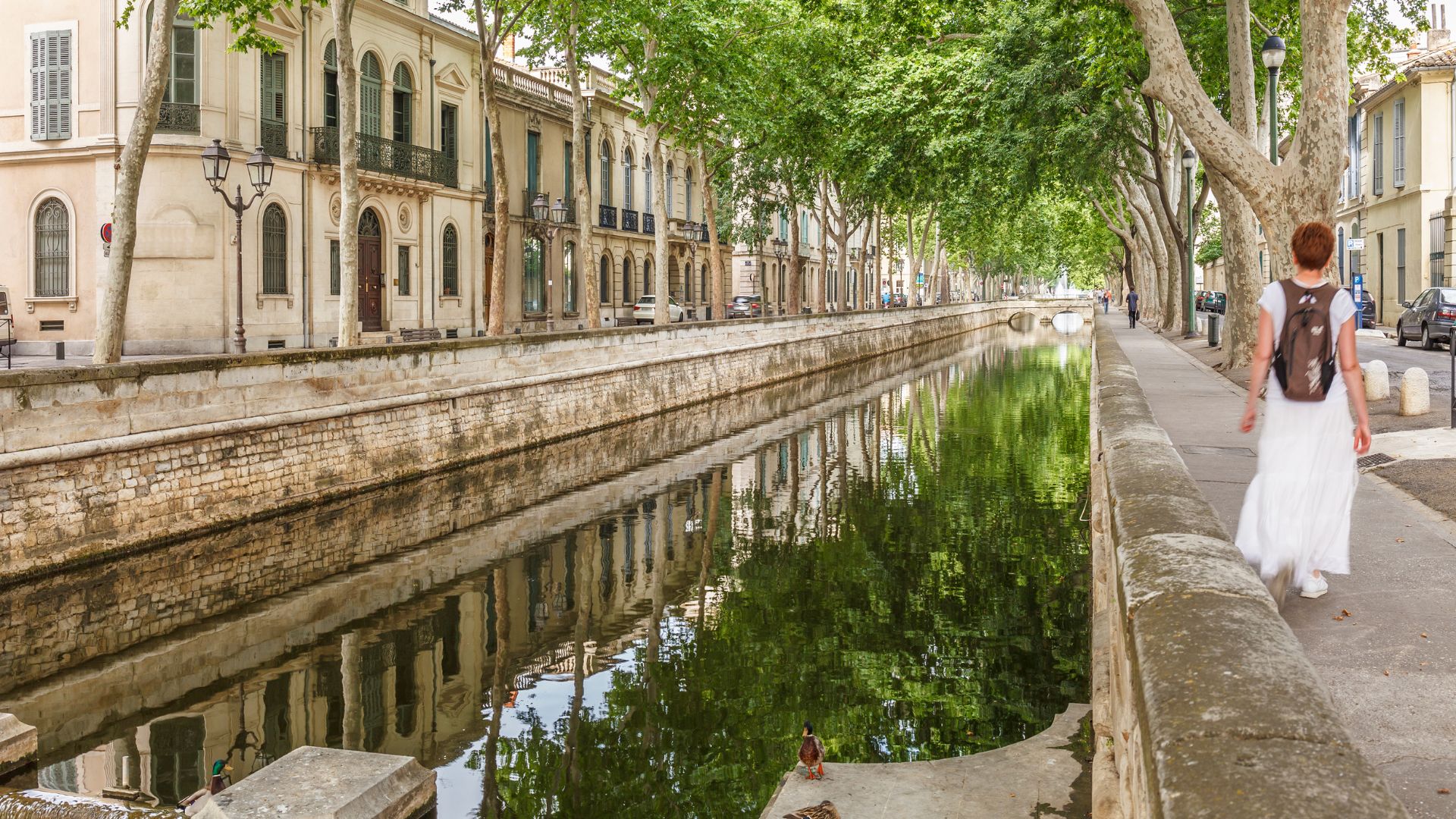
This is the one the railway enthusiasts whisper about. The Cévenol line crosses the Massif Central through some of France’s wildest terrain, threading 106 tunnels and crossing over 1,300 bridges in its five-and-a-half-hour journey from the Auvergne to Provence. The Chamborigaud Viaduct alone — 41 arches of Victorian engineering ambition — is worth the ticket price. Built in 1870 when the technology to blast through granite barely existed, the line represents a triumph of human determination over geological obstinacy. Pack a lunch, claim a window seat, and watch France transform from volcanic plateau to Mediterranean scrubland.
Le Petit Train Jaune: Villefranche-de-Conflent to Latour-de-Carol
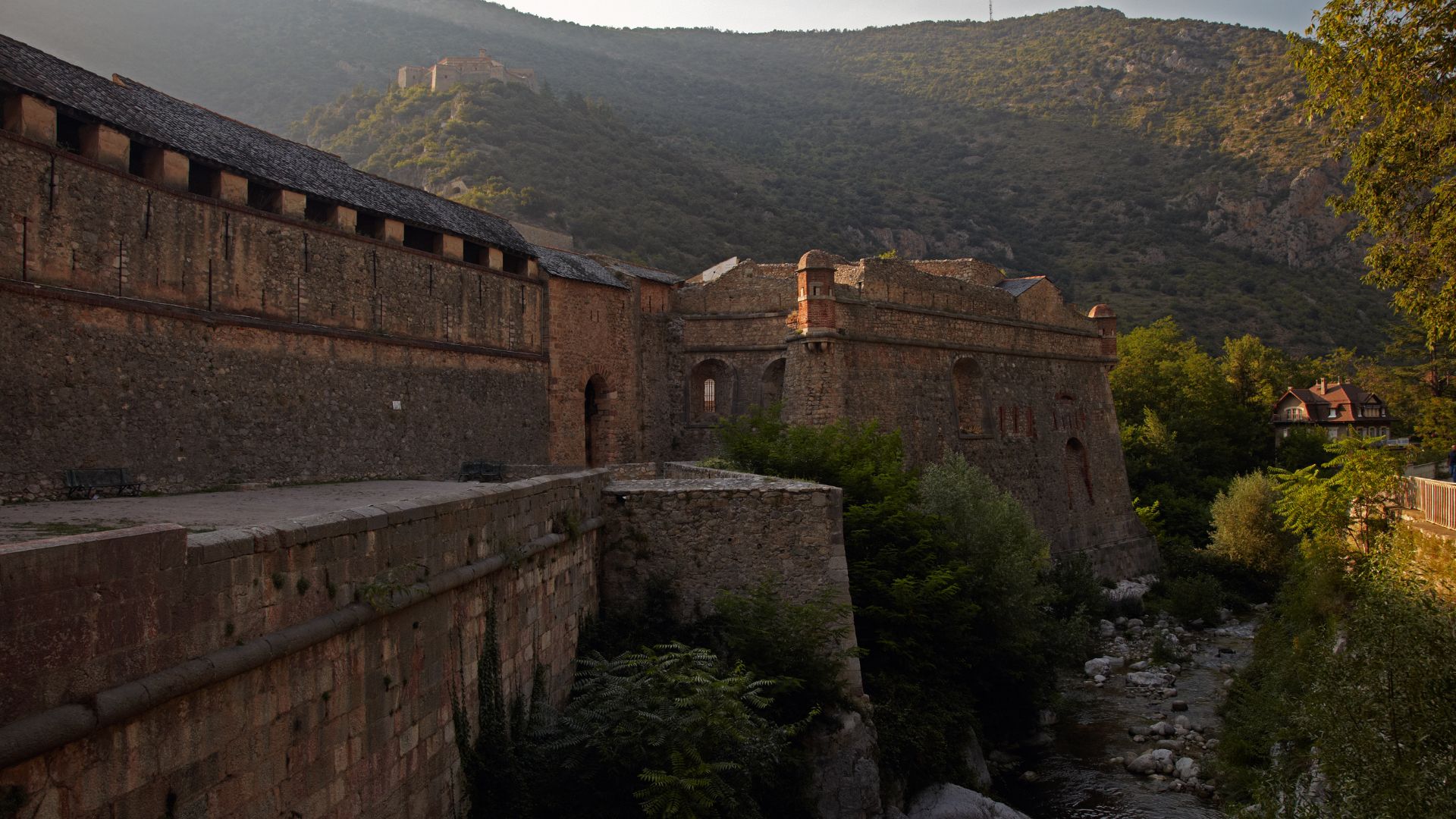
The ‘Little Yellow Train’ climbs through the Pyrenees on the highest tracks in France, reaching altitudes above 1,500 metres as it winds between Catalan villages that seem to have been forgotten by the 20th century entirely. The journey takes three hours to cover just 63 kilometres — which tells you everything about the gradients involved. In summer, open-air carriages let you feel the mountain air and photograph the vertiginous drops without glass in the way. The name supposedly derives from the pine cones passengers could gather when the old steam trains ran short of fuel; whether true or not, the pace remains leisurely enough that cone-gathering would be entirely feasible.
Train des Merveilles: Nice to Tende
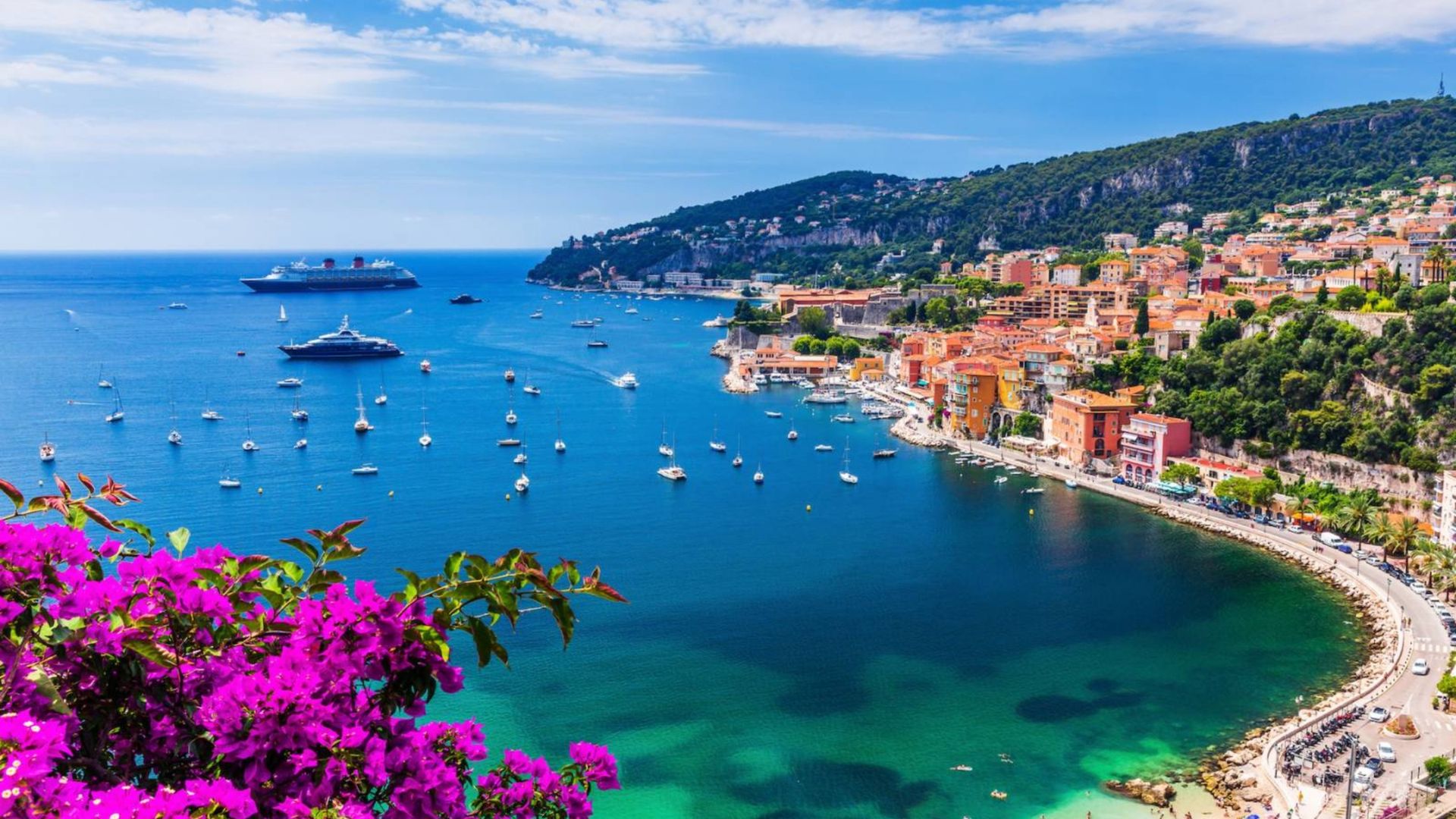
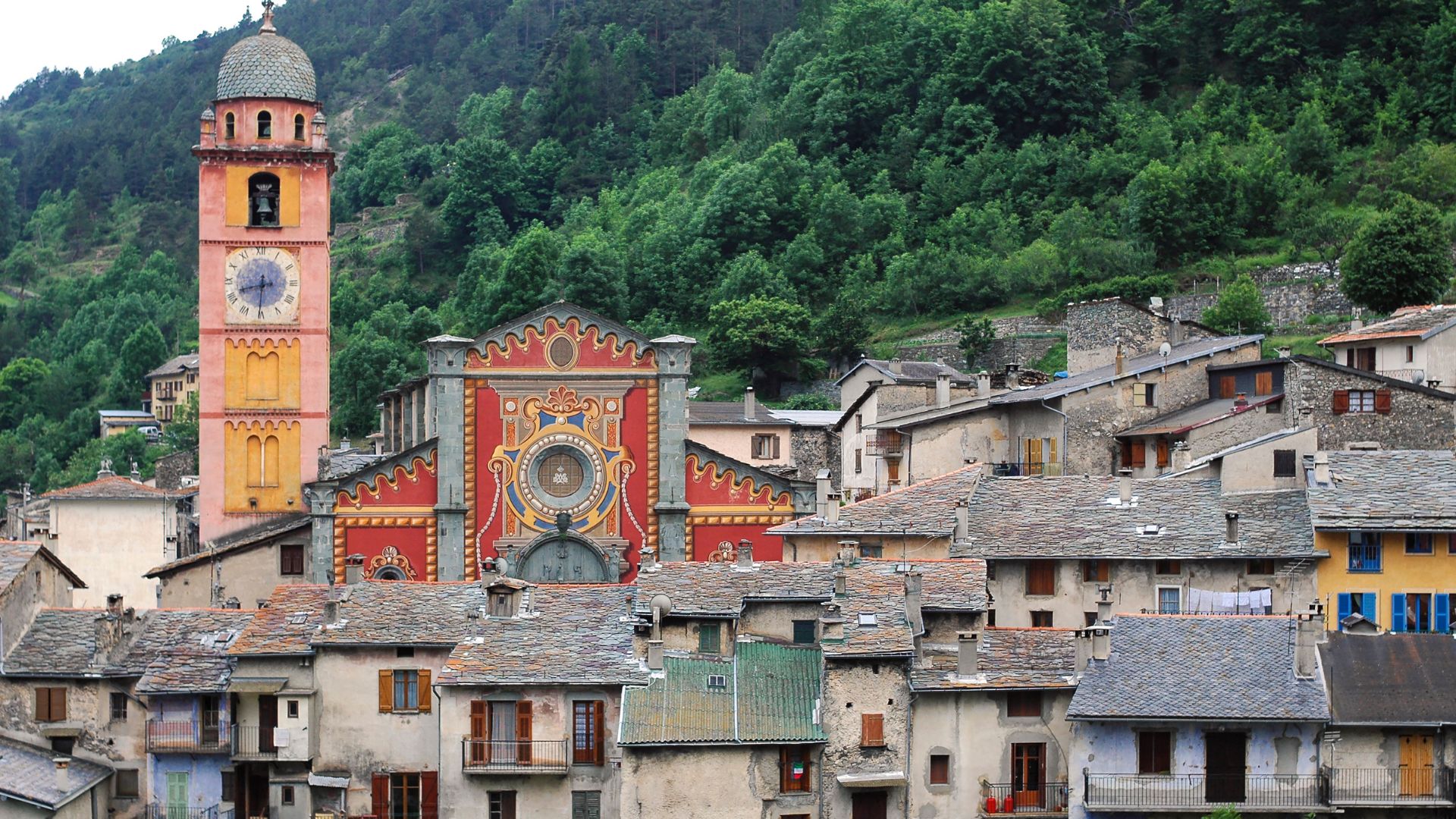
Starting among the palm trees of the Côte d’Azur and climbing into the Maritime Alps, the ‘Train of Wonders’ earns its name. The three-hour journey passes through the Mercantour National Park, past perched villages clinging to impossible slopes, through tunnels carved from living rock, and across viaducts that seem designed to test passengers’ faith in 19th-century engineering. The terminus at Tende, with its medieval centre and proximity to the Bronze Age rock carvings of the Vallée des Merveilles, makes a perfect overnight destination. This is the Riviera that the beach crowds never see.
The Loire Valley Line: Orléans to Le Croisic
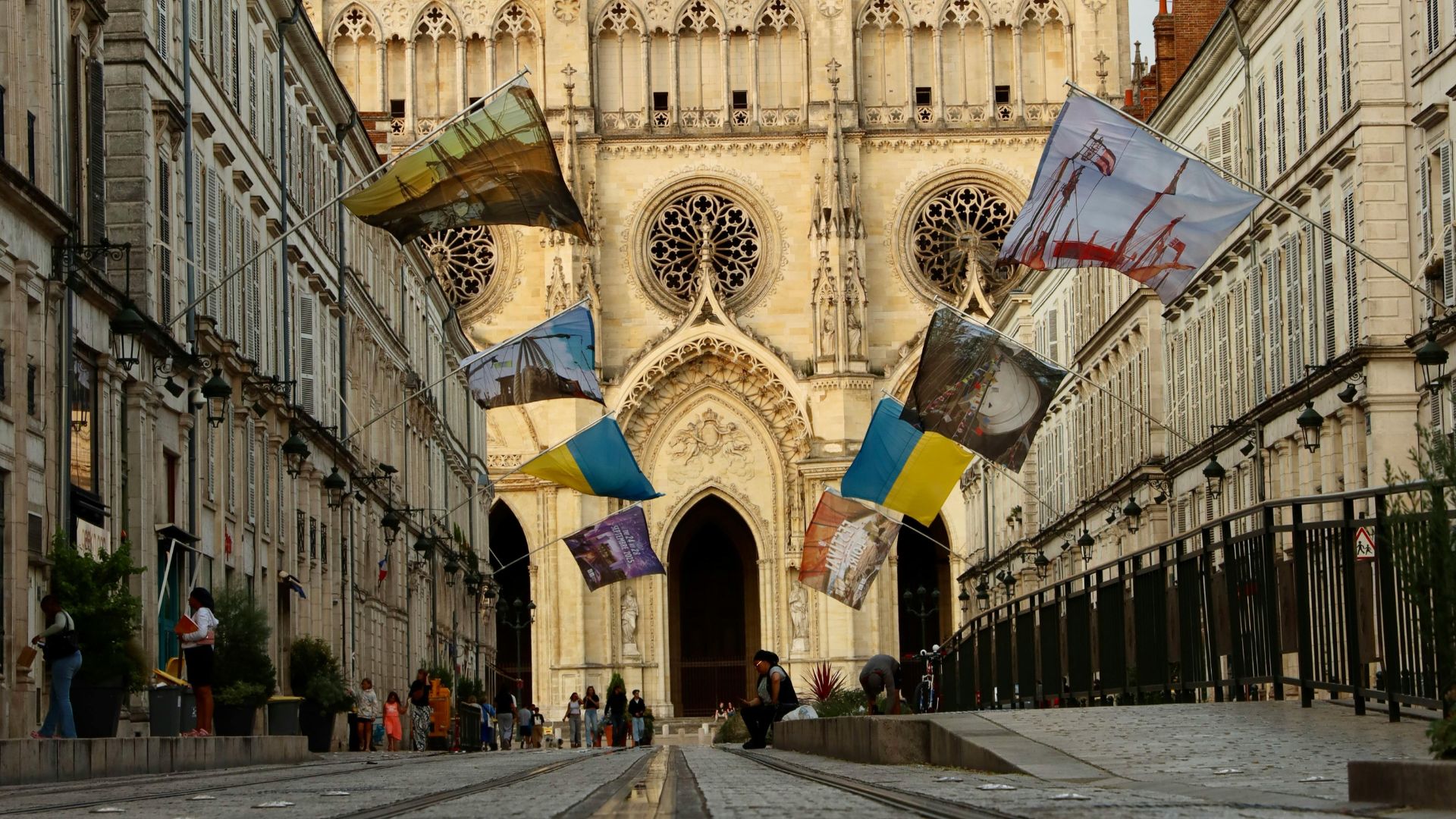
If the mountain routes offer drama, the Loire delivers grace. The Interloire service follows France’s longest river through a landscape of Renaissance châteaux, sunflower fields, and villages where winemaking has continued uninterrupted since Roman times. Azay-le-Rideau, the castle that inspired Sleeping Beauty, is visible from the tracks; Amboise, where Leonardo da Vinci spent his final years, warrants a stop. The line terminates at Le Croisic, a fishing port on the Atlantic where the salt marshes have been harvested for a thousand years. Four hours from Joan of Arc’s city to the ocean, and every kilometre a postcard.
Côte Bleue: Marseille to Miramas
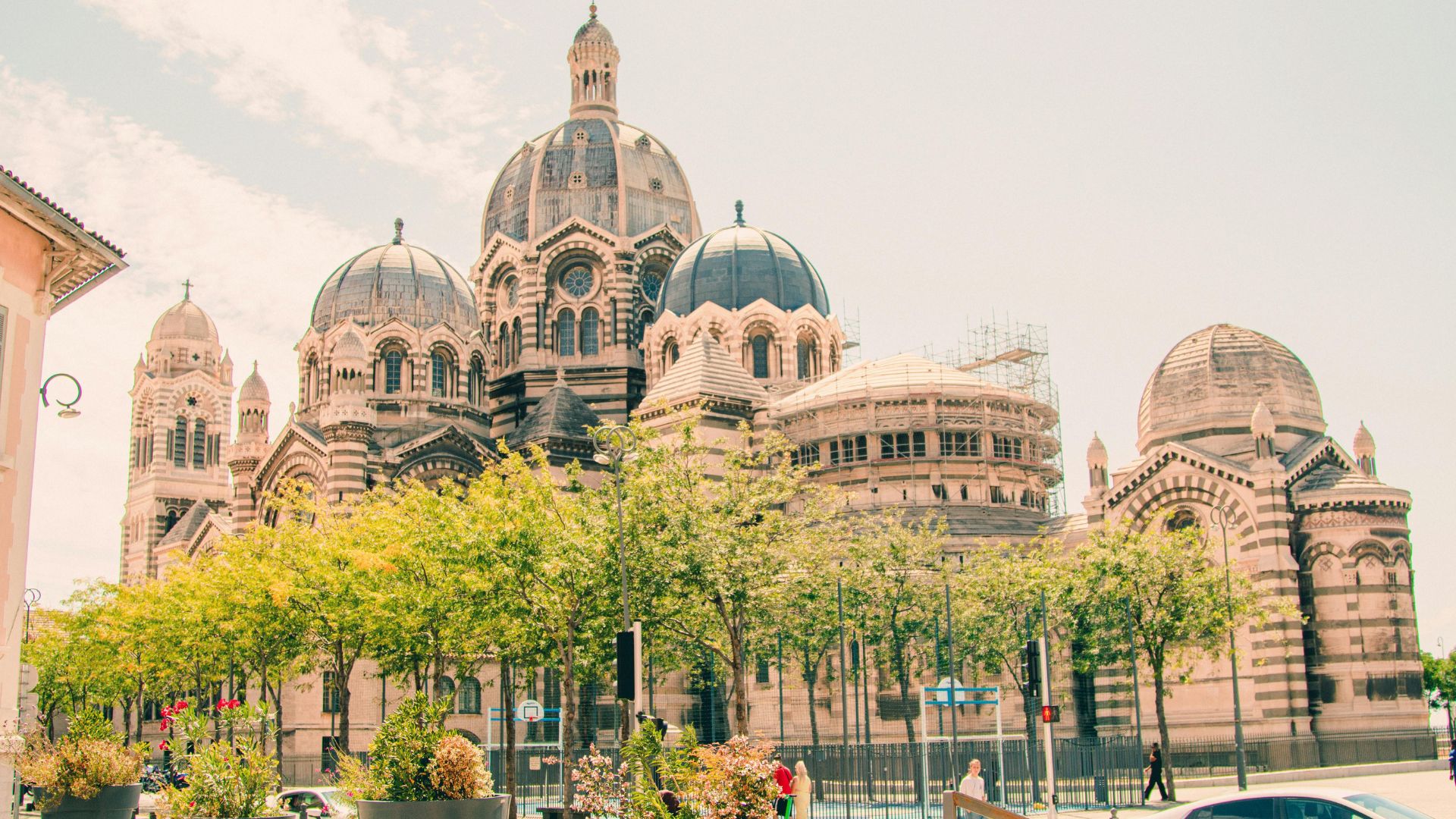
This short coastal hop west of Marseille is France’s answer to the Cinque Terre railway — without the crowds. The line hugs the Mediterranean through the calanques, those dramatic rocky inlets that punctuate the Provençal coast, passing fishing villages that feel decades removed from the bustle of Marseille just thirty minutes away. Disembark at Niolon for a swim in waters so clear you can count the fish, or continue to the lagoons around Miramas where pink flamingos gather. The journey itself takes barely an hour, but the views compress a lifetime of Mediterranean daydreams.
The High-Speed South: Paris to the Mediterranean
Not all great train journeys are slow ones. The TGV from Paris to Marseille covers 750 kilometres in just over three hours, which sounds efficient until you realise what that efficiency enables: breakfast in the Marais, lunch by the Vieux-Port. The train slices through central France at 320 kilometres per hour, the countryside a green blur, before the landscape suddenly Mediterranean-ises south of Lyon — terracotta roofs, cypress trees, that particular quality of light that painters chase. Continue to Nice and you have the entire French culinary and cultural spectrum available in a single day, with a comfortable seat and a power socket throughout.
Practical note: The SNCF website (sncf-connect.com) handles bookings for all French trains, including heritage lines. Eurail and Interrail passes cover most routes. For the scenic regional services, advance booking isn’t always necessary — but window seats go fast, and the difference between window and aisle on Le Cévenol is the difference between transportation and transformation.