
The Rhine and Moselle: A Wine Journey by Rail
Two weeks, two rivers, and approximately forty varieties of Riesling
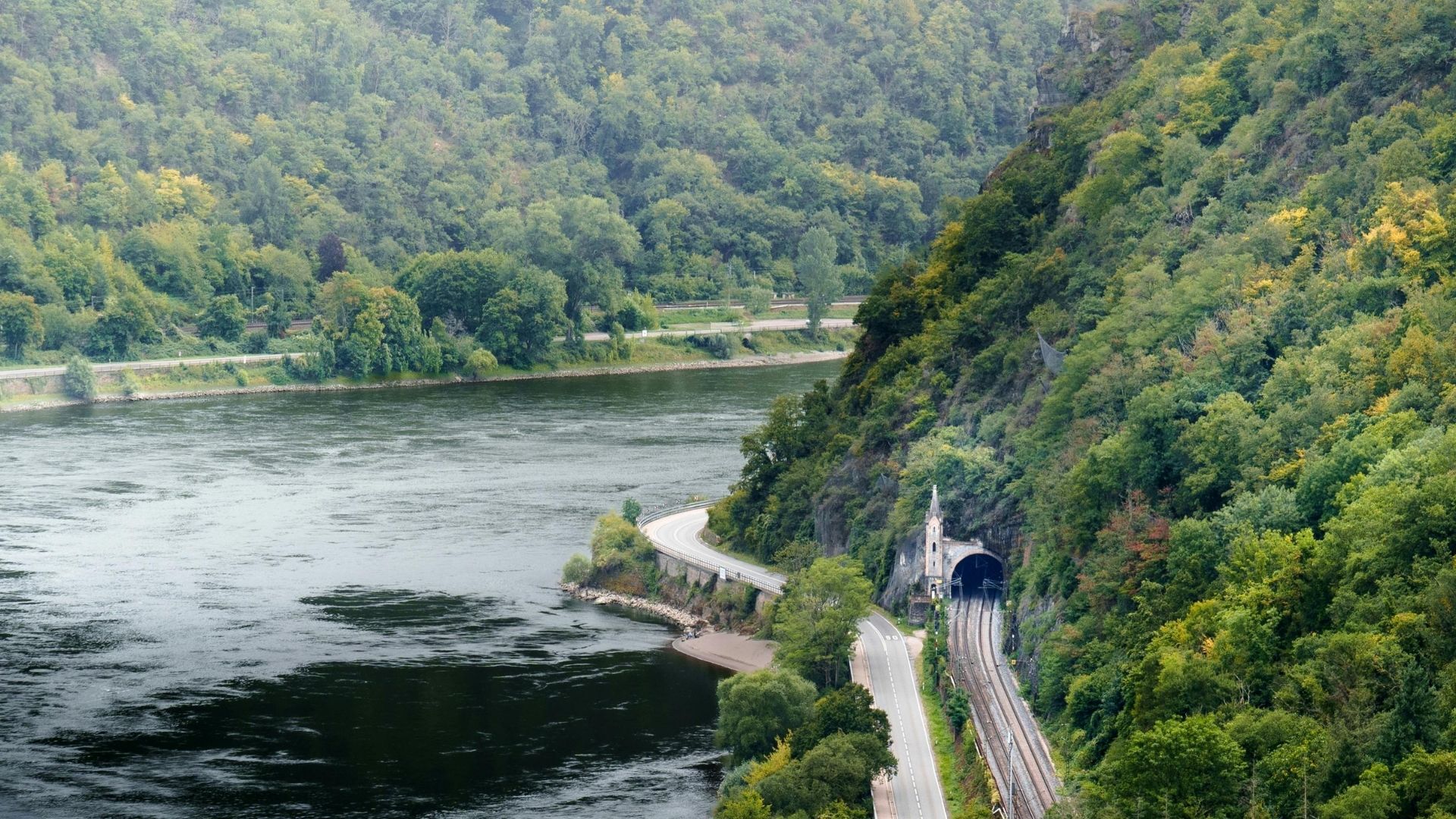
The train from Koblenz to Mainz takes an hour and costs about twelve euros, which seems absurd given what it offers. For sixty minutes, the tracks hug the western bank of the Rhine while the river performs its greatest hits: castle after castle crowning impossible cliffs, vineyards climbing slopes so steep they require ladders, villages that look like someone designed them specifically for postcards.
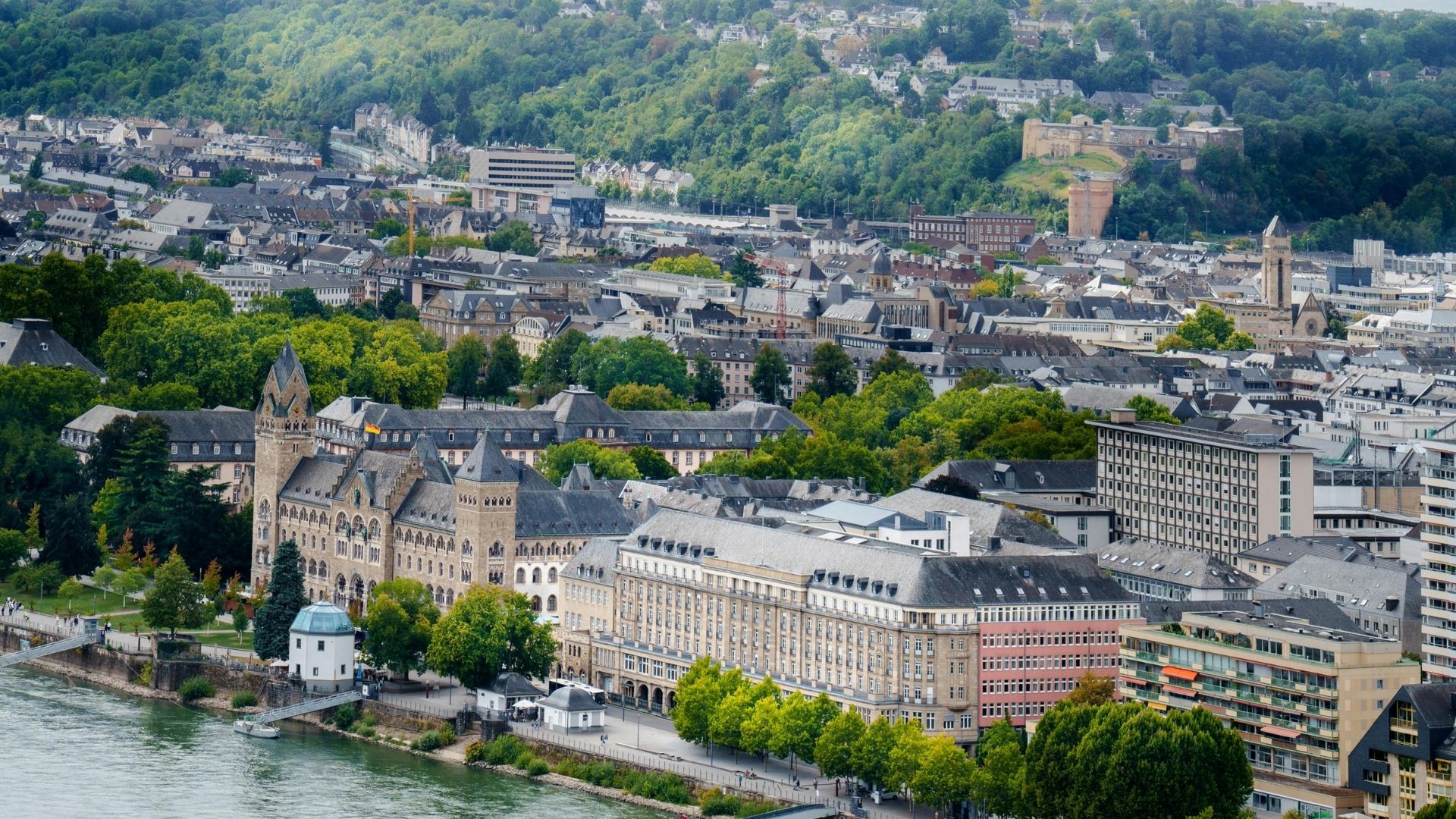
This stretch of the Rhine — the Middle Rhine, between Koblenz and Bingen — is a UNESCO World Heritage site, and for once the designation feels inadequate. The valley has been a trade route for two thousand years, which means two thousand years of wine cultivation, castle building, and the particular prosperity that comes from controlling a river. The results line both banks: the Lorelei rock where sirens supposedly lured sailors to their deaths, the Marksburg perched above Braubach, Burg Rheinfels in ruins above St Goar.
I had two weeks for the wine regions of western Germany: the Rhine, the Moselle, and whatever detours presented themselves. The plan was deliberately loose — book the first and last nights, let the wine determine the rest. German trains run with legendary punctuality; German wineries expect visitors; the only real decision was which station to disembark at, which hillside to climb, which Riesling to drink first.
Days One to Four: The Rhine Valley
I started in Mainz, which makes no sense geographically but perfect sense for wine. The city is the capital of Rhineland-Palatinate, Germany’s largest wine-producing state, and treats viticulture with the seriousness it deserves. The wine museum in the former Dalberger Hof palace traces two thousand years of regional winemaking; the narrow streets of the old town hide Weinstuben (wine taverns) where locals have been drinking since the Romans.
From Mainz, I took the slow train upstream, past Bingen where the Rhine makes its dramatic turn north, past the Niederwald monument and its bombastic Germania statue, past Bacharach, which might be the prettiest village in Germany and knows it. I stopped at Oberwesel for the afternoon — two kilometres of medieval walls still intact, fourteen of the original sixteen towers still standing, and a Weinstube by the river where the landlord insisted I try his cousin’s Spätburgunder.
The Rheingau, the stretch between Wiesbaden and Rüdesheim, is where German wine gets serious. This is Riesling country, and has been since the Cistercians planted the first vines at Kloster Eberbach in the 12th century. The monastery still operates as a winery; the film crew of The Name of the Rose used it as a location; the tasting room serves wines that justify every award.
Days Five to Nine: The Moselle
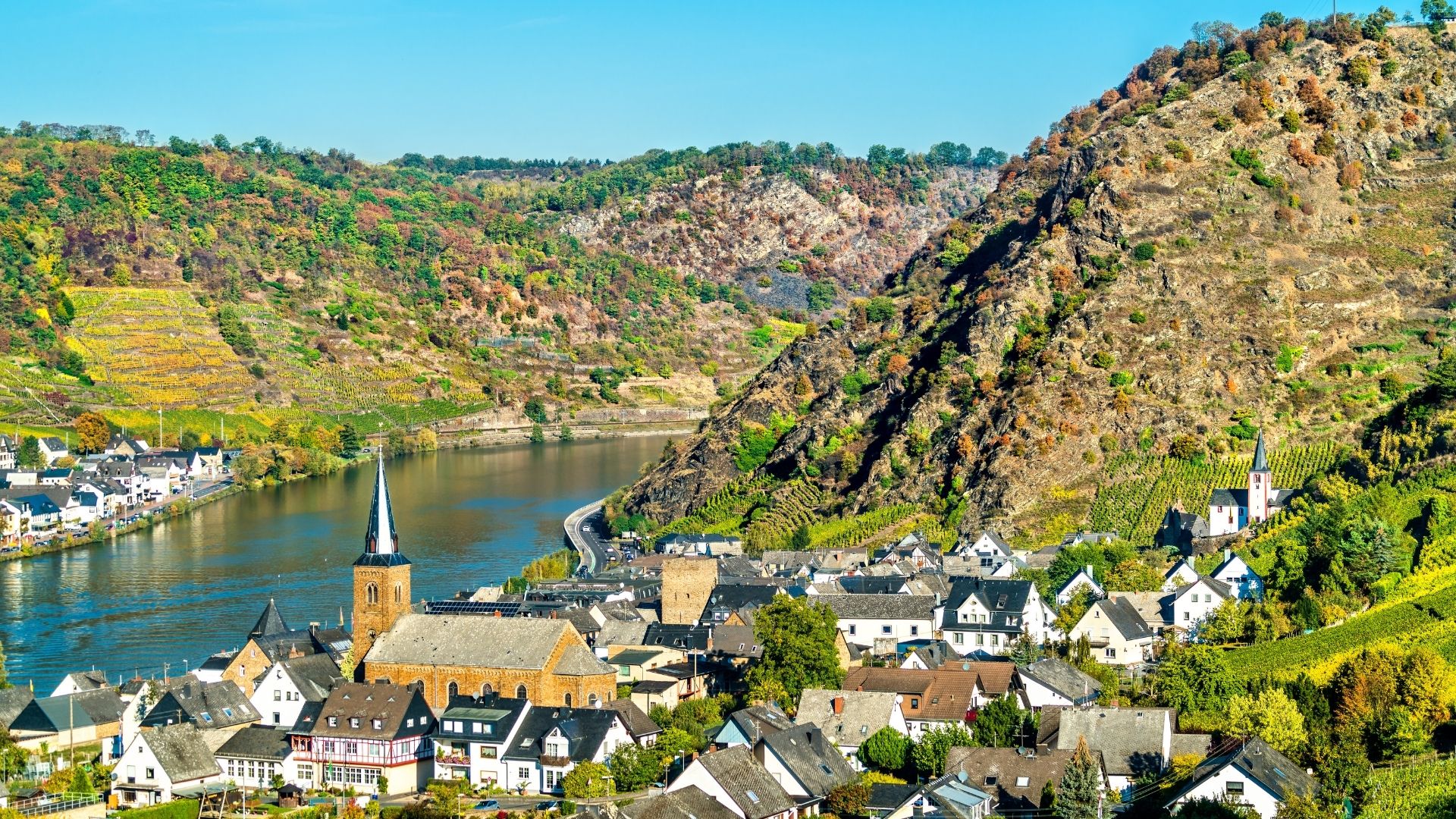
The Moselle is the Rhine’s gentler cousin — less dramatic, more intimate, arguably better wine. The river winds in extraordinary loops through slate-soiled hills, creating microclimates that Riesling loves. The vineyards here are among the steepest in the world; some can only be worked by hand, using winches and cables to haul grapes down slopes that approach seventy degrees.
I based myself in Bernkastel-Kues, which has the advantage of a beautiful old town, excellent restaurants, and walking access to some of the region’s most celebrated vineyards. The Bernkasteler Doctor, a single vineyard above the town, produces wines that command extraordinary prices; you can taste them at Weingut Dr. Thanisch, where the family has been making wine since 1636.
The Moselle experience is different from the Rhine — smaller scale, more personal, less touristy. Many wineries operate from family homes, where the tasting room is the living room and the winemaker’s grandmother might bring cake. I visited six or seven over three days, losing track of which Spätlese was from which producer but maintaining a detailed record of favourites.
Days Ten to Fourteen: The Tributaries
The Ahr valley, north of Koblenz, came as a surprise. This tiny region specialises in red wine, specifically Spätburgunder (Pinot Noir), which seems improbable at this latitude. The 2021 floods devastated the valley, but the wineries have rebuilt with characteristic determination. The Nahe, another Rhine tributary, offered a final detour — the region produces everything from bone-dry Riesling to sweet eiswein, at lower prices than the famous neighbours.
Frankfurt airport is less than an hour from any of these regions, which makes the wine journey absurdly accessible. I flew home with a case of mixed bottles in checked luggage (airlines allow this, remarkably) and a list of producers to order from. The trip had cost less than a week in France would have, delivered better value, and introduced me to wines that British supermarkets don’t stock but absolutely should.
Practical Information
Getting There: Frankfurt airport is the gateway. Direct trains reach Mainz (25 minutes), Koblenz (1.5 hours).
Rail: The €49 Deutschland-Ticket provides unlimited regional train travel for a month — extraordinary value.
Budget: Wine region hotels £80-150/night. Dinner with wine £40-60. Winery tastings often free or £5-15. Exceptional value compared to France.