
The Outback: Learning to Love the Empty
The Australian outback occupies seventy percent of the continent and approximately zero percent of most visitor itineraries. This is understandable: the outback is hot, dry, far from everything, and contains very little of the comfortable infrastructure that tourism usually requires. It is also — and this takes time to appreciate — extraordinarily beautiful in ways that reveal themselves slowly, if you are patient enough to look.
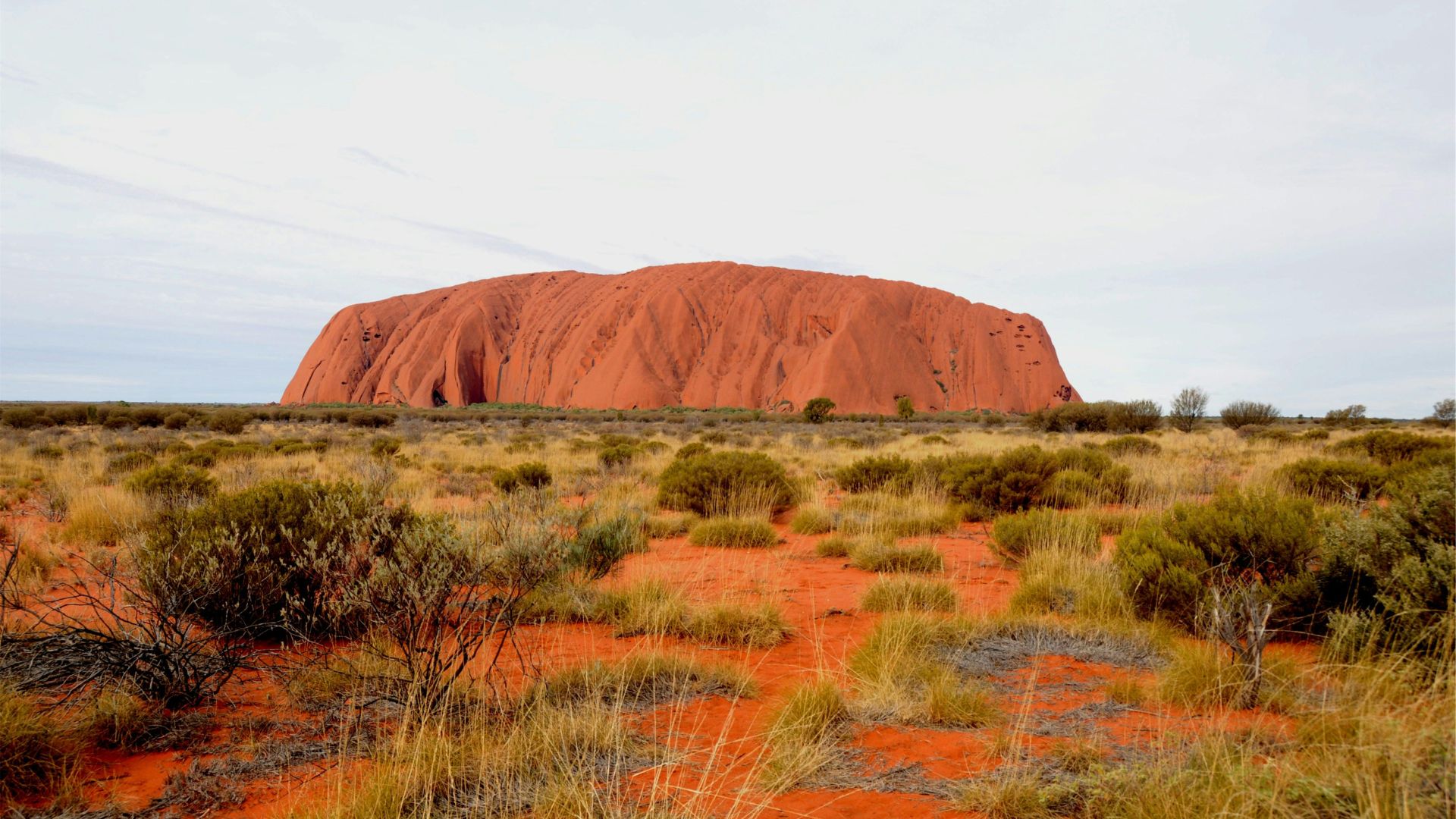
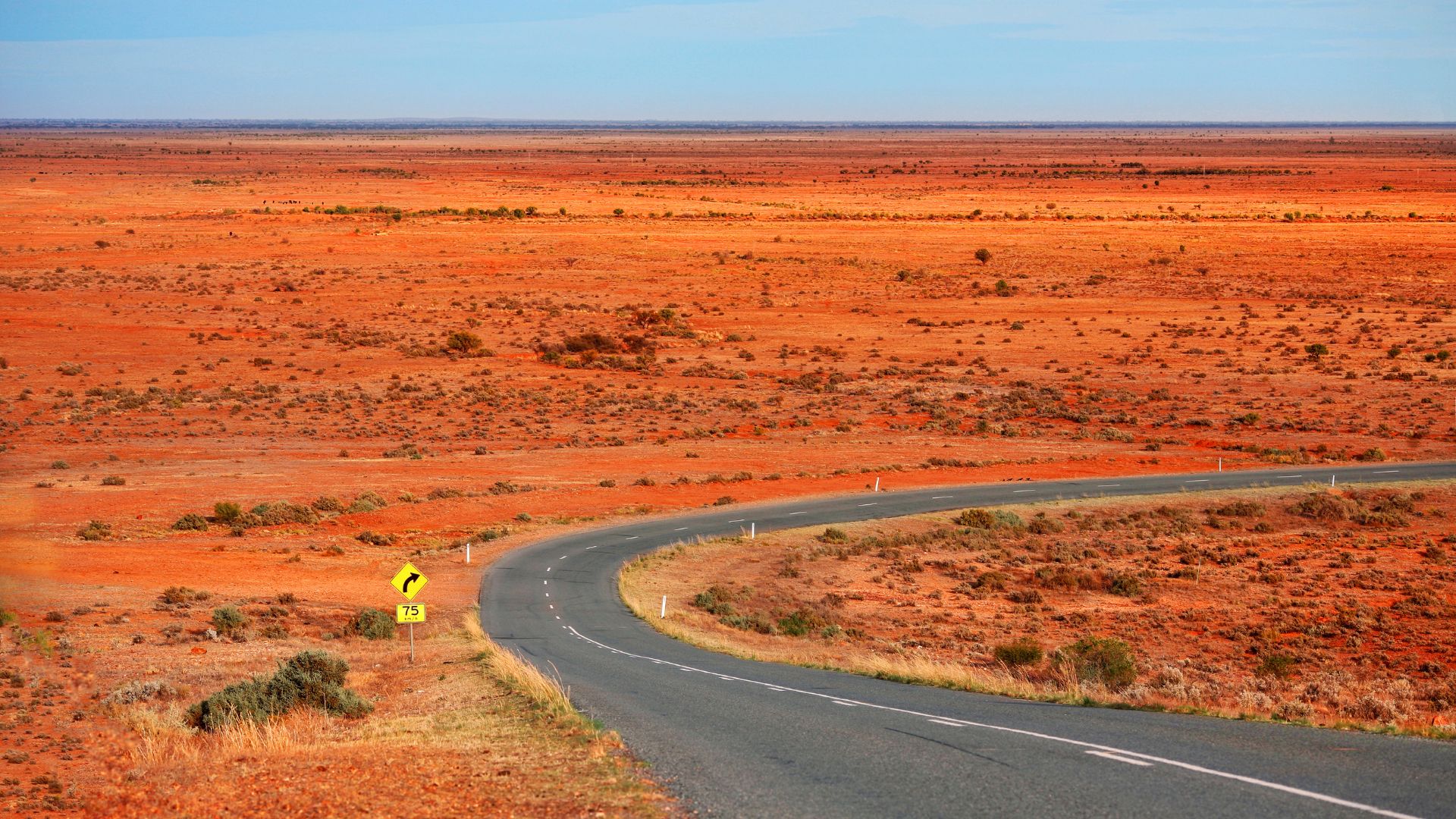
The Red Centre around Uluru is the accessible version: fly in, stay at a luxury lodge, experience the icons, fly out. This works and is recommended, but it provides outback as spectacle rather than outback as landscape. The difference emerges on the drives between places — the five hours from Alice Springs to Uluru, the roads through the MacDonnell Ranges, the vast empty stretches where the only movement is a wedge-tailed eagle circling above.
Further from the icons, the outback reveals different character. The Flinders Ranges in South Australia provide ancient geology and Indigenous history without the tourist infrastructure of the Centre. The Kimberley in Western Australia — accessible only in dry season and only by four-wheel-drive or expensive flight — is wilderness on a scale that makes the American West seem tame. And the stations (ranches) that cover areas larger than small countries occasionally welcome guests willing to experience working outback life.
The qualities that define outback experience are absence and presence. The absence is obvious: no crowds, no infrastructure, no mobile signal, no reassuring signs of civilisation. The presence is harder to articulate — the weight of geological time, the impossibility of the horizon, the silence that is not empty but filled with small sounds you learn to hear. Visitors accustomed to European landscapes, where human history shapes every view, find the adjustment difficult. The outback does not care about human presence; it exists on timescales that make history irrelevant.
Practical outback advice: do not underestimate distances, do not drive at night (wildlife), do not travel in summer (temperatures exceed 45 degrees Celsius), and do not assume your phone will work. The luxury approach — guided tours, station stays, remote lodges — provides safety and expertise that self-guided travel cannot. The reward is an Australia that most visitors never see: older, stranger, and more powerful than the coastal cities that most itineraries emphasise. The outback is not for everyone. For those it suits, nothing else compares.