
The Other Austria: Beyond the Greatest Hits
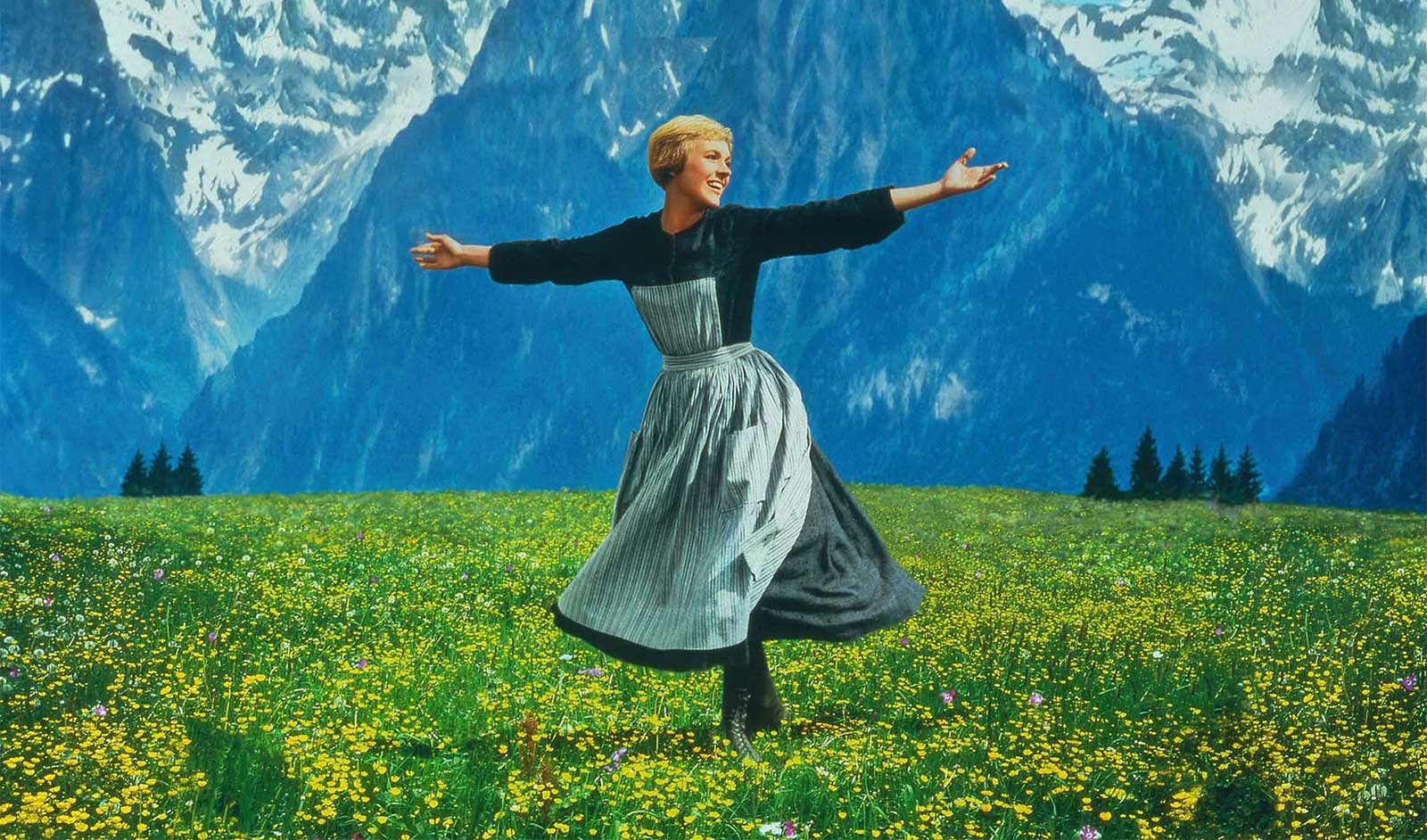
Mozart and The Sound of Music are fine. But Austria has deeper layers for those willing to look.
The Coffee House as Philosophy
Vienna’s coffee houses aren’t cafés. They’re institutions with rules, rituals, and a UNESCO Intangible Cultural Heritage inscription to prove they matter. The basic deal: buy one coffee, occupy a table for as long as you like. Newspapers on wooden poles. Glass of water served automatically. Waiters in formal dress who treat you with professional disdain that somehow feels like respect.
The tradition emerged in the 18th century as Vienna’s public living rooms — places where writers, artists, revolutionaries, and assorted oddballs could gather, argue, and exist outside the private sphere. Trotsky plotted revolution at Café Central. Freud developed psychoanalysis over coffee at nearby establishments. The entire modernist movement in literature, art, and music was essentially conceived in these rooms.
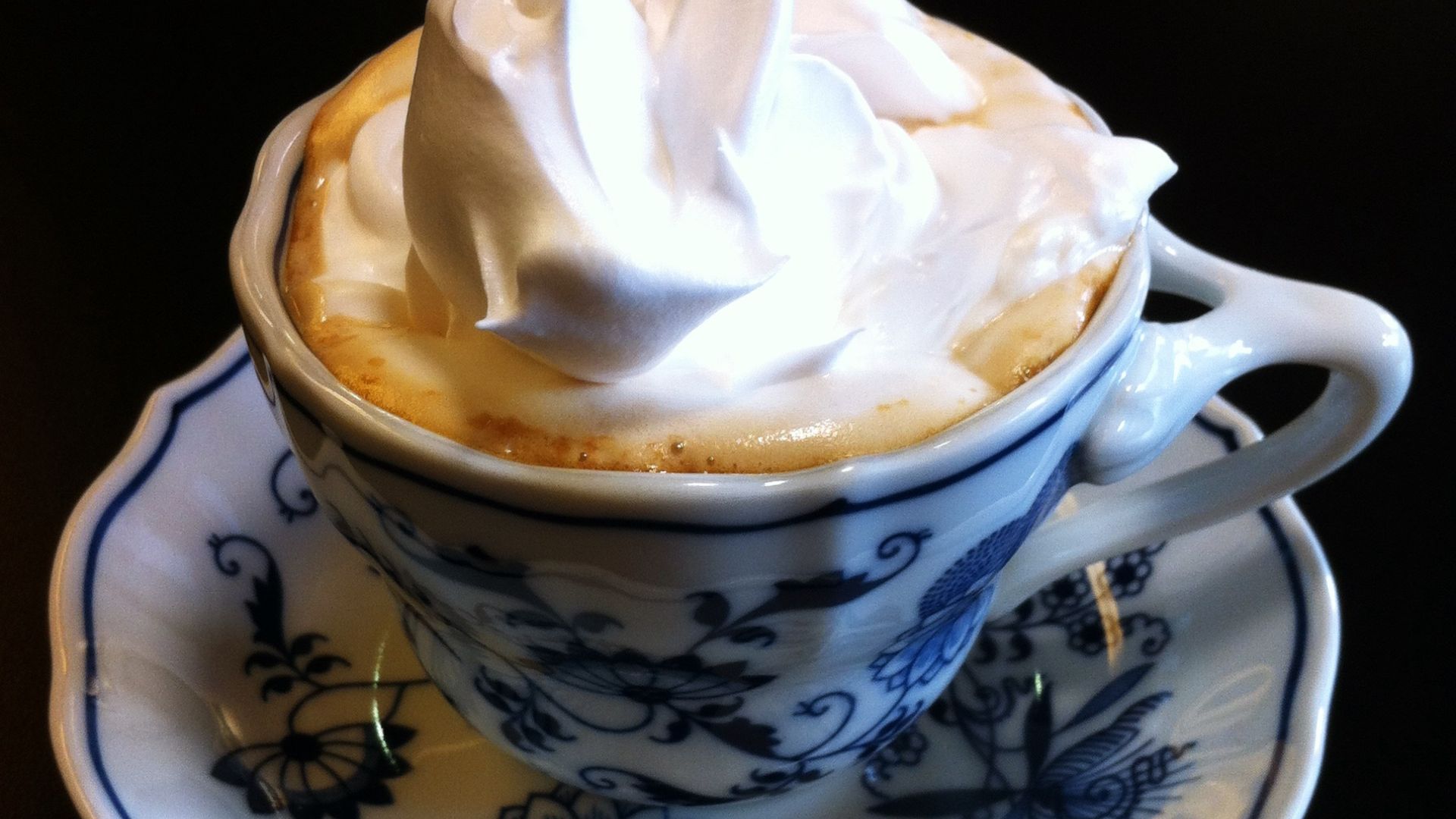
The coffee menu deserves study. A Melange is roughly a cappuccino. A Verlängerter is an Americano. An Einspänner is espresso topped with whipped cream, served in a glass. A Fiaker adds rum. Order wrong and the waiter will correct you; order right and the same waiter will still seem unimpressed. This is also part of the experience.
The essentials: Café Central (grand, touristed, historically significant), Café Sperl (more local, beautiful interior), Café Hawelka (artistic crowd, late-night), Café Prückel (1950s time capsule). Avoid anywhere that doesn’t have the traditional elements — marble tables, wooden chairs, that specific atmosphere of cultivated idleness.
Yodelling is Real (And You Can Learn)
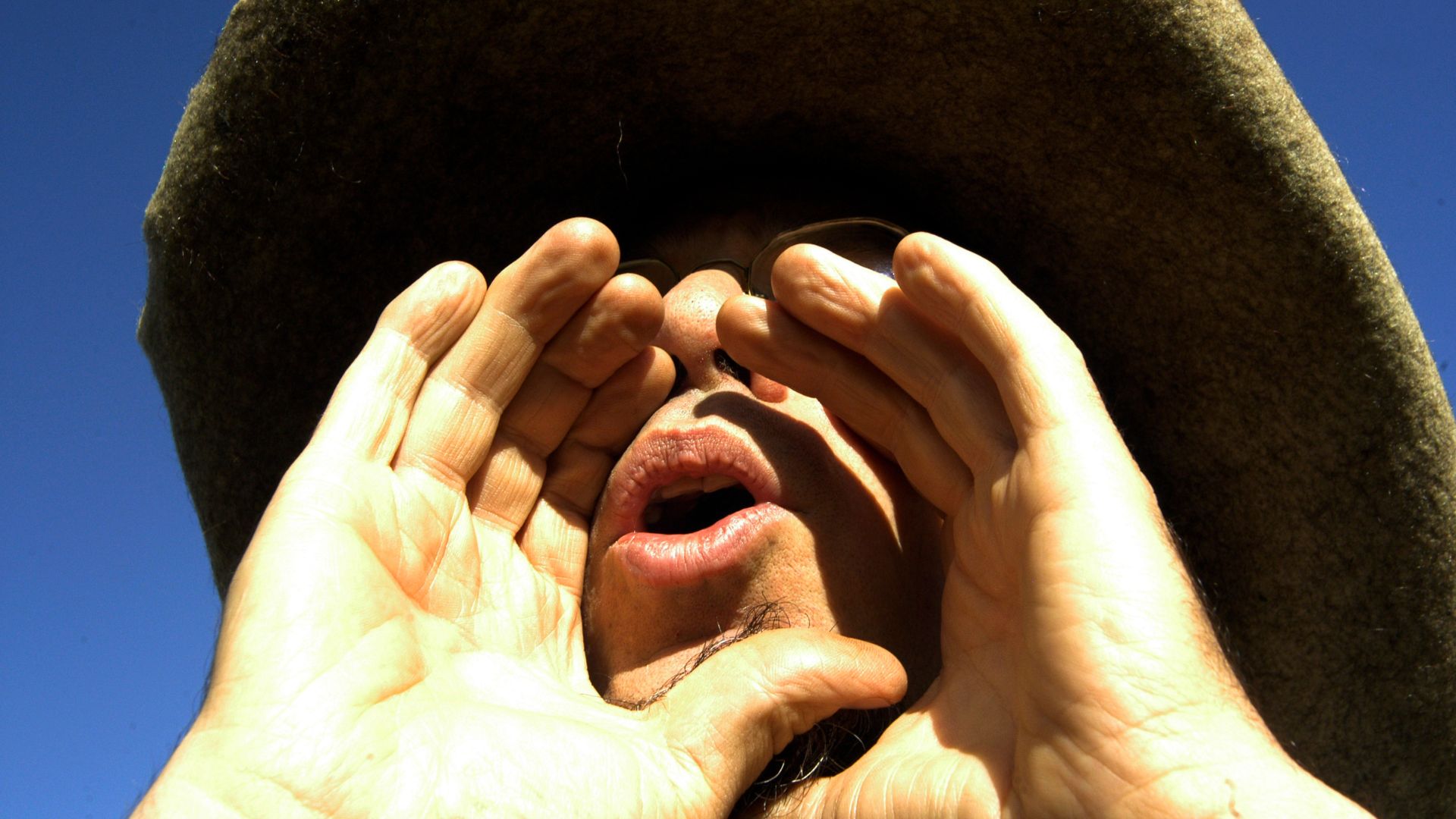
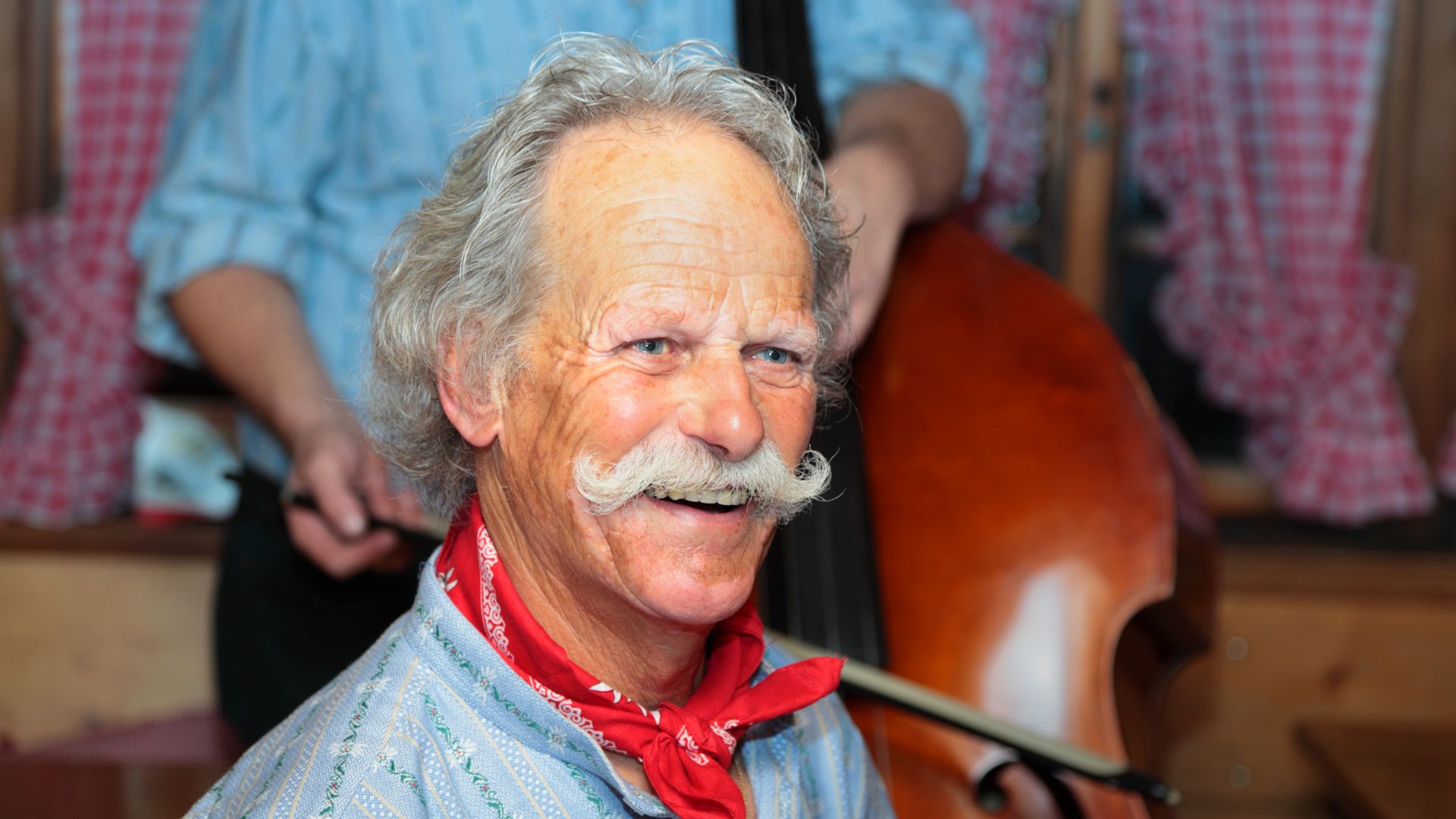
Yes, people actually yodel. No, it’s not a joke. In the Alpine regions — particularly the Tyrol and Salzburg state — yodelling remains a living tradition, performed at festivals, in mountain huts, and occasionally in late-night bars when someone has had enough schnapps.
The technique developed as a form of communication across Alpine valleys — the rapid alternation between chest voice and head voice carrying further than normal speech. Over centuries it evolved into a genuine art form with regional styles, competitive festivals, and serious practitioners who’ve trained since childhood. The sound, when done well, is hauntingly beautiful: lonely, echoing, connected to landscape in ways that studio music can never achieve.
Tourist boards have capitalised on this. You can book yodelling workshops in Innsbruck, Mayrhofen, and various Tyrolean villages. They’re not as embarrassing as they sound. The instructors take it seriously; you’ll learn something real; and there’s something liberating about standing on a mountain and making noises that would get you sectioned anywhere else.
Vienna’s Art Nouveau: When the Future Looked Different
In 1900, Vienna was the world capital of modernism. Not Paris, not London, not New York — Vienna. This was where Freud invented psychoanalysis, Mahler reinvented the symphony, and architects like Otto Wagner and artists like Gustav Klimt created an aesthetic so radical that the establishment tried to shut them down.
The Secession Building — that white cube with a golden dome of gilded laurel leaves — announced the revolution. ‘To every age its art, to art its freedom,’ reads the inscription. Inside, Klimt’s Beethoven Frieze remains: a 34-metre artwork created for a single exhibition in 1902, never meant to survive, now preserved as one of art nouveau’s defining statements.
Otto Wagner’s work is everywhere if you know where to look. His Stadtbahn stations — particularly the Karlsplatz pavilions — transformed public transport into architectural art. His Kirche am Steinhof, a church for a mental hospital on the city’s edge, combines Jugendstil decoration with proto-modern functionality. His Postsparkasse (postal savings bank) anticipated everything that modernism would become.
Do this: Start at the Secession Building (don’t miss the Klimt downstairs), then walk to Karlsplatz to see Wagner’s stations. The Belvedere has the world’s best Klimt collection (including The Kiss). For deep-cut Wagner, take the bus to the Kirche am Steinhof — the interior, on a sunny day, is transcendent.
The Classical Music Question
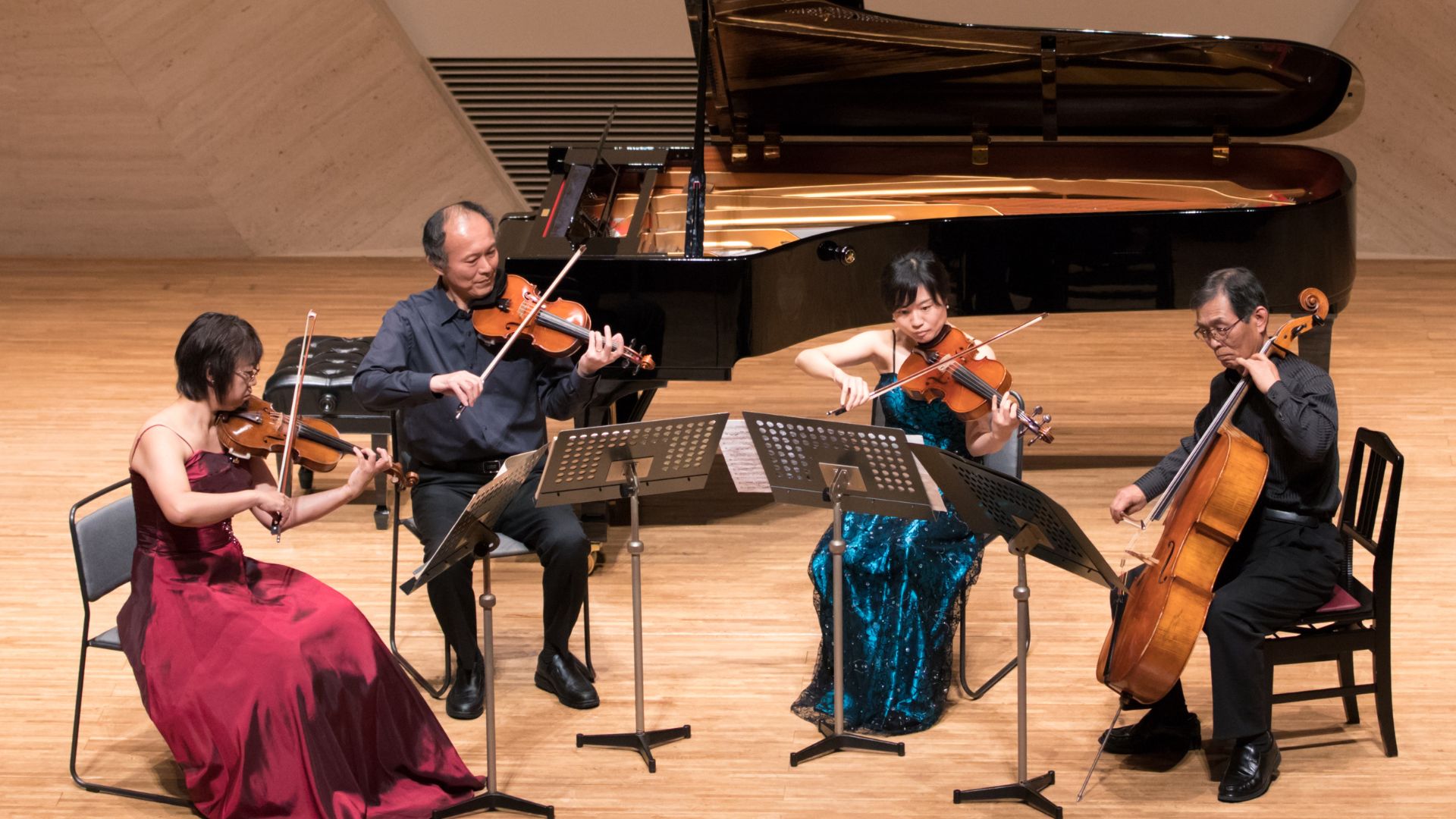
Here’s the thing about classical music in Vienna: it’s real. The Vienna Philharmonic is genuinely one of the world’s best orchestras. The State Opera stages performances almost every night. The tradition of Mozart, Beethoven, Schubert, Brahms, Mahler — it happened here, in these buildings, on these streets. If classical music matters to you at all, Vienna delivers at a level nowhere else can match.
The accessibility is the surprise. Standing room at the State Opera costs €15-20, sold on the day of performance. You queue for a couple of hours, you get a spot in the gods, you stand through three hours of Verdi or Wagner or Strauss in one of the world’s great opera houses. Is it comfortable? No. Is it authentic? Absolutely. Generations of students, artists, and obsessives have done exactly this.
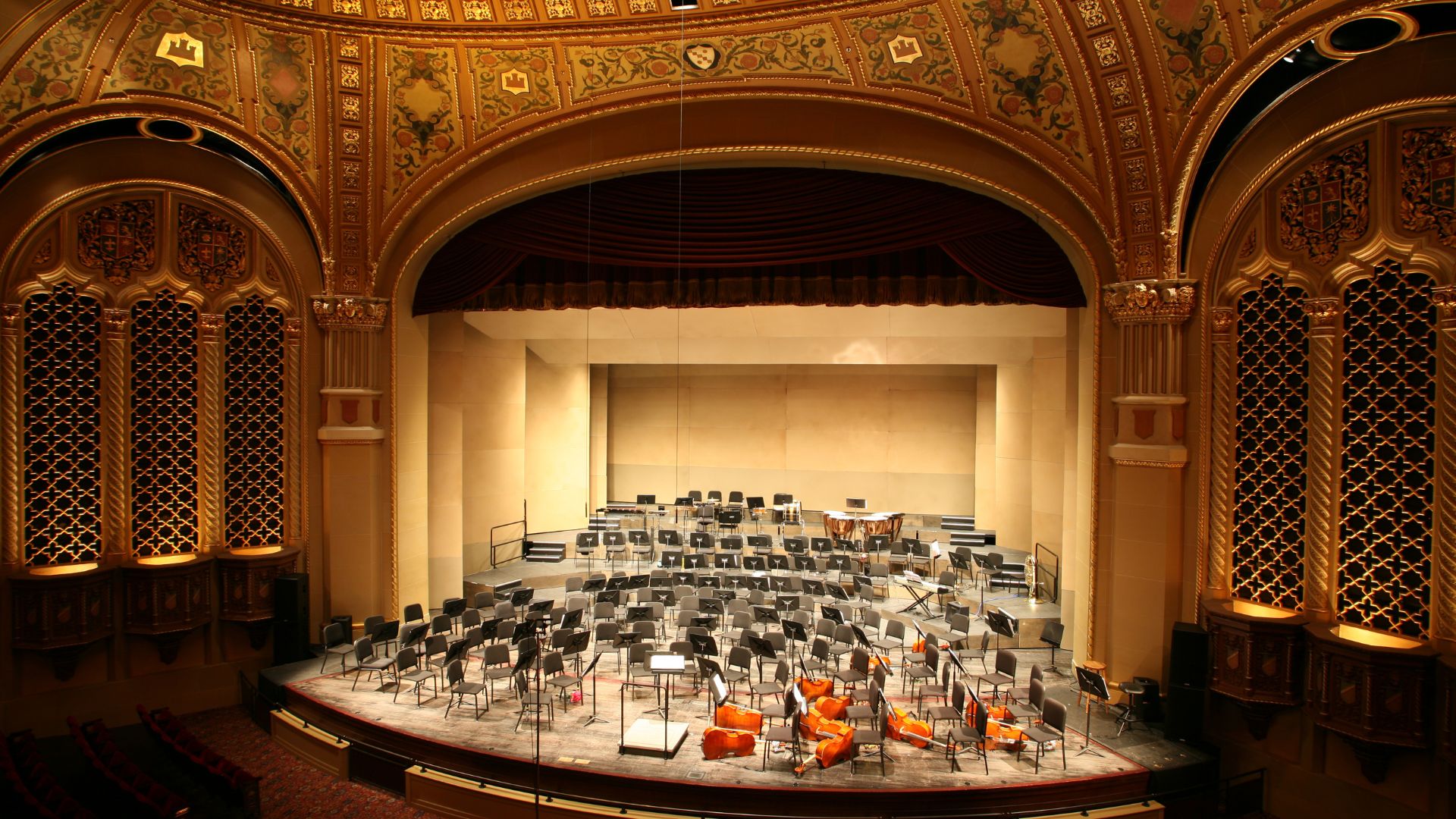
The Musikverein, home of the Vienna Philharmonic and the annual New Year’s Concert, is harder to access but not impossible. Tickets for non-subscription concerts appear on their website. The hall itself — the Golden Hall — is acoustically perfect and visually absurd, all gilded caryatids and ceiling paintings. Even if you think you don’t care about classical music, hearing it here might change your mind.
Avoid: The guys in Mozart costumes selling concert tickets in the tourist areas. These ‘Mozart concerts’ are tourist factories — mediocre musicians playing greatest hits in hired halls. If you want classical music, go to the actual institutions. They’re not much more expensive and infinitely better.