What happens when the sun refuses to set, and why you should witness it
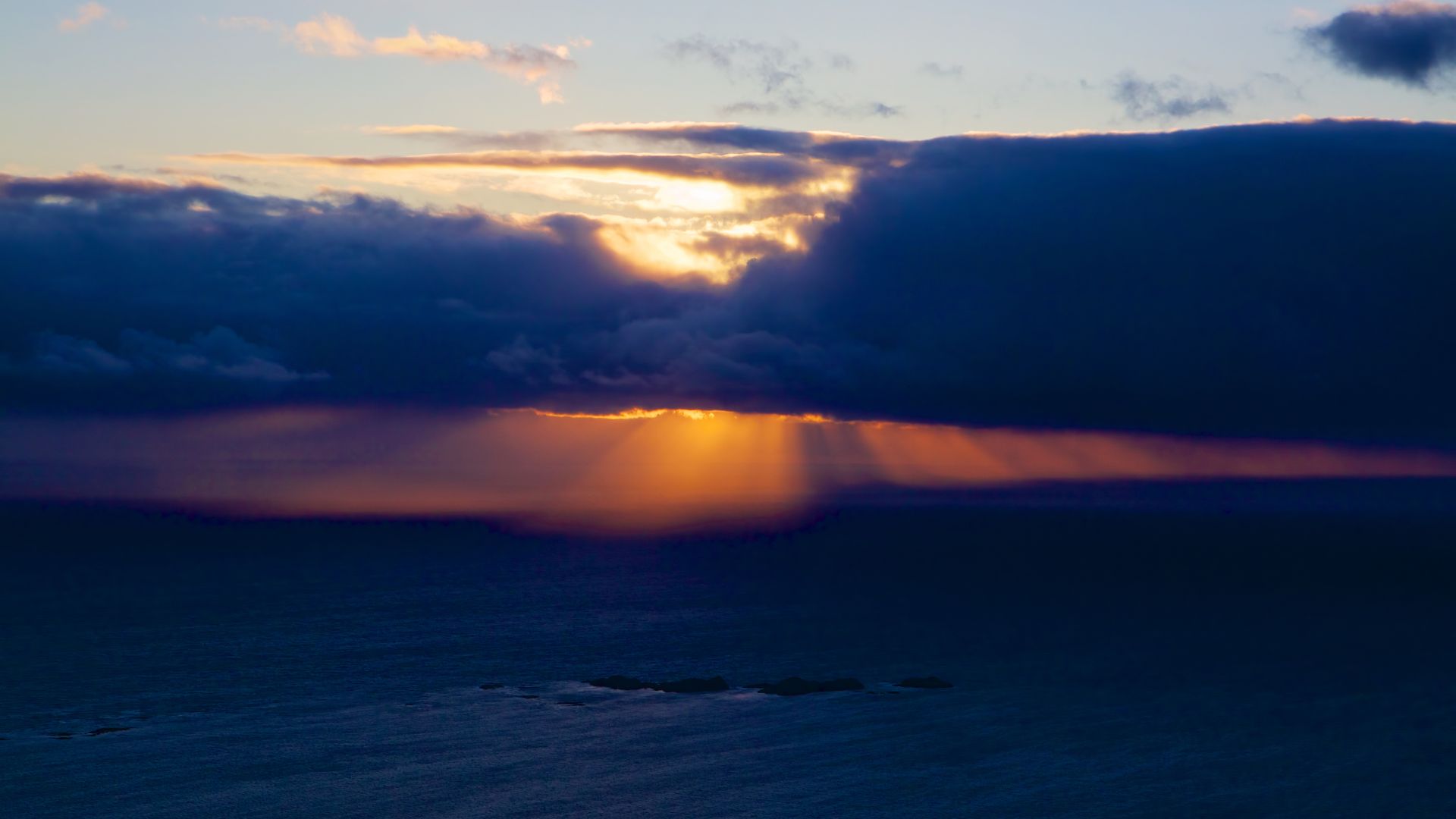
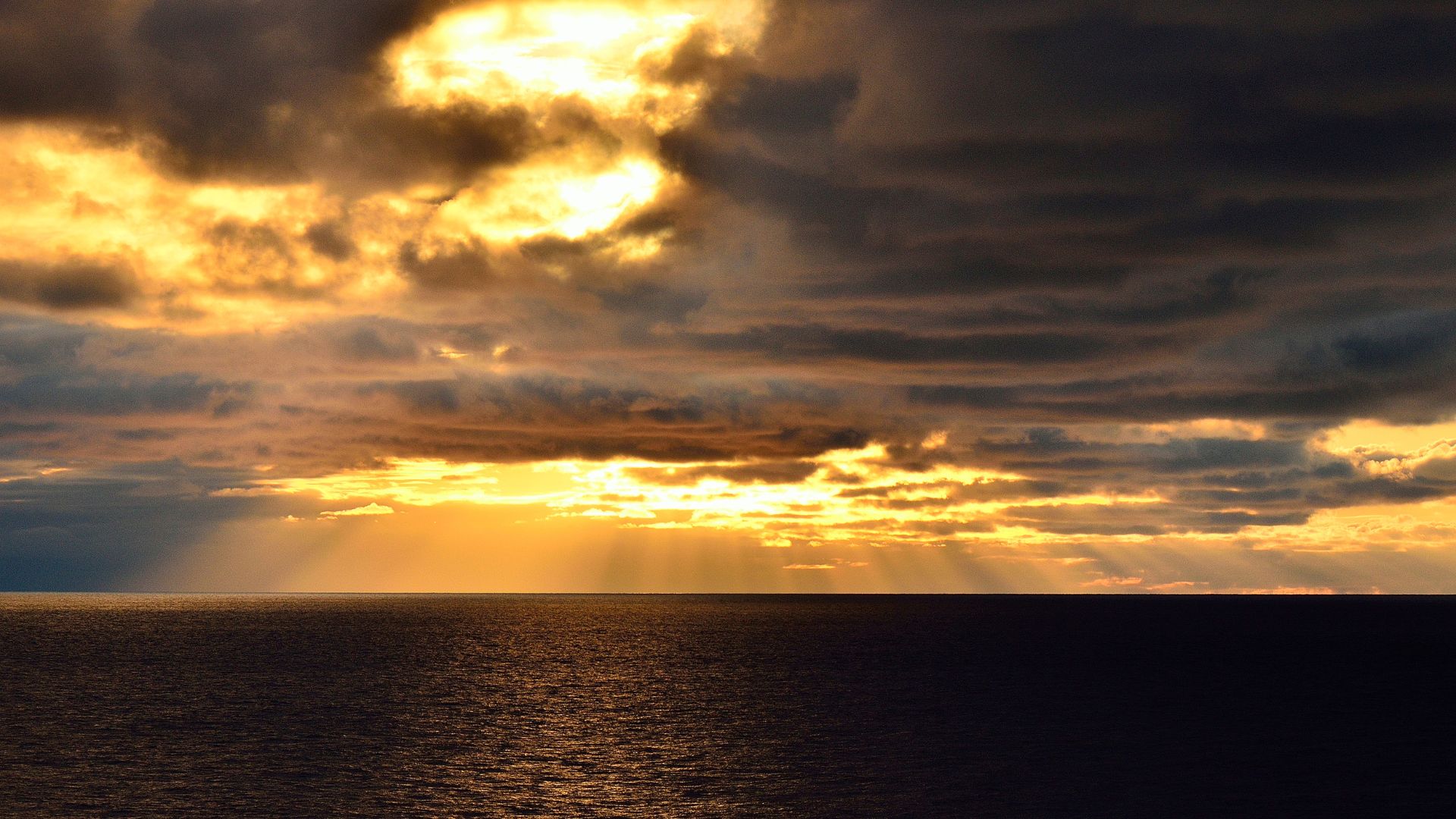
North of the Arctic Circle, from mid-May to late July, the sun does not set. This is not metaphor or exaggeration: for weeks at a stretch, daylight is constant. The sun dips toward the horizon around midnight, pauses, and rises again without ever disappearing. The first time you experience it, you will look at your watch and not believe it.
The effects are strange and cumulative. Sleep patterns disrupt; your body doesn’t understand why you’re still awake. Energy levels surge and crash unpredictably. The light — that famous Arctic light, soft and golden even at midnight — makes everything beautiful in ways that feel slightly unreal. Photographers become obsessed; everyone else becomes disoriented.
Norwegians embrace midsummer with particular enthusiasm, having spent half the year in darkness. The Midsummer’s Eve celebration (Sankt Hans, June 23rd) brings bonfires to every beach and hillside in the country, with parties that continue until morning — or what would be morning if morning meant anything. In the north, where the sun literally never sets, the festivities merge into one extended celebration.
The best places to experience midnight sun include the North Cape (where organised tours provide champagne at midnight overlooking the Arctic Ocean), Tromsø (with viewpoints accessible by cable car), and the Lofoten Islands (where jagged peaks catch the light in endlessly photographable configurations). Plan activities for the “nighttime” hours — midnight hikes, late-night kayaking, fishing at hours that would be absurd elsewhere.
Bring an eye mask. The hotel curtains will help, but they cannot entirely block a sun that’s still visible at 3am. Accept that your sleep will be disrupted. Stay long enough — a week, at least — to adjust to the rhythm. The disorientation is part of the experience; fighting it is futile.