
The Hurtigruten: Twelve Days on the World’s Most Beautiful Voyage
The coastal steamer that has connected Norway’s communities for 130 years — and why you should join them
The ship left Bergen at eight in the evening, slipping past the wooden houses of Bryggen as the summer light softened into something photographers call “blue hour” and Norwegians simply call Tuesday. I stood on deck with a glass of aquavit, watching the city recede, and felt the peculiar liberation of travel by sea — the sense that for the next twelve days, the only decisions that mattered were which side of the ship to stand on and whether to have seconds at dinner.
The Hurtigruten — literally “the fast route” — has been sailing Norway’s coast since 1893, when it began as a mail and cargo service connecting communities that roads couldn’t reach. Many still can’t. The ship remains a lifeline: ferrying supplies to Arctic villages, bringing doctors to remote islands, carrying locals between ports for whom this is simply the bus, not a tourist attraction. This dual purpose — working vessel and cruise ship — gives the journey its particular character. You’re not just watching Norway; you’re, briefly, part of it.
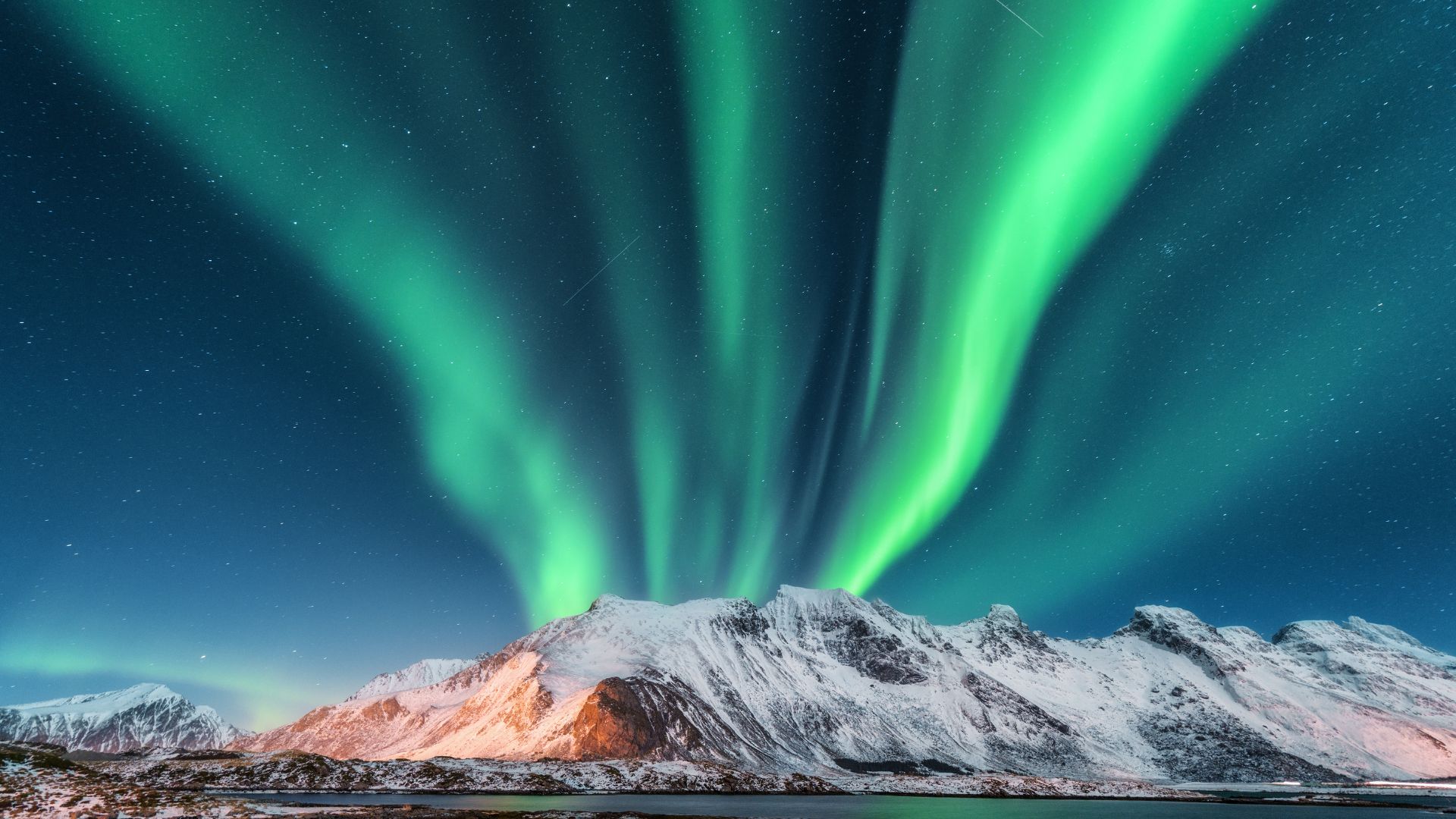
The full voyage runs from Bergen to Kirkenes on the Russian border and back — 2,400 nautical miles, thirty-four ports, twelve days if you do the return journey. Most passengers choose the northbound leg in summer (for midnight sun) or southbound in winter (for Northern Lights), but there’s an argument for the complete round trip: the coast reveals itself differently in each direction, and the ship becomes a floating community that’s hard to leave.
Days One to Three: The Western Fjords
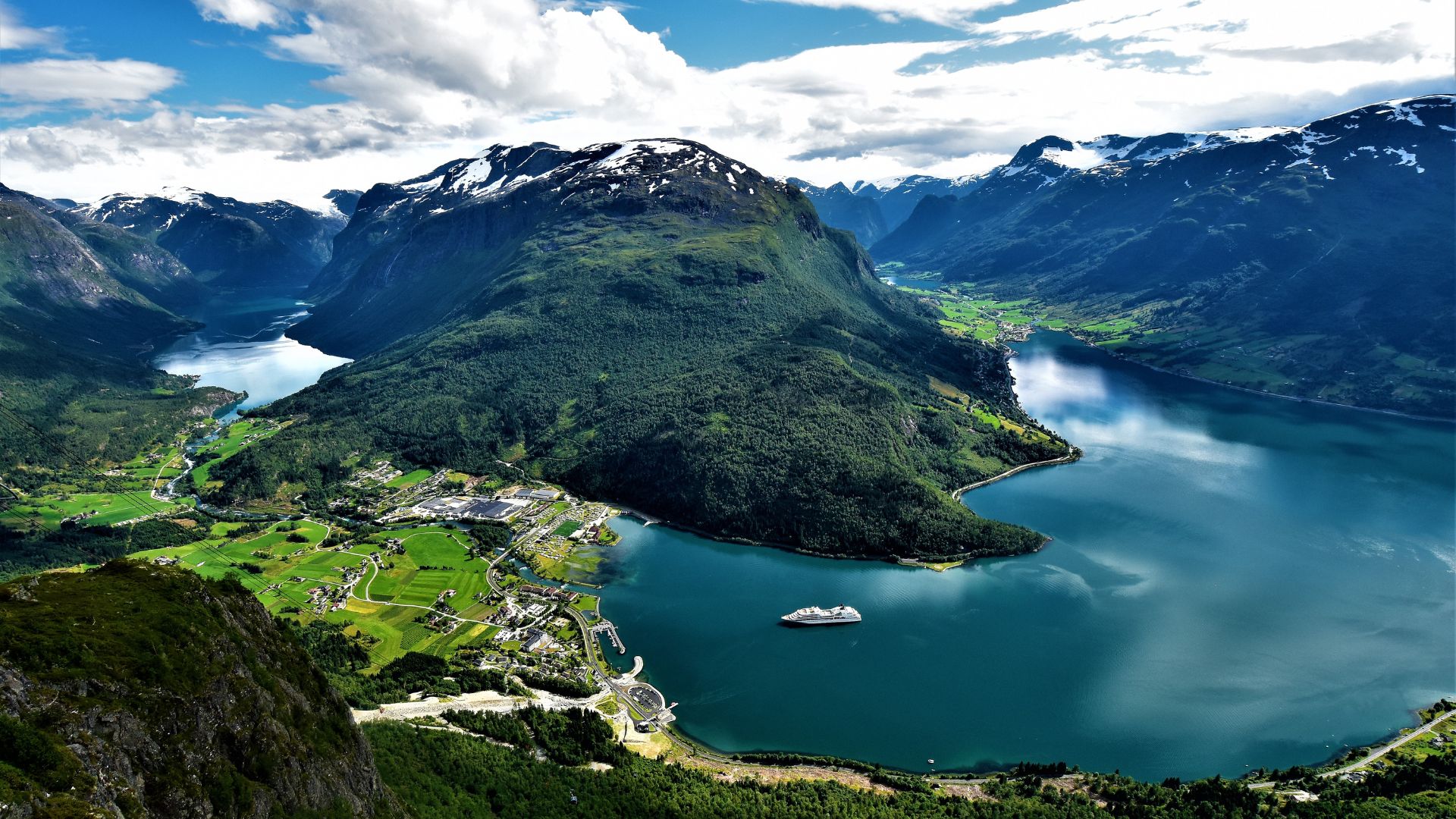
The first morning, I woke to find the ship threading the Nordfjord, mountains rising vertically from water so still they reflected perfectly. Breakfast — smoked salmon, cheeses, dark bread, eggs — was served in a dining room with windows the full width of the ship. Nobody hurried. There was nowhere to be.
Ålesund, the first major stop, offered a walking tour of Art Nouveau architecture — the town was rebuilt after a catastrophic fire in 1904, and the style of the moment stuck. The guide, a retired teacher, knew every building’s history and most of their current occupants. We climbed Aksla for the view across islands and skerries, then returned to the ship for lunch as it resumed its northward progress.
The rhythm established itself quickly. Ports arrived every few hours — some just twenty minutes for loading cargo, others long enough for excursions. Between ports, the landscape demanded attention: waterfalls dropping from cliffs, villages painted in ochre and rust-red, fishing boats heading out to grounds their families have worked for generations. I learned to read the terrain, to spot the farms clinging to seemingly impossible slopes, to understand why Norway developed one of the world’s finest maritime cultures — because the sea was easier than the land.
Days Four to Six: Crossing the Arctic Circle
We crossed the Arctic Circle at two in the morning, which in June meant full daylight. The captain announced our passage; those of us still awake gathered on deck for the traditional ceremony (involving ice down the back and aquavit, in that order). The monument on the island of Vikingen slid past, white against grey rock, and I felt the irrational thrill of being somewhere genuinely north.
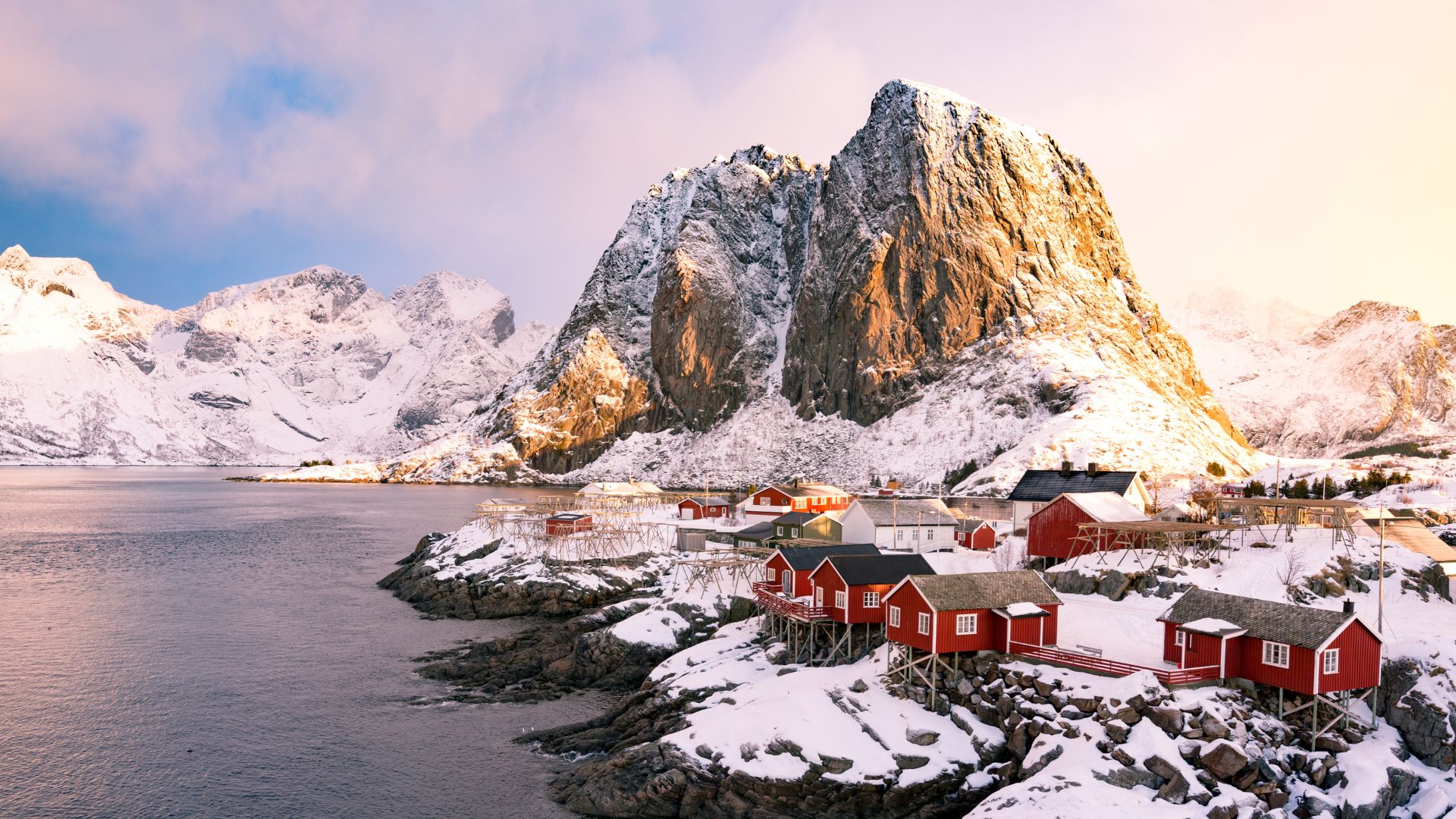
The Lofoten Islands appeared the following afternoon: a wall of jagged peaks rising from the Norwegian Sea, their feet in fishing villages that look exactly as you’d imagine Norwegian fishing villages should look. We stopped at Svolvær for an excursion to a fish processing plant — less romantic than it sounds, but fascinating in its efficiency — and Stamsund, where the wooden pier was so narrow the ship had to manoeuvre with extraordinary precision.
Tromsø, the “Gateway to the Arctic,” provided a full afternoon ashore. I visited the Arctic Cathedral, its triangular form mimicking both icebergs and the Northern Lights it’s designed to catch, then walked to the Polar Museum for the sobering history of Norway’s hunting and exploration in the far north. The city surprised me: cosmopolitan despite its latitude, with a university, excellent restaurants, and a population that seemed almost defiant in their embrace of extreme seasons.
Days Seven to Nine: The Far North
Beyond Tromsø, the landscape becomes starker. The mountains retreat; the coast flattens into tundra; the villages shrink to clusters of houses around a church. Hammerfest claims to be the world’s northernmost town, though several places dispute this; its museum traces a history of disaster and resilience — fires, Nazi occupation, reconstruction — that seems characteristic of Arctic life.
The North Cape excursion departed at midnight, a coach journey across the tundra to a plateau where Europe officially ends. Standing at the cliff edge, the Barents Sea stretching to the North Pole, the sun stubbornly refusing to set, I understood why this spot has drawn pilgrims for centuries. The midnight sun is not just an astronomical curiosity; it’s an emotional experience, a liberation from the tyranny of night.
Kirkenes, near the Russian border, marked our turnaround point. The town exists because of mining and its strategic position; there’s a Cold War museum in a bunker that families once used for air-raid protection. Some passengers disembarked here, flying home; others joined for the southbound journey; I stayed aboard, watching the coastline that would reveal itself in reverse.
Days Ten to Twelve: The Return
The southbound journey is not repetition. The ports we’d glimpsed briefly in darkness revealed themselves properly; the landscapes shifted with changing light; the ship’s community, now familiar, settled into comfortable patterns. I’d made friends — a retired couple from Australia, a Norwegian professor returning home after a conference, a solo traveller from Japan documenting every meal — and our conversations deepened.
The Trollfjord, accessible only in summer and only by ships small enough to navigate its entrance, provided the voyage’s dramatic highlight. The captain edged the bow into a canyon so narrow that waterfalls splashed onto the deck; we looked up at cliffs where eagles nested; the engines fell silent and for a moment there was only water dripping and birds calling.
Bergen reappeared on day twelve, exactly as we’d left it, as if the city had been waiting. Disembarking felt like leaving home, which was strange given I’d never been aboard before. But that’s the nature of the Hurtigruten: it’s not a cruise in any conventional sense, not entertainment or distraction, but a journey through a country that can only properly be seen from the water. I’d seen more of Norway in twelve days than many manage in a lifetime. And I’d done it without once hurrying, which at my age is exactly the point.
Practical Information
Booking: www.hurtigruten.com. The full Bergen-Kirkenes-Bergen voyage takes 12 days; one-way is 6-7 days. Book well in advance for summer and Northern Lights season. Cabins range from inside (perfectly adequate) to suites with private balconies.
Cost: The full voyage starts from approximately £2,500 per person for an inside cabin, including all meals. Suites from £5,000+. Shore excursions are extra but worth selecting a few — the North Cape and Trollfjord are essential.
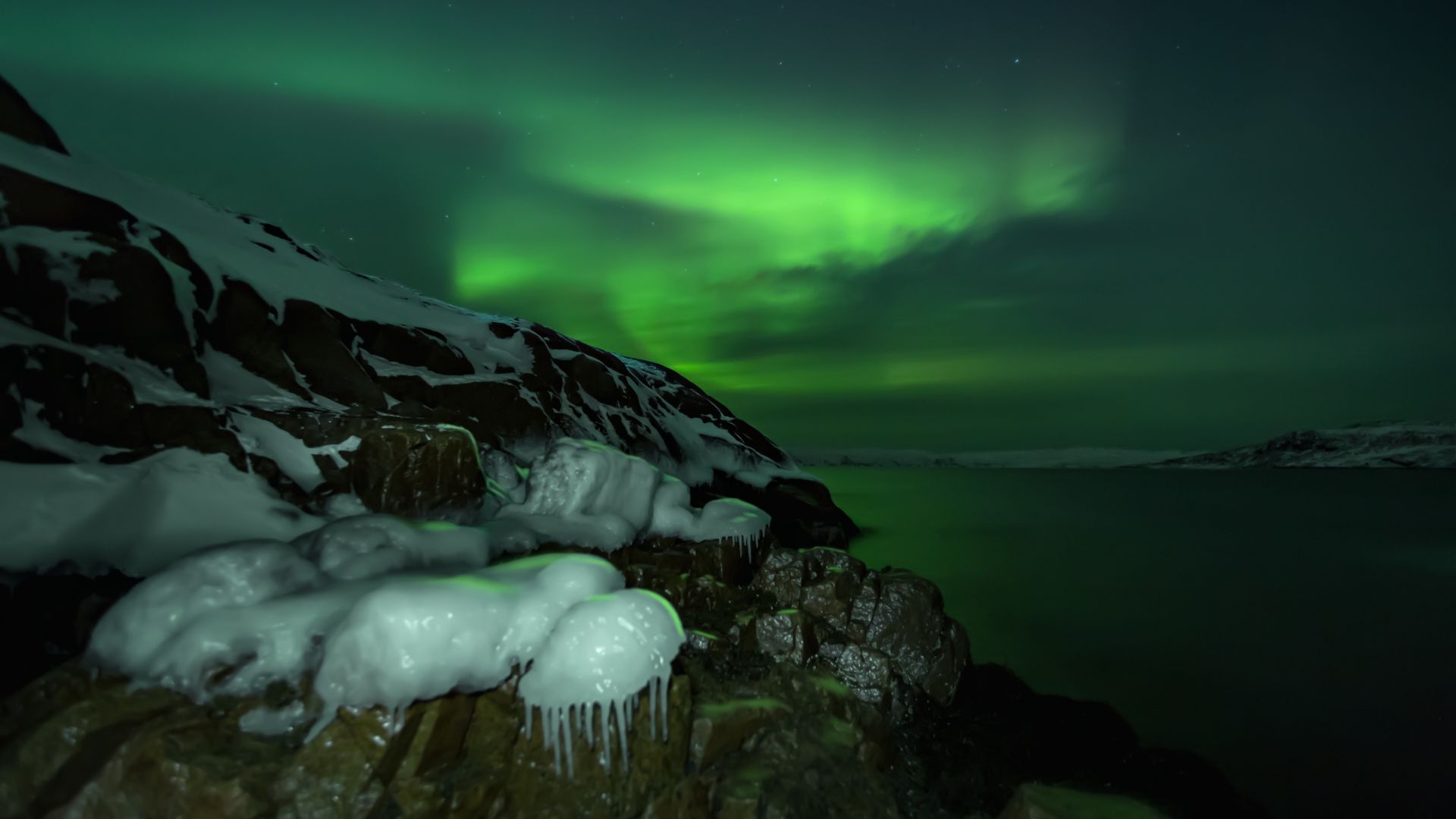
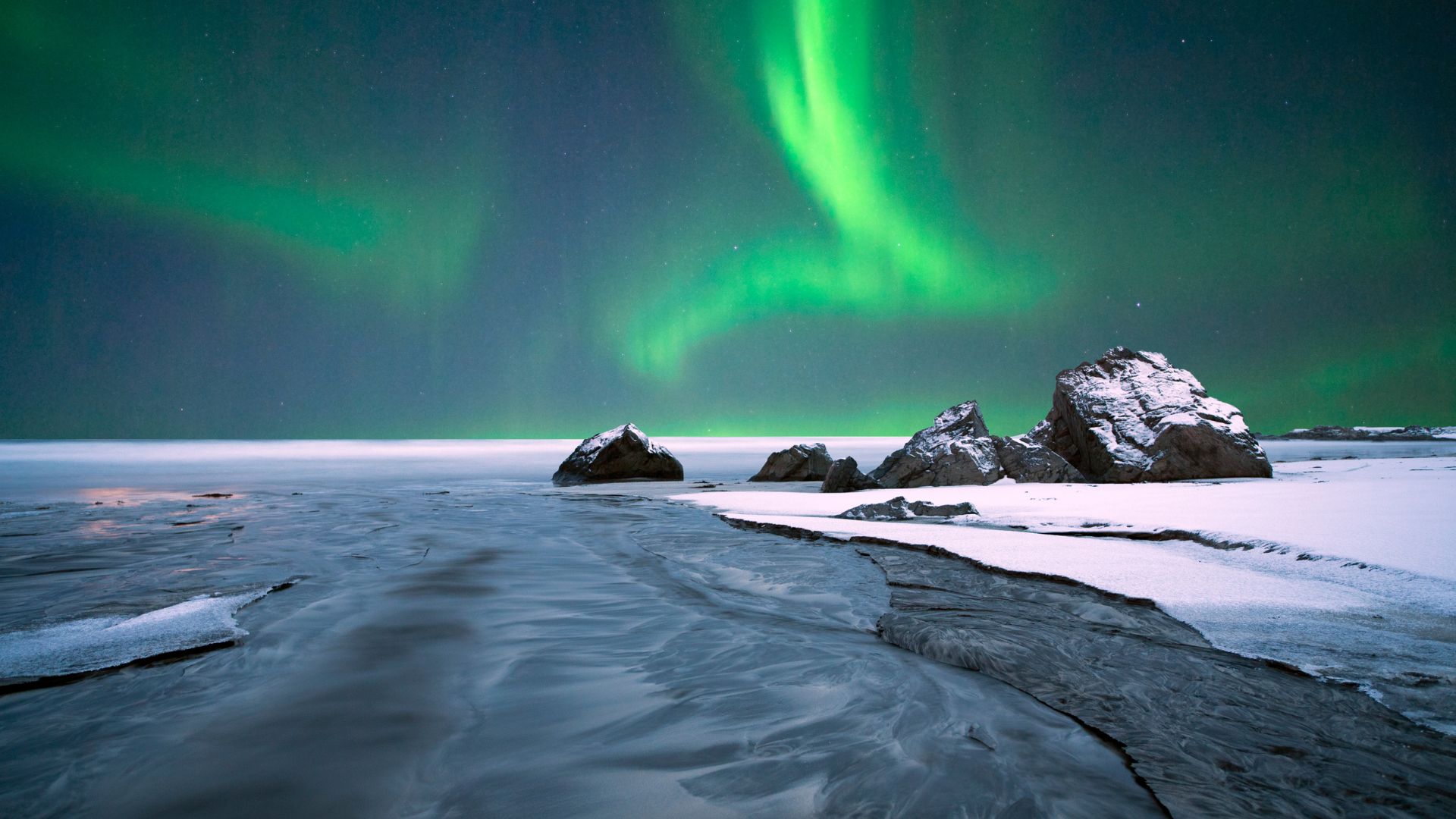
When to Go: June-July for midnight sun; September-March for Northern Lights (best November-February); May and September for quieter sailings and autumn colours.
What to Pack: Layers for all seasons; waterproof jacket; binoculars for wildlife and scenery; comfortable walking shoes for excursions. Formal dress is not required; Norwegians dress practically.