
The Great Wall: Finding Solitude on History’s Most Famous Structure
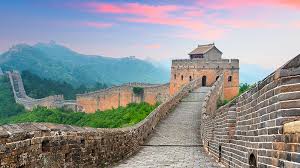
The Great Wall of China is simultaneously the world’s most famous tourist attraction and a genuine wilderness experience, depending entirely on where you visit it. The sections closest to Beijing — Badaling, Mutianyu — receive millions of visitors annually, complete with cable cars, souvenir shops, and crowds that reduce one of humanity’s great achievements to an elaborate selfie backdrop. The wilder sections — Jinshanling, Jiankou, Gubeikou — receive a fraction of the visitors and deliver the Wall as it has stood for centuries: crumbling, atmospheric, and stretching toward horizons that seem to have no end.
The Wall is not one structure but many, built over two thousand years by successive dynasties with varying materials and purposes. The Ming dynasty walls that most visitors see date from the 14th to 17th centuries; earlier walls survive in various states of ruin across northern China. The total length, depending on how you count it, exceeds 20,000 kilometres — not a continuous barrier but a series of walls, fortifications, and natural features that collectively marked and defended the empire’s northern boundary.
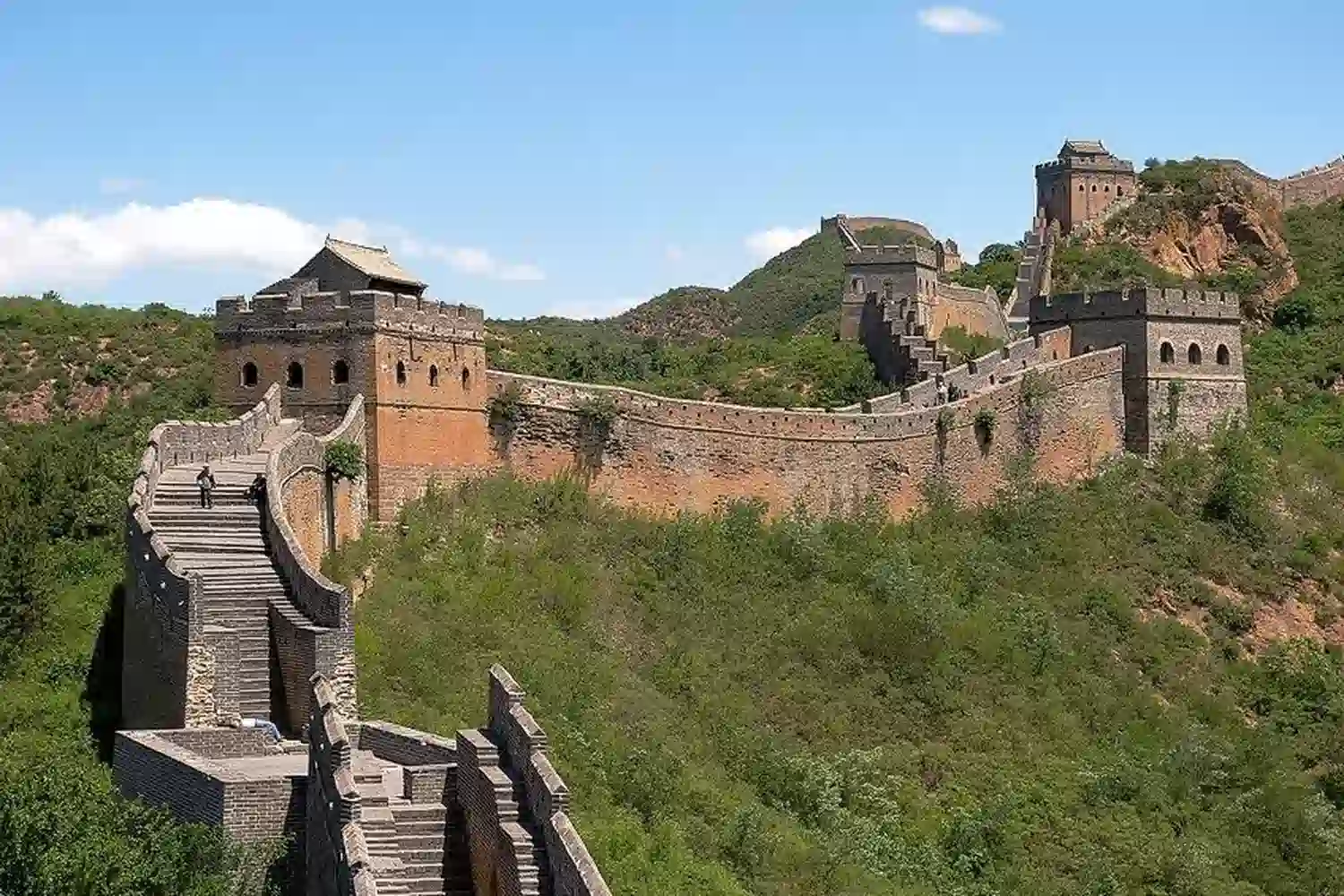
Jinshanling provides the ideal first experience for visitors seeking drama without crowds. The two-hour drive from Beijing leads to a section where watchtowers mark regularly spaced intervals, the Wall rises and falls with mountainous terrain, and weekend mornings can pass without another visitor in sight. The hiking is genuine — steep stairs, uneven footing, sections that require hands — but the rewards match the effort. Photographers arrive before dawn for mist-shrouded shots that capture what the Wall represents.
The truly wild sections require more commitment. Jiankou’s rugged, unrestored Wall attracts serious hikers willing to navigate crumbling stairs and overgrown paths. The overnight hike from Jinshanling to Simatai (which ends at a section controversially restored for night visits) covers terrain that induces appropriate humility. Multi-day hikes along remote sections exist for those who want wilderness that happens to include historical fortifications.
The choice of section determines the experience. Mutianyu offers accessibility with restored sections, cable cars, and a toboggan run down — suitable for families and those with limited time or mobility. Badaling is closest to Beijing and most crowded but allows those with minimal time to say they have seen the Wall. The wilder sections require research, sometimes guides, and always more time — but deliver an experience that transforms tourist obligation into genuine adventure. The Wall endures; how you experience it remains a choice.