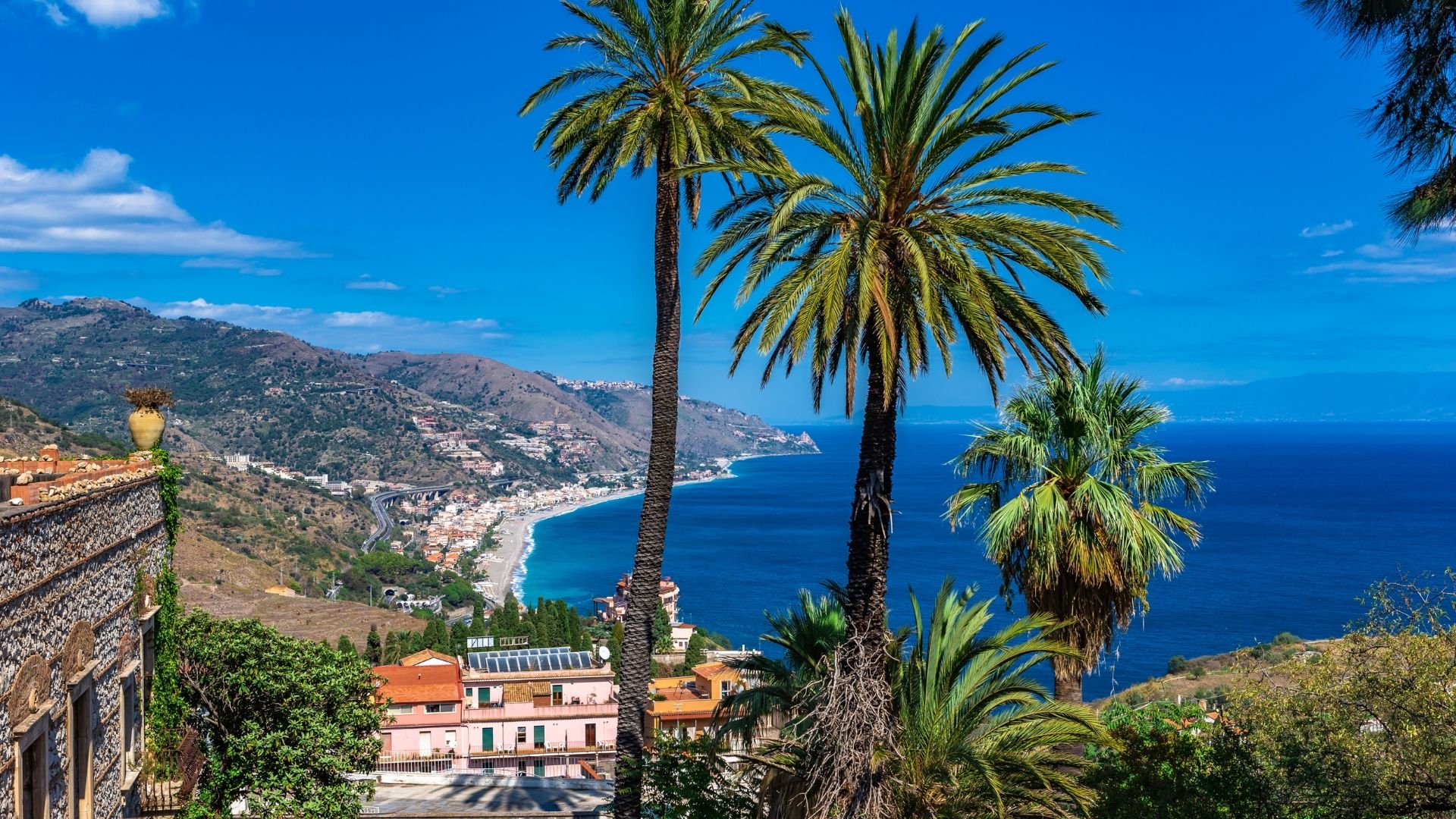

The Grand Italian Journey: From the Alps to Sicily
A journey of 2,200 kilometres from the peaks of the Dolomites to the shores of Taormina, tracing the routes that have inspired travellers since the days of Goethe — reimagined for the luxury campervan
By Christopher Owen | Photography by TTT Travel Collective
There is a moment, somewhere between the third espresso and the fourth plate of pasta, when Italy ceases to be a destination and becomes a state of being. I found mine on a Wednesday afternoon in Orvieto, watching afternoon light pour through the rose window of the Duomo while a waiter argued passionately with a customer about the proper preparation of wild boar ragù. This, I realised, was why the Romantics invented the Italian Grand Tour — not merely to see antiquity, but to be transformed by the sheer intensity of Italian life.
Our modern Grand Italian Journey began where all Italian dreams must: in the north — though we collected our luxury campervan from a depot near Milan Malpensa, a gleaming Laika Ecovip with a fixed island bed, full kitchen, and the kind of bathroom that makes you wonder why anyone bothers with hotels. The handover took an hour: satellite navigation calibrated with Italian road quirks in mind, fresh water tank filled, the intricacies of the Truma heating system explained with Milanese precision. By mid-afternoon we were threading through the tangenziale, our mobile palazzo pointed southeast toward the Dolomites and the promise of mountains.
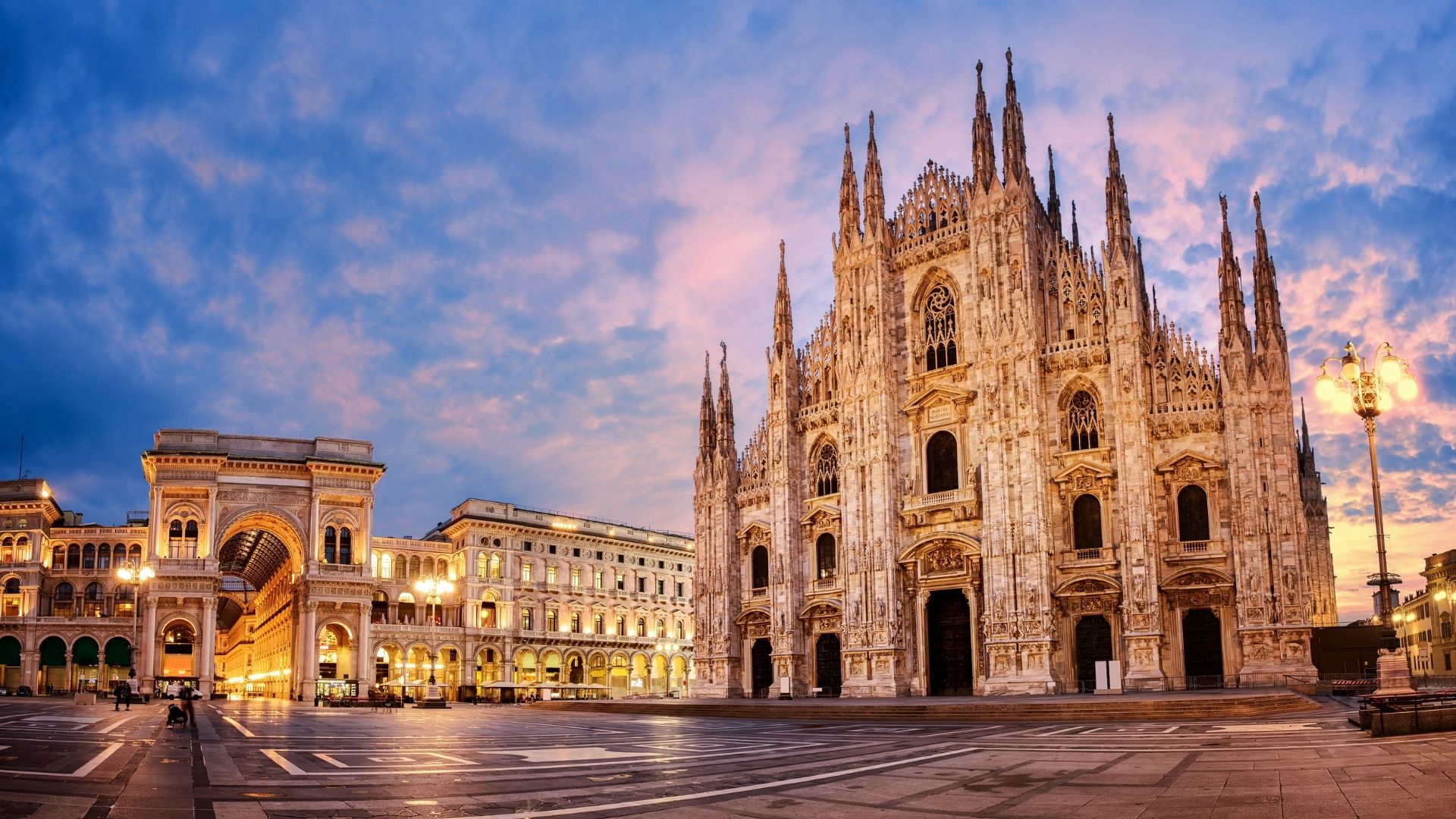
But first, Milan demanded a pause. We resisted the obvious. Instead of the Duomo plaza, we wandered the Navigli district, those Renaissance canals that Leonardo once engineered, where antique dealers and aperitivo bars maintain establishments that seem unchanged since Hemingway drank here. Instead of queuing for The Last Supper, we spent a morning at the Pinacoteca di Brera, that temple of Italian Renaissance painting where Mantegna’s Dead Christ still stops visitors in their tracks with its virtuoso foreshortening.
The Vehicle: Your Mobile Palazzo
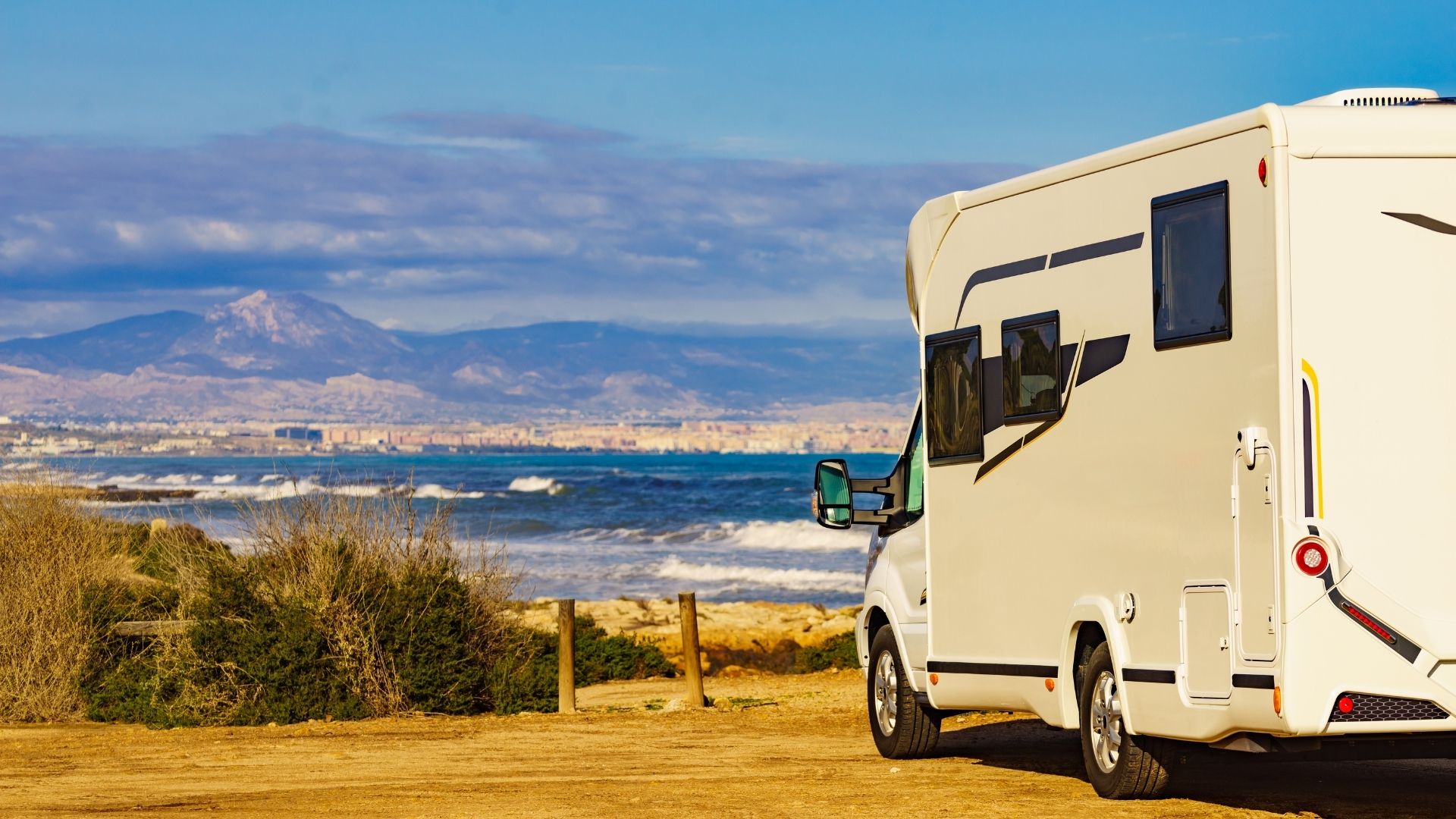
The luxury campervan — and I use ‘luxury’ advisedly, because there are campervans and there are campervans — transforms the Italian touring experience in ways that hotels simply cannot match. Ours was a 2024 LAIKA ECOVIP 712, from AVIS luxury motorhome, just over seven metres of automotive sophistication that included a king-sized fixed bed, a wet room with a proper pressure shower, an induction hob, and enough storage to accommodate a fortnight’s worth of wine purchases without difficult conversations about what to leave behind.
The freedom is the thing. You wake in a Tuscan vineyard with the morning mist rising through the Sangiovese vines; you lunch beside Lake Garda watching sailboats glide past medieval fortresses; you fall asleep to the sound of Mediterranean waves on a Calabrian beach you have entirely to yourself. No check-out times, no restaurant reservations, no hurried packing of suitcases. The Grand Tourists of the 18th century travelled with entire households of servants; we travelled with a vehicle that rendered servants unnecessary while preserving every comfort they might have provided.
A word on practicalities: Italy is spectacularly well-equipped for campervan travel, though it requires slightly more planning than France. The aree di sosta — dedicated motorhome parking areas with services — number in the thousands, from municipal facilities in the smallest villages to premium sites with swimming pools and trattorias. The agriturismi often welcome campervans, offering parking amid olive groves and vineyards with the implicit expectation that you’ll dine at their table and purchase their produce. We used both, and found ourselves consistently delighted by the welcome and the locations.
The Route: Milan to Taormina in Eight Stages
Our route traced the classic Grand Tour itinerary, adapted for modern roads and campervan-friendly stopping points. The 2,200 kilometres divided naturally into eight stages, each with its own character and demands. We allowed four weeks, which proved perfect: enough time to linger where lingering was warranted, enough flexibility to extend a stay when a village or a vineyard proved irresistible.
Stage | Route | Distance | Highlights |
1 | Milan to Dolomites | 280 km | Great Dolomite Road, Val Gardena, Cortina |
2 | Dolomites to Lake Garda | 160 km | Trento, Sirmione, Bardolino |
3 | Lake Garda to Florence | 250 km | Verona, Bologna, Fiesole |
4 | Florence to Siena | 85 km | Chiantigiana wine road, Chianti villages |
5 | Siena to Rome | 230 km | Orvieto, Val d’Orcia, Etruscan sites |
6 | Rome to Amalfi | 280 km | Pompeii, Naples, Amalfi Coast |
7 | Amalfi to Calabria | 350 km | Tropea, Pizzo, Capo Vaticano |
8 | Calabria to Taormina | 180 km | Ferry crossing, Mount Etna, Greek theatre |
Total driving distance: approximately 1,400 km on the direct route. Our actual mileage, including detours and scenic alternatives, exceeded 2,200 km — but that, of course, is rather the point.
The Roads: Five Routes Worth the Detour
Italy’s network of strade statali and strade provinciali offers some of Europe’s finest driving, and the luxury campervan — despite its size — proves surprisingly adept at navigating them. The key is choosing roads designed for pleasure rather than efficiency, routes where the journey genuinely matters more than the destination. These five became our favourites.
The Great Dolomite Road (SS48/SS241)
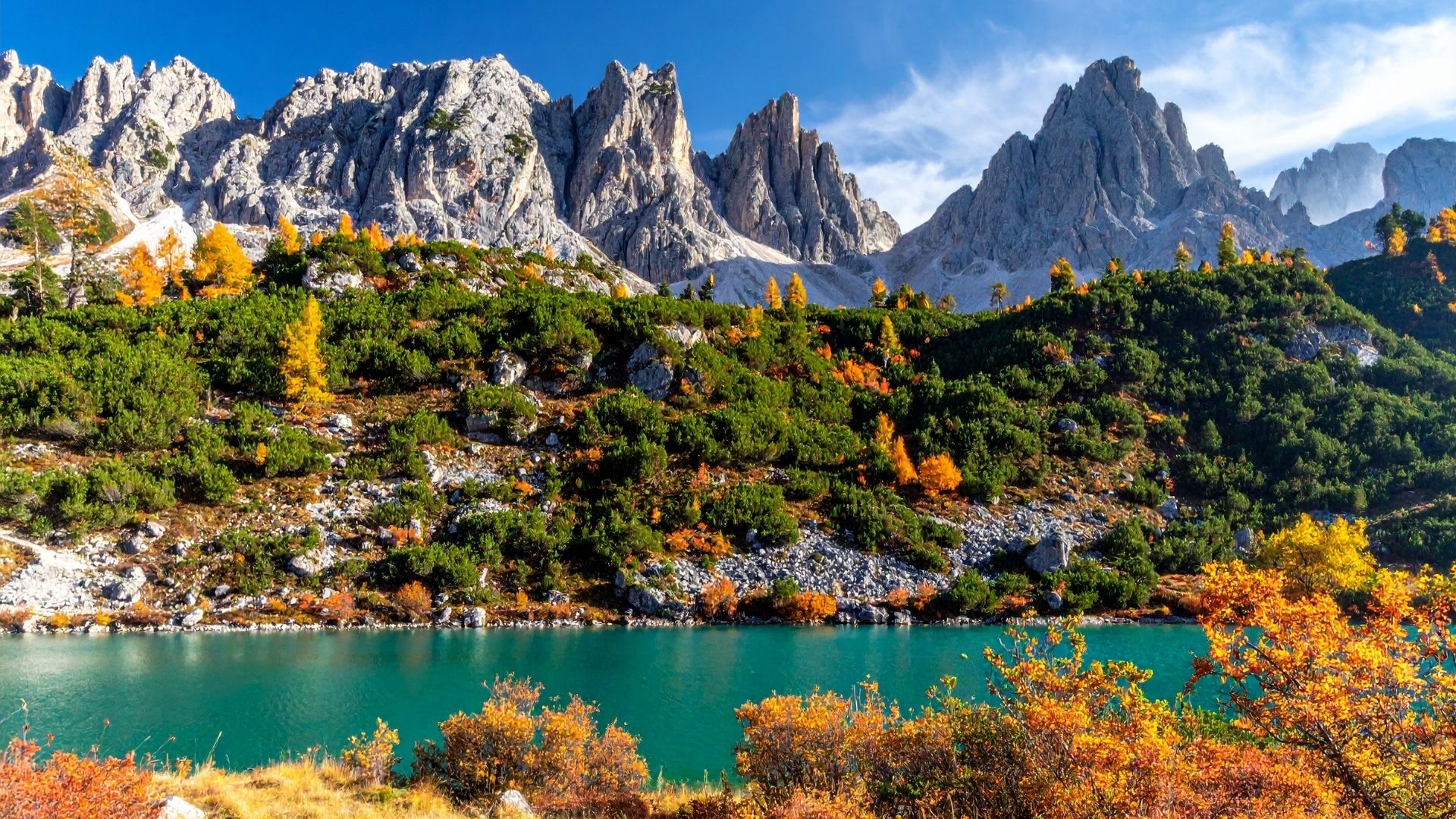
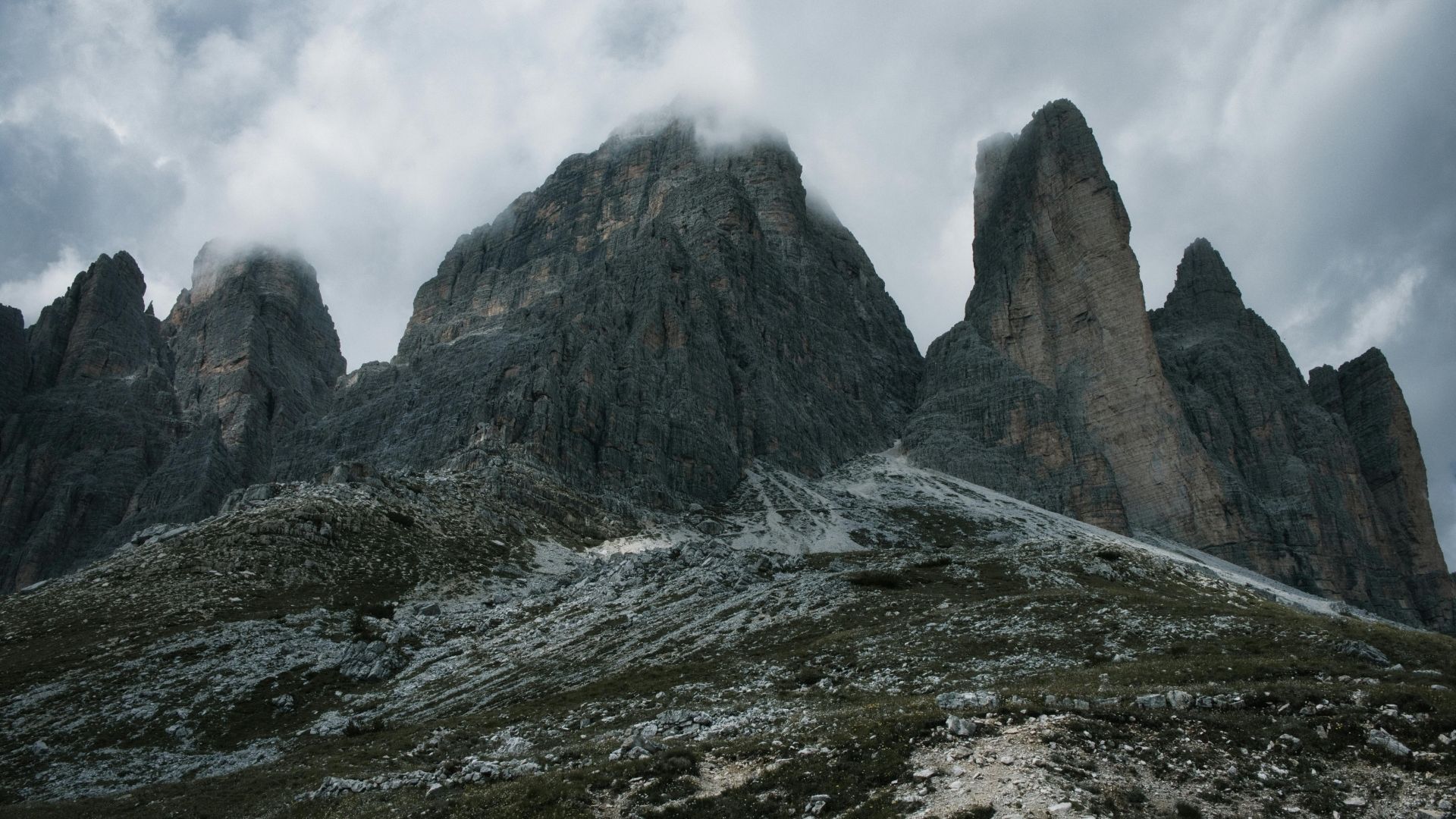
The Grande Strada delle Dolomiti from Bolzano to Cortina d’Ampezzo threads through some of the most dramatic mountain scenery on Earth, past peaks that UNESCO has recognised as a World Heritage Site. The road climbs through passes that take your breath away quite literally — the Passo Pordoi at 2,239 metres, the Passo Falzarego at 2,105 metres — offering panoramas of pink and orange rock formations that seem designed by a deity with a flair for the theatrical. We drove it twice, once in morning mist when the peaks emerged like islands from a cloud sea, and once in late afternoon gold when the Dolomites earned their nickname: the Pale Mountains, turning rose and amber in the alpenglow.
The Amalfi Coast Road (SS163)
The Strada Statale Amalfitana is perhaps the world’s most famous coastal drive, and it earns every superlative. The road clings to cliffs that plunge 500 metres to the Tyrrhenian Sea, threading through tunnels blasted from living rock and past villages that seem to defy gravity. Positano, Amalfi, Ravello — names that conjure dolce vita fantasies — punctuate a route that demands attention, rewards patience, and punishes the hurried or the faint-hearted. Note: the road is genuinely challenging for larger vehicles, narrow in places, with buses that take no prisoners. We managed it in our seven-metre campervan, but would recommend arriving early, driving slowly, and accepting that others may pass with Italian impatience.
The Chiantigiana (SS222)
This wine road from Florence to Siena traverses Tuscany’s most celebrated vineyard landscape, past stone farmhouses and cypress-lined drives that have appeared in a thousand Renaissance paintings. The road itself is modest — single carriageway, gentle curves, village speed limits that demand you slow down whether you intended to or not. But the scenery is anything but modest: Greve, Panzano, Castellina in Chianti — names that make wine lovers genuflect. As someone with forty years behind a lens, I recognised this as photographer’s paradise — that legendary Tuscan light, all golden warmth and sharp shadows, falling on landscapes that have changed little since the Medici ruled Florence.
The SS18 Coastal Road, Calabria
Of the many coastal roads threading down Italy’s boot, the stretch of the SS18 from Praia a Mare to Tropea offers the most authentic experience — and the emptiest tarmac. This is the Italy that tourism forgot, where villages perch on cliffs above beaches that in Greece would be swarming with sunbeds and in Calabria remain gloriously, stubbornly local. The road dips and climbs through olive groves and citrus orchards, past Norman castles and Byzantine churches, through a landscape where every meal is an argument about whose grandmother made the best ‘nduja.
The Strada dell’Etna
The road circling Mount Etna — Europe’s most active volcano — offers a journey through otherworldly terrain. The ascent from Nicolosi climbs through forests of chestnut and beech, across lava fields that remember eruptions from 1669 and 2001 with equal indifference, and finally into the lunar landscape of the summit zone where the views extend across the entire eastern coast of Sicily. The descent via Linguaglossa is equally spectacular, with the vineyards of Etna DOC clinging to volcanic slopes that produce wines of extraordinary mineral intensity. Not recommended during eruption alerts, but in calm conditions, genuinely unforgettable.
Where to Park: Aree di Sosta, Campsites & Agriturismi
Italy has embraced campervan culture with characteristic enthusiasm, and the infrastructure reflects decades of refinement — though with regional variations that require flexibility. The options range from basic municipal aree di sosta (often free, always functional) to premium campsites with swimming pools and gourmet restaurants. We used a combination throughout our journey, prioritising location and atmosphere over amenities — the Laika’s self-sufficiency meant we rarely needed external facilities beyond fresh water and waste disposal.
Our Favourite Stops Along the Route
- Ortisei, Val Gardena — Municipal area di sosta with views of the Sassolungo massif that justify every early morning. €15/night including electricity. Book ahead in ski season.
- Bardolino, Lake Garda — Right on the lakefront, with the medieval centro storico a five-minute walk. €18/night.
- San Gimignano — The area di sosta outside this medieval Manhattan offers shuttle bus access and spectacular dawn views of the towers. €12/night.
- Orvieto — Below the clifftop city, with funicular access to one of Italy’s most perfect medieval centres. €10/night.
- Tropea, Calabria — Camping Marina dell’Isola offers direct beach access and views of the dramatic headland. €25/night in high season, worth every euro.
- Taormina — The campsite at Letojanni provides a base for Sicily’s most glamorous resort, with Greek theatre and Etna views thrown in. €22/night.
Agriturismi
The agriturismo scheme deserves special mention. These working farms — producing wine, olive oil, cheese, or livestock — offer accommodation ranging from simple camping pitches to luxury apartments. The deal is implicit: they provide an atmospheric, authentic stopping point; you dine at their table and (almost inevitably) leave with purchases. We used agriturismi extensively through Tuscany and Umbria, sleeping beside vines whose grapes would become Brunello and Sagrantino, waking to the sound of tractors and cockerels rather than traffic and construction.
At Podere Il Casale outside Pienza, the host spent an evening walking us through her pecorino production, from the sheep grazing the same herbs that flavoured the cheese to the caves where wheels aged for months. At a vineyard in Montalcino, we tasted Brunello directly from barrel with a winemaker whose family had been making wine on that slope since the 1800s. These are not experiences you can book through a hotel concierge; they emerge from the particular intimacy that campervan travel creates.
The Journey: Milan to the Mediterranean
Milan and the Navigli
The Navigli deserve particular attention. These Renaissance canals, once essential for transporting the marble that built the Duomo, now form the heart of Milan’s aperitivo culture. Here, between a vintage furniture dealer whose family has occupied the same warehouse for three generations and a contemporary art gallery that mounts exhibitions in former industrial spaces, time operates by different rules. A young designer sketched in a leather notebook at the next table. An elderly signora walked a dog whose pedigree exceeded most of the neighbourhood’s residents. Nobody appeared to be in any great hurry.
We parked the Laika at the area di sosta near the San Siro — civilised, secure, with metro access to central Milan — and spent two days rediscovering the city on foot. The campervan waited patiently, its systems maintaining temperature and charging devices, ready for our departure toward the Dolomites when Milan had given us everything we came for.
Through the Dolomites
From Milan, we drove northeast into the Alto Adige, that peculiar corner of Italy that speaks German, builds in Tyrolean style, and produces some of the peninsula’s finest white wines. The transition is remarkable: one moment you’re in the Po Valley’s flatlands, the next you’re climbing into a landscape that owes more to Austria than to anything south of the Alps.
The Dolomites themselves defy adequate description. These are not mountains in the conventional sense but natural cathedrals, their pale limestone walls rising sheer from meadows so green they seem artificial. The names read like a climber’s prayer book — Marmolada, Civetta, Tre Cime di Lavaredo — and the villages at their feet maintain traditions that predate Italian unification by centuries. In Ortisei, we watched woodcarvers produce nativity figures using techniques unchanged since the Middle Ages. In Cortina, we ate speck and canederli at a rifugio where the view alone was worth the steep walk up.
That evening, we parked at an agriturismo outside Corvara, the peaks turning pink and then purple in the alpenglow. The farmer, whose family had worked this land for five generations, joined us for a glass of local grappa on our campervan step, sharing stories of winters when the snow buried the ground floor and of summers when the meadows erupted in wildflowers. We bought a wheel of his wife’s mountain cheese and wedged it in the Laika’s refrigerator, where it would perfume everything for the next week.
The Lakes and Verona
The Italian Lakes — Garda, Como, Maggiore — have drawn visitors since Roman times, and the appeal remains undimmed. We chose Garda for its scale and accessibility, parking at Bardolino for three nights while exploring the lake’s contrasts: the German beer gardens and water sports of the northern shore, the elegant villas and lemon groves of the west, the medieval castles and romantic promontories that punctuate the eastern coast.
At Sirmione, we walked the Scaliger castle’s battlements and floated in the thermal springs where Catullus once composed his poems (or so the legend claims — the villa remains are certainly his). At Limone sul Garda, we bought lemons from trees that have grown here since the Renaissance and ate gelato on a terrace overlooking water so clear you could count the fish. The campervan lifestyle proved ideal: we could be on the lake for sunrise, retreat to a shaded pitch for the midday heat, and return for aperitivo as the evening light turned the water to hammered gold.
Verona demanded a day trip. The Arena, that Roman amphitheatre that still hosts opera on summer evenings, stopped us in our tracks — 2,000 years of uninterrupted entertainment, from gladiatorial combat to Aida. Juliet’s balcony, despite its dubious Shakespeare connection, drew crowds of romantics from every continent. But the real Verona revealed itself in the Piazza delle Erbe, where the morning market has operated continuously since Roman times, and in the backstreet trattorias where bollito misto is served with the reverence other cities reserve for religious relics.
Florence and the Renaissance
In Florence, we stood before the David and understood why this single sculpture changed art history forever. Michelangelo’s giant — nearly five metres of Carrara marble transformed into the most famous figure in Western art — commands his gallery in the Accademia with an authority that silences even the most jaded visitors. We had booked timed entry, which meant avoiding the worst queues, and spent an hour simply circling the figure, watching how the light caught the marble from different angles, appreciating the impossible confidence of a 29-year-old artist who looked at a flawed block of stone and saw a masterpiece within.
The Uffizi required a full day — and could have absorbed a week. The progression from medieval gold-ground Madonnas through Botticelli’s ethereal beauties to Caravaggio’s shocking realism traces the entire development of Western painting. We lingered before The Birth of Venus, that icon of Renaissance beauty, and before Primavera, whose symbolism scholars still debate. The corridor connecting the Uffizi to the Palazzo Pitti — the Vasari Corridor, built so the Medici could cross the city without mingling with the populace — was closed for restoration, but its existence told us everything about the power and paranoia of Renaissance Florence.
We parked outside the city — Florence’s centro storico is impossible for campervans — and used the excellent bus connections. The area di sosta at Fiesole, in the hills above the city, offered evening views of the Duomo that no hotel within the walls could match. We watched the sunset from the Roman theatre, then walked down through olive groves to a trattoria where the ribollita was made by a grandmother who had never tasted any other version and saw no reason to.
Tuscany and Umbria
The drive from Florence to Siena via the Chiantigiana remains one of Italy’s quintessential experiences. The road winds through vineyard-covered hills, past fortified villages and Romanesque churches, through a landscape that Ambrogio Lorenzetti depicted in his frescoes of Good Government nearly 700 years ago. The details have changed — tractors instead of oxen, SUVs instead of horses — but the essential character remains: cypress trees standing sentinel on ridgelines, terracotta farmhouses drowsing in afternoon heat, light that painters have been trying to capture ever since painting began.
Siena demanded two days. The Campo, that scallop-shell piazza where the Palio horse race still runs twice each summer, is Italy’s most beautiful square — a bold claim in a country of beautiful squares, but one that stands up to scrutiny. We ate pici cacio e pepe at a wooden table in the shadow of the Palazzo Pubblico, watching the pigeons and the tourists and the old men arguing about calcio. The Duomo’s floor, normally covered to protect its marble intarsia, was partially revealed during our visit, and we lay on our backs like supplicants to appreciate the artistry.
Umbria, Tuscany’s poorer but perhaps more soulful neighbour, opened with the view from Orvieto’s clifftop. The Duomo here — built to house the blood-stained cloth of a 13th-century miracle — rivals anything in Florence for its facade’s golden mosaics and Signorelli’s apocalyptic frescoes within. We parked below the cliff and rode the funicular up, emerging into a medieval city that tourism has touched but not transformed. At a wine bar in a former Etruscan cave, we tasted Orvieto Classico with a sommelier who could trace each vineyard’s history back centuries.
Rome and the Eternal City
Rome overwhelms. Every street corner offers a church that would be the star attraction of any other city; every piazza features a fountain or obelisk that represents someone’s lifetime achievement; every view encompasses 3,000 years of continuous human habitation. We stayed four days and barely scratched the surface, which is rather the point: Rome is not meant to be consumed but inhabited, returned to repeatedly until its rhythms become your own.
The Colosseum at dawn, before the crowds arrived, offered a glimpse of what the arena must have felt like in its days of blood and spectacle. The scale remains staggering — 50,000 spectators, wild beasts imported from Africa, naval battles staged by flooding the arena floor. We walked the upper levels that have recently reopened and looked down at the hypogeum, that underground labyrinth where gladiators and animals waited their turn to die.
The Vatican demanded a full day. The Sistine Chapel ceiling, despite the crowds and the guards shushing anyone who lingered too long, justified every hyperbole written about it. Michelangelo’s Creation of Adam — those two reaching fingers that have become the most reproduced image in art history — retains its power to move even the most image-saturated modern viewer. In the Raphael Rooms, we found ourselves nearly alone before The School of Athens, that supreme statement of Renaissance confidence in human reason. Plato and Aristotle at the centre, surrounded by every thinker the ancient world produced, painted by a 25-year-old genius who died before he turned 40.
We parked at a campsite outside the GRA, Rome’s orbital motorway, and used the trains — the Laika was not designed for Roman traffic, and neither, frankly, were our nerves. The evenings, cooking pasta in the campervan and reviewing the day’s photographs, provided necessary decompression after the sensory assault of the city.
The South: Naples to Calabria
South of Rome, Italy changes. The autostrada grows emptier, the landscape more dramatic, the people more openly curious about visitors. Naples announced itself with characteristic chaos: traffic that obeyed no discernible rules, architecture ranging from Spanish Baroque to post-war concrete, pizza that ruined us for any other version forever. We parked outside the city and entered by circumvesuviana train, emerging into a metropolis that defies easy categorisation.
The Museo Archeologico Nazionale houses the treasures of Pompeii and Herculaneum, including the mosaics and frescoes removed to protect them from weather and thieves. The Alexander Mosaic, depicting the conqueror’s victory over Darius, contains over a million individual tesserae and an intensity of expression that makes contemporary art seem timid. The Secret Cabinet, once kept locked away from sensitive Victorian visitors, reveals that ancient Romans had attitudes toward sexuality that the modern world is only beginning to recover.
The Amalfi Coast, despite our vehicle’s size, proved manageable with early starts and patience. Positano tumbled down its cliffside in that photogenic cascade of pastel buildings that has graced a thousand Instagram feeds. Ravello, above the coast, offered gardens and views and the ghosts of Wagner and D.H. Lawrence. Amalfi itself, once a maritime republic that rivalled Venice, preserved its medieval glory in the cathedral’s Arab-Norman architecture and the Paper Museum’s ancient mills.
Calabria surprised us. This is Italy’s poorest region, with a reputation for organised crime and underdevelopment, but what we found was wild beauty, fierce hospitality, and some of the most authentic food of the entire journey. At Tropea, the campervan parked above the famous beach while we explored a town whose baroque churches and aristocratic palazzos spoke of a prosperity that the 20th century erased. The red onions, sweet enough to eat raw, accompany everything here; the ‘nduja, that spreadable salami that appears on every menu, is not for the timid but rewards the brave.
Sicily: The Island at the End
The ferry from Villa San Giovanni to Messina takes twenty minutes and crosses millennia. Sicily is Italy and not-Italy, a palimpsest of Greek, Roman, Arab, Norman, Spanish, and finally Italian influences that creates something unique and irreducible. The island welcomed us with Messina’s earthquake-proof architecture and sent us on our way with Taormina’s theatrical views of Etna smoking on the horizon.
The Greek theatre at Taormina, carved from the hillside in the 3rd century BC and rebuilt by the Romans for gladiatorial games, offers what may be the world’s most spectacular theatrical backdrop: Mount Etna, the Ionian Sea, and the Calabrian coast arranged behind the ancient stage as if a set designer had ordered them specifically. We attended an evening concert there — contemporary jazz, incongruously — and watched the sun set behind the volcano as the music played.
Etna itself demanded exploration. The Circumetnea railway, that narrow-gauge line that circles the volcano through villages destroyed and rebuilt multiple times, offered a journey through agricultural history: lemon groves giving way to vineyards giving way to the stark beauty of recent lava flows. We drove the summit road in the campervan, parking at the Rifugio Sapienza and taking the cable car and then the specialist 4×4 buses to the rim, where sulphurous vents reminded us that this mountain is merely sleeping, never dormant.
Syracuse, with its Greek theatre and Roman amphitheatre and baroque cathedral built into the shell of a Greek temple, compressed 3,000 years of Mediterranean history into a single afternoon’s walk. The island of Ortigia, the historic centre, offered evening strolls along the waterfront and dinners of fresh-caught fish at restaurants where the menu depended on what the boats had brought in that morning.
We ended, as all Sicilian journeys must, with the island’s extraordinary sweets. The cannoli at a bar in Catania, filled to order so the shell remained crisp; the cassata in Palermo, that baroque confection of sponge and ricotta and marzipan that would send a dietician into despair; the granita for breakfast in Taormina, served with brioche still warm from the oven. Some journeys end; others simply pause, waiting for the next chapter.
Essential Experiences
- Standing before Michelangelo’s David at the moment the gallery opens, before the crowds arrive and while the morning light still catches the marble
- Eating pizza margherita at Da Michele in Naples, where the only options are margherita or marinara and where Neapolitans have queued since 1870
- Watching the sunset from Taormina’s Greek theatre, with Etna smoking in the background and the Ionian Sea turning from blue to gold to violet
- Driving the Great Dolomite Road in alpenglow, when the pale mountains turn pink and purple and the valleys fill with shadow
- Wine tasting at a Montalcino estate with a fifth-generation winemaker who remembers every vintage since 1965
- Swimming in the thermal waters at Sirmione, where Catullus once wrote his poems and the Alps form the backdrop
- Waking in an agriturismo vineyard with the morning mist rising through the Sangiovese vines and no neighbours but the grapes… take the camera!
- Getting lost in Venice’s back canals with no map and no agenda, discovering workshops and churches that time forgot
Practical Information
Campervan Hire
We hired from AVIS Explore and collected near Milan Malpensa. Other reliable options include McRent and Touring Cars. Explore this website for the various options: motorhomerepublic.com. Budget €150-280/day for a luxury motorhome in high season; significantly less in spring and autumn. Book at least three months ahead for summer travel.
Best Time to Travel
May-June and September-October offer the ideal combination of good weather, manageable crowds, and available parking spaces. July-August brings heat, tourists, and competition for spots; book premium campsites well ahead. The Dolomites are spectacular in autumn colour (late September-early October); Sicily is pleasant well into November.
Essential Apps
- Park4Night — Comprehensive database of aree di sosta, wild camping spots, and campsites with user reviews
- Campercontact — European database with excellent Italian coverage
- ViaMichelin — Route planning with toll costs and scenic alternatives
- ZTL Italy — Essential for navigating restricted traffic zones in historic centres
Budget
Allow €100-170/day for a couple excluding vehicle hire, covering: fuel (€30-50), aree di sosta/camping (€10-30), food and wine (€50-80), entrance fees and incidentals. Premium campsites and restaurant meals push this higher; wild camping and self-catering reduce it substantially.