
The Dutch Waterways: A Week on a Luxury Barge
The Dutch Waterways: A Week on a Luxury Barge
Gliding through a landscape that Vermeer would recognise, with a gin and tonic in hand
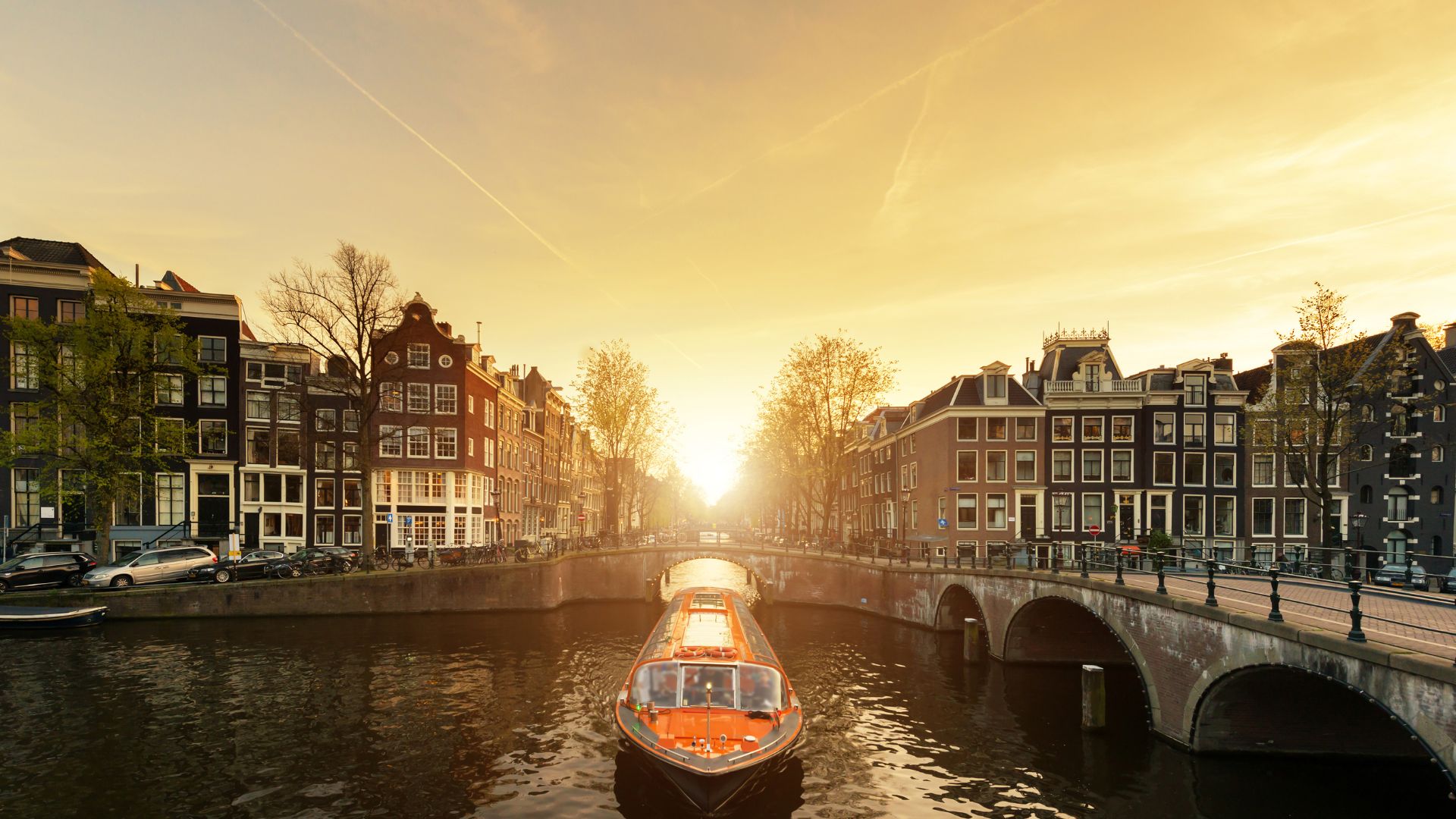
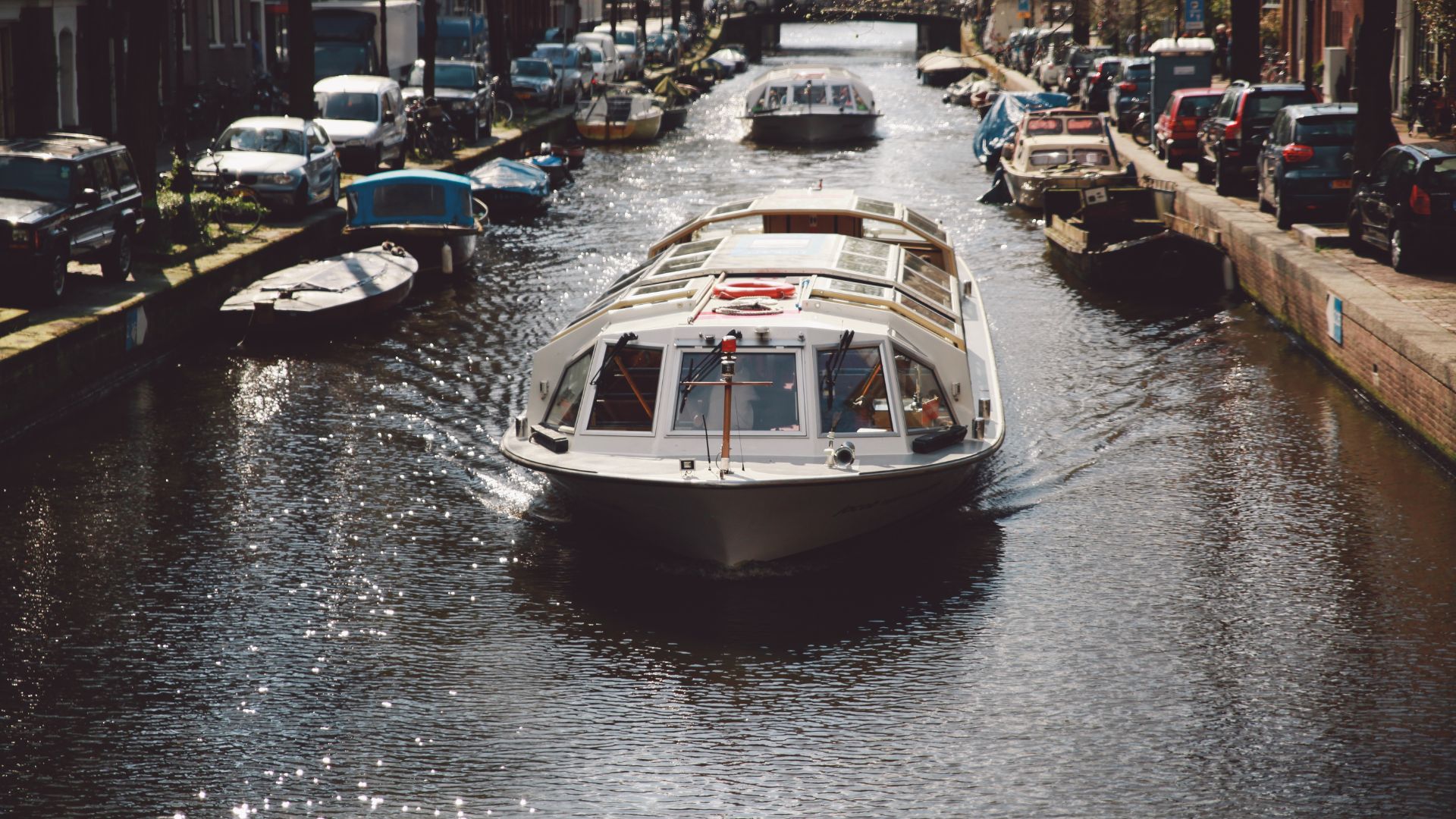
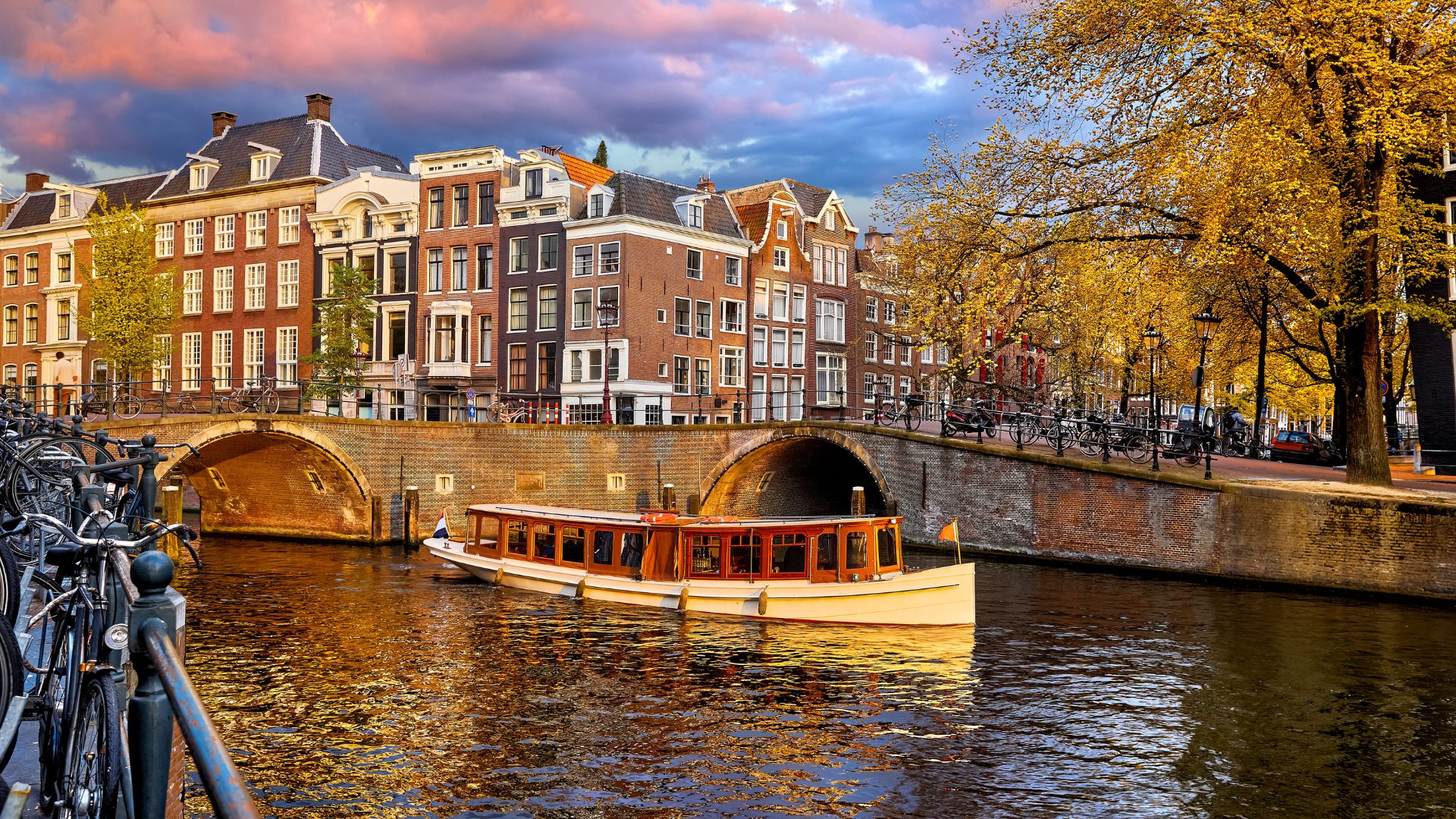
The captain cut the engine somewhere near Leiden, and for a moment the only sound was water lapping against the hull. Then came the bells — not church bells, but the gentle percussion of dozens of bicycles crossing a bridge we were about to pass beneath. The cyclists didn’t look down. Why would they? For the Dutch, boats sliding through their towns are as unremarkable as buses.
I’d been on the barge for three days by then, and I’d already forgotten what it felt like to be in a hurry. That’s the thing about travelling by water in the Netherlands — it doesn’t just slow you down, it recalibrates your entire sense of time. You move at eight kilometres an hour through a country that invented efficiency, and somehow it makes perfect sense.
Our vessel was the Magnifique IV, a hotel barge that carries just twenty-two passengers through a network of canals, rivers, and lakes that most visitors never see. While the tour buses queue at the Anne Frank House and the crowds photograph the same tulips, we were threading through villages where the biggest event of the day was a heron landing on someone’s garden wall.
Day One: Amsterdam to Haarlem
We boarded in Amsterdam, naturally, but within an hour the city had shrunk to nothing behind us. The route took us through the North Sea Canal — a feat of Dutch engineering that slices through what used to be ocean — before turning south into smaller waterways where the banks were close enough to smell the roses in people’s gardens.
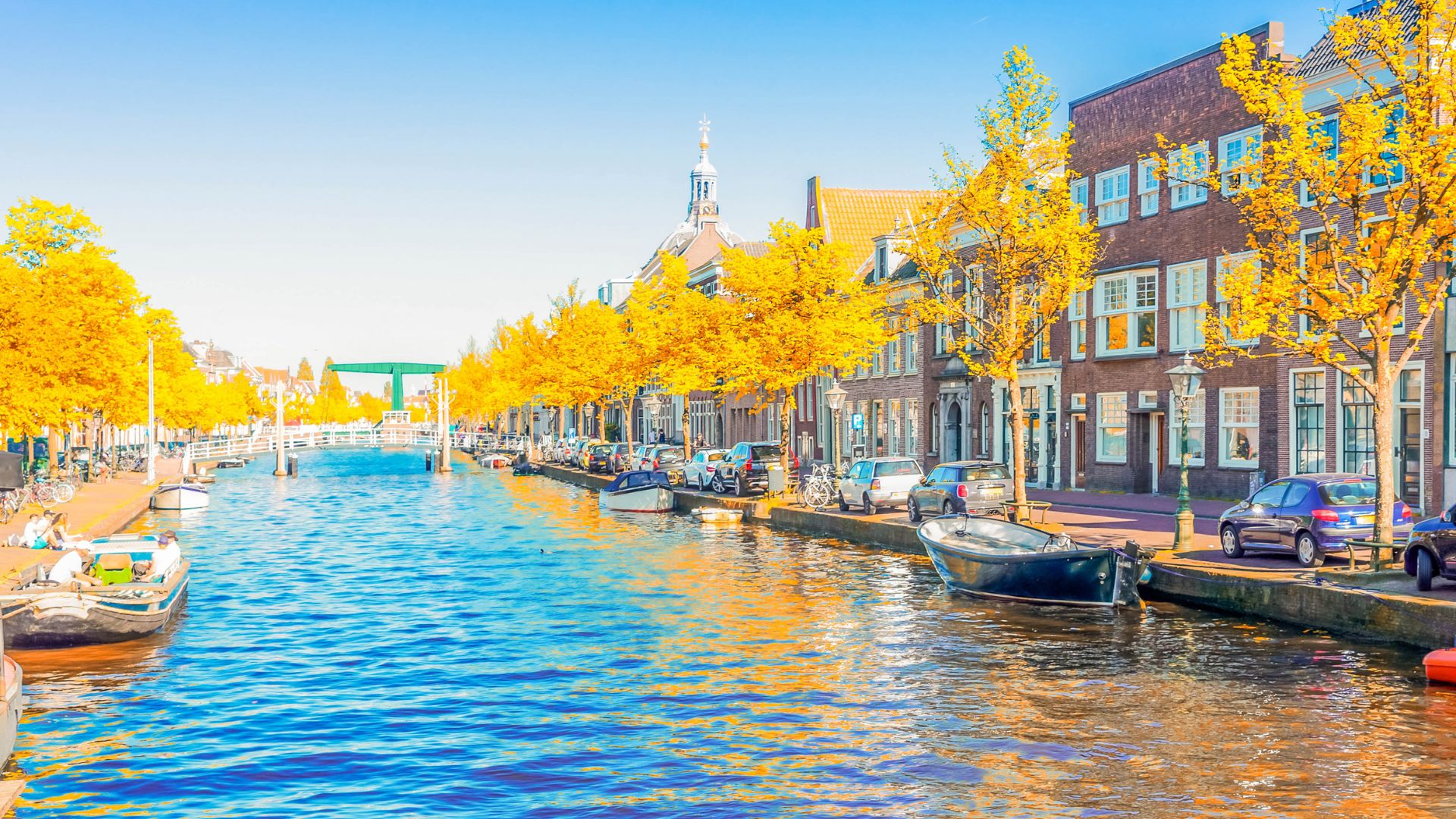
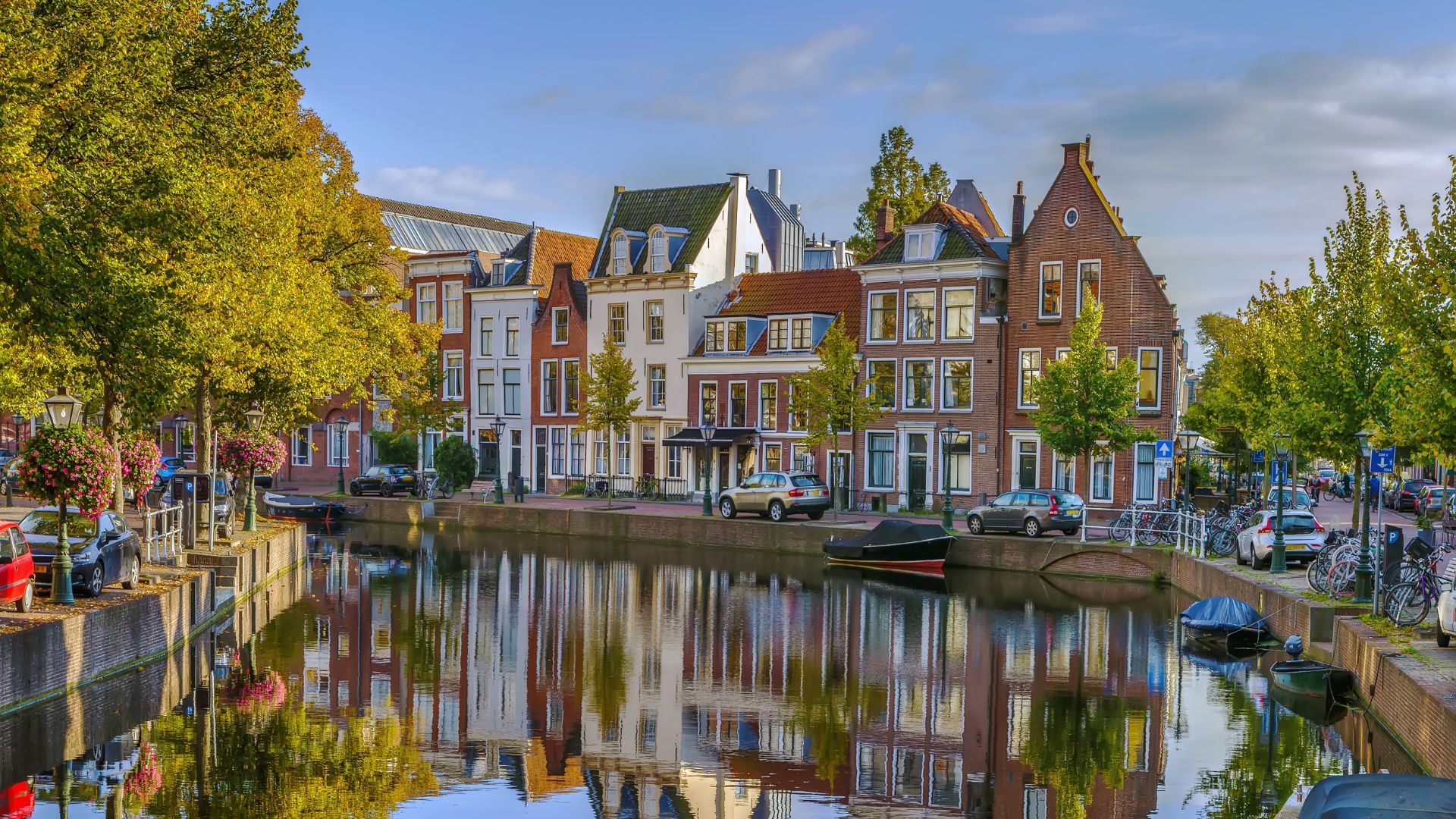
Haarlem appeared first as a church spire, then as a jumble of gabled houses reflected in water so still it looked like polished pewter. We moored near the Teylers Museum — the oldest museum in the Netherlands, and still gloriously unchanged since the 18th century. Inside, fossil cabinets and scientific instruments sit exactly where Enlightenment scholars left them. There’s no interactive nonsense, no gift shop selling plush dinosaurs. Just knowledge, preserved in amber.
Dinner that first night was aboard the barge: five courses, locally sourced, paired with wines chosen by a sommelier who’d clearly given up trying to explain Dutch cheese to people who weren’t paying attention. The Aged Gouda she served with a Sauternes was a revelation — eighteen months in a cave had turned it into something closer to caramel than cheese.
Days Two and Three: The Heart of Holland
The beauty of a barge trip is that it reveals Holland as the Dutch know it, not as the tourist board sells it. We passed through Lisse without once mentioning tulips (though the captain did point out the estate where the Van Gogh family once lived). We cruised alongside the Haarlemmermeer polder, land that was seabed until 1852, when the Dutch simply decided they needed more country and pumped the water out.
One afternoon we stopped at a windmill — not for photographs, but to meet the miller. He was the fourth generation of his family to work there, grinding organic wheat for Amsterdam’s artisan bakeries. He let us climb to the cap, where the wind made conversation impossible, and showed us how he reads the sky to know when to set the sails. “My grandfather taught me,” he shouted over the creaking mechanisms. “He said the wind speaks, but only if you learn to listen.”
That evening, moored in a village whose name I never did learn to pronounce, several of us borrowed bicycles and cycled to a jenever distillery that had been producing Dutch gin since 1691. The tasting room smelled of juniper and old wood. The master distiller poured us samples from barrels that had been ageing since before I was born. “Jenever is not gin,” he corrected me gently. “Gin is what the English made when they couldn’t get the real thing.”
Days Four and Five: Leiden and Delft
Leiden is a university town where Einstein once taught, and Rembrandt was born, and the Pilgrims lived before they became Pilgrims. It wears its history lightly, preferring to focus on its excellent bars and surprisingly excellent Indonesian food — a legacy of Holland’s colonial past that the Dutch have embraced with characteristic pragmatism.
We had rijsttafel at a family-run restaurant near the Pieterskerk: twenty small dishes arriving in waves, each one a different province of the Indonesian archipelago rendered in rice and spice and coconut. The couple at the next table were celebrating their anniversary — forty years, they told us — and had been coming to this same restaurant since their honeymoon.
Delft, the following day, was all about blue and white. The famous pottery, yes, but also the extraordinary Vermeer Centre, which explains how a 17th-century artist in a small Dutch town came to paint light the way no one had before or has since. Standing in front of a recreation of his studio, with the same north-facing window and the same angle of light he would have known, I understood for the first time why his paintings seem to glow from within. It’s not just technique. It’s geography.
Days Six and Seven: Gouda and Beyond
Gouda surprised me. I’d expected cheese shops and nothing else, but found instead a town of genuine charm, with a Gothic town hall that looks like a fairy-tale castle and a church with stained glass windows that survived both the Reformation and the Nazis through sheer local stubbornness.
The cheese market happens on Thursdays, and it’s not a tourist recreation — local farmers still bring their wheels to be weighed and graded, just as they have for six hundred years. I watched a deal being struck with nothing more than a handshake and a slap on the back. “We don’t need contracts,” one farmer told me. “We have honour.”
Our final morning, I woke before dawn and sat on deck with a coffee, watching the mist rise from the water. A kingfisher streaked past — an impossible flash of blue against the grey — and disappeared into the reeds. Somewhere nearby, a church bell struck six.
The Dutch have a word, gezellig, that roughly translates as ‘cosy’ but means so much more — warmth, conviviality, belonging. For a week, on a boat that moved no faster than walking pace through a landscape designed by people who understand that comfort is not the opposite of adventure, I finally understood what they meant.
Practical Information
Getting There: Fly to Amsterdam Schiphol from all major UK airports. Direct trains run from Brussels and Paris. P&O and DFDS operate overnight ferries from Hull and Newcastle to Rotterdam and Amsterdam respectively.
Barge Operators: European Waterways (www.europeanwaterways.com) operates the Magnifique IV. Six-night cruises from approximately £4,200 per person, all-inclusive of gourmet meals, premium wines, guided excursions, and bicycle use. Shorter three-night options available from £2,400.
Best Time to Visit: April-May for tulip season, though September-October offers quieter waterways, harvest festivals, and that particular Dutch light that made the Golden Age painters famous.
What to Pack: Layers, always layers. A waterproof jacket. Comfortable cycling shoes. And a willingness to eat cheese at times of day that might seem unusual.