The Cultural Triangle — Sigiriya, Polonnaruwa, Anuradhapura — appears in every itinerary, usually compressed into two or three days of air-conditioned transfers. This approach sees the monuments but misses the country. Budget a week; travel by local bus; stay in village guesthouses. The monuments are extraordinary. The spaces between them are where Sri Lanka actually lives.
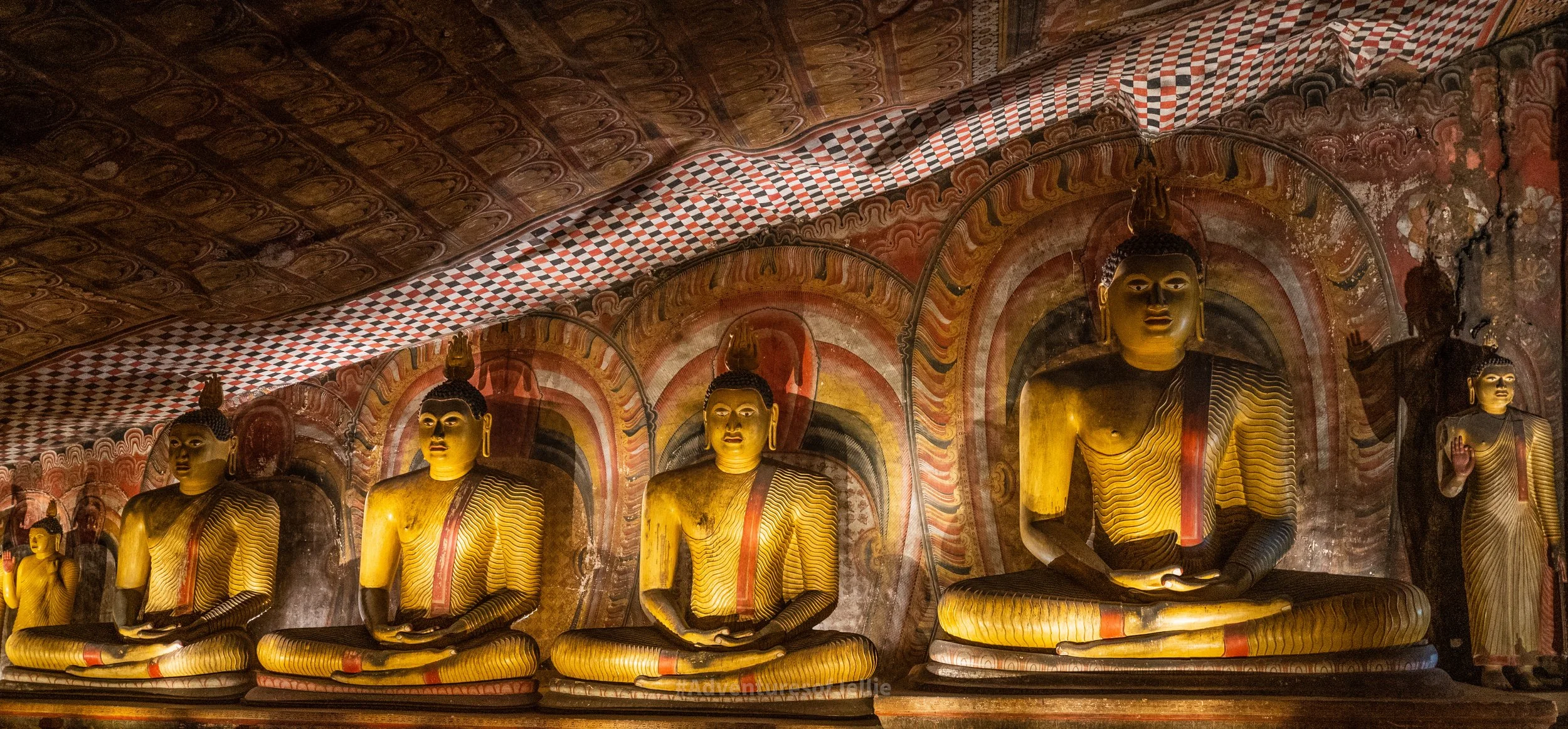
Dambulla makes the ideal base — central enough to reach all three ancient cities, developed enough to offer decent guesthouses, small enough to retain village character. The cave temples here deserve attention: Buddhist murals and statuary spanning two millennia, accessed by a climb that earns the arrival. Visit at dawn, before the tour buses, when monks perform puja and the caves belong to devotion rather than tourism. Entry: 1,500 LKR (£3.75) for foreigners.
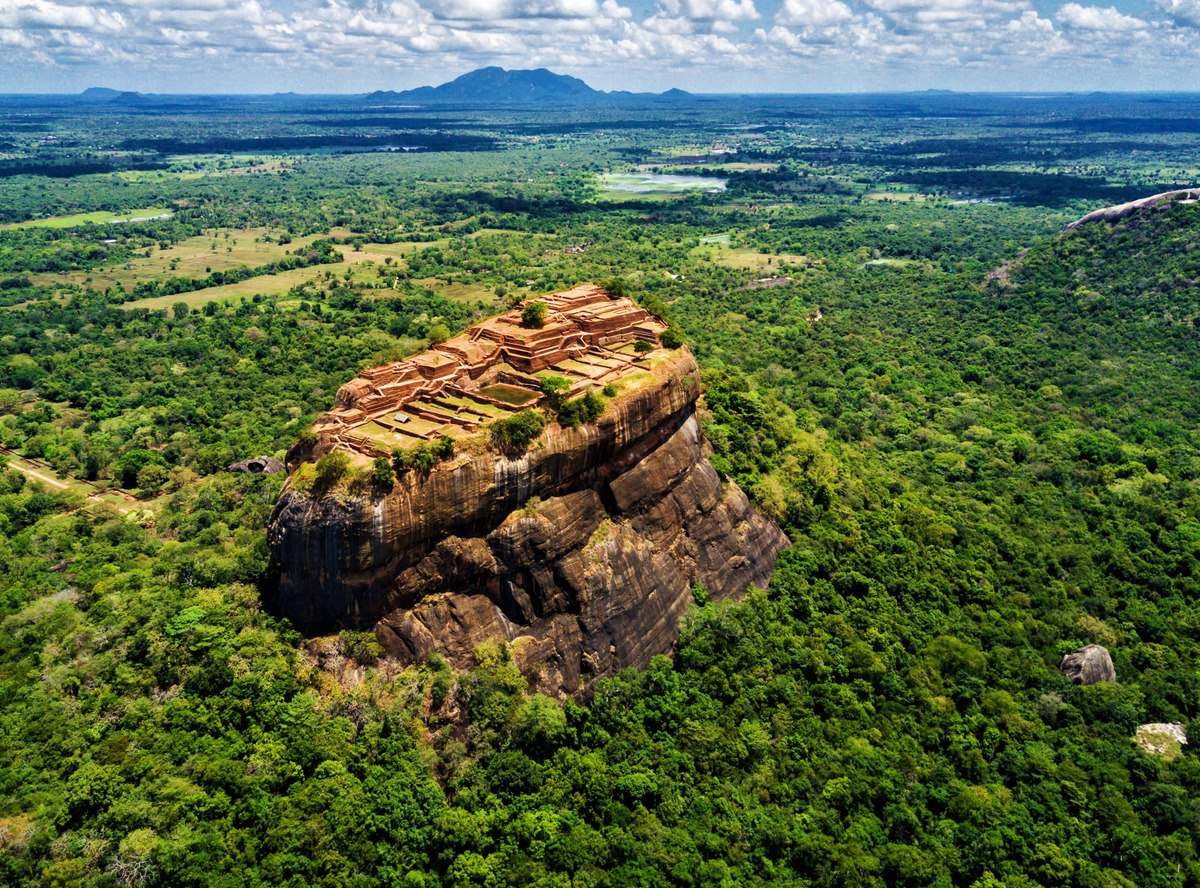
Sigiriya — the Lion Rock — is non-negotiable. The 5,100 rupee (£13) entrance fee is Sri Lanka’s highest, but the rock fortress justifies every rupee. Arrive at 6:30am when the gates open; climb before the heat and crowds; spend an hour with the frescoes in near-solitude. The summit views extend to every horizon. The monkeys will attempt to steal anything unsecured. The experience will stay with you regardless.
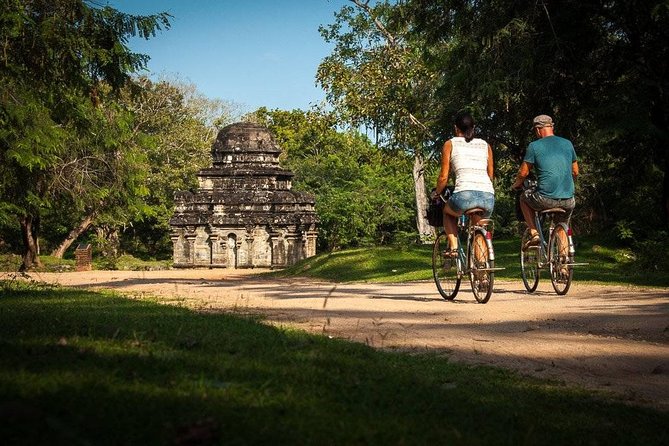
Polonnaruwa and Anuradhapura both reward bicycle exploration. Rent bikes near each entrance (500 LKR/£1.25 per day) and spend full days pedalling between ruins. The Gal Vihara at Polonnaruwa — four Buddha figures carved from a single boulder — achieves serenity that justifies the medieval capital’s UNESCO status. The Sri Maha Bodhi at Anuradhapura, allegedly grown from a cutting of Buddha’s enlightenment tree, draws pilgrims whose devotion makes tourism feel like intrusion. Both merit the effort to reach them.