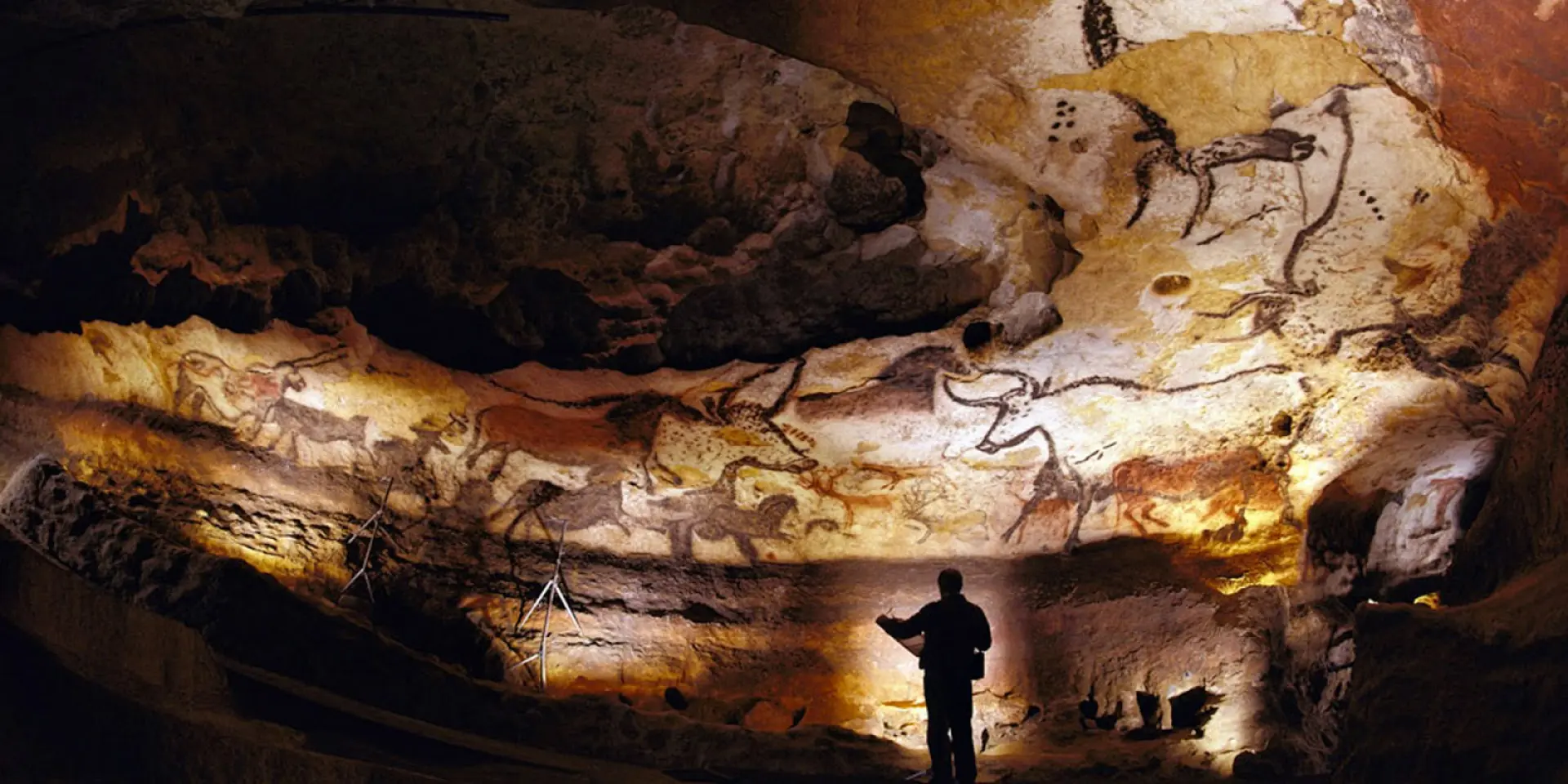
In the Vézère Valley, Lascaux II and Font-de-Gaume offer humbling encounters with humanity’s oldest masterpieces — and the scientists working to preserve them. The original Lascaux cave, discovered by teenagers in 1940, closed to visitors in 1963 after human breath began to damage the 17,000-year-old paintings. The replica, painstakingly created using the same pigments and techniques the Paleolithic artists employed, offers the next best thing: an immersion in the dawn of human creativity.
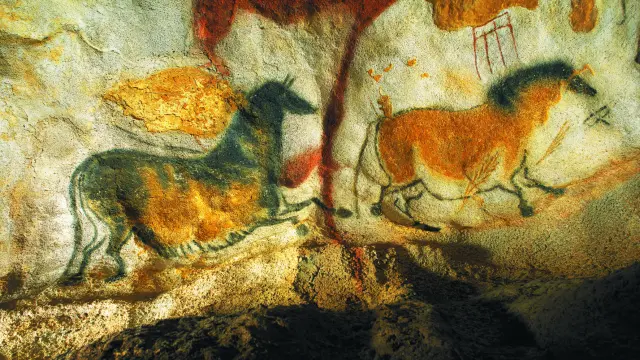
What strikes you first is the sophistication. These were not primitive scratchings but accomplished works of art, executed by people who understood perspective and movement, who knew how to use the natural contours of rock to give their animals three-dimensional presence. The great bulls of Lascaux seem to breathe; the horses appear to gallop; the stags, rendered with a few economical lines, capture the essence of stag-ness in a way that art students still struggle to achieve. Our ancestors, ice-age hunter-gatherers who lived and died without leaving a single written word, created images that speak across forty millennia.
Font-de-Gaume, one of the few original painted caves still open to visitors, offers an even more profound experience. The groups are small — twelve people maximum — and the guide leads you deep into the hillside with flashlight in hand, revealing paintings that emerge from the darkness like apparitions. Bison, horses, mammoths: the fauna of a vanished world, depicted with a life that makes you catch your breath. The cave remains cold and damp, exactly as it was when artists worked here by the light of animal-fat lamps; you can almost smell the smoke, almost hear the chanting.
The scientists studying these caves have devoted careers to questions the paintings raise. Why did our ancestors paint? Were the caves sacred spaces, shamanic portals, teaching galleries, or something else entirely? The lack of definitive answers only deepens the mystery. What we know is this: Homo sapiens, from our earliest days as a species, felt compelled to make images, to record our world, to leave marks that would outlast our brief lives. In the Dordogne, those marks survive, speaking to anyone humble enough to listen.